Great Lakes iron ore trade up 43.6 percent in June
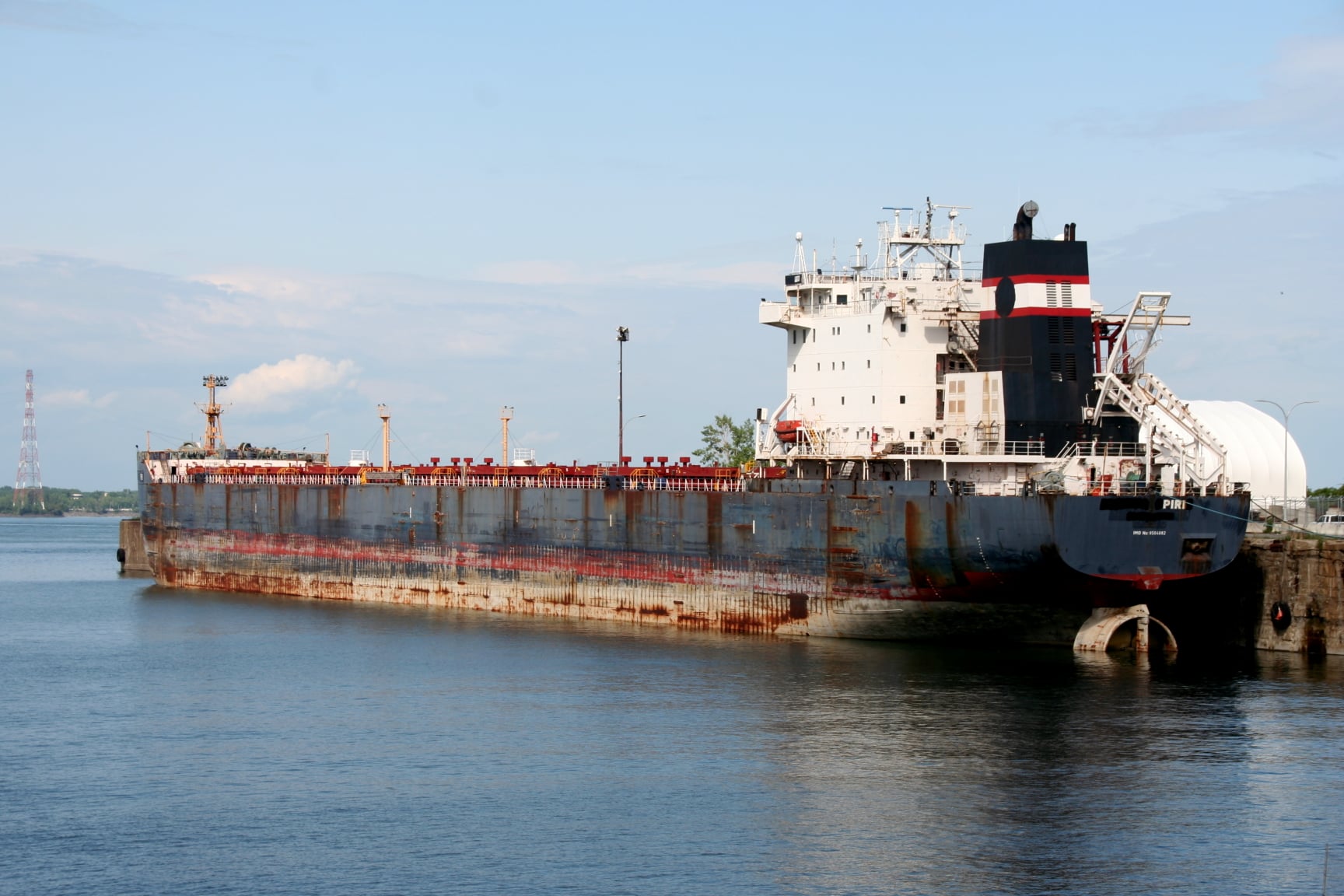
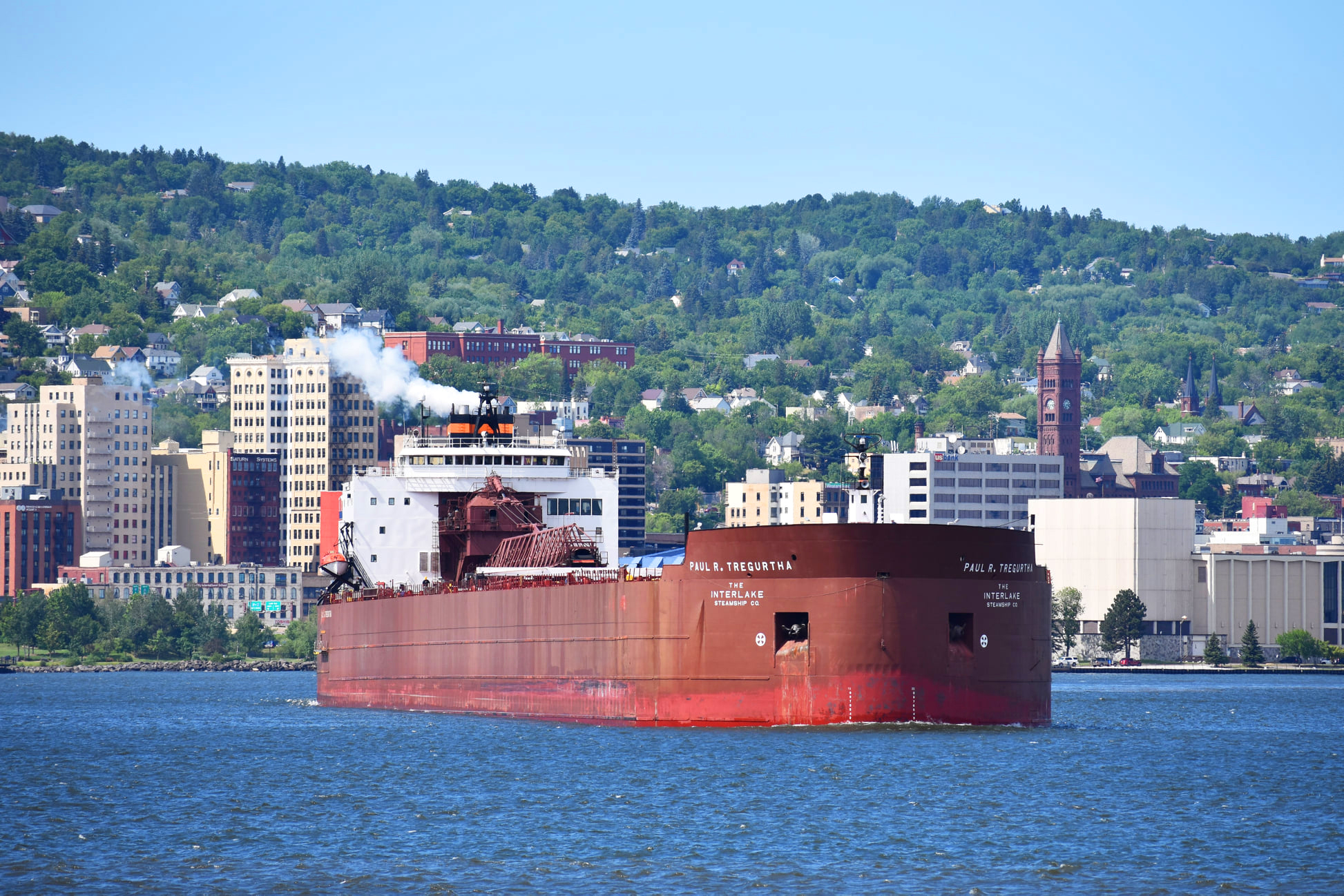
Cleveland, OH – Shipments of iron ore on the Great Lakes totaled 5.8 million tons in June, an increase of 43.6 percent from 2020. Shipments were 6.6 percent above the month’s 5-year average.
Year-to-date the iron ore trade stands at 20.7 million tons, 20.6 percent above the previous year’s total of 17.2 million tons. Iron shipments are above their 5-year average by 5.7 percent for the first half of the year.
Since 1880, Lake Carriers’ has represented the U.S.-flag Great Lakes fleet, which today can move more than 90 million tons of cargos annually that are the foundation of American industry, infrastructure, and power: iron ore, stone, coal, cement, and other dry bulk materials such as grain, salt, and sand. More information is available at www.lcaships.com.
Port of Monroe awarded $770,983 grant to help upgrade cargo screening infrastructure
Washington, DC – U.S. Senator Gary Peters (MI), Chairman of the Homeland Security and Governmental Affairs Committee, today announced the Port of Monroe has been awarded a $770,983 Port Security Grant from the Department of Homeland Security to help upgrade their cargo screening infrastructure. The funding will allow the port to install a Radiation Portal Monitor, which helps to screen cargo for the presence of nuclear or radiological materials. This will enhance the port’s ability to ensure that incoming cargo is safe and secure, boost operations, and could expand their capabilities to provide increased cargo service throughout the Great Lakes region.
“Congratulations to Director Paul LaMarre and the Port of Monroe on receiving this vital funding. The Port of Monroe serves as an indispensable resource to manufacturers in Michigan and across the Great Lakes region. This critical investment will help the port grow and deliver the products that businesses and families rely on each day,” said Senator Peters. “This funding, which will help the Port of Monroe ensure shipments are safe and secure, is an important step to aid their efforts to expand, begin accepting additional types of cargo, and support jobs and grow the economy in Southeast Michigan. I’ll continue fighting to put Michigan ports on a level playing field so we can ensure our state remains a hub for international commerce.”
“The receipt of this critical grant funding confirms that the Department of Homeland Security, U.S. Coast Guard, and FEMA are aligned and supportive to promote the safe, efficient, and secure movement of containerized cargo through the Port of Monroe. Senator Peters’ unrelenting fight to ensure the Port’s continued growth and economic importance to our region has never been more evident,” said Paul LaMarre, Director of the Port of Monroe. “As Senate Homeland Security Chairman, Senator Peters is ensuring that vital security funding is making it home to Michigan in support of expanded economic opportunities. This grant places the Port of Monroe in full compliance with the SAFE Port Act and in turn, should allow U.S. Customs and Border Patrol to fulfill their mission of enhancing our nation’s economic prosperity.”
In his role on the Homeland Security and Governmental Affairs Committee, Peters has supported funding for the Port Security Grant Program and has fought to support Michigan’s ports, especially the Port of Monroe, and ensure they receive fair treatment. A bipartisan measure coauthored by Peters was signed into law requiring federal officials to assess all ports of entry, including finding ways to reduce wait times for passengers and cargo at the border. Peters also repeatedly pressed U.S. Customs and Border Protection on why the Port of Monroe is being held to standards that are not applied to other ports in the region. Peters also recently published an op-ed, outlining the importance of making sure the economic competitiveness of Michigan and other Great Lakes states is not being undercut by unfair policies or practices. Peters also helped secure a $1.1 million federal grant for the Port of Monroe to expand its maritime commerce operations.
Inland Seas schooner trip geared toward Great Lakes education
Marquette, MI – After a six-day visit to Detroit, the Inland Seas Education Association is in transit to the Upper Peninsula on the Inland Seas, a 77-foot schooner that offers educational programming about the Great Lakes. The ship will bring programs to Houghton, Marquette and Sault Ste. Marie between Saturday and Aug. 7.
The ISEA, based in downstate Suttons Bay, said this is the first time the 27-year-old vessel will enter Lake Superior. In 2019, the Inland Seas program traveled to four of the five Great Lakes.
The ship has provided programming in Hessel, a Lake Huron port, every summer since 2014 except during 2020. ISEA brought the schooner Utopia to Lake Superior for the 2019 Duluth Tall Ship Festival, but this is the first time the Inland Seas program has taken the schooner to Lake Superior, said Fred Sitkins, ISEA executive director.
Utopia is a 65-foot two-masted schooner built in 1946 by Fred Peterson, founder of Peterson Builders of Sturgeon Bay, Wisconsin. It was donated to ISEA in 2016 by Carla and the late Ellsworth Peterson.
While in Houghton, multiple Michigan State University Extension and Michigan Tech groups are scheduled to receive programs aboard the schooner Saturday through Tuesday. Students in the MTU Summer Youth program will spend three days traveling on the ship from Houghton to Marquette.
Sitkins called the students “Great Lakes scientists on board. The general thing that happens on our programs is just gaining an understanding of the Great Lakes ecosystem,” Sitkins said.
He noted that the students will explore what lives in the Great Lakes and will take samples of organisms that live at the bottom of the lake, as well as plankton samples to see the microscopic beginning of the Great Lakes food chain. They also will collect fish to study and take basic water quality assessments.
ISEA, according to Sitkins, is a nonprofit organization that receives funding through grants and donations.
Sitkins acknowledged that since the summer is short, it tries to maximize the use of the ship, which means programming often is carried out in in transit. In August, another youth group will travel from downstate Mackinaw City to Suttons Bay.
In Marquette, MSU Extension and other partners will be aboard the ship. Programs with Lake Superior State University, youth groups and MSU Extension will be conducted in Sault Ste. Marie with the ship heading back to her home port on Aug. 8.
ISEA said it addresses the need to protect the Great Lakes, which has a global as well as regional economic impact, through education. Since 1989, Inland Seas has educated over 130,000 youth and adults about the health of the Great Lakes through its school and public programs.
The Great Lakes contain 20% of Earth’s accessible freshwater supply and roughly 84% of North America’s surface freshwater, Sitkins said.
“We believe it’s everyone’s job to steward this resource through career choices, lifestyle choices, communication choices and more,” he said.