Lake Superior drops below normal water level for first time since 2014
Duluth, MN – Severe drought on Lake Superior’s western shores brought the big lake’s water level down in August, dropping below the normal seasonal average for the first time in more than seven years.
Lake Superior dropped 1.2 inches in August, when it goes up by about a half-inch on average, according to the International Lake Superior Board of Control.
That left the lake nearly a half-inch below normal Sept. 1 and 10.2 inches below the level at this time in 2020.
The last time Lake Superior was below normal was April 2014, said Charles Sidick, analyst for the U.S. Army Corps of Engineers in Detroit.
The seven-year high-water period, while not historically the longest since accurate records have been kept starting in 1918, saw some historic high-water marks. Lake Superior set monthly high-water records in July, August and September 2019, but fell just shy of the all-time high mark set in October 1985.
The recent streak of high water was also the root cause of millions of dollars in damage along the western tip of Lake Superior. The combination of high water during high-wind storm events caused erosion of clay banks on Wisconsin’s South Shore and of sand along Duluth’s Park Point. They also trashed Duluth’s Brighton Beach and sent waves rising up to smash Duluth’s Lakewalk trails and flood Canal Park streets.
The summer drought in northern Minnesota saw some of Lake Superior’s tributaries dry to just a trickle, with some streams not running at all. The St. Louis River, the largest U.S. tributary to Lake Superior, was running last month at just 10% of its normal August flow.
With the lake now down more than a foot since the highest levels in 2019, that’s billions of gallons less water across Lake Superior’s 31,700 square miles. Not only does the lake drop vertically, but the water’s edge pulls farther out from shore, creating noticeably wider beaches and offering more buffer when storms occur.
“More damage occurs during high-water periods, definitely,’’ Sidick said.
Sidick said that communities and residents along the lake should continue to take action to “build resilience” against the next round of high water, whenever that might occur.
“We will never be able to control the water levels to the extent that some people would like us to, so the answer is resilience,’’ Sidick said.
Forecasters say there’s little chance of another high-water period coming anytime soon. The six-month forecast for Lake Superior heading into winter is for near average water levels, said Deanna Apps, lead forecaster for the U.S. Army Corps of Engineers in Detroit.
The seven years of above-normal water levels came after an unusually long below-normal period that lasted from about 1998 to 2014, bottoming out with record monthly low water levels in fall 2007, when Great Lakes freighters were having a hard time accessing some ports, with some running at reduced capacity.
Lake Superior generally rises from April through August and then slowly drops from September to March.
Meanwhile, the Lakes Michigan-Huron watershed saw higher than normal rainfall in August and dropped less than its usual amount. The lakes now sit 17.7 inches above the long-term average for Sept. 1, but are 15.7 inches below the record-high level set Sept. 1, 2021.
Duluth News Tribune
Toledo Lighthouse Festival back this weekend after one-year pandemic hiatus
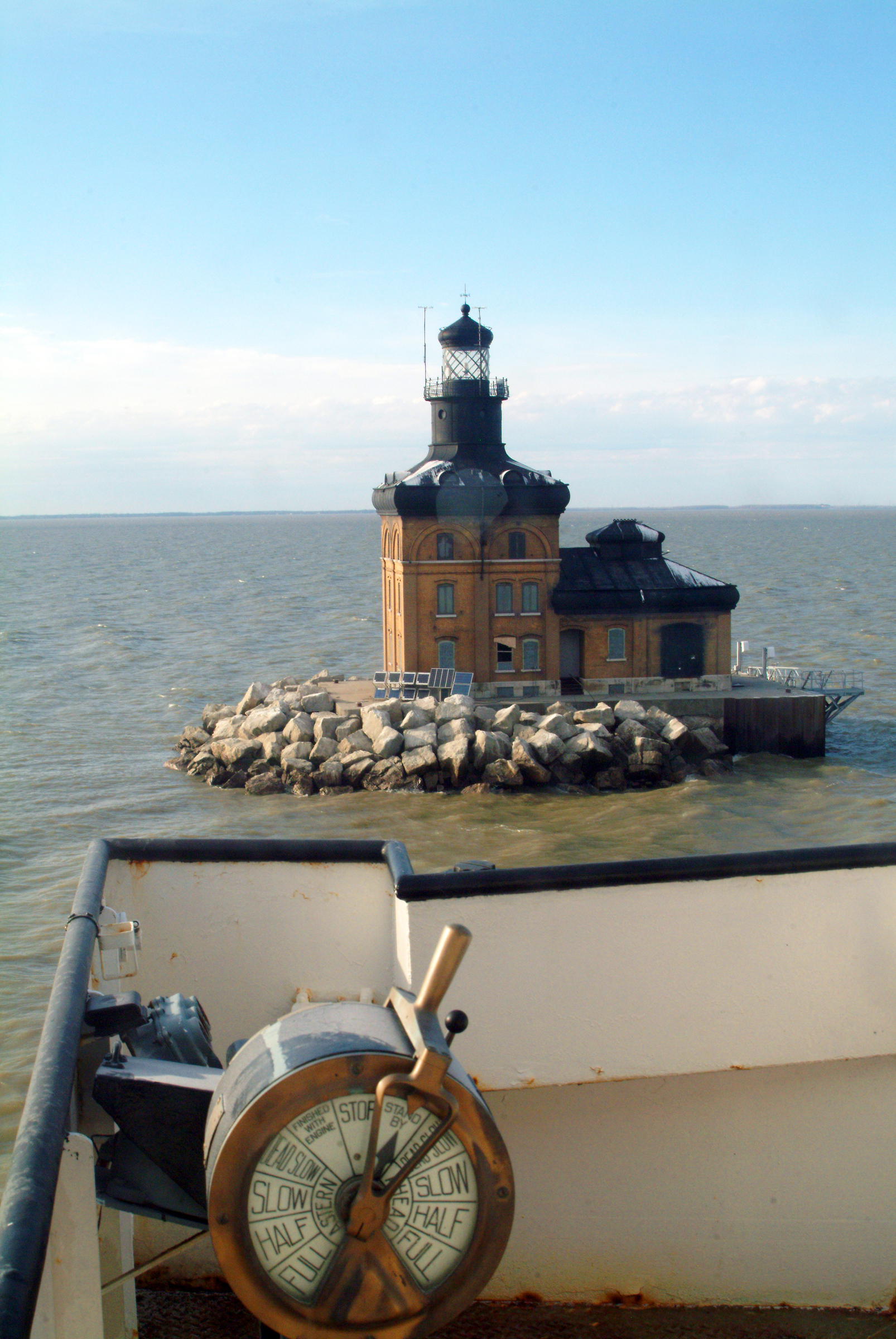
Toledo, OH –The 17th Toledo Lighthouse Waterfront Festival this weekend at Maumee Bay State Park is an event that aims to stimulate interest in preserving one of western Lake Erie’s most historic landmarks.
Visiting the Toledo Harbor Lighthouse itself involves a $35 boat ride, but there also will be shoreside events for landlubbers.
Weather permitting, the boat rides from the park will take lighthouse-lookers on a five-mile trip out to the building next to the Toledo Harbor Channel, where they can see new second-floor windows and shutters installed just this year. Reservations may be made by sending a text to 419-367-1691 or an email to sandylakeerie@aol.com.
Events at Maumee Bay itself will be free of charge, although organizers said they will welcome $5 donations.
The festival, which is from 10 a.m. to 5 p.m. Saturday and Sunday, will feature live music, food trucks, arts and crafts, a silent auction, gift cards, and more. The closing act, as has happened in the past, will be a performance by a steel drum troupe from the Toledo School for the Arts. Many of the activities will take place along the shores of the park’s inland pond.
About $2.5 million of work remains for new plumbing, electricity, and other costs associated with rehabbing the 4,000-square-foot lighthouse, which was built in 1904 and was last staffed in 1966.
The society’s goal is to restore it enough so four to five people can live out there at a time between May and October of each year. The plan is to have them give tours and serve as “Keepers” for other visitors. Unlike the shoreside Marblehead Lighthouse, the Toledo Harbor Light is out in the lake and accessible only by boat.
Read more here: https://www.toledoblade.com/local/community-events/2021/09/09/toledo-lighthouse-festival-back-this-weekend-after-one-year-pandemic-hiatus/stories/20210908127?fbclid=IwAR3NHIzyOmEisRI34-h80kI9VrjT6xGasKHOY_GxxGqDJvPBfc2T48bhQko