Retired lakers Manistee and St. Clair to be scrapped at Port Colborne
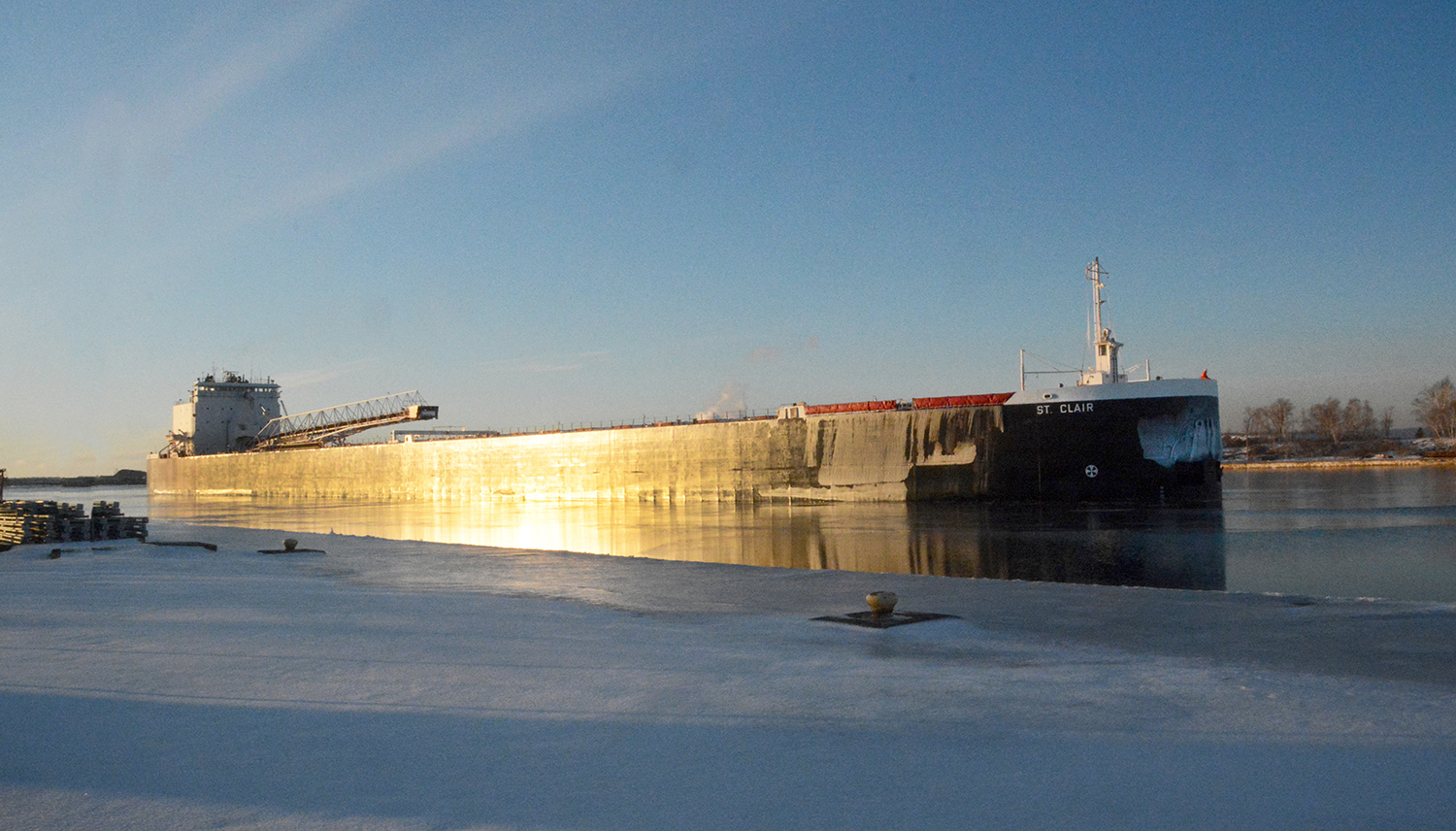
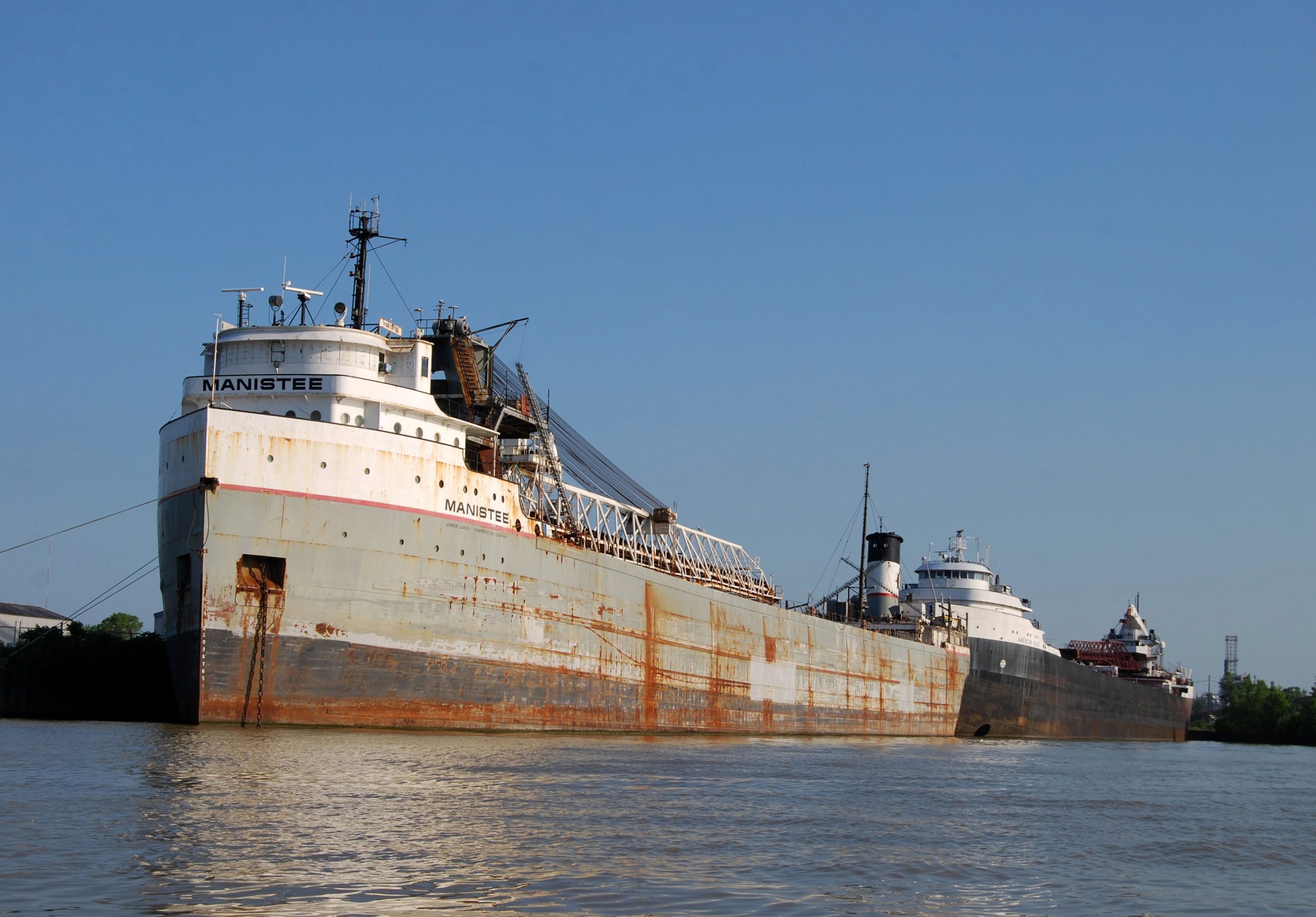
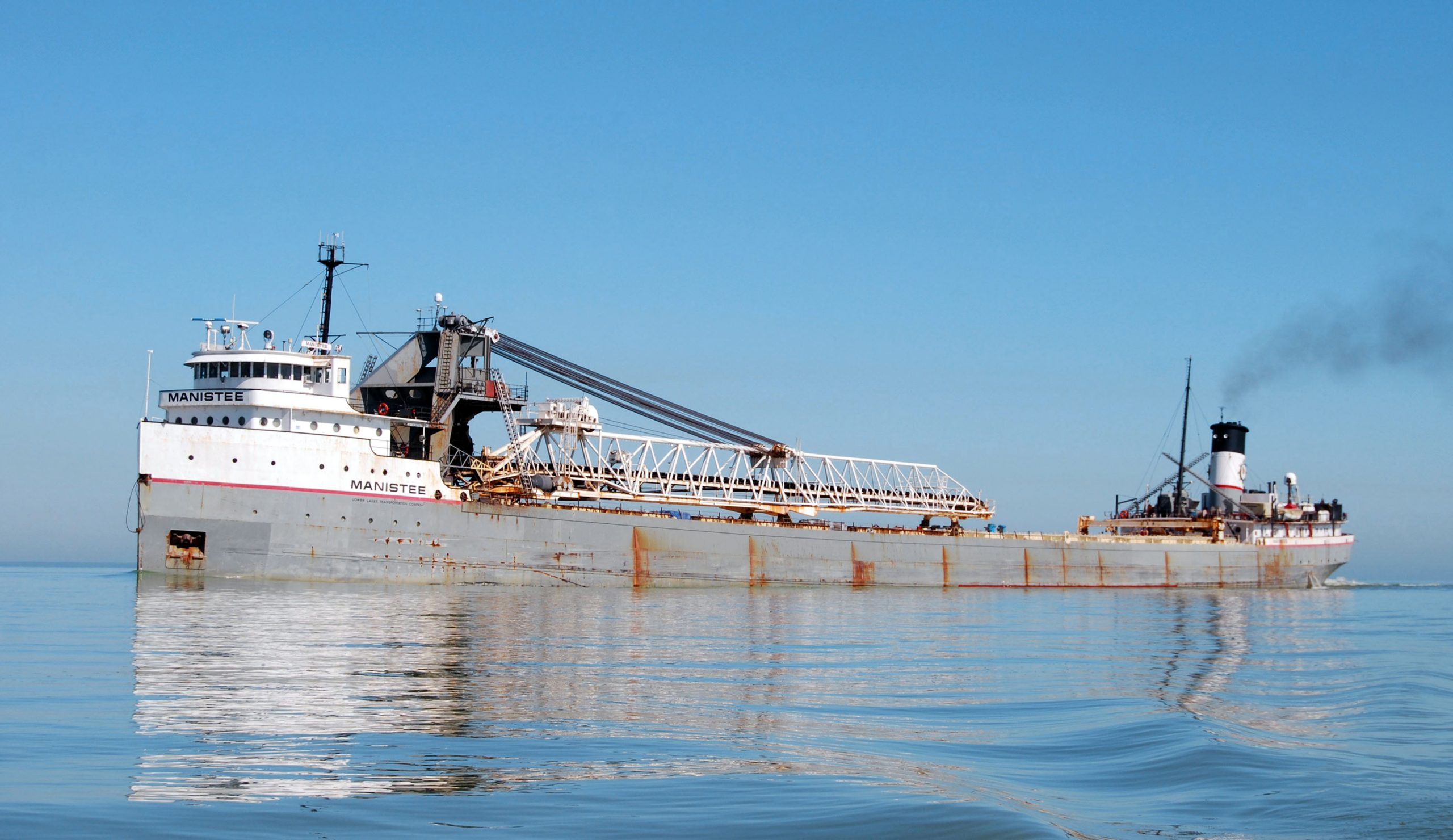
Port Colborne, ON – Marine Recycling Corp of Port Colborne, ON, has agreements to recycle both the Manistee and St Clair. Plans are to tow both vessels to Port Colborne this fall for recycling.
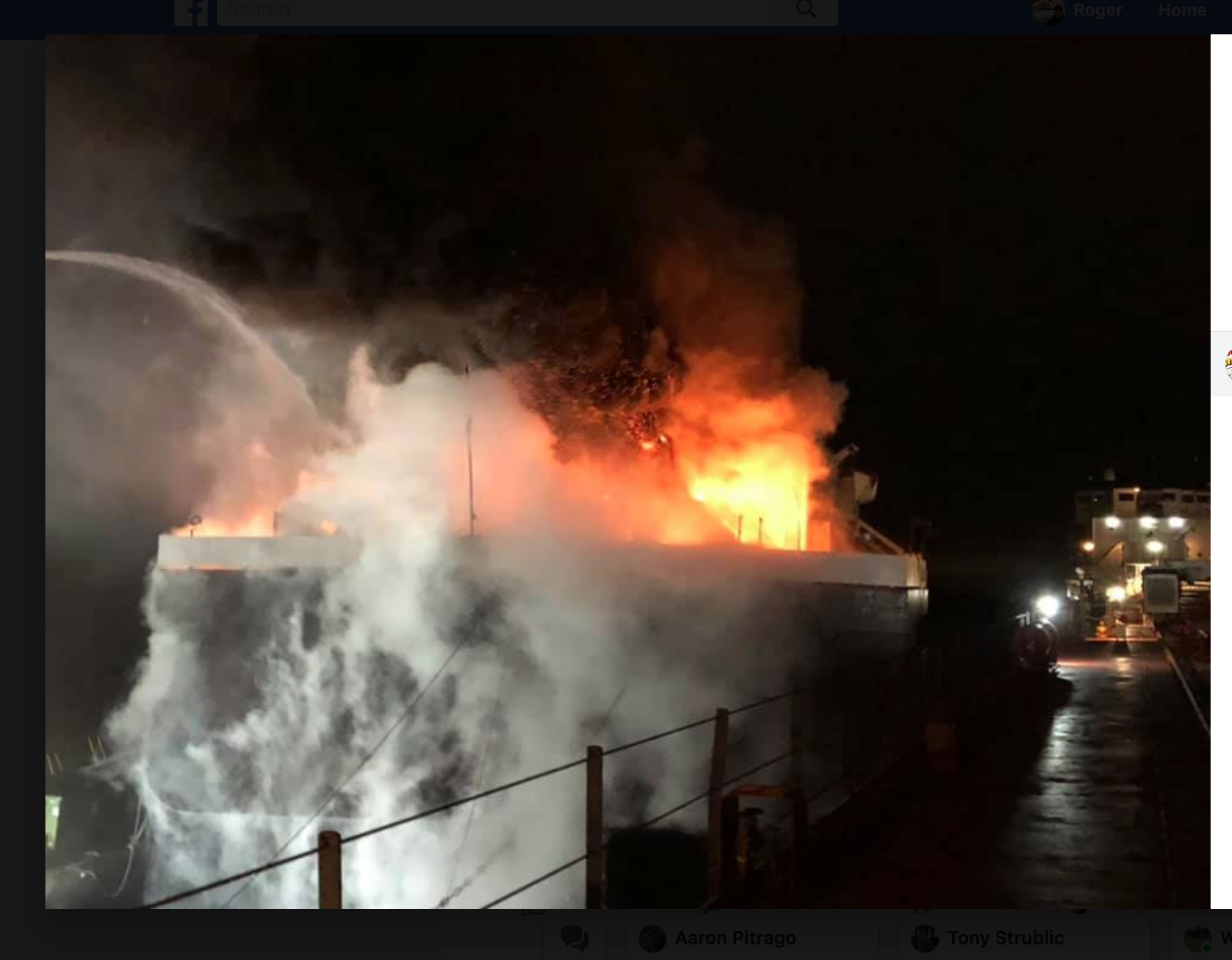
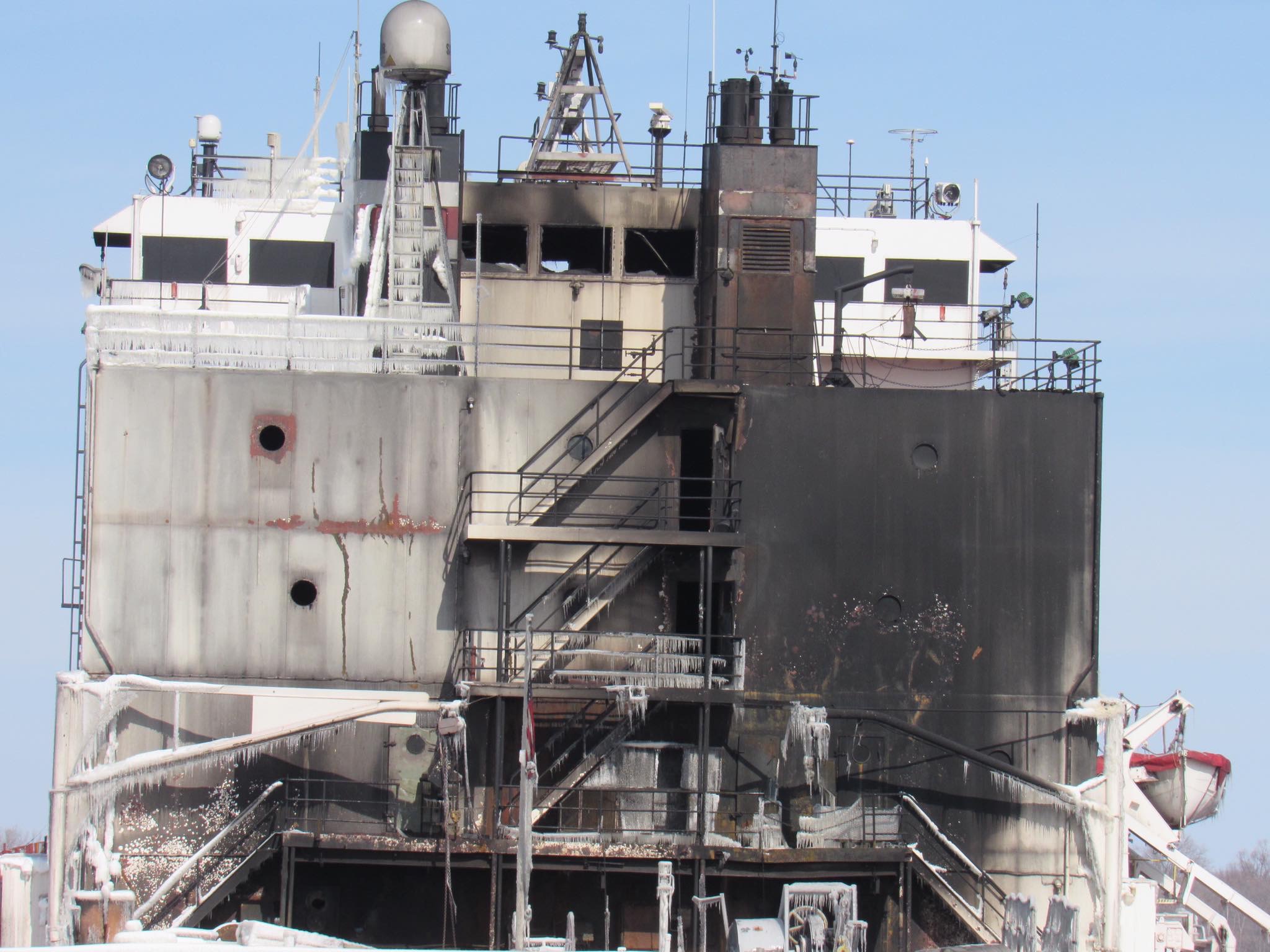
St. Clair was heavily damaged by fire Feb. 16, 2019, at Toledo, OH, and was declared a total loss. Manstee was built in 1943 at Great Lakes Engineering Works, River Rouge, MI, as Richard J. Reiss. She later sailed as Richard Reiss and received her current name in 2005. She was retired and laid up at Toledo in December 2015.
MRC is no stranger to scrapping large ships: 35 years ago the company recycled the Arthur B. Homer, the longest laker yet to be recycled at 826 feet long. St Clair is the widest ship to be recycled on the lakes at 92 feet wide, 770 feet long and 50 feet moulded depth. The Homer was the largest ship to date ever in Port Colborne harbor and the St Clair will be the widest. Both are too long, and the St. Clair is too wide to enter the Welland Canal and locks. Both ships have been locked in the upper lakes since built.
Wayne Elliott, Marine Recycling Corp
House committee funds key Great Lakes projects, including new icebreaker
Cleveland, OH – The House Transportation and Infrastructure Committee on Tuesday approved $1 billion for U.S. Coast Guard shore side infrastructure nationwide and $350 million for a heavy Great Lakes icebreaker as part of its budget reconciliation bill, an action that the Great Lake Maritime Task Force (GLMTF) called “great news for the Great Lakes.”
The GLMTF described the heavy Great Lakes icebreaker as desperately needed and expects that a portion of the infrastructure funds will go to good use replacing and repairing crumbling Great Lakes search and rescue stations and other USCG facilities that are used to protect Great Lakes ports and waterways.
The GLMTF views a new heavy Great Lakes icebreaker as a step in the right direction for correcting years of economic devastation when commercial vessels have been trapped in ice for days and unable to deliver critical cargoes vital to the nation’s economic security. The icebreaker is also the most valuable tool to combating ice jam flooding on rivers in the Great Lakes region. Unfortunately, too late for residents in the Detroit area who suffered catastrophic damage in February 2021 while the USCG’s only heavy Great Lakes icebreaker was in a maintenance period and unable to respond.
Great Lake Maritime Task Force
New lives may be ahead for old tugs W.N. Twolan, Escorte
A pair of elderly tugs appear to have been sold, or at least are in the process of being sold for further service.
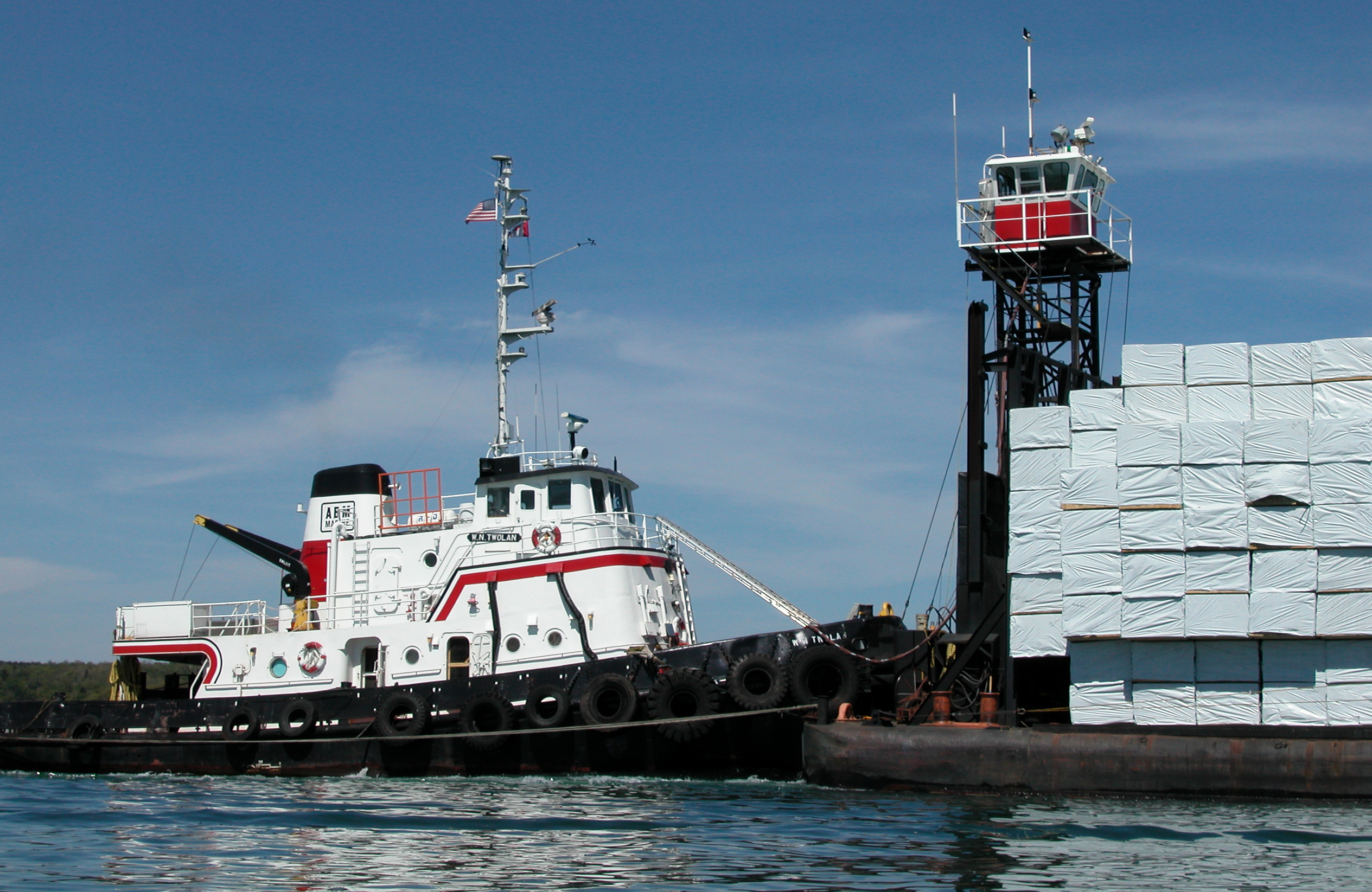
The older of the two tugs is the W.N. Twolan, built by G.T.Davie + Sons Ltd, Lauzon, QC in 1962. A twin-screw tug of 1520 bhp, it is powered by Werkspoor engines. It was considered to be a very powerful tug for its day, and even twin-screw tugs were something of a rarity.
It was built to operate in the Port of Churchill, MB on Hudson Bay, to assist bulk carriers into the port to load grain. It was ice strengthened so it could continue to assist ships at the beginning and end in the short July to October season. There were facilities for minor maintenance in Churchill, but the tug sailed south in 1966-67 and again in the 1970s for five-year surveys and refits.
When in barge service with McKeil a small “birdhouse” was installed above the wheelhouse for improved visibility. The tug was replaced in 1986 and passed through McKeil and Dufresne/McAllister ownership until 1995 when it was acquired Buchanan Forest Products of Thunder Bay, ON. They used it to push a lumber barge on Lake Superior. In 2011 it was chartered to push a grain barge but has been laid up in Toronto since about 2013.
Its AIS signal has reappeared in recent weeks in the area of Toronto Dry Dock Co, where it seems likely to be refitted for service. That company has successfully operated the veterans Salvage Monarch (1959) and Radium Yellowknife (1948) in recent years.
Another old tug destined for a new career is the Escorte, presently reported in Kingston, ON undergoing re-certification. Built in 1967 by Jakobson, Oyster Bay, NY for the US Navy as Menasha YTM-773 and later YTM-761 it was (along with a sister tug Mascouta) the first Voith Schneider tugs built in the United States. As Menasha it worked for the St.Lawrence Seaway Authority for a time in the late 1980s until acquired by Groupe Océan. It worked with Océan’s dredging fleet for several years until moving to Goderich, ON for ship berthing duties.
The tug worked in Goderich, ON until April 2021. It then moved to Hamilton, ON in April, Oshawa, ON in May and Kingston. It has been idle at Kingston since mid-August in refit. It is rated at 1,000 bhp, (1300 ihp) 13 ton bollard pull from two GM 12V-71 engines and two V-S units mounted forward – a true tractor tug
Read the post on Mac Mackay’s Tugfax blog here: https://tugfaxblogspotcom.blogspot.com/2021/09/new-life-for-old-tugs.html?fbclid=IwAR0rC9u5JaYxkx2kCe6zNx71W-liFwWibK1Rzt1LB3BNx9Cnk_Os8RkEmzU