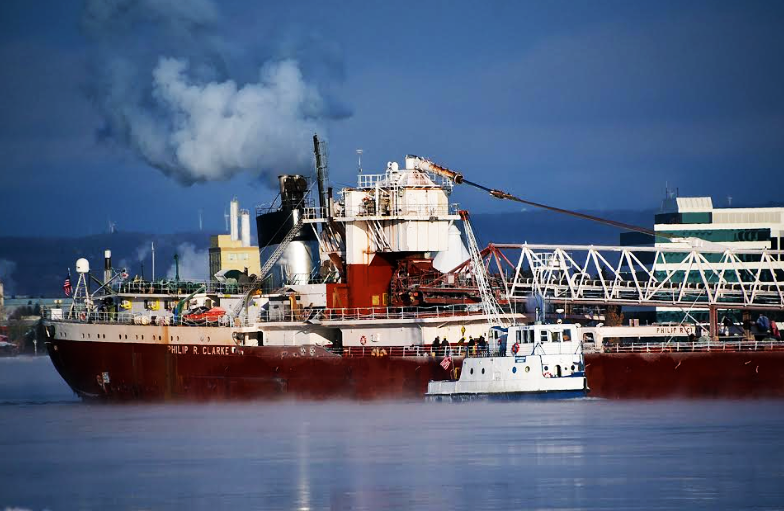
Phillip R. Clarke

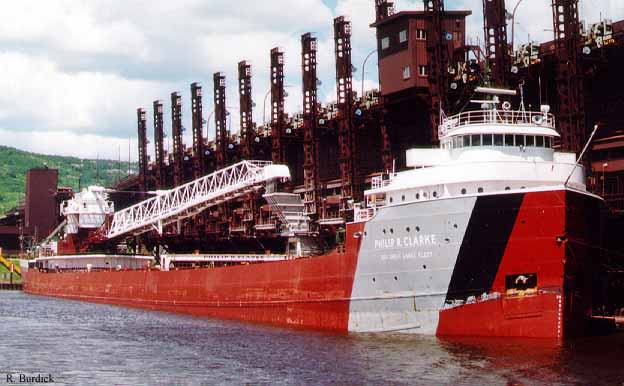
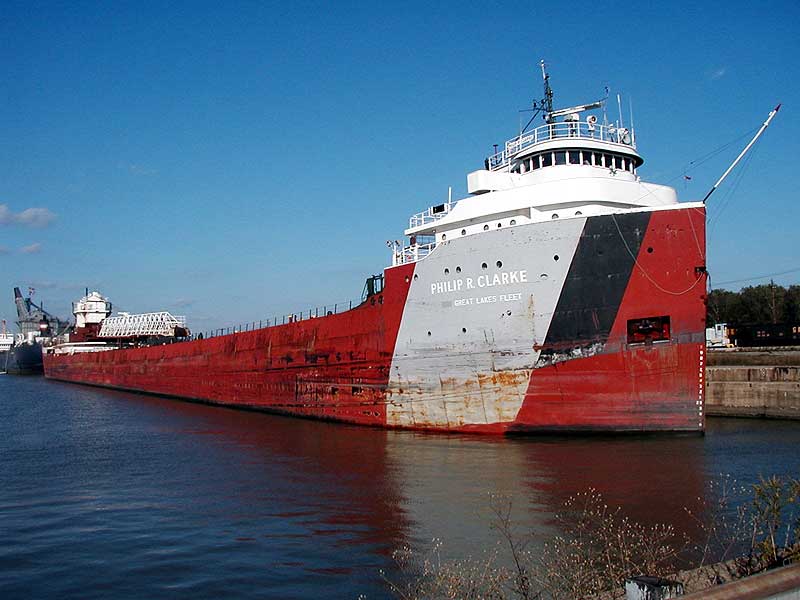
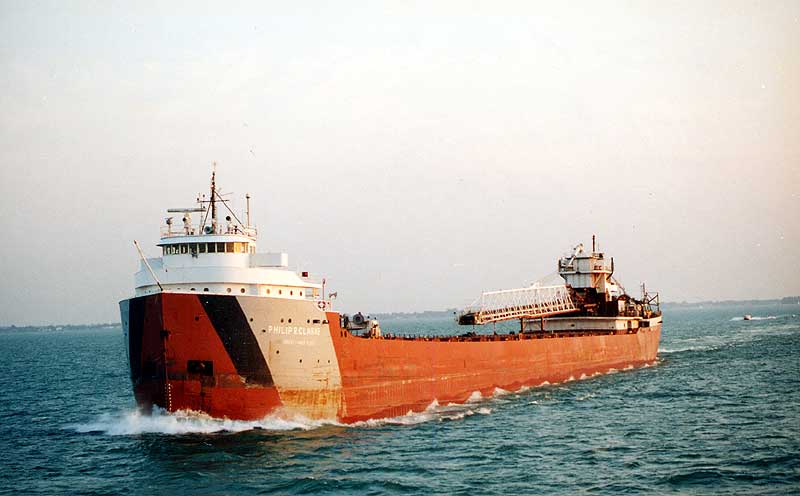
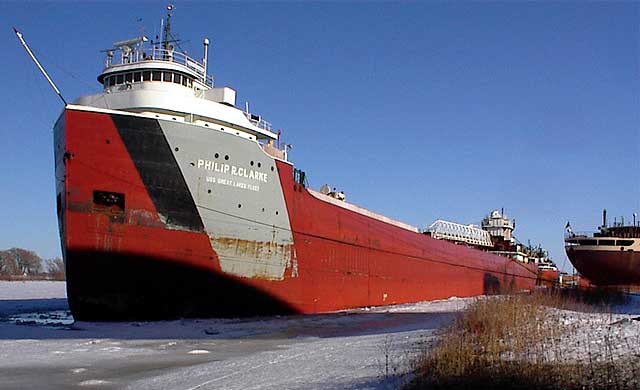
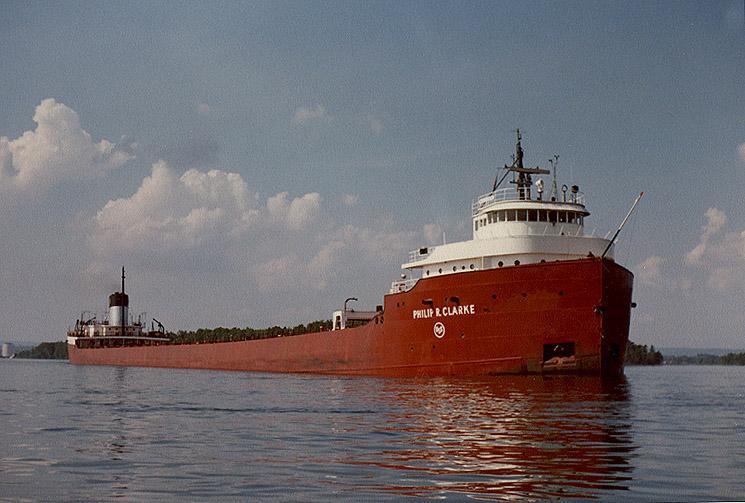
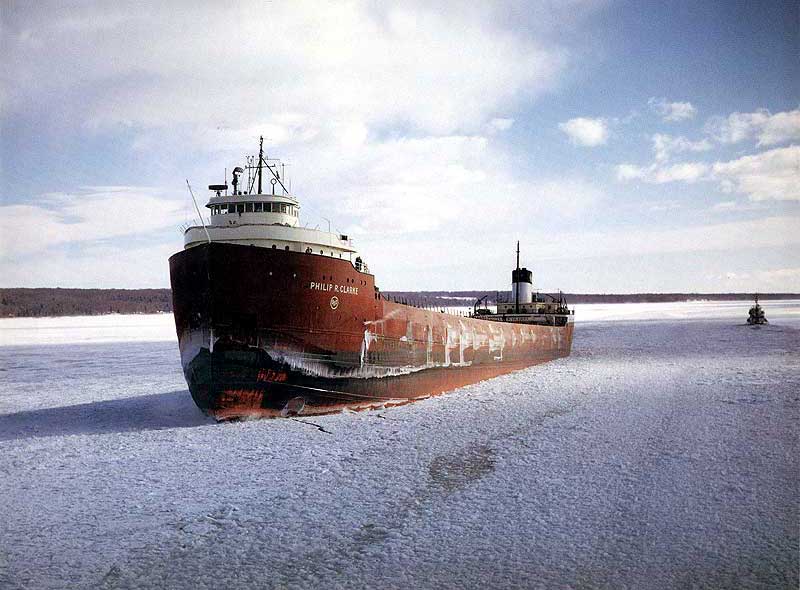
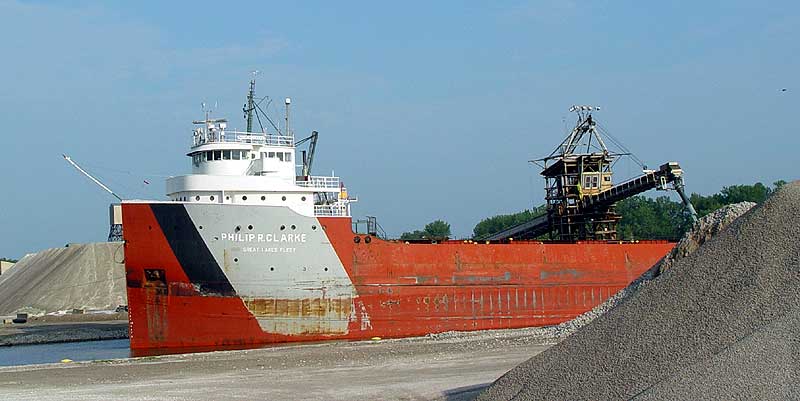
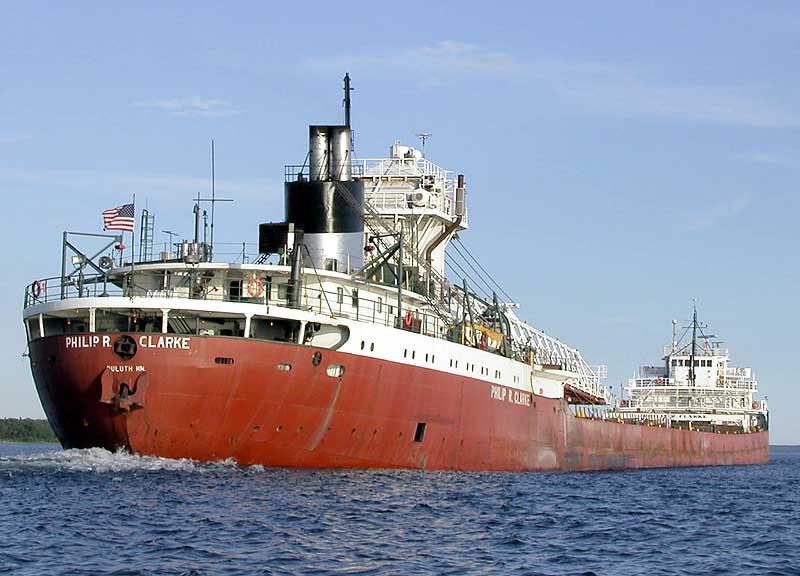
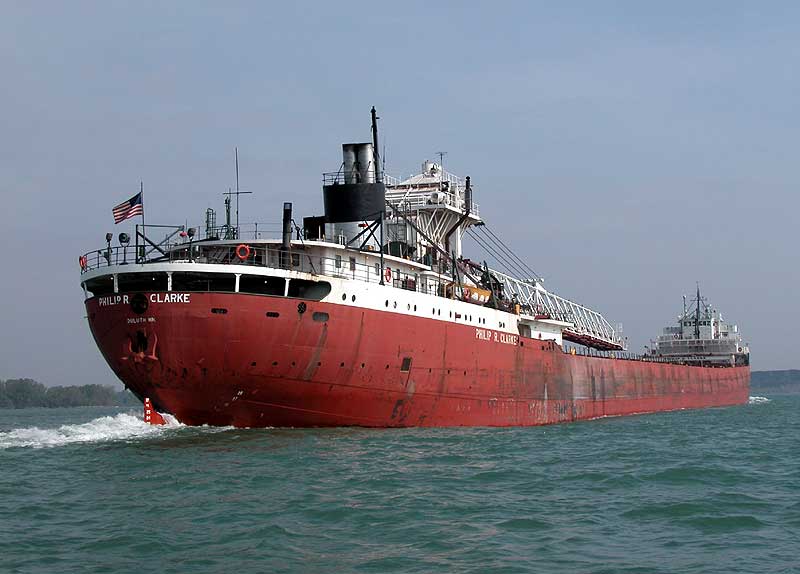
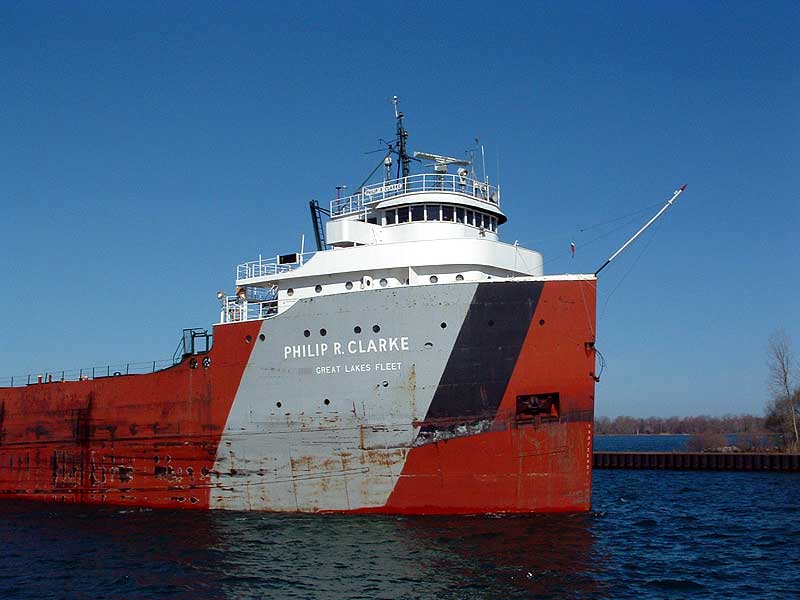
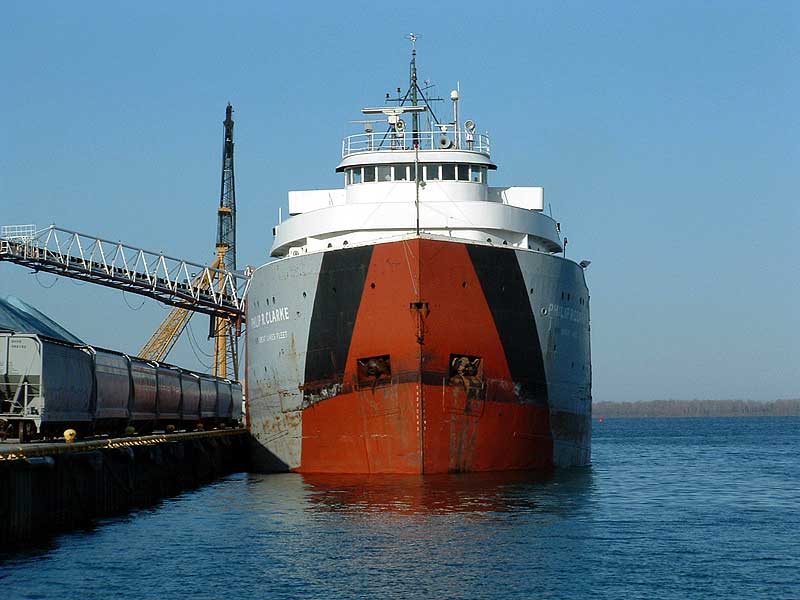
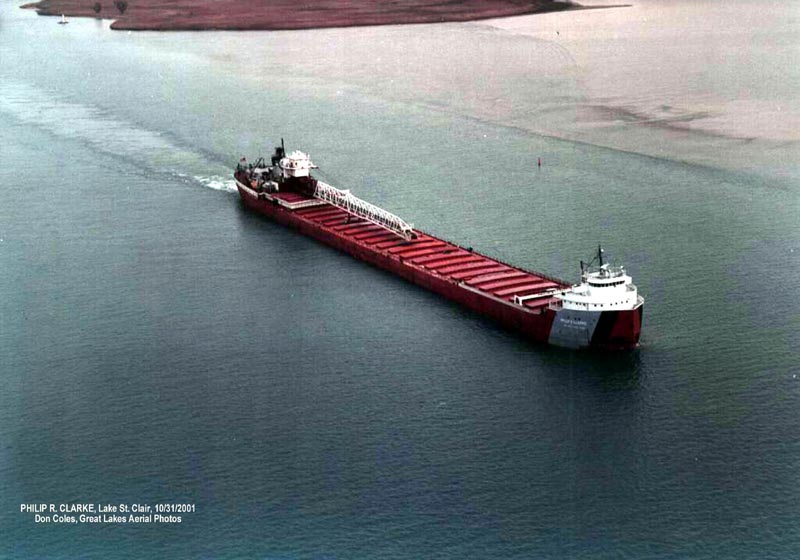
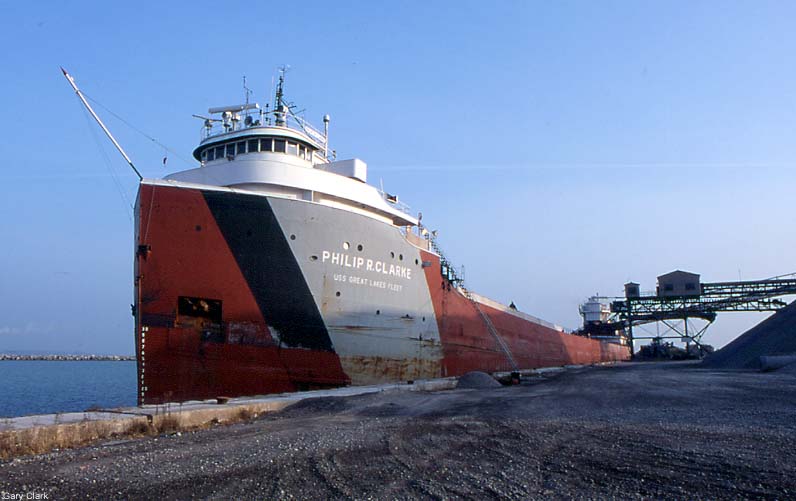
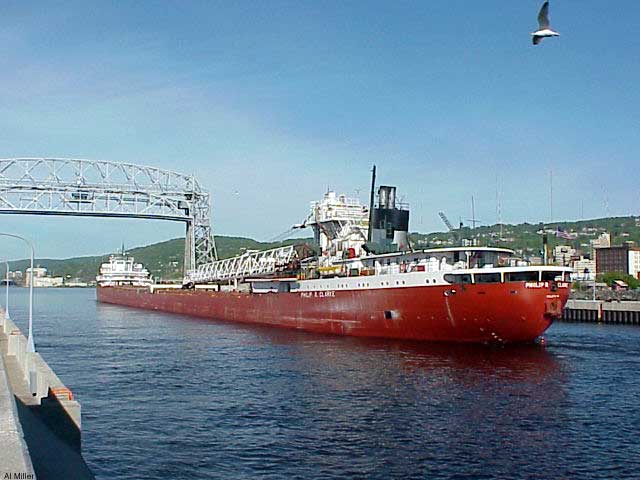
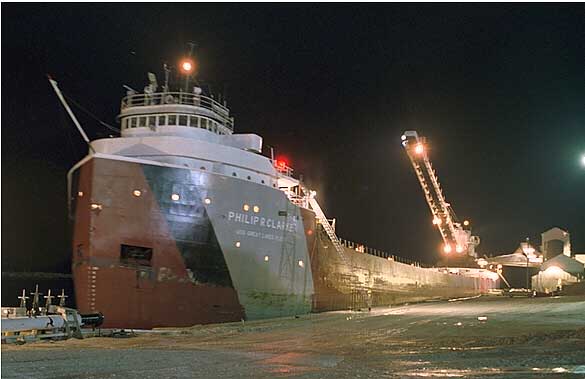
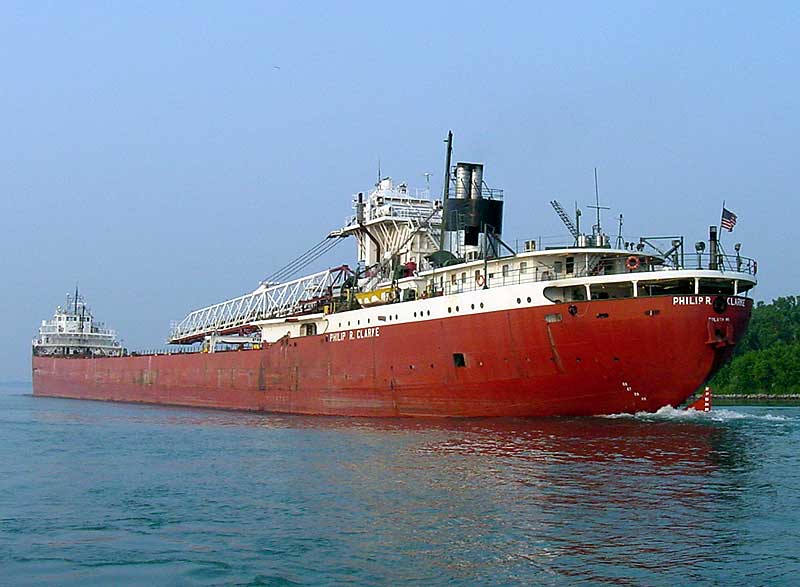
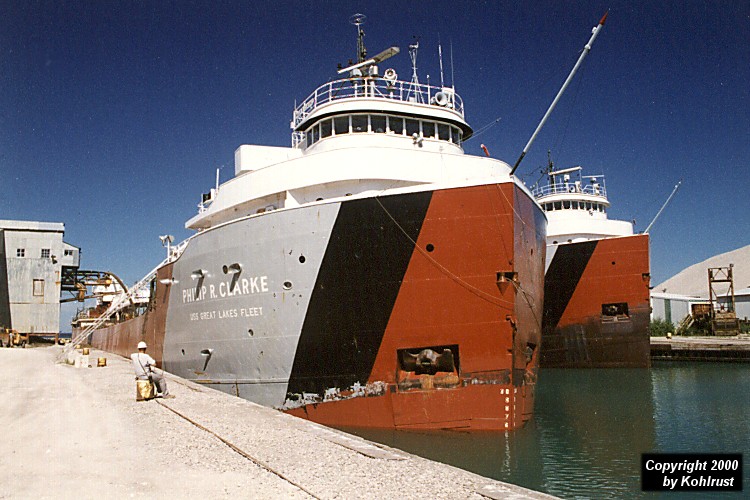
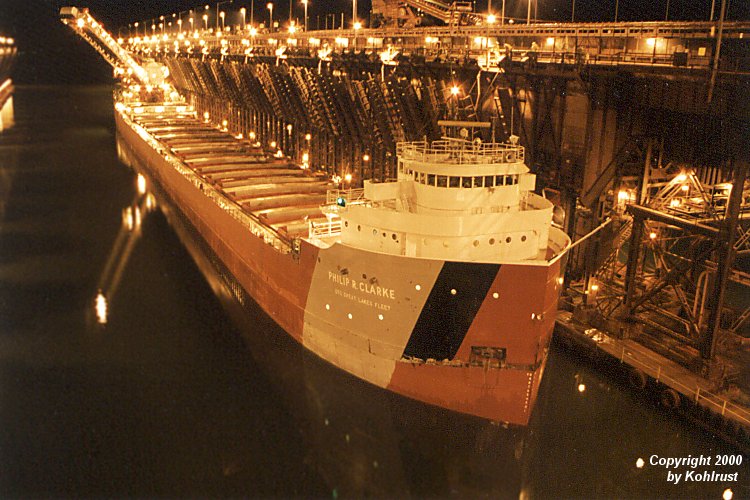
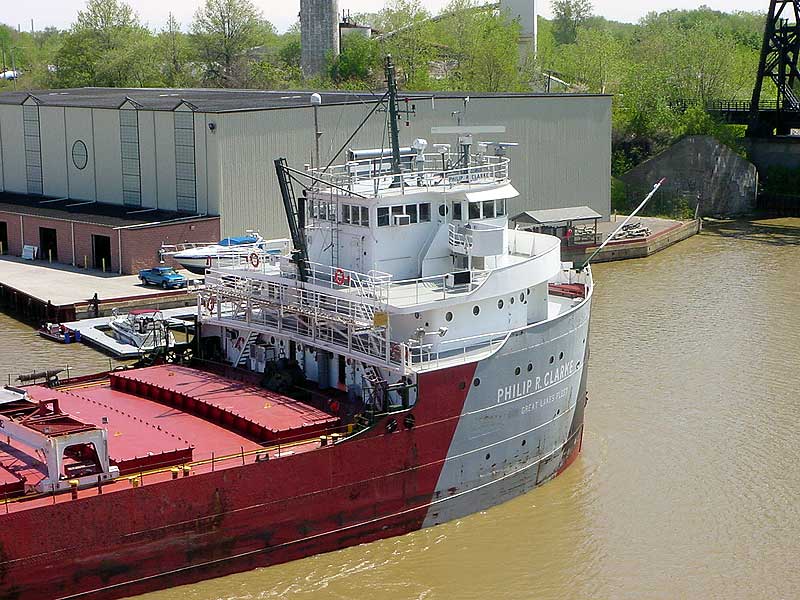
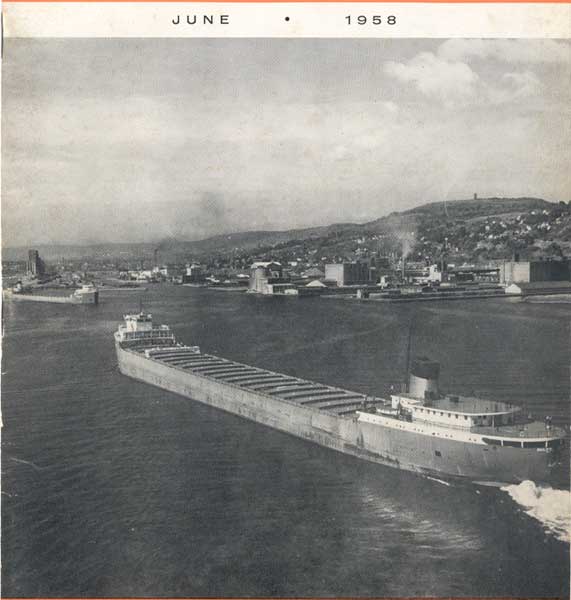
The steamer Philip R. Clarke was the first of three AAA class vessels built for the Pittsburgh Steamship Company in the early 1950s. The vessel namesake is Mr. Philip Ream Clarke. Mr. Clarke was a lifelong banker and served on the Board of Directors of United States Steel Corporation. Described as a charitable man, Mr. Clarke was honored when the ship was christened. Built as a straight deck (no self unloading gear), traditional style lake carrier, the Clarke has the pilothouse forward at the bow and the stack and propulsion aft. This style of laker required the use of shore side “Hullets” for unloading. Built by the American Ship Building Company as hull #867, the Philip R. Clarke was launched on a cold blistery November day in 1951. She was commissioned on May 15, 1952 and shortly thereafter set out on her maiden voyage to Duluth to load iron ore bound for Conneaut.
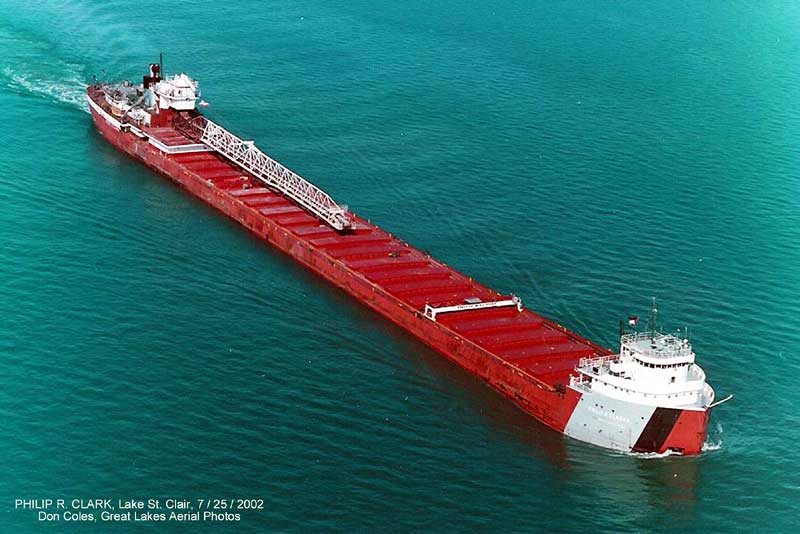
Her original length was 647 feet long, 70 feet wide and a depth of 36 feet with a load capacity of 20,300 tons of cargo. Powered by a 7,000 horsepower turbine, the Clarke was able to operate on the lakes at 16 mph fully loaded. At the time of her launch the Clarke represented the most modern freighter in design and accommodations. All crewmember living spaces are insulated and the ceilings are fireproofed. Her two-person staterooms have private washrooms and showers. Mechanical ventilation and steam heat is present throughout the vessel. Off duty time was spent in the recreation room that was equipped with a TV.
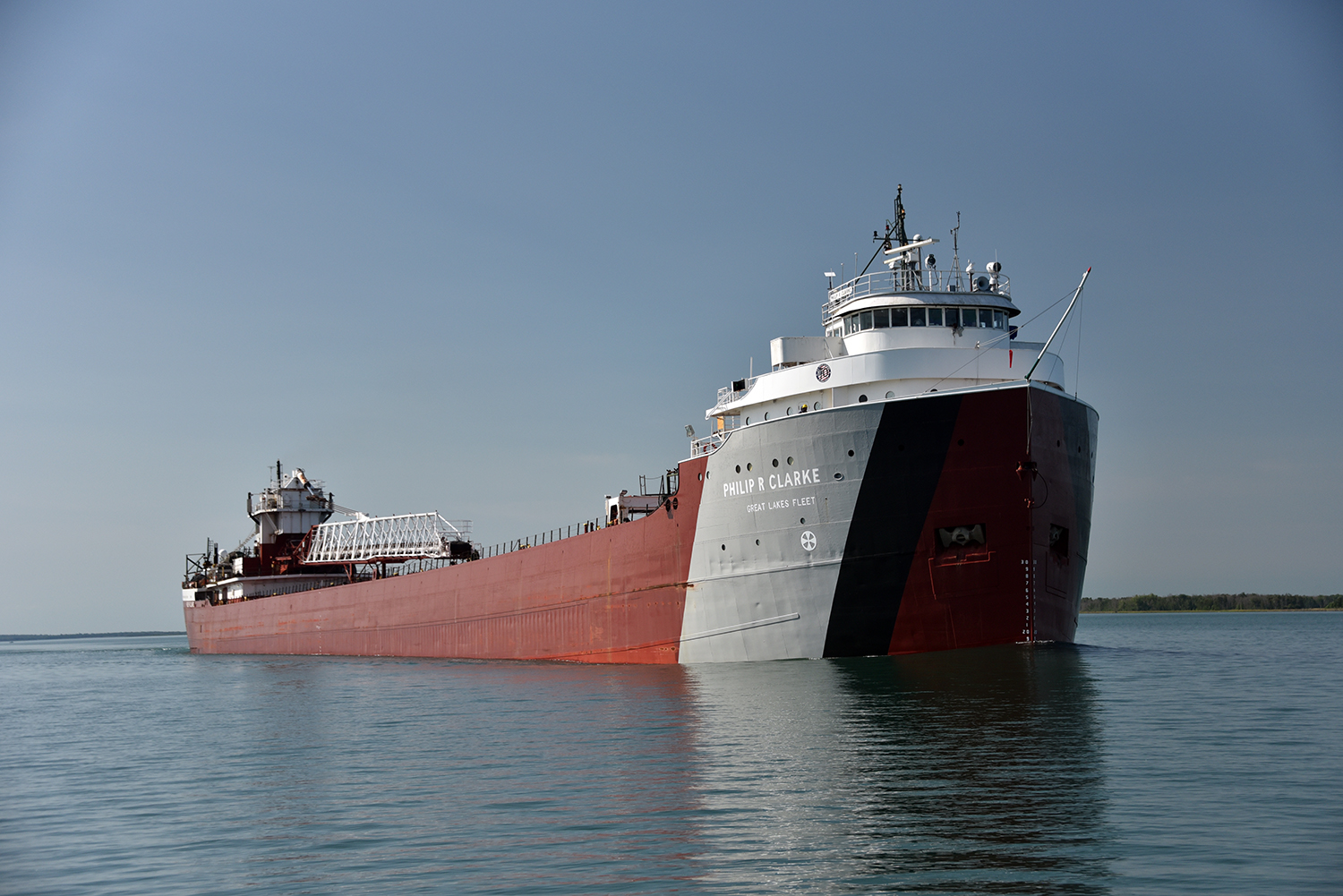
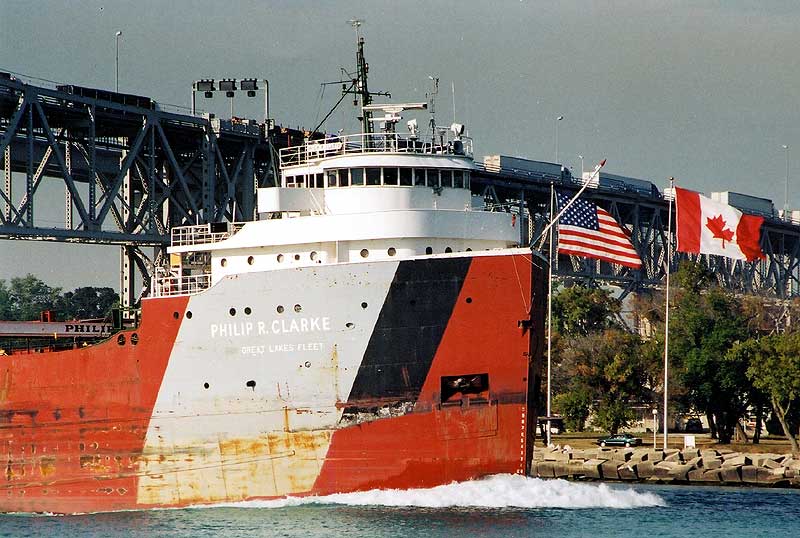
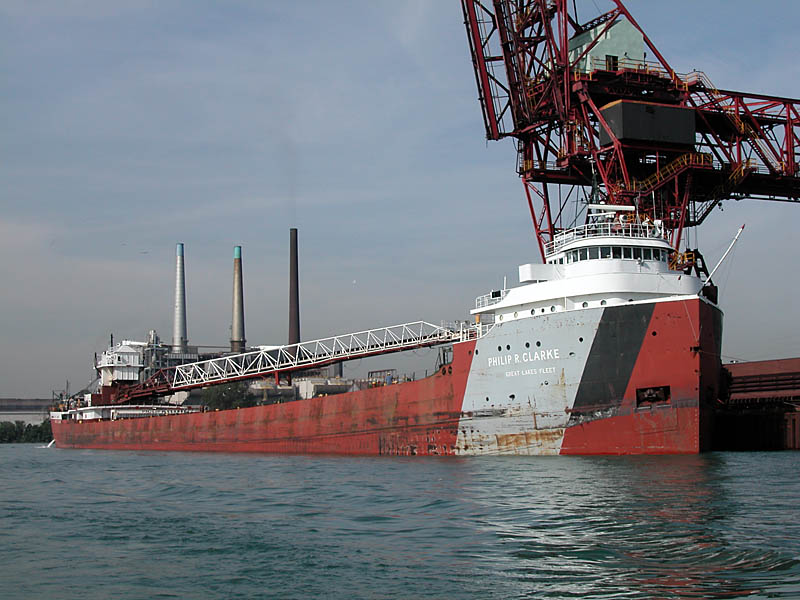
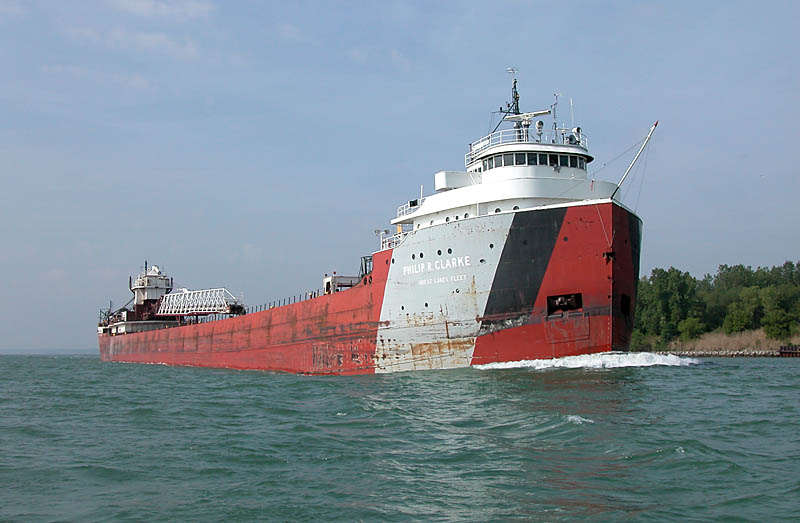
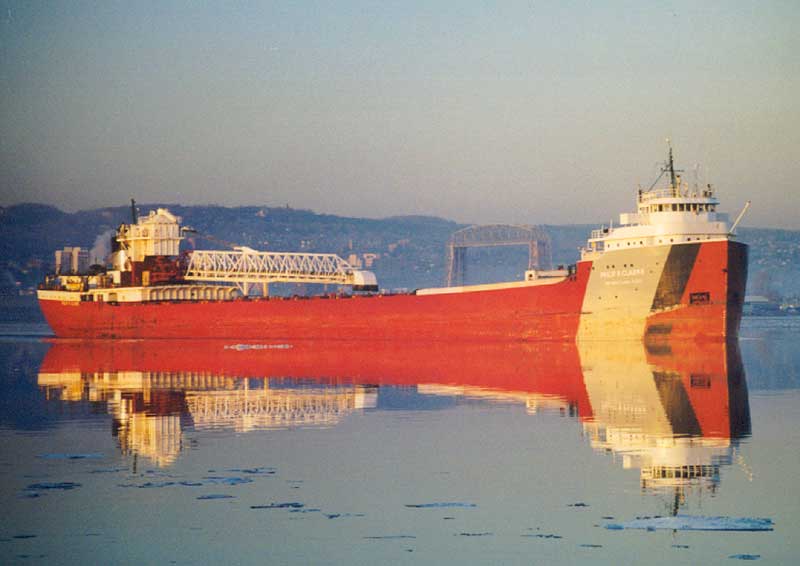
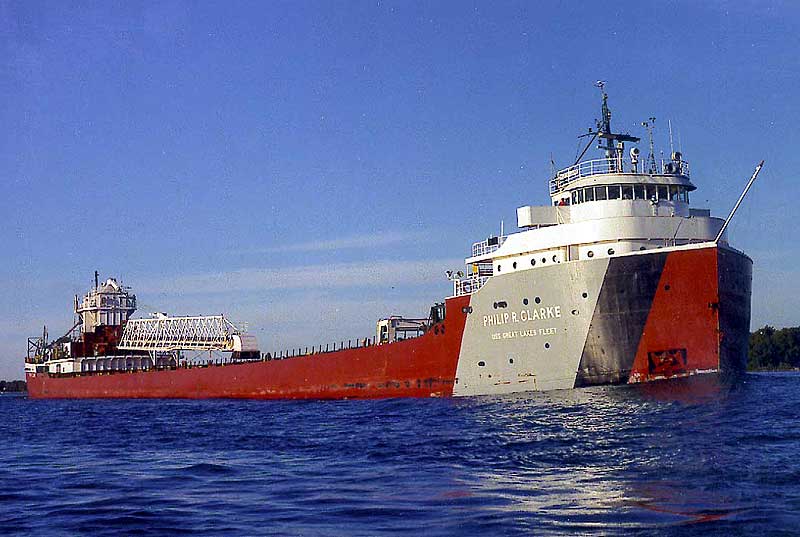
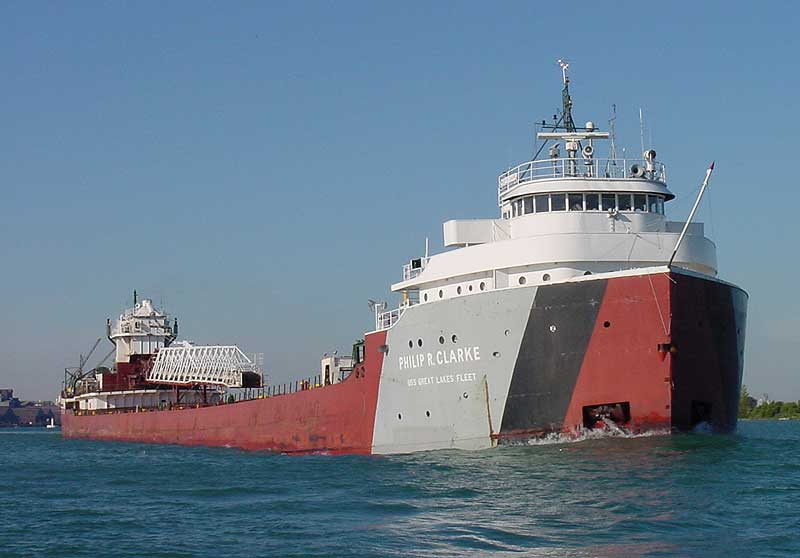
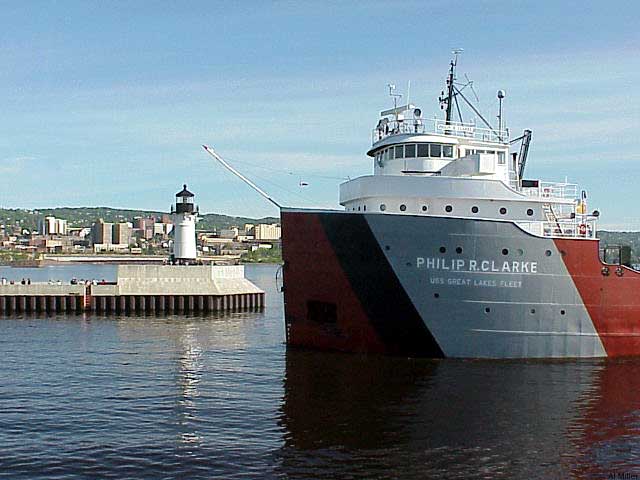
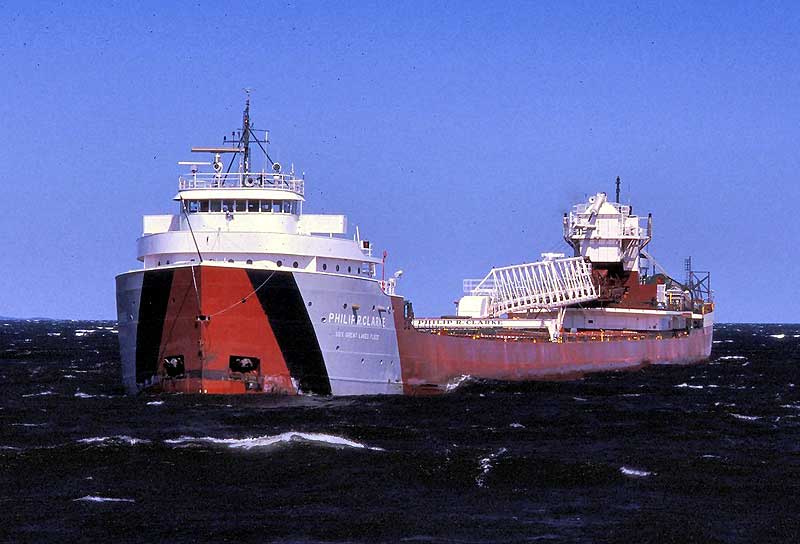
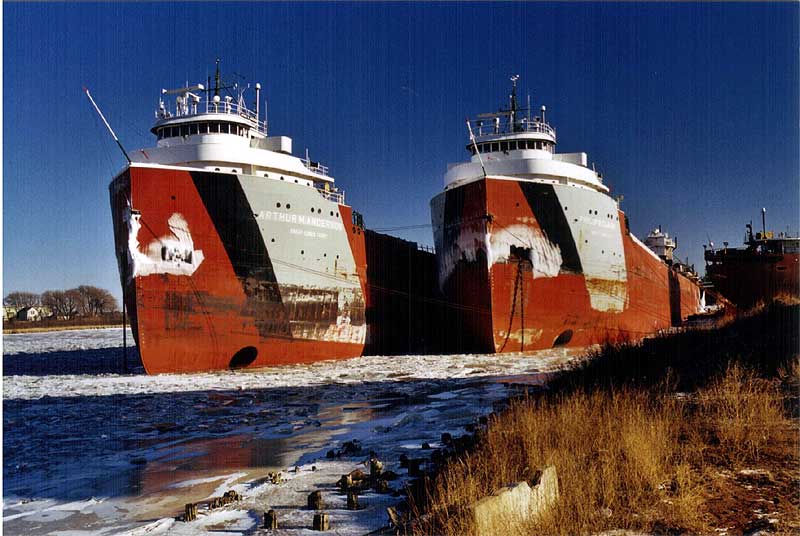
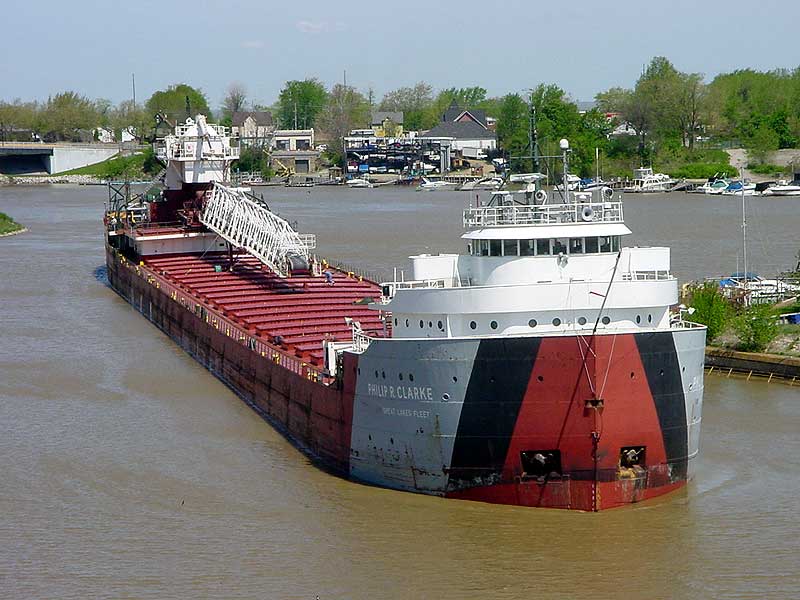
During the winter 1974-75 lay-up she and her sister ships, (Arthur M. Anderson and Cason J. Callaway), had 120-foot sections added at the Fraser Shipyards thus increasing their lengths to 767 feet. For better maneuverability, the American Ship Building Company added a bowthruster the winter of 1965-66. Sternthrusters were installed in the winter of 1988 at Fraser Shipyards. Her most noticeable change came during a 1990 face-lift. While in lay-up the USSGLF colors, red hull with black and gray stripes, were painted on her bow.
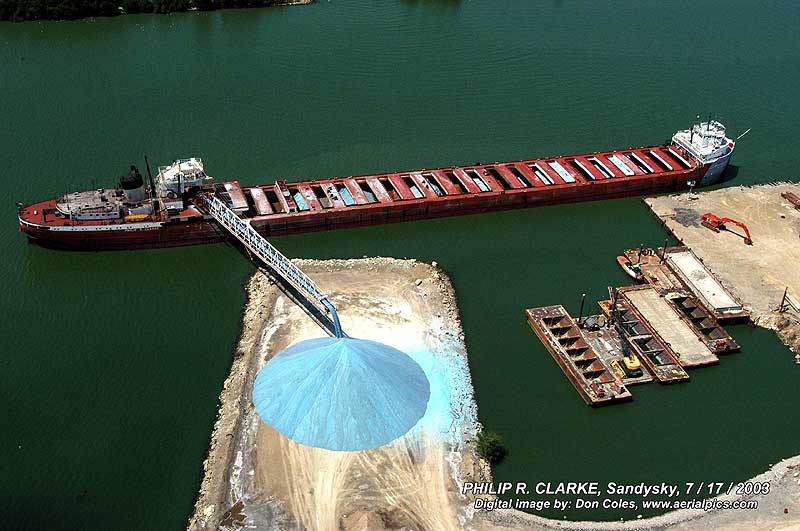
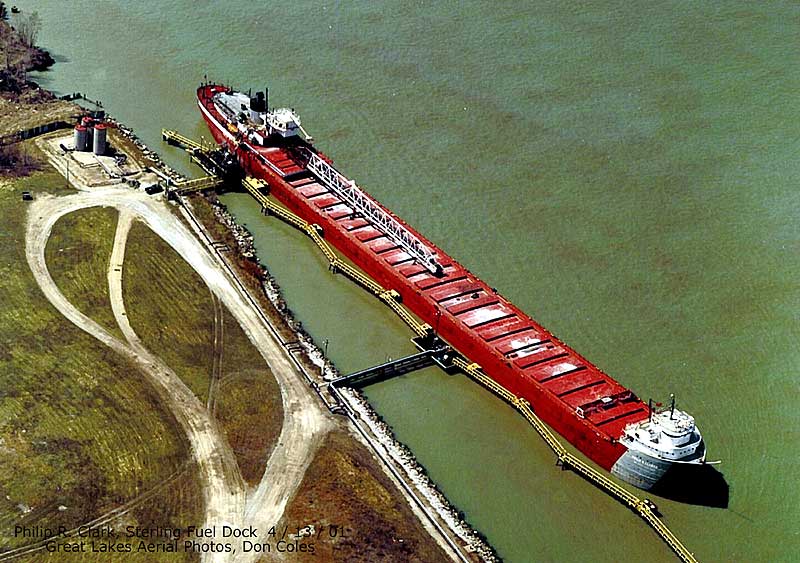
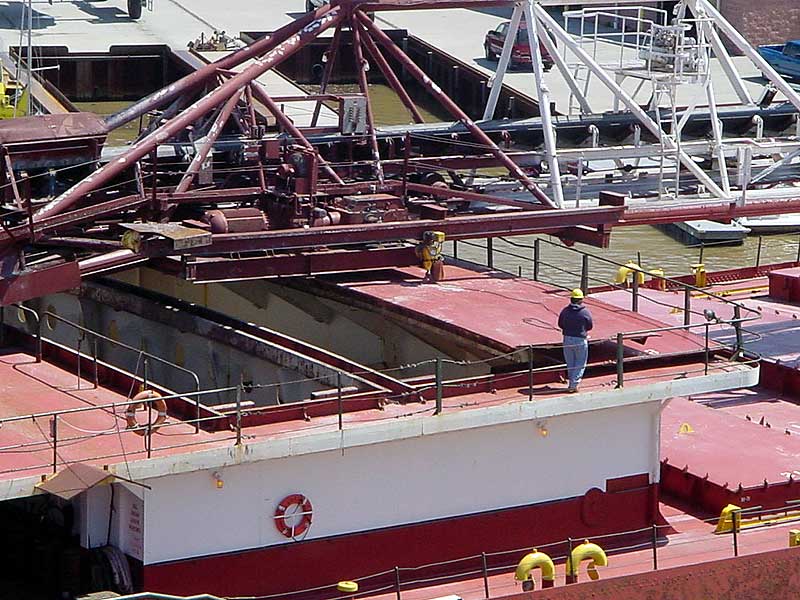
To ensure many more years of service and make her more competitive, she was back in the Fraser shipyards in the winter of 1981-82 for conversion to a self-unloader. The Clarke was outfitted with a topside self-unloading 262-foot boom deck and cargo hold belt conveying system. The boom has a maximum rotation of 90 degrees for offloading. At a discharge rate of 6,700 tons per hour from her seven cargo holds, a job that once took 17 hours now is completed in a brief 6 hours.
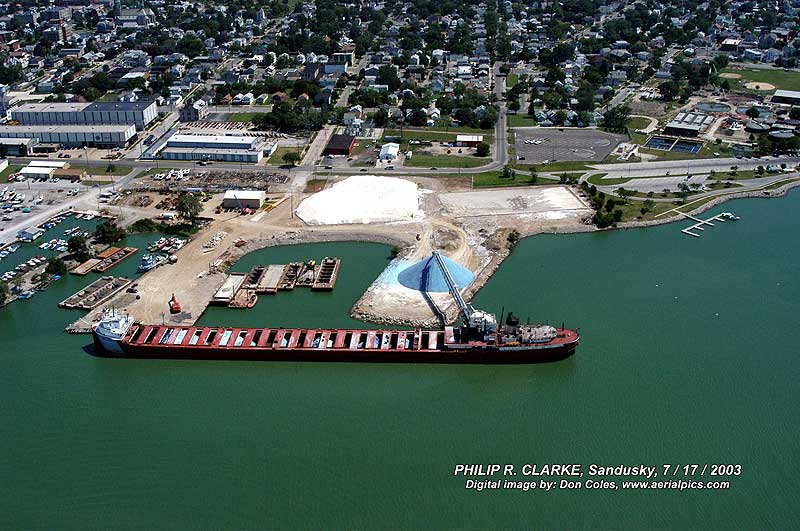
Throughout her career she’s had her share of notoriety. During the 1997-shipping season, her crew of 28 set a Great Lakes cargo record when she was loaded with 26,621 tons of salt at Fairport Harbor, Ohio bound for Buffalo, New York. On a downbound run from Two Harbors to Conneaut she had the prestige of being the first commercial vessel to use the new Poe Lock in Sault St. Marie. In March of 1995 she was the first loaded down bound vessel at the Soo and the last down bound loaded ship in January of 1996 to close out the season. The bizarre happened in August of 1983. Experiencing strong winds in Duluth harbor she dropped her anchor for control. As they raised the vessel starboard anchor they snagged a crushed vehicle containing two decomposing bodies. The vehicle was reported to be missing five years earlier.
Philip R. Clarke was laid up at Toledo in 2000 due to a downturn in cargoes and needed repairs. She re-entered service July 30, 2022 due in part to sidelining of fleetmate Presque Isle for engine issues.
Vessel Details
USS Great Lakes Fleet (1967-2003)