Divers Can Now Explore Historic Shipwrecks in Lake Michigan More Easily
Crews installed buoys and mooring lines to mark the locations of 19 wreck sites in the Wisconsin Shipwreck Coast National Marine Sanctuary
Sarah Kuta
Daily Correspondent
August 23, 2024
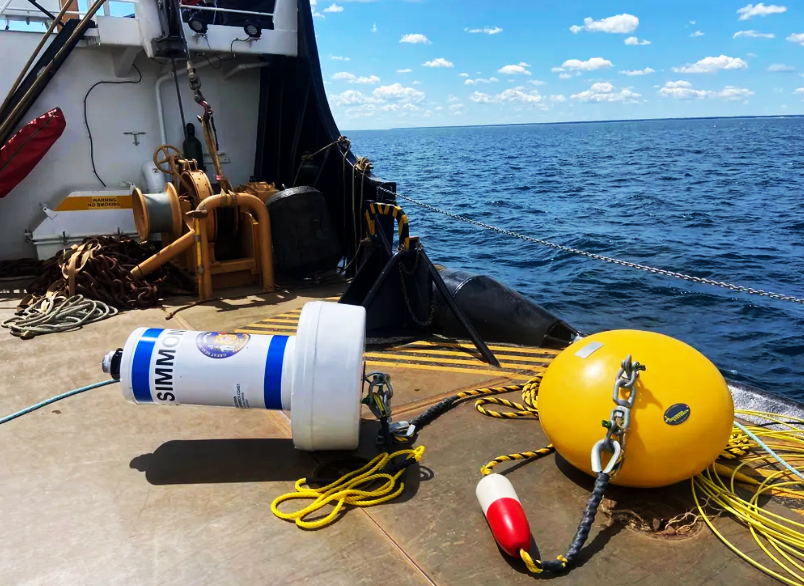
A white buoy attached to a yellow circular-shaped object next to water
The buoys and mooring lines help divers easily identify the wrecks while also giving boaters somewhere to tie up. Wisconsin Shipwreck Coast National Marine Sanctuary
Dozens of historic shipwrecks are submerged in Lake Michigan within the bounds of the Wisconsin Shipwreck Coast National Marine Sanctuary. For interested divers and snorkelers, exploring some of these wreck sites just got easier.
This month, crews installed buoys and mooring lines near 19 of the most popular shipwrecks at the protected site. The buoys mark the locations of the wrecks, allowing scuba divers to find them faster, reports the Milwaukee Journal Sentinel’s Caitlin Looby.
The buoys also help protect the wrecks from damage caused by anchors, since they give boaters a place to tie up while divers head down to explore, reports the Ozaukee Press’ Kristyn Halbig Ziehm.
“It’s an important thing to do,” Bill Moren, a member of the shipwreck advisory council, tells the Ozaukee Press. “It’s one little step to make the sanctuary more of a treasure and ensure the shipwrecks are preserved.”
The installation process began several weeks ago. On August 14, the sanctuary announced that crews had placed buoys at the last of the 19 sites.
The wrecks now marked with buoys are located between 50 and 300 feet below the surface. Four buoys were installed near shipwrecks situated in shallower waters, which makes them more accessible to kayakers and snorkelers. (Those who aren’t interested in diving can explore several of the wrecks virtually via 3D models.)
Latitude and longitude coordinates, as well as a map of all the buoys, are available on the sanctuary’s website. Most of the wrecks have surface buoys, but a few have subsurface buoys submerged at depths of 40 feet.
Thunder Bay National Marine Sanctuary, located in nearby Lake Huron, has similar buoys positioned near some of its 100 known shipwrecks.
Designated in 2021, the Wisconsin Shipwreck Coast National Marine Sanctuary is one of the newest marine sanctuaries in the country. (In June, the Biden administration created the Lake Ontario National Marine Sanctuary in New York, bringing the total number to 16.)
The Wisconsin sanctuary encompasses 962 square miles of Lake Michigan and touches the counties of Kewaunee, Manitowoc, Sheboygan and Ozaukee. The state of Wisconsin co-manages the site with the National Oceanic and Atmospheric Administration (NOAA).
The sanctuary protects 36 known shipwrecks that sank between 1830 and 1930. But an estimated 60 additional shipwrecks may also be hiding at the bottom of the lake within its boundaries—and researchers are actively searching for them.
Scientists have also mapped the lakebed of the entire sanctuary, and they’re holding educational outreach events with local teachers and students.
Within the Great Lakes more broadly, an estimated 6,000 shipwrecks are resting at the bottom of Lake Michigan, Superior, Erie, Huron and Ontario. Historians and underwater archaeologists continue to search for and identify previously undiscovered wrecks.
Just last month, researchers announced that they had located the Margaret A. Muir, a 130-foot schooner that sank in Lake Michigan in September 1893 with the captain’s dog onboard.
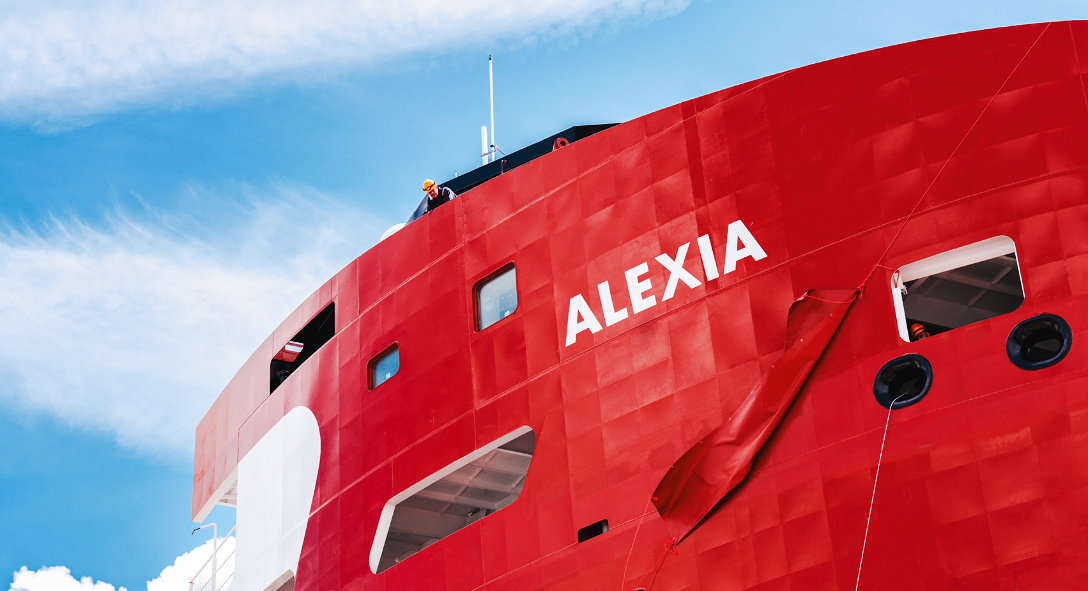
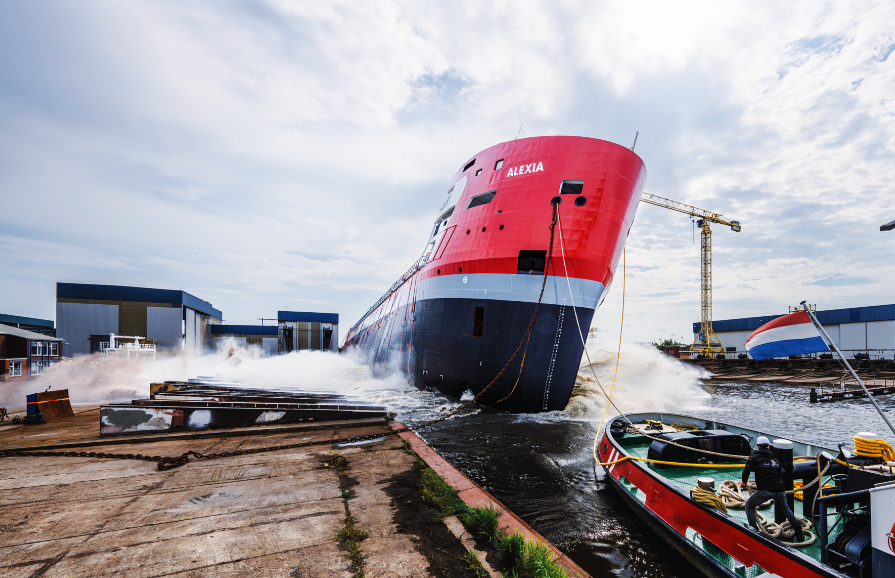
EasyMax 4 ‘Alexia’ launched successfully at shipyard Niestern Sander
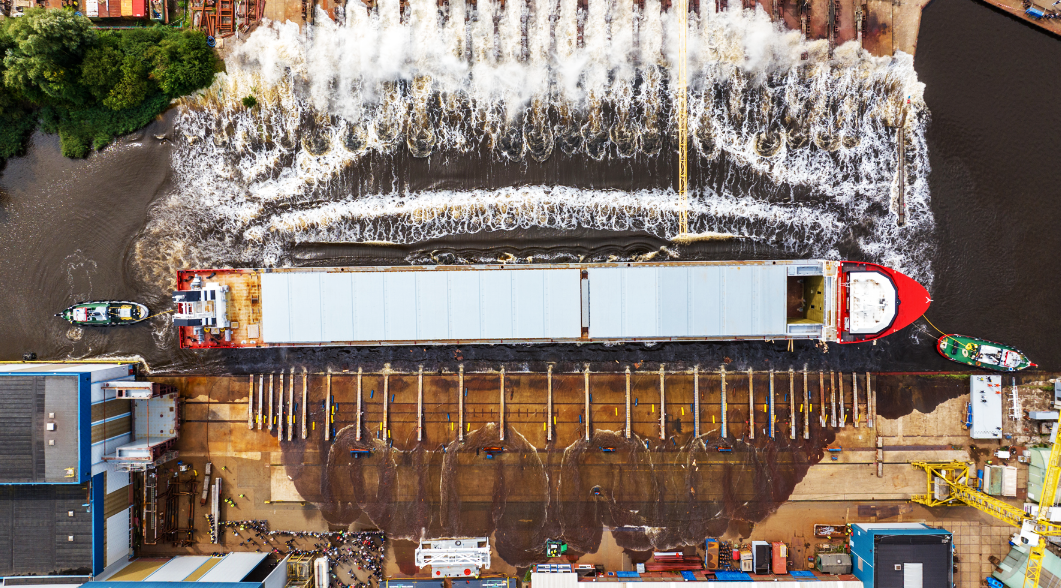
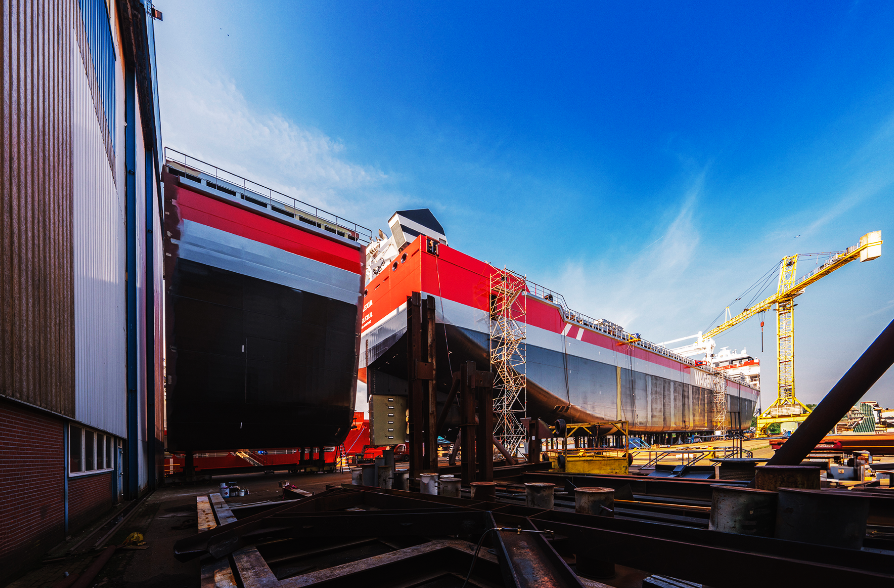
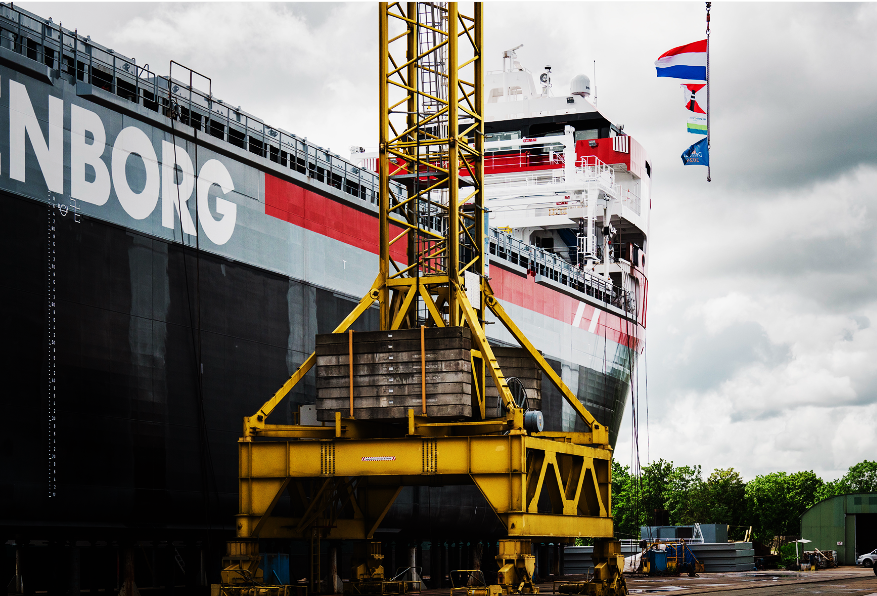
Today, the m.v. Alexia was launched successfully at shipyard Royal Niestern Sander. This new building is the successor of the award-winning Egbert Wagenborg and her sisters Máxima and Amalia. The m.v. Alexia type is the fourth vessel in the EasyMax series in our fleet according to our new energy efficiency targets.
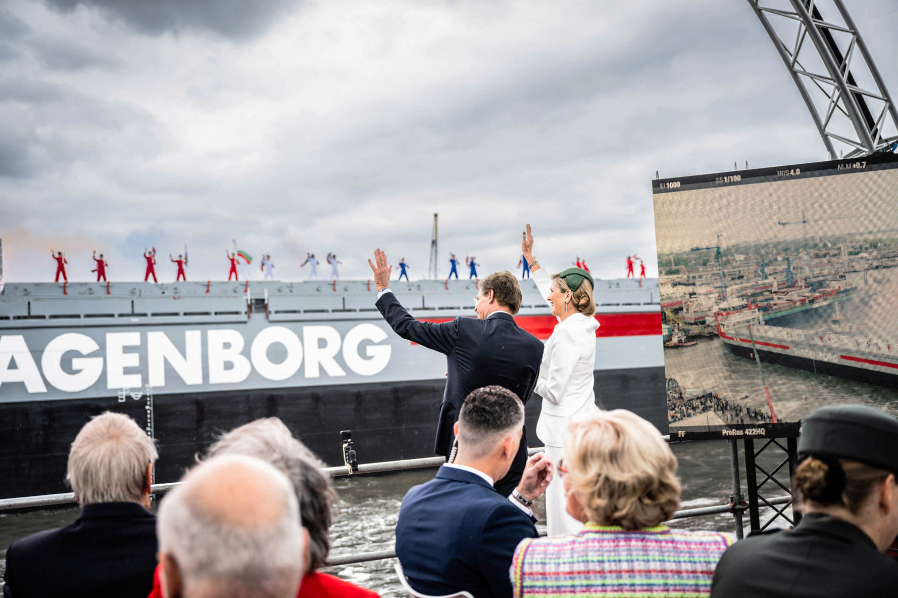
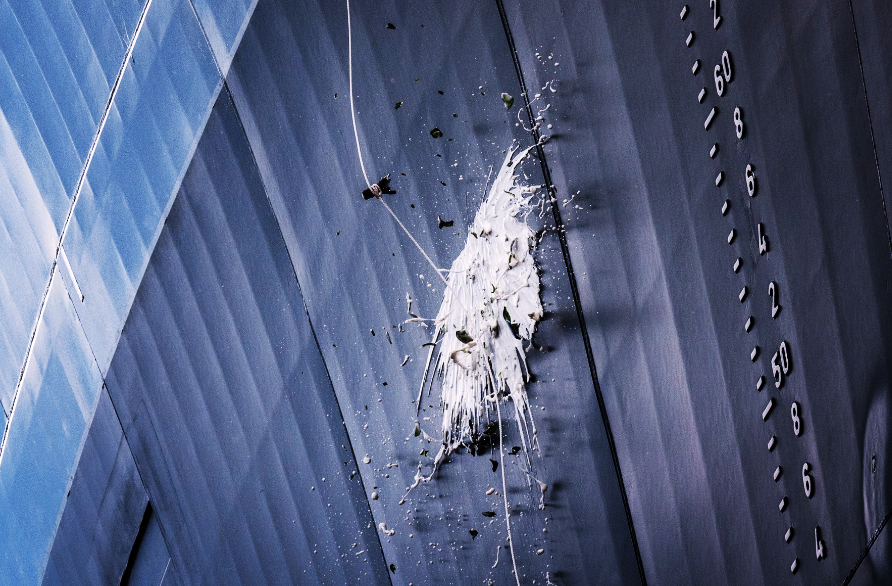
The m.v. Alexia was christened during Delfsail by Her Majesty Queen Máxima in presence of 2.000 employees and guests. For this ceremony, Queen Máxima performed the world’s first name giving and christening ceremony by drone. By pushing a button this drone flew to shipyard Niestern Sander a mile ahead, where this EasyMax vessel was nearing completion and christened yard number 853 ‘Alexia’.
Launching a new vessel is always a special moment. And special moments you share with your loved ones. That is why we invited many colleagues, family, friends, customers, suppliers and others to the launch of the EasyMax 4. Via a live stream many visitors from over the world witnessed this spectacular event.
Greenest multipurpose vessel
With a cargo capacity of more than 14.000 tonnes and a hold capacity of 625.000 cbft, Wagenborg was able to build a relatively large vessel without a major increase in overall dimensions. With an installed power of less than 3.000 kW, this ship has extremely low fuel consumption and due to her design, she has an excellent sea keeping performance. Our focus on Energy Efficiency resulted in over 60% savings in CO2- emissions compared to her peer group. We are proud the EasyMax is by far the greenest multipurpose vessel in her class, resulting in an undisputed CII (Carbon Intensity Indicator) A-rating. The CII is a measure for a ship’s energy efficiency and is given in grams of CO2 emitted per cargo-carrying capacity and nautical mile.
In the upcoming weeks the EasyMax 4 will be commissioned followed by sea trials by the end of this year. The vessel is expected to be delivered to Wagenborg by the end of Q3 2024.
National Museum of the Great Lakes Second
Wave Capital Campaign Nears Completion
Toledo, OH – The National Museum of the Great Lakes is entering a new chapter as its Second Wave expansion project progresses. With the foundation set and structural build underway, the museum is reaching out to the community for a final push of support. Now is your chance to contribute to the future legacy of this historic institution.
The Second Wave expansion will add 5,000 square feet of new space, allowing the museum to showcase traveling Smithsonian exhibits, introduce new permanent exhibits, and create dedicated spaces for community education.
“By supporting this campaign, donors are actively preserving Great Lakes history, fueling ongoing education, revitalizing our neighborhood, and boosting the economic vitality of our region,” said Kate Fineske, Executive Director of the National Museum of the Great Lakes.
Donations can be made online at nmgl.org/thesecondwave or by calling the museum at 419-214-5000. Contributions of all sizes are welcome, and donors will receive exclusive Second Wave thank you gifts as a token of appreciation. Donors contributing more than $500 will also be recognized on our donor wall.
“This is the moment to make a lasting impact on our museum and the communities we serve,” said Sara Smith, the Museum’s Director of Institutional Advancement. As we conclude our public campaign, join in this effort and ensure the National Museum of the Great Lakes remains a beacon of pride and inspiration for generations to come. For more information or to make a donation,
The National Museum of the Great Lakes
Detroit’s Detroit River Cruise tickets now on sale to public
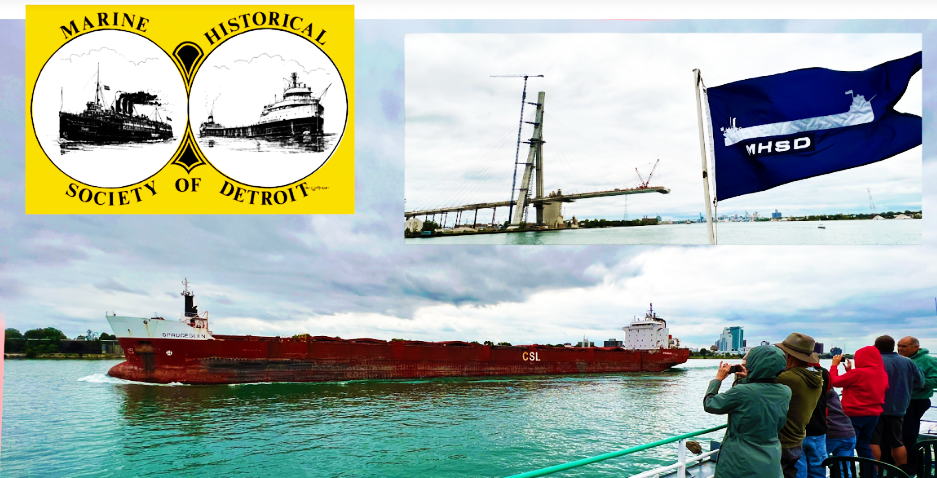
Ticket sales for the annual Marine Historical Society of Detroit’s Detroit River Cruise, scheduled for Saturday, September 7, from 1-4 p.m. aboard the the Diamond Jack River Tours boat DIAMOND QUEEN, are now open to the public.
Passengers will have the opportunity to photograph vessels and historic sites along the Detroit River and enjoy a narration by local history expert Ken Borg. The number of passengers will be limited to 100 so there will be lots of room to move about the boat. Tickets are now on sale at MHSD.org. Or pay by check to the Marine Historical Society of Detroit for $28.50 and mailed to MHSD Cruise,1020 Iroquois, Detroit, MI, 48214. If there are any tickets left the day of sailing, they will be sold at the dock for $30.
Marine Historical Society of Detroit