From Iconic Ocean Liner to Artificial Reef: SS United States to Set Sail on Final Journey
November 8, 2024
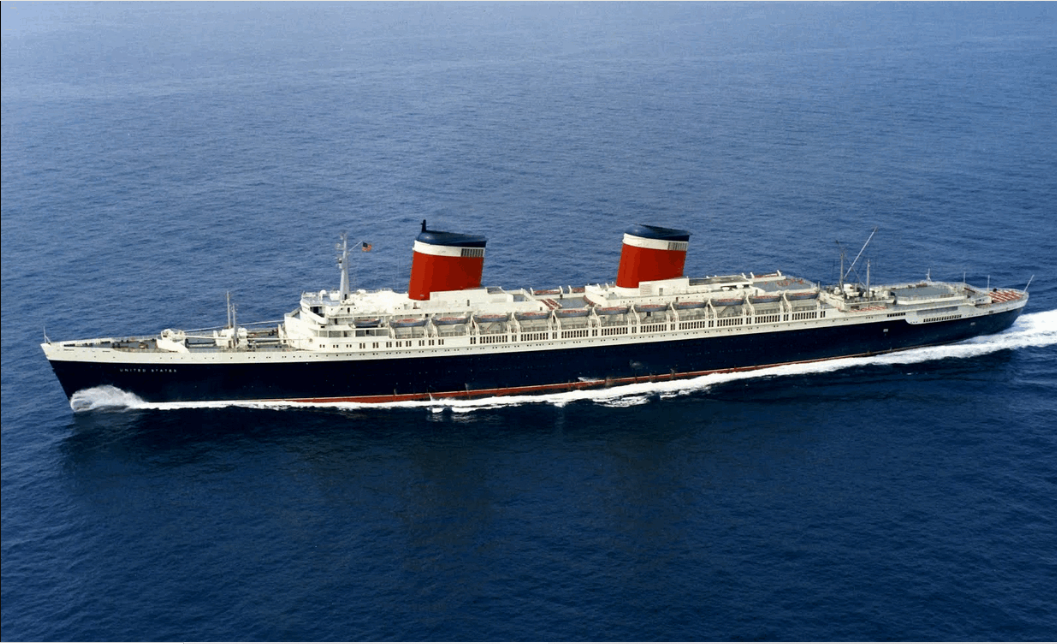
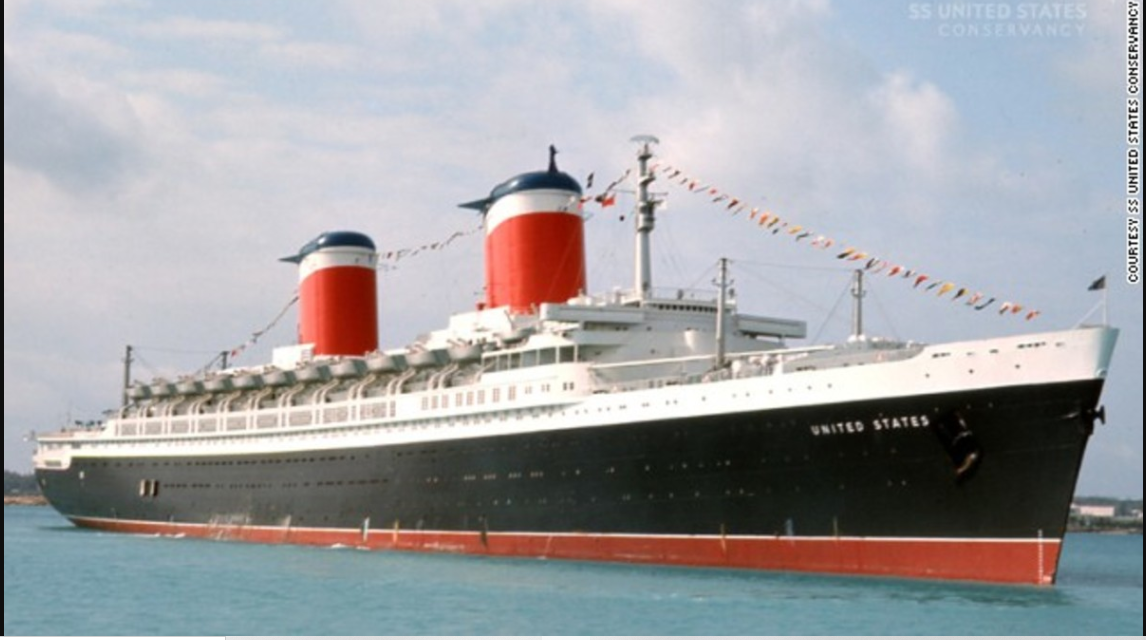
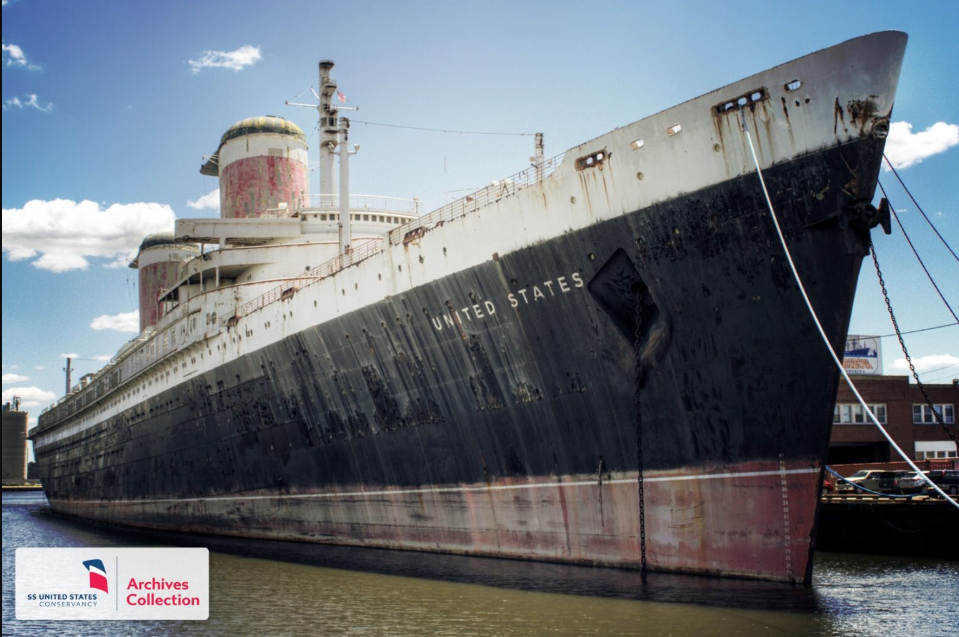
The iconic SS United States, once the pride of America’s maritime fleet, is embarking on its final voyage – not across the Atlantic, but towards a new life as the world’s largest artificial reef off the coast of Florida.
The ship’s final journey is set to begin on November 14th, with tugs positioning themselves next to the ship in preparation for high tide. The following day, the SS United States will be towed down the Delaware River, passing under several bridges that will be temporarily closed. The approximately 14-day journey to Mobile, Alabama, will take the ship relatively close to shore to avoid ocean currents that could delay the tow and burn excessive fuel.
Last month, the SS United States Conservancy formally transferred the title of the historic ocean liner to Okaloosa County, Florida, following a prolonged legal dispute with the ship’s pier landlord that ended with a court-ordered settlement requiring the vessel to vacate its Philadelphia berth.
“Converting the world’s fastest ship into the world’s largest artificial reef will write a new chapter for the SS United States as a world-class destination,” said Susan Gibbs, President of the SS United States Conservancy. This decision came after numerous unsuccessful attempts to find a viable option for preserving the ship in its current form.
The $10.1 million project marks a significant turning point in the ship’s storied legacy, offering an innovative solution for preserving the vessel that has been docked in Philadelphia since 1996.
The SS United States, launched in 1951, holds a special place in maritime history. It still holds the transatlantic speed record and has a rich history of transporting presidents, celebrities, and immigrants. During the Cold War, it was designed as a convertible troop carrier capable of transporting 14,000 troops 10,000 miles without refueling.
Once in Mobile Bay, the ship will undergo extensive environmental remediation, expected to take about 12 months. Following this, it will take an additional six months to a year for deployment as an artificial reef off the coast of Destin-Fort Walton Beach.
From The SS United States Conservancy
America’s Flagship
The American public enthusiastically embraced the SS United States, which became known as “America’s Flagship.” Throughout the 1950s, people from around the world booked accommodation on the world’s fastest ship. Familiar names of the day, including Bob Hope, Princess Grace of Monaco, Salvadore Dali, Rita Hayworth, Harry Truman, the Duke and Duchess of Windsor, and Duke Ellington headlined the ship’s passenger lists. For those far inland or disinclined to travel, the United States came to them through news reports and even the cinema: the ship became a ocean-going movie set for feature films such as Walt Disney’s Bon Voyage!, Gentlemen Marry Brunettes, and Munster, Go Home!
Even after the introduction of the commercial jet liner in 1958, the ship operated at capacity during the summer high season, but as the 1960s dawned, financial trouble loomed on the horizon. The United States Lines frequently endured both labor disputes and annual wrangling with the federal government over operating subsidies. The industry itself was subjected to a rapid shift in the way people chose to travel: what air travel lacked in comfort it made up for in speed and fuel economy in an era when oil costs were beginning to skyrocket.
The 1960s proved to be a decade of loss for the United States, symbolically as well as financially. She lost her original running mate in 1964, when the America was sold to foreign interests. Four years later, her main competitors, the Queen Mary and Queen Elizabeth were gone as well. Although a new generation of liners, particularly the France and Cunard’s Queen Elizabeth 2 were introduced, they both spent a good part of the year on cruise duty, a role for which the United States was ill-equipped. The biggest blow came in 1967, with the death of William Francis Gibbs. His favorite ship, on which he had labored for nearly half his life, only sailed for another two years. In November of 1969, while undergoing her annual overhaul at Newport News, she was abruptly and permanently withdrawn from service.
Note:
This ship could run at 33 Knots And cross the ocean in 3 Days and I believe her records still hold today.