1876
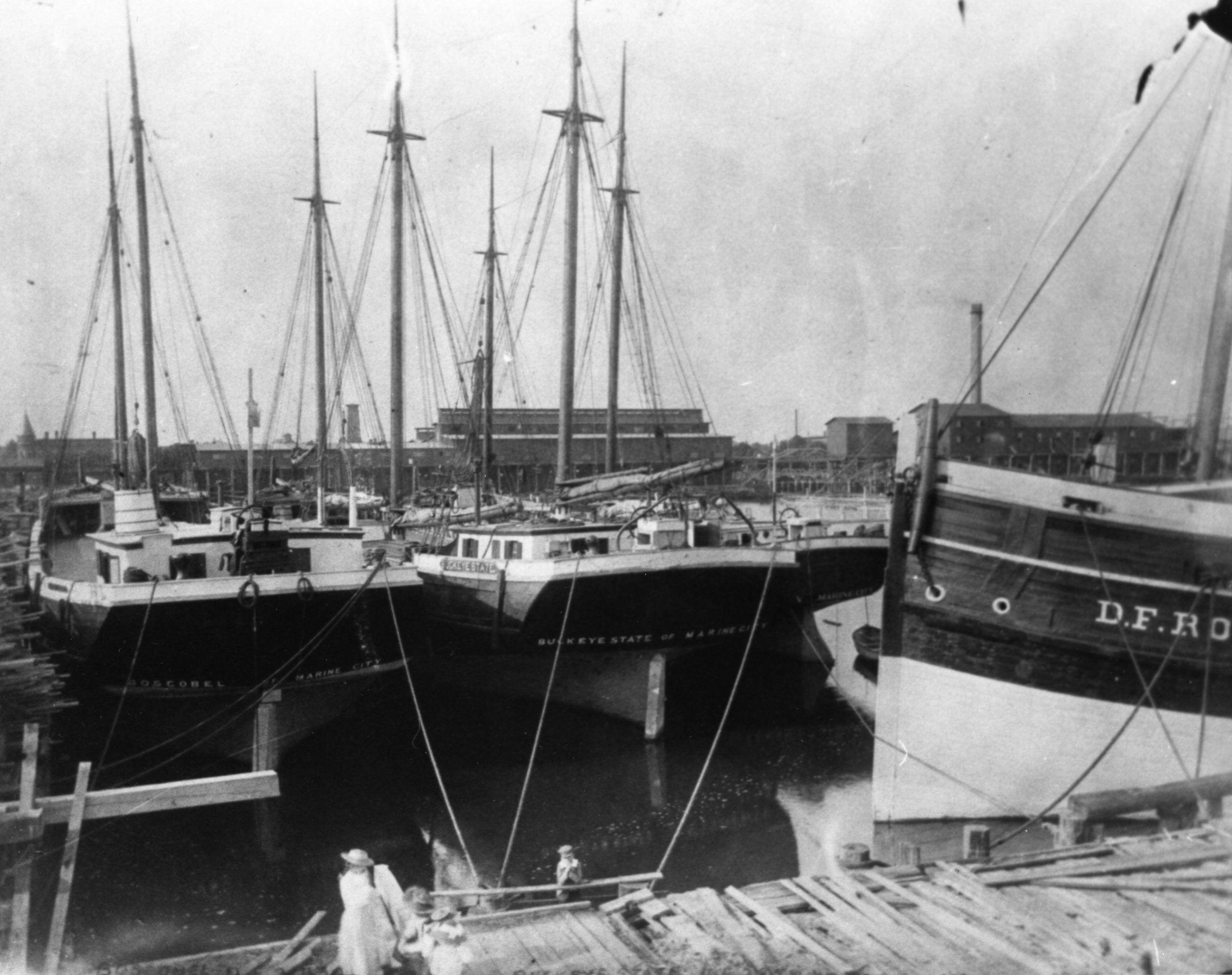
1876: The rebuilt BOSCOBEL was launched at the Peshtigo Company yard at Algonac, Michigan. Originally built in 1867 as a passenger-package freight propeller vessel, she burned and sank near Ft. Gratiot in 1869. The wreck was raised, but no work was done until January 1876, when she was completely rebuilt as a schooner-barge at Algonac. She sank again in the ice on Lake Erie in 1895 and was again raised and rebuilt. She lasted until 1909 when she sank in the middle of Lake Huron during a storm.
1876: The Port Huron Weekly Times listed the following vessels as being idle at Marine City, Michigan: steam barges BAY CITY, D.W. POWERS and GERMANIA; steamer GLADYS; schooners TAILOR and C. SPADEMAN; and barges MARINE CITY and ST. JOSEPH.
1876: The Detroit Tribune reported that “the captain of a well-known Oswego vessel, on his last trip to Oswego, found that the receipts of the trip exceeded the expenses in the neighborhood of $250, and stowed $210 of the amount away in a drawer of his desk on the schooner. The money remained there some days before the captain felt the necessity of using a portion of it, and when he opened the drawer to take out the required amount, he found that a family of mice had filed a pre-emption claim and domiciled themselves within the recess, using the greenbacks with the utmost freedom to render their newly chosen quarters absolutely comfortable. A package containing $60 was gnawed into scraps the size of the tip of the little finger, while only enough of the larger package containing $150 remained to enable the astonished seaman to determine the numbers of the bills so that the money can be refunded to him by the United States Treasury Department. The captain made an affidavit of the facts and forwarded it and the remnants of the greenbacks to Washington with the view of recovering the full value of the money destroyed. He is now on the way to Oswego with his vessel, and no doubt frequently ruminates over the adage, “The best-laid schemes of mice and men…”
1941
1941: The first COLLINGDOC was inbound with coal for the Thames River when it struck a mine off Southend, England, and sank. There were at least two casualties. The hull was later refloated and sunk along with another ship, believed to be the PONTO, as part of the Churchill Barriers off Scapa Flow in the northern United Kingdom. In time, sand has blown in and covered much of the hull, with only the cement-encased pilothouse visible at the last report.
1974
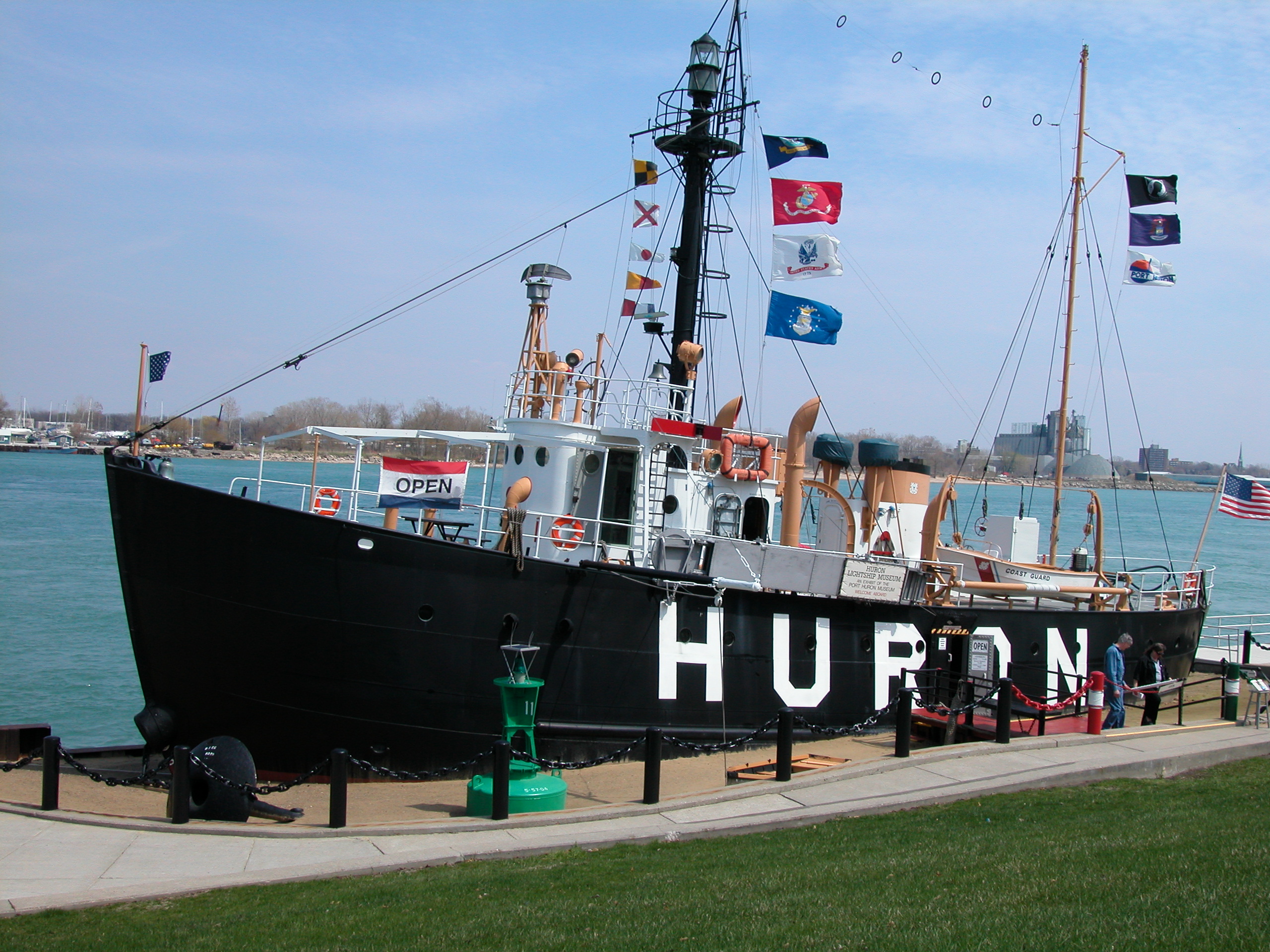
1974: The LIGHTSHIP 103 (HURON) was opened to visitors at the city’s Pine Grove Park along the St. Clair River.
1978
1978: OLAU GORM, best remembered as one of four freighters that had to spend the winter of 1964–1965 on the Great Lakes due to ice closing the Seaway, ran aground as f) FAST BREEZE in the Red Sea. The ship was en route from Piraeus, Greece, to Gizan, Saudi Arabia, and was refloated with severe damage on July 16. It was soon sold to Pakistani shipbreakers and was broken up at Gadani Beach in 1979.
1982
1982: Algoma’s straight-deck bulk freighter ALGOWEST was christened at Collingwood. She was converted to a self-unloader in 1998 and renamed b.) PETER R. CRESSWELL in 2001. The vessel was scrapped in Turkey in 2016.
1983
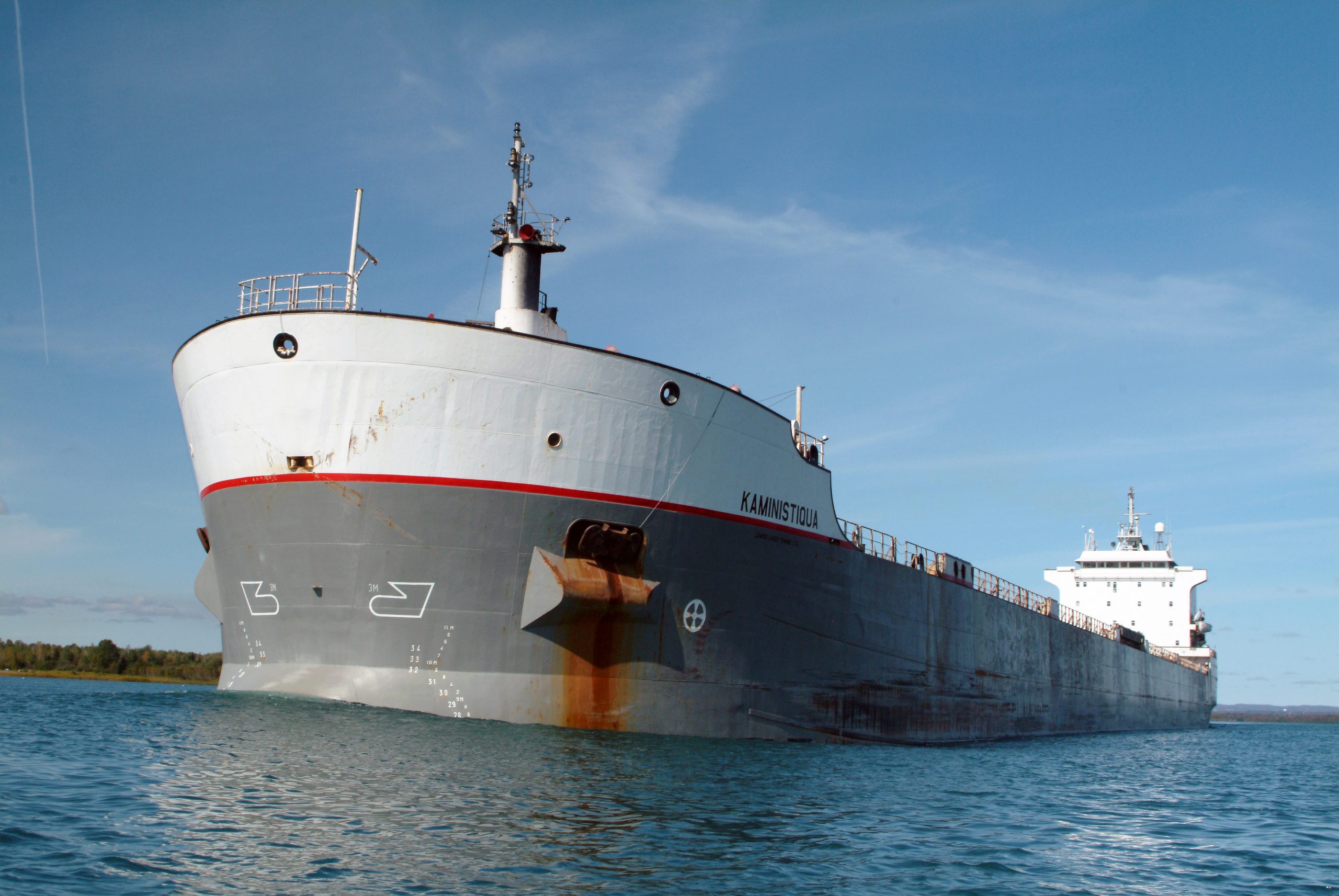
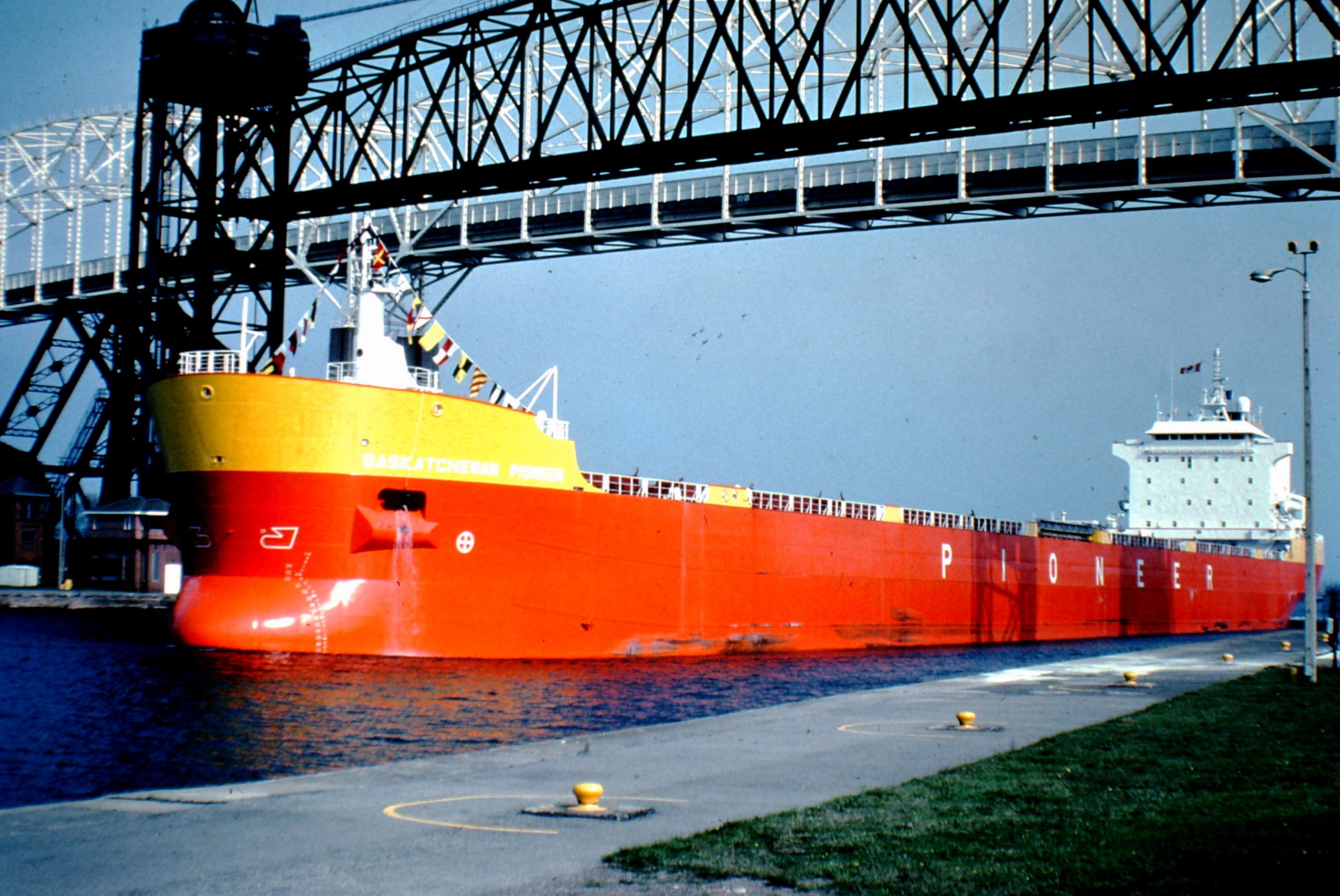
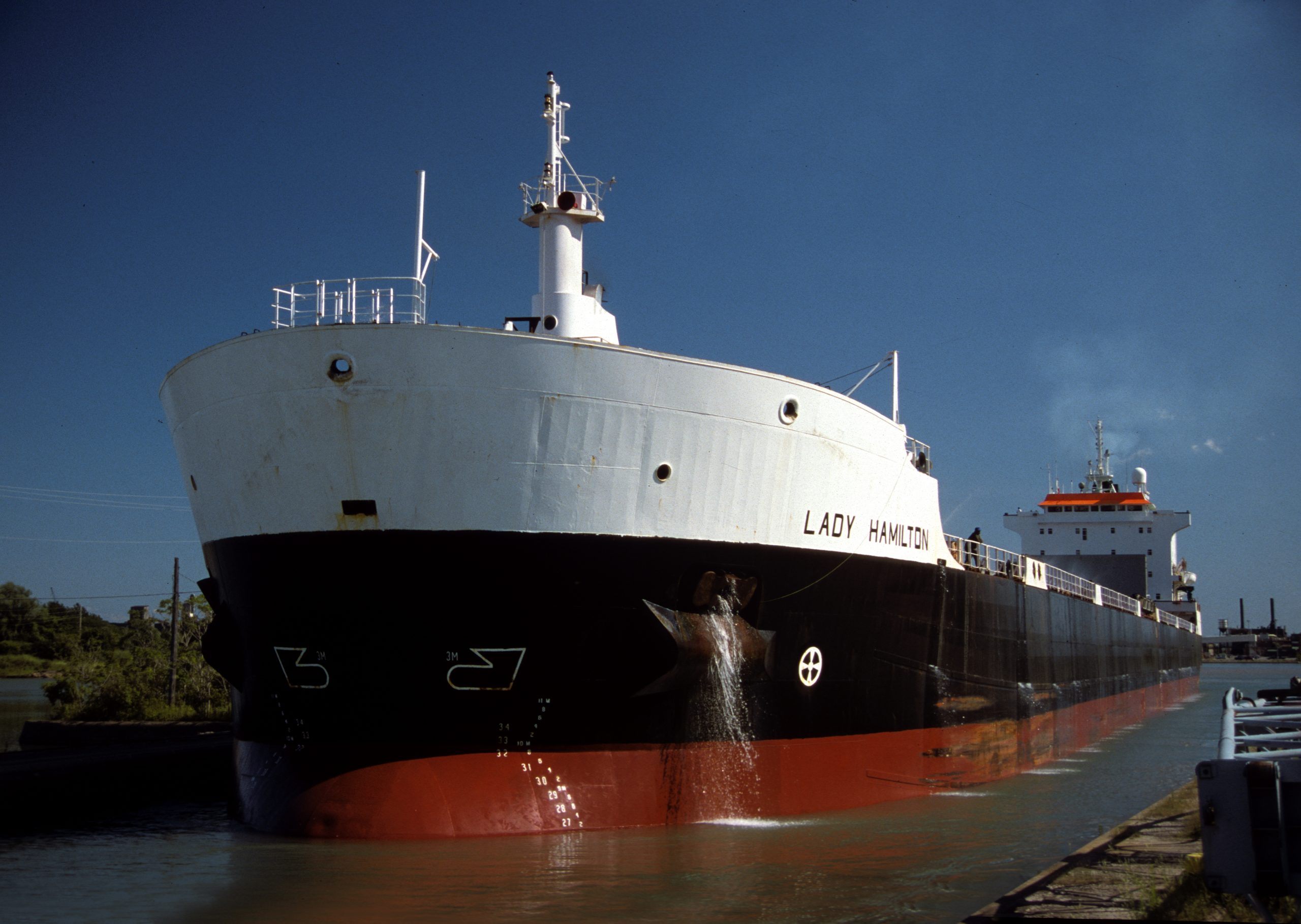
1983: SASKATCHEWAN PIONEER (Hull #258) was launched at Govan, Scotland, by Govan Shipbuilders Ltd. for Pioneer Shipping Ltd. (Misener Transportation Ltd., manager). Renamed b.) LADY HAMILTON in 1995. Purchased by Voyageur Marine Transport in 2006, she now sails as KAMINISTIQUA.
Data from: Skip Gillham, Joe Barr, Dave Swayze, Mike Nicholls, Father Dowling Collection, Ahoy & Farewell II and the Great Lakes Ships We Remember series from the Marine Historical Society of Detroit. Compiled by Roger LeLievre.
-
- Boscobel, Buckeye State, and D.F. Rose at an unknown port.
-
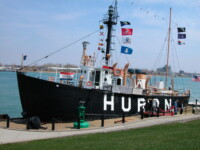
- Huron Lightship in Port Huron. Roger LeLievre
-
- Saskatchewan Pioneer maiden voyage. Unknown photographer
-
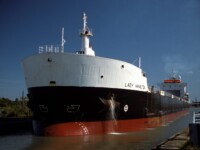
- Lady Hamilton, Welland Canal, 1999. Roger LeLievre
-
- Kaministiqua in 2008. Roger LeLievre