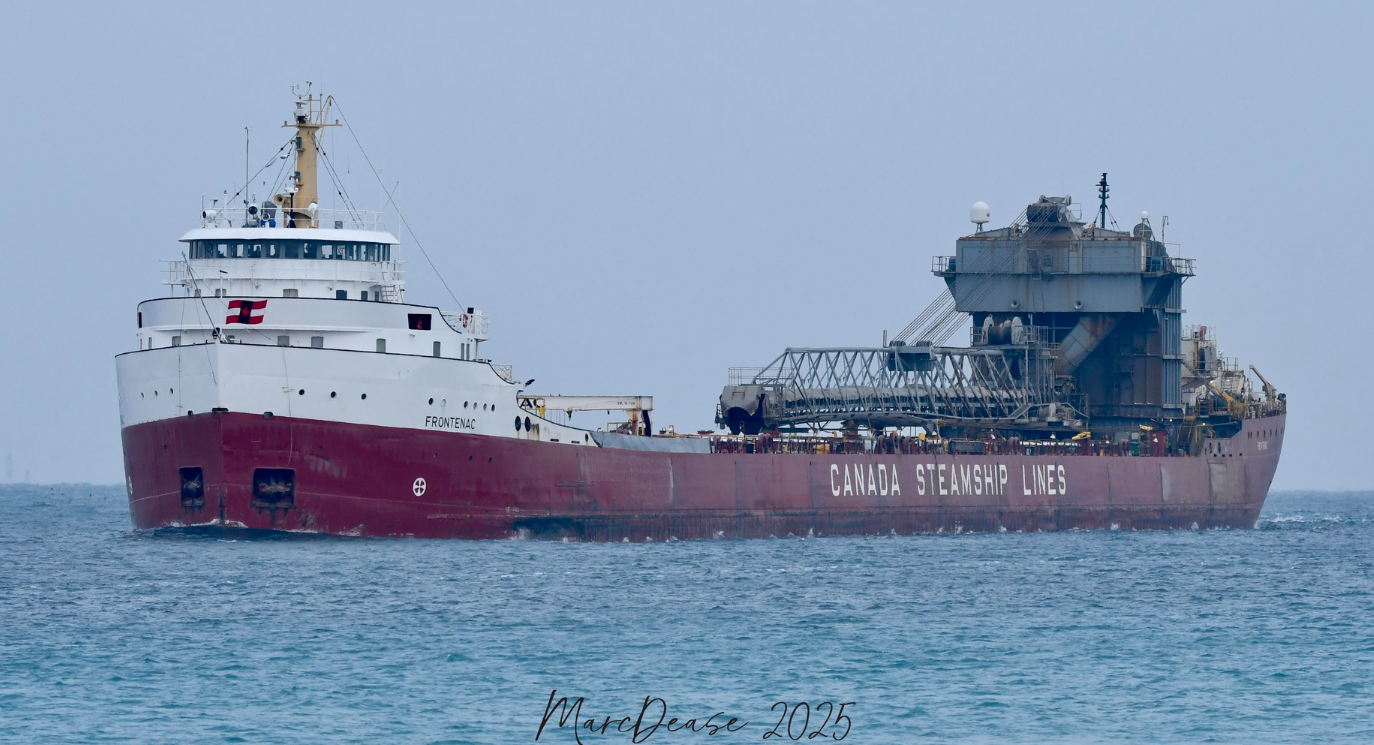
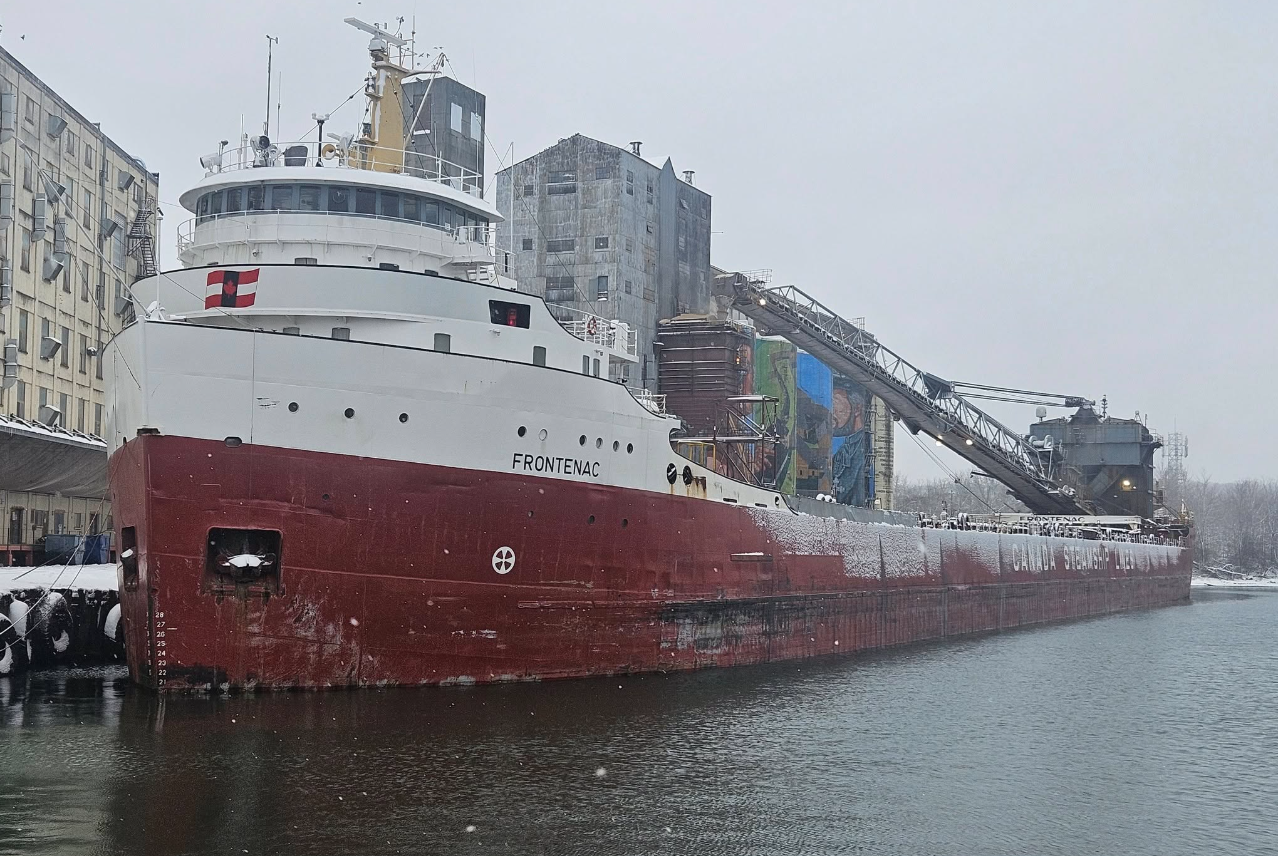
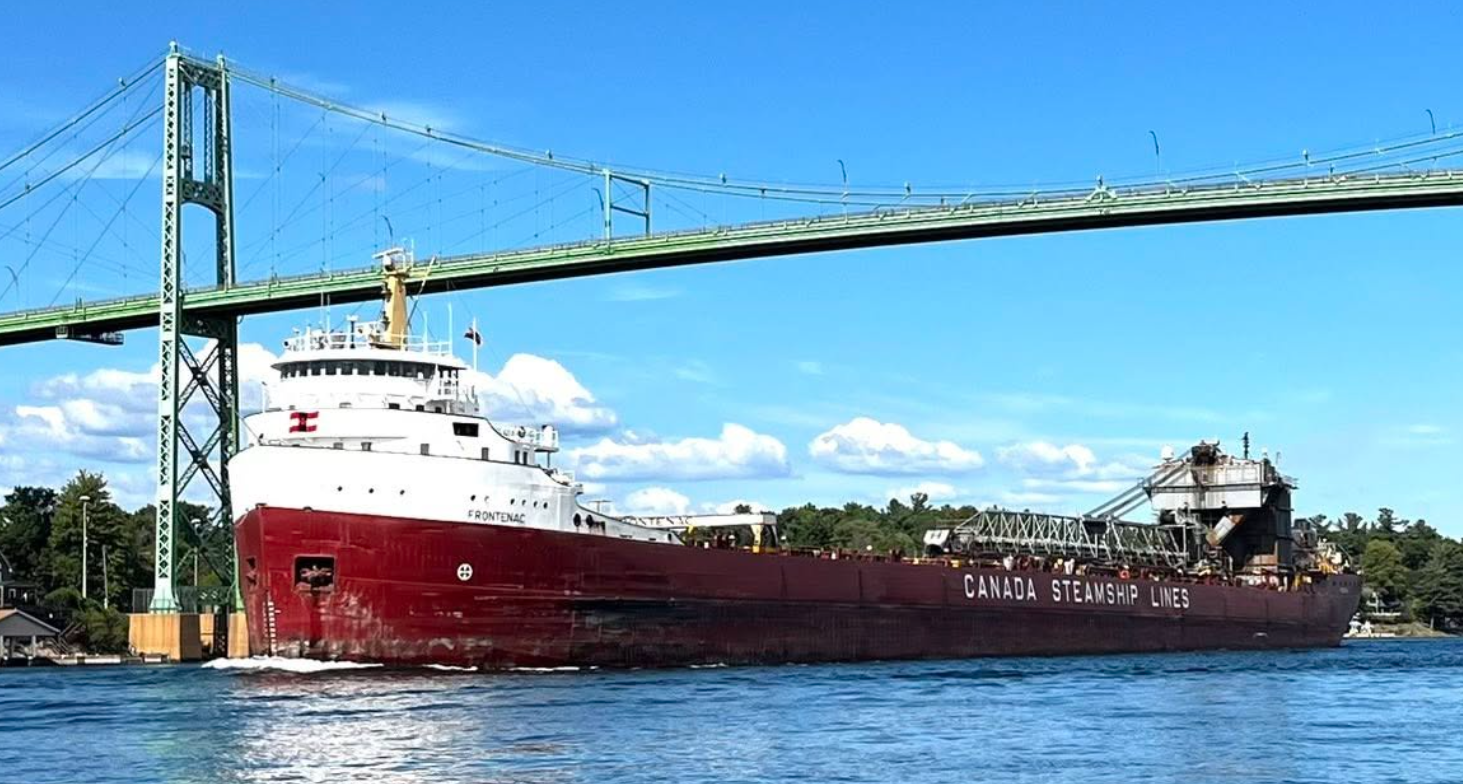
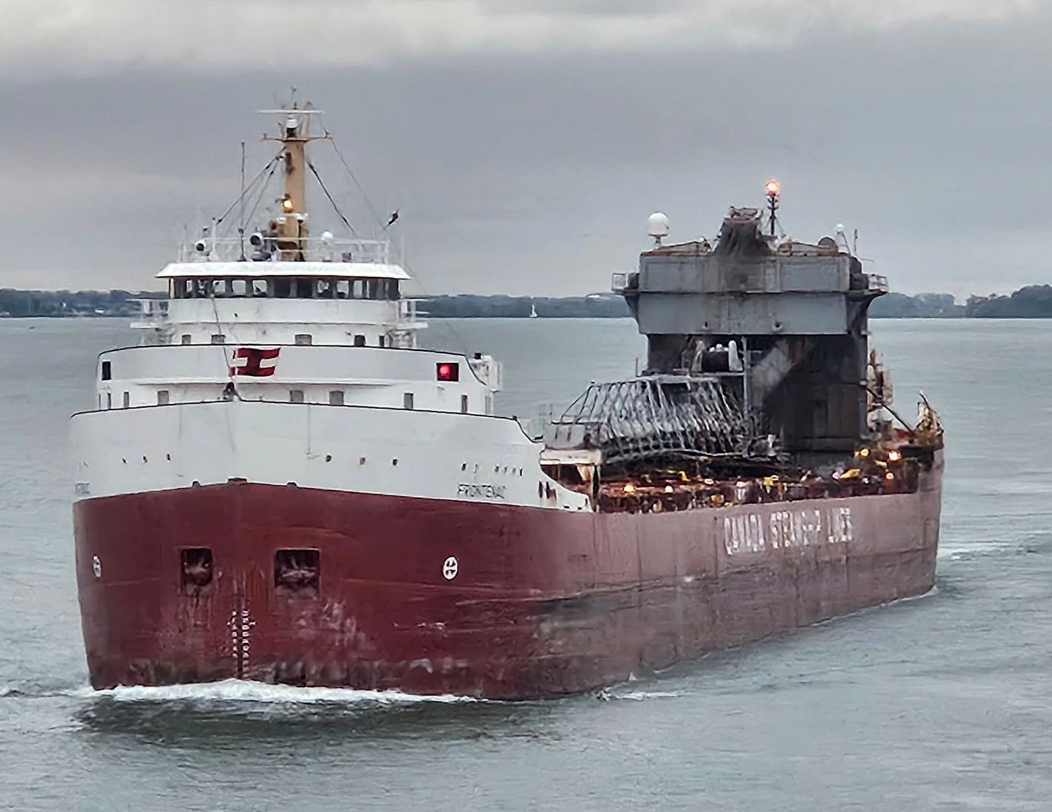
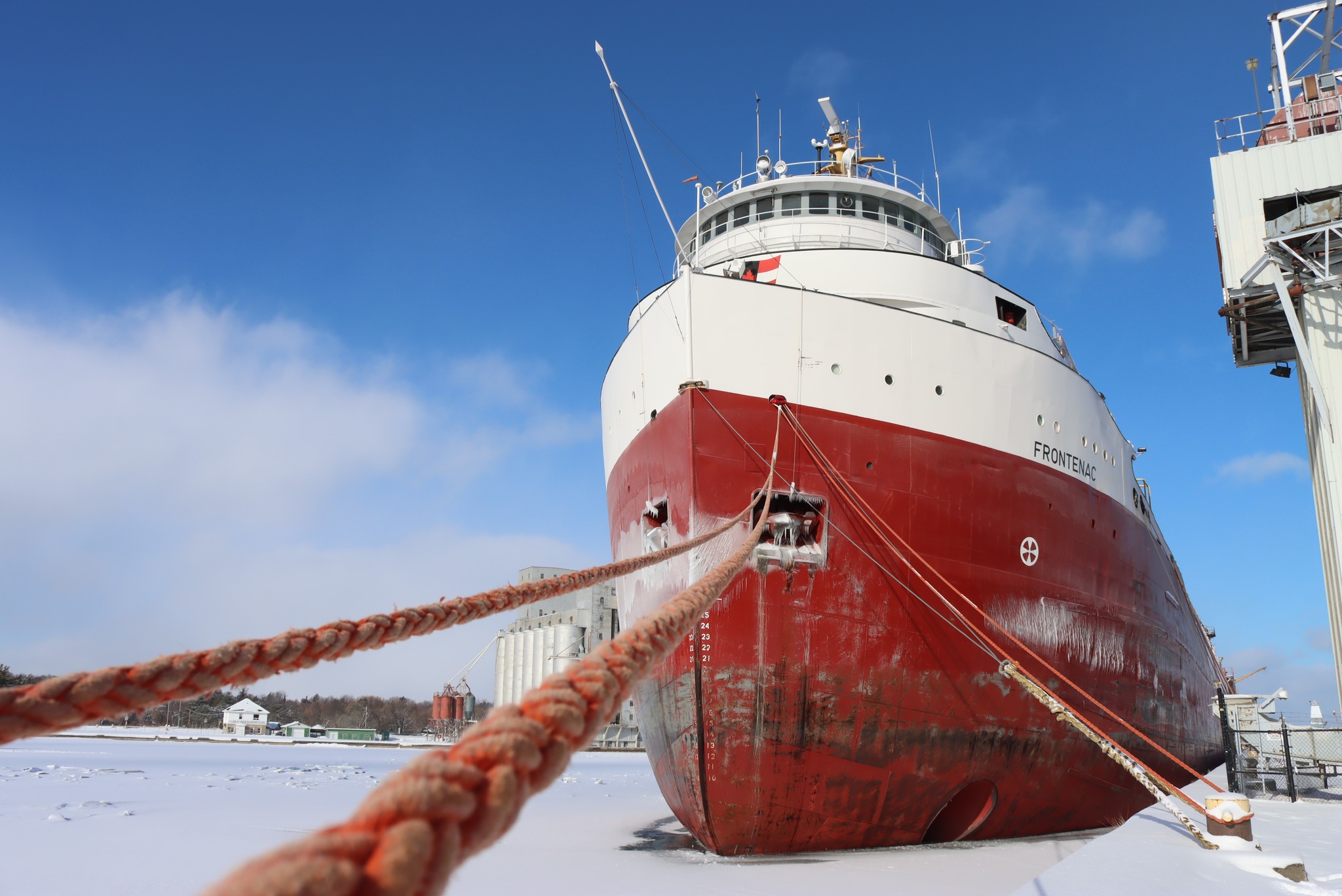
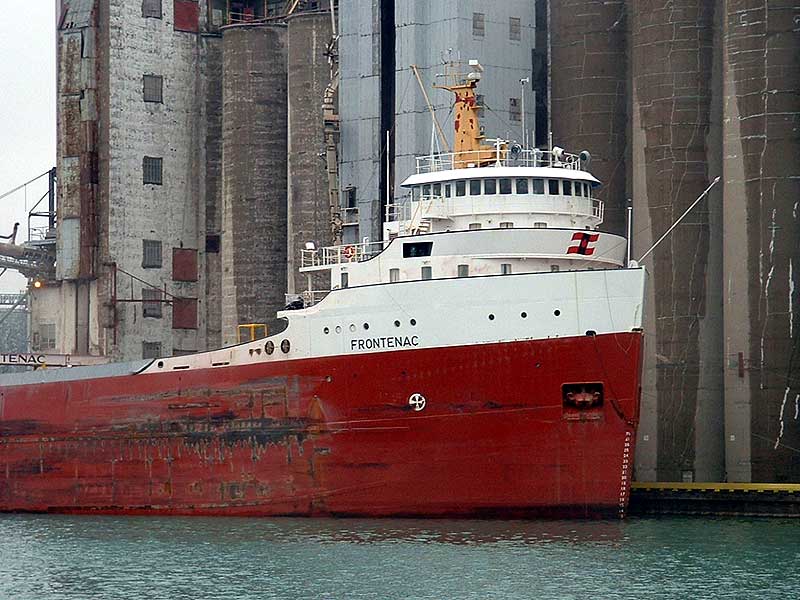
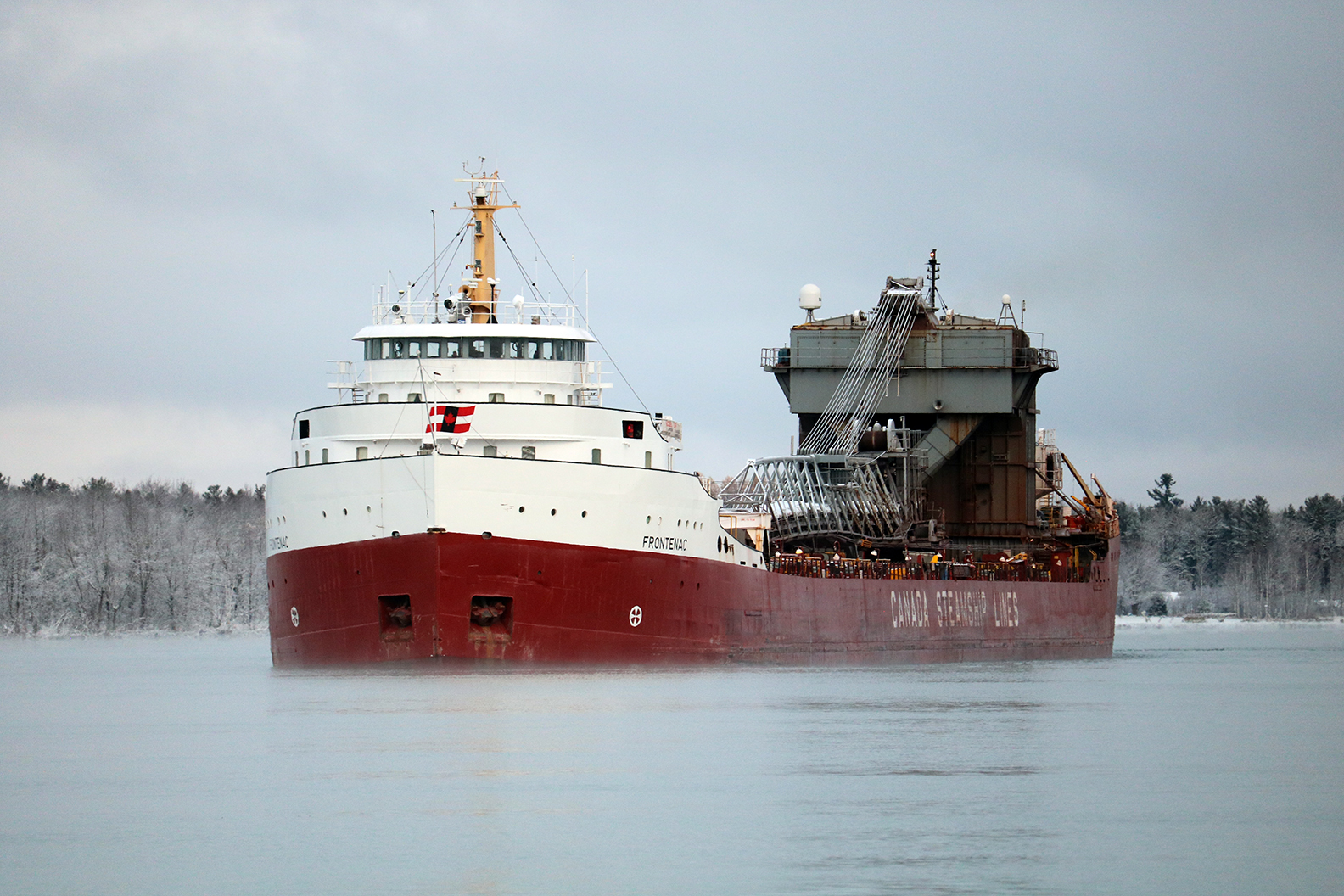
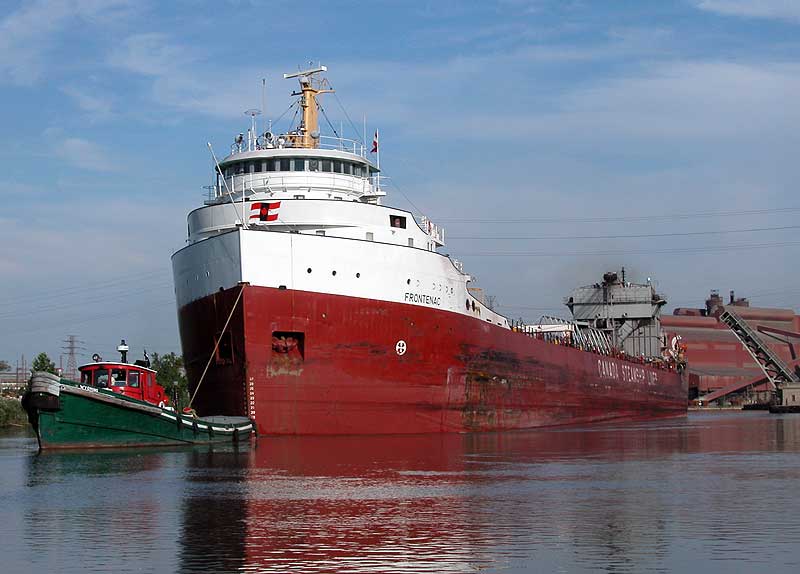
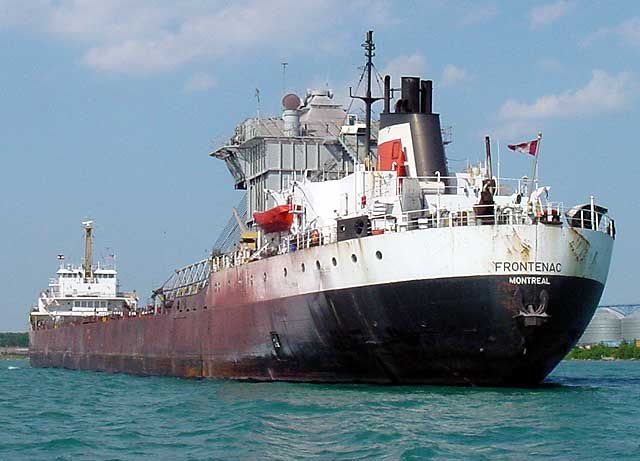
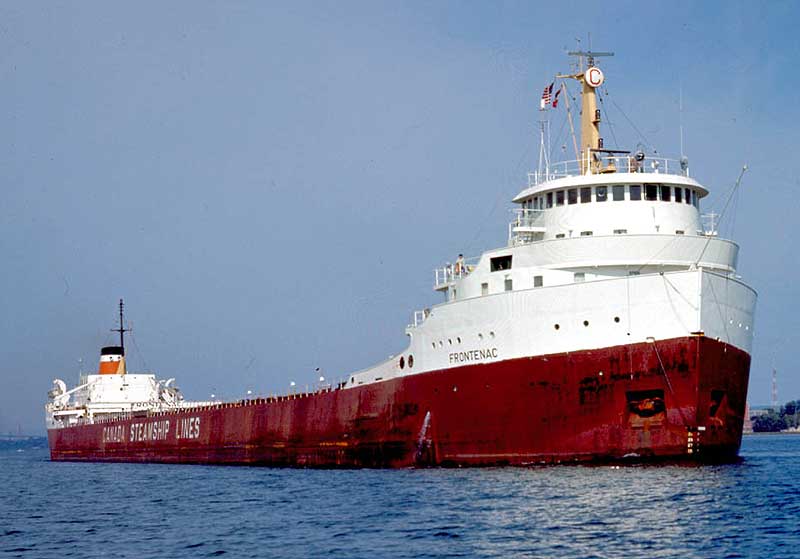
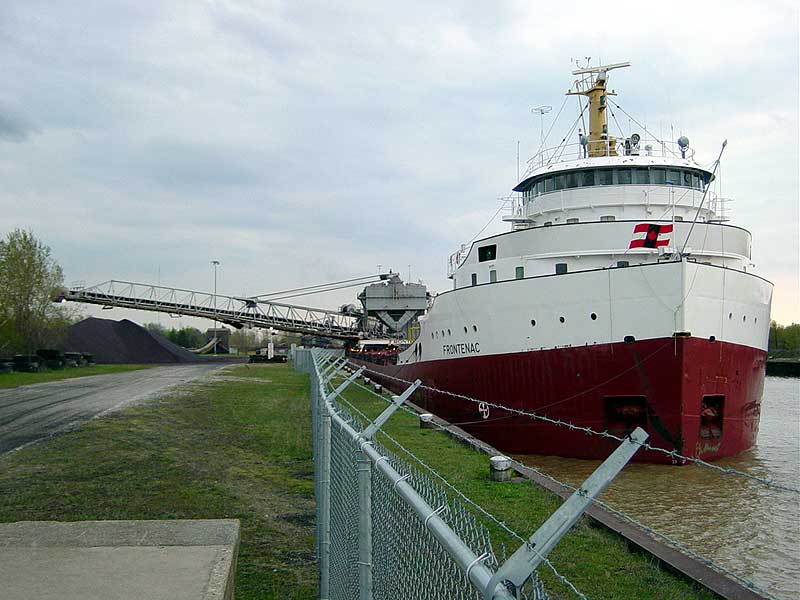
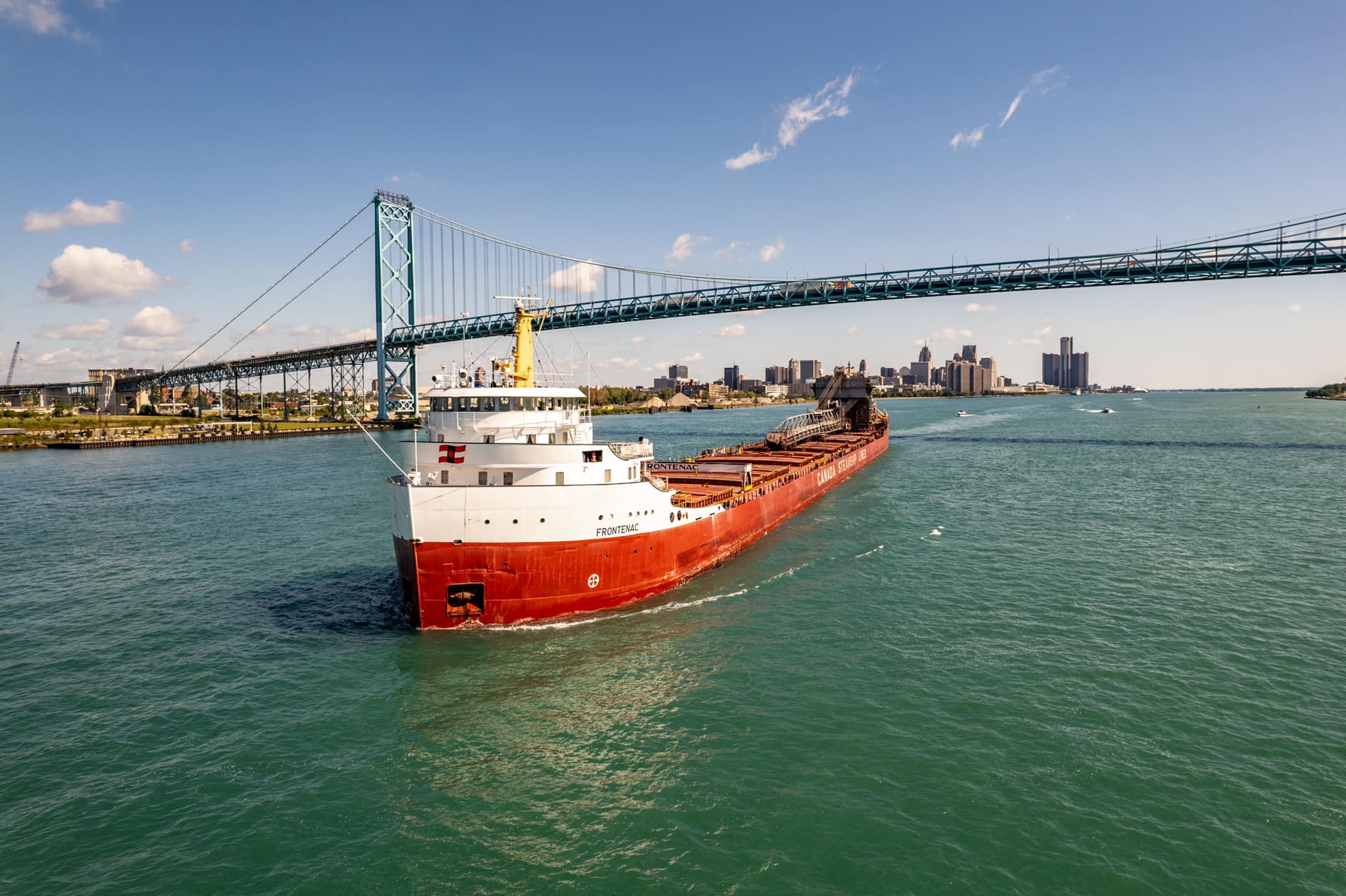
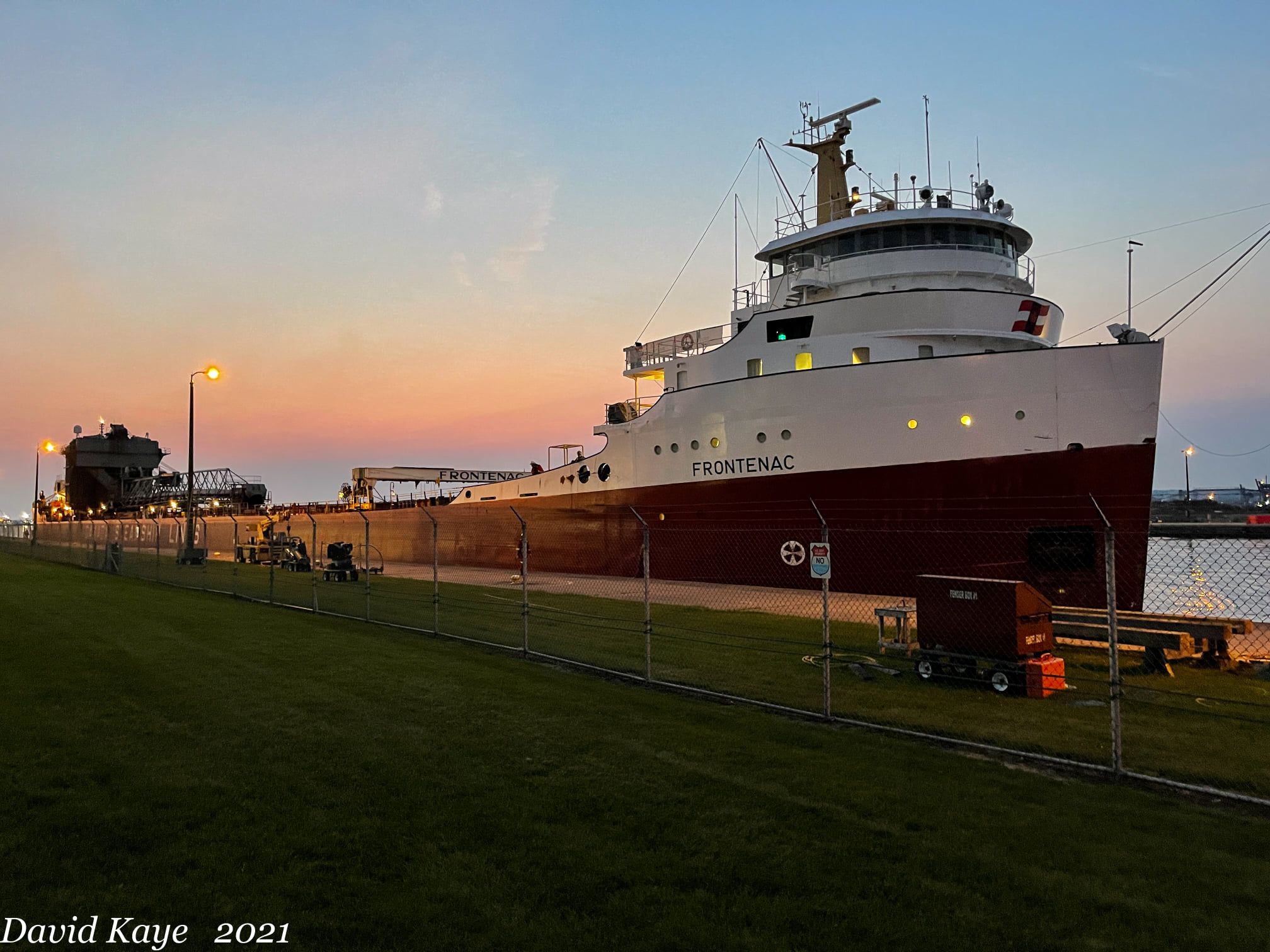
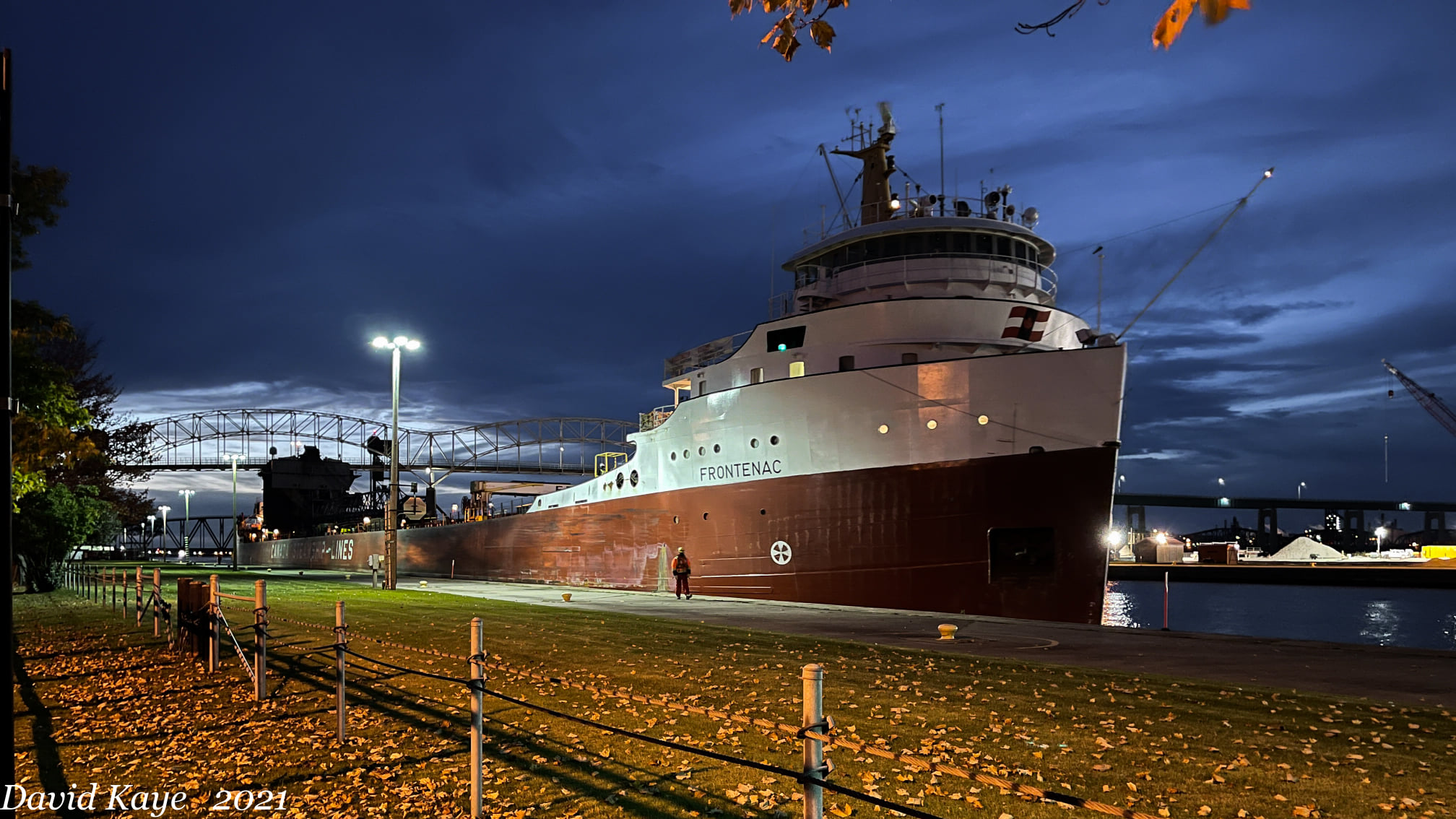
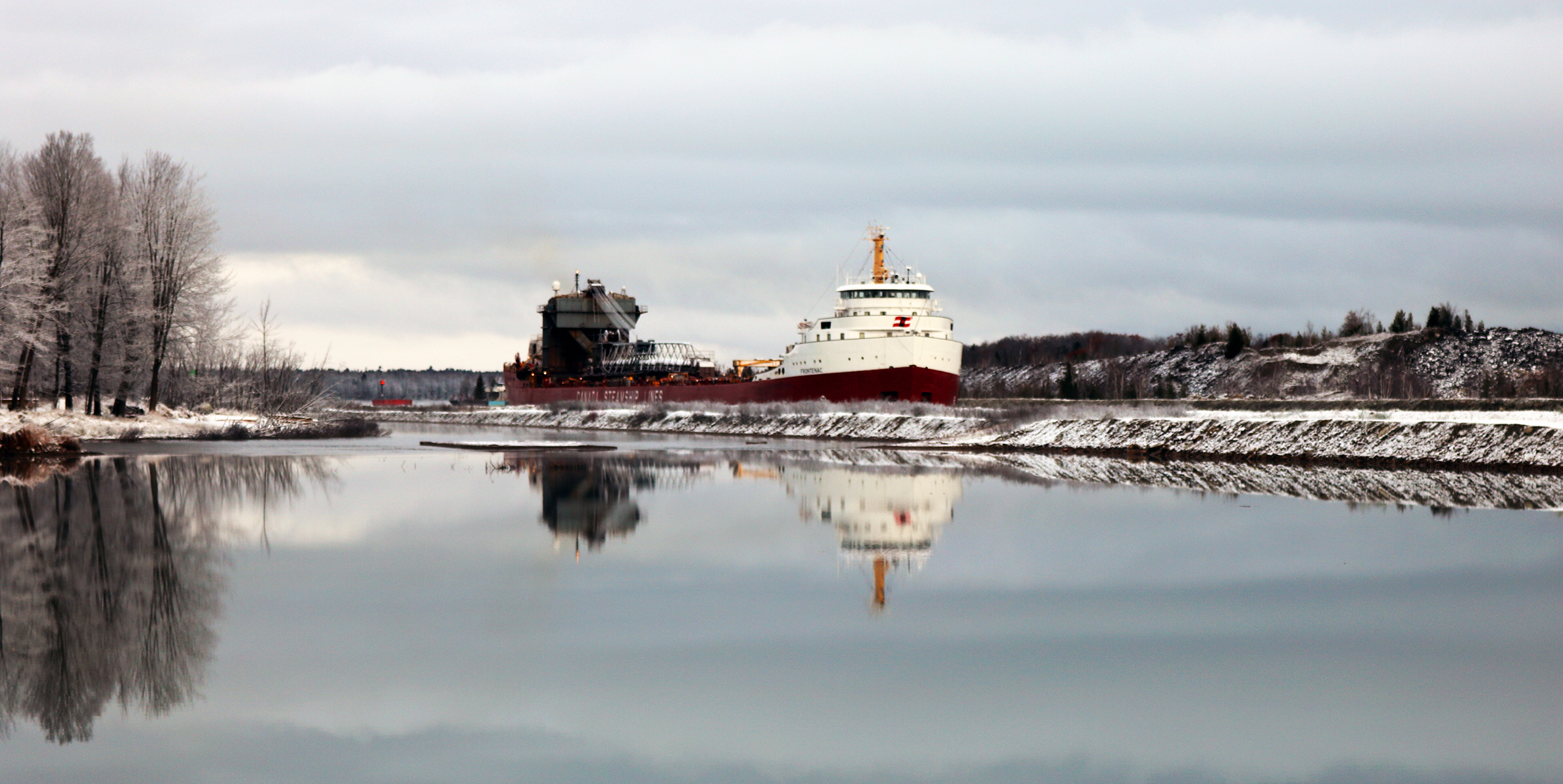
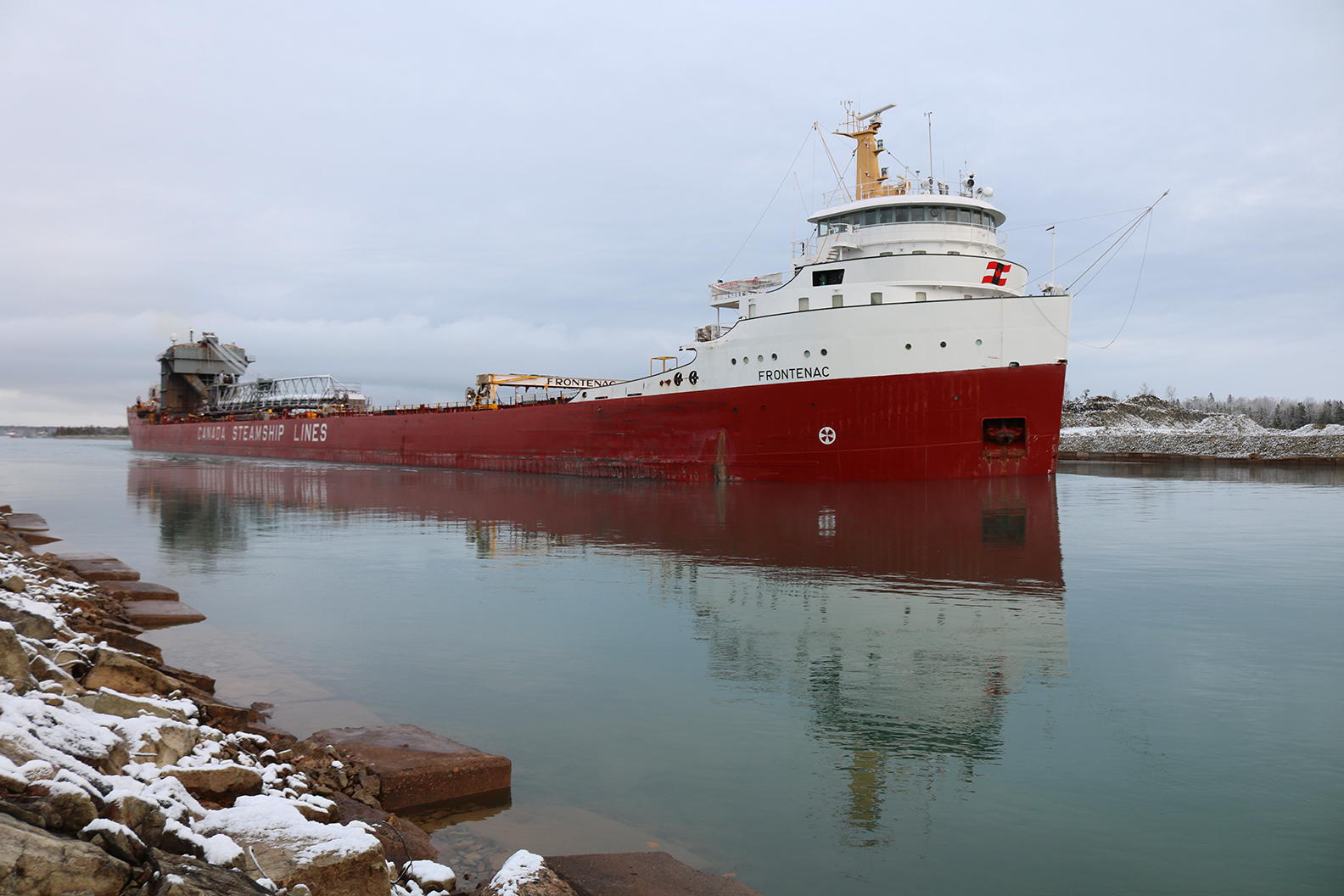
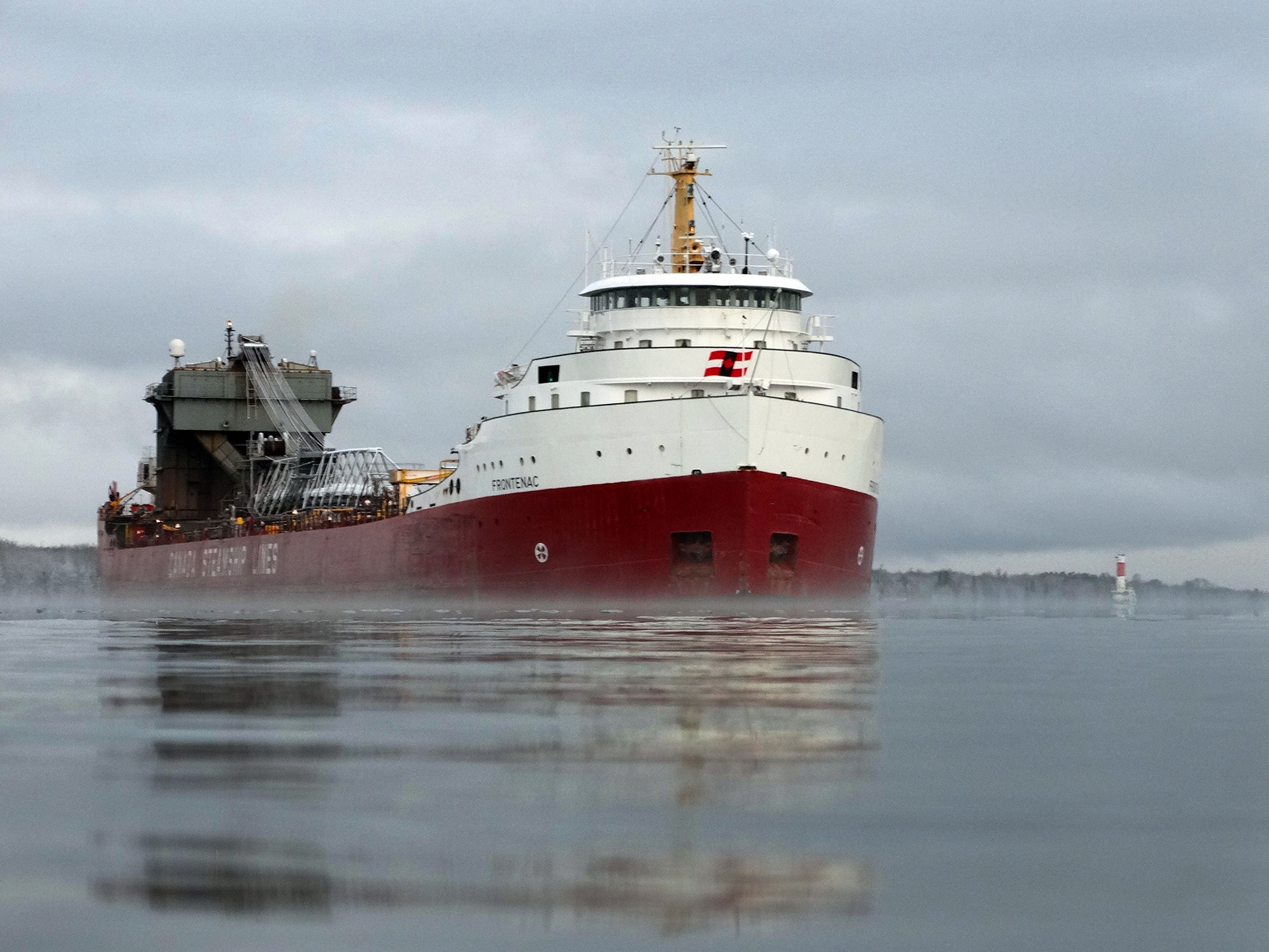
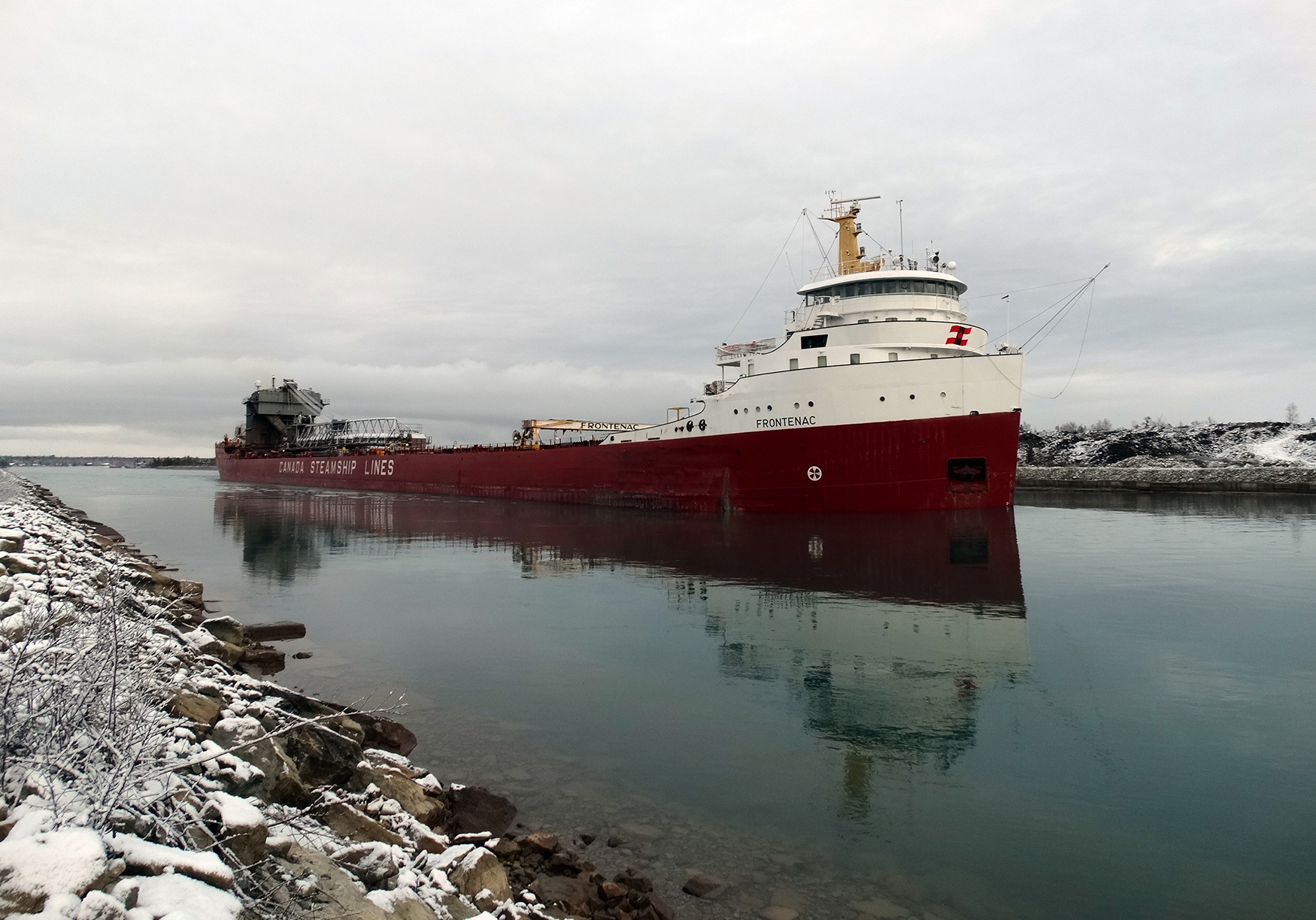
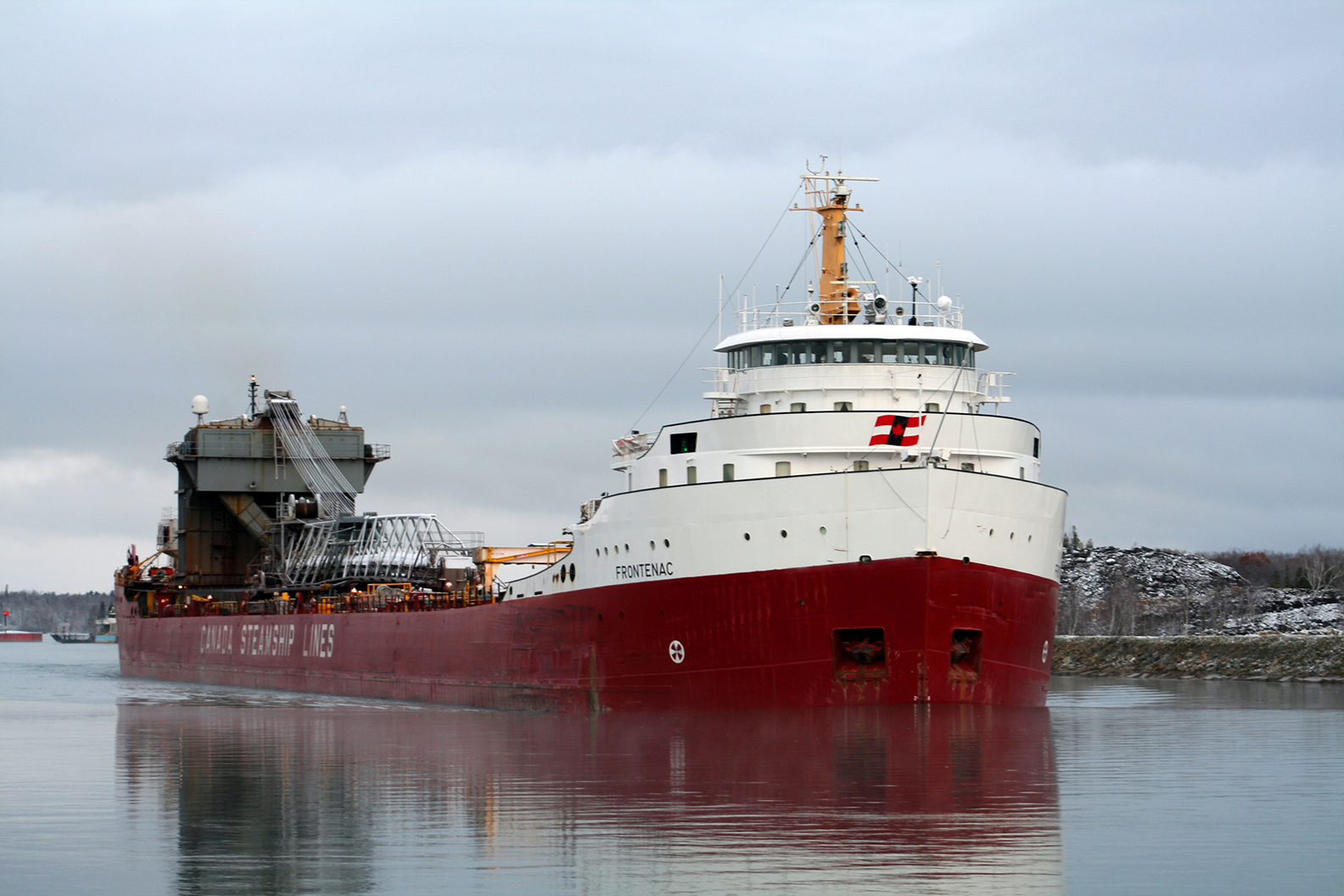
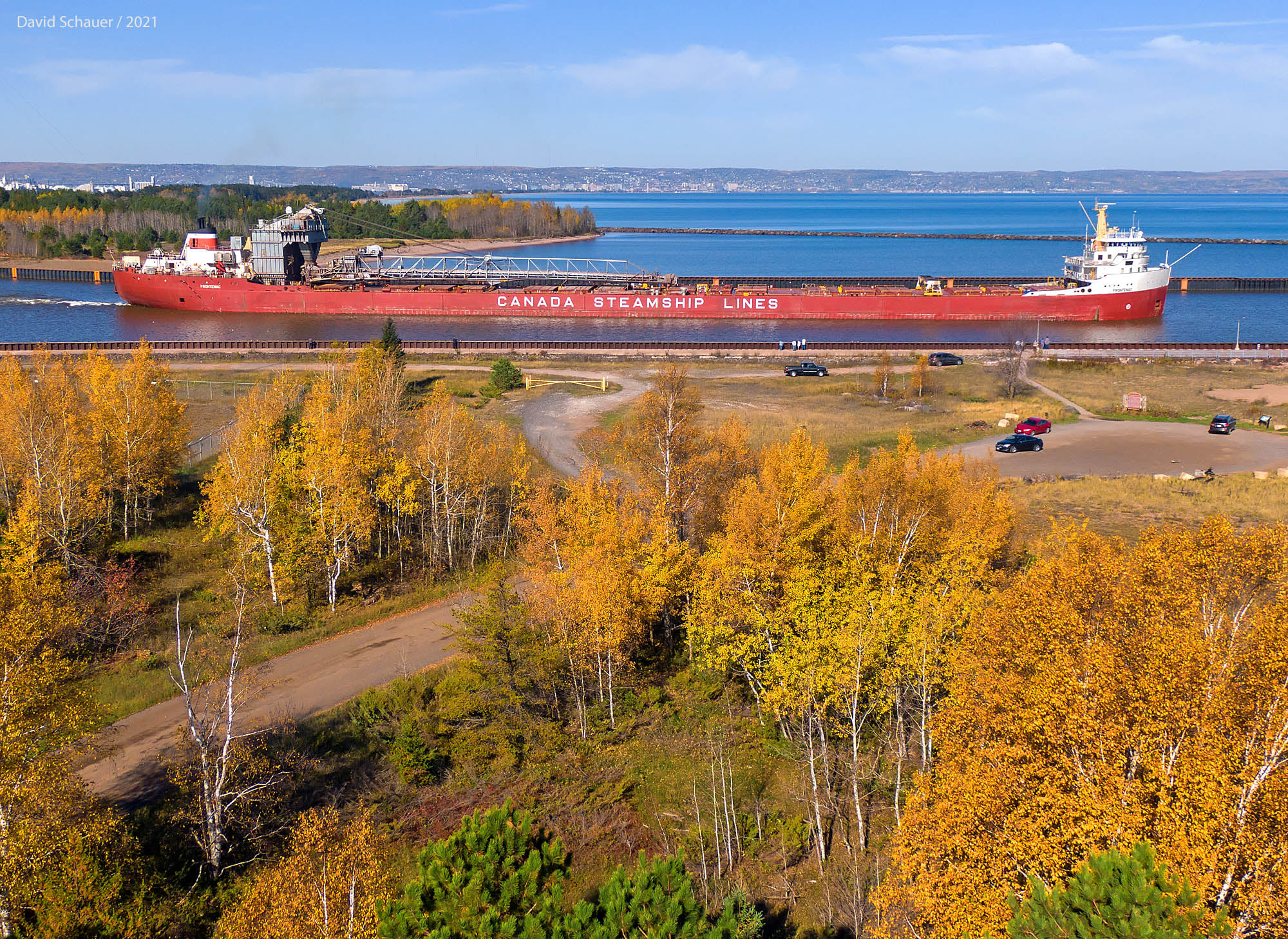
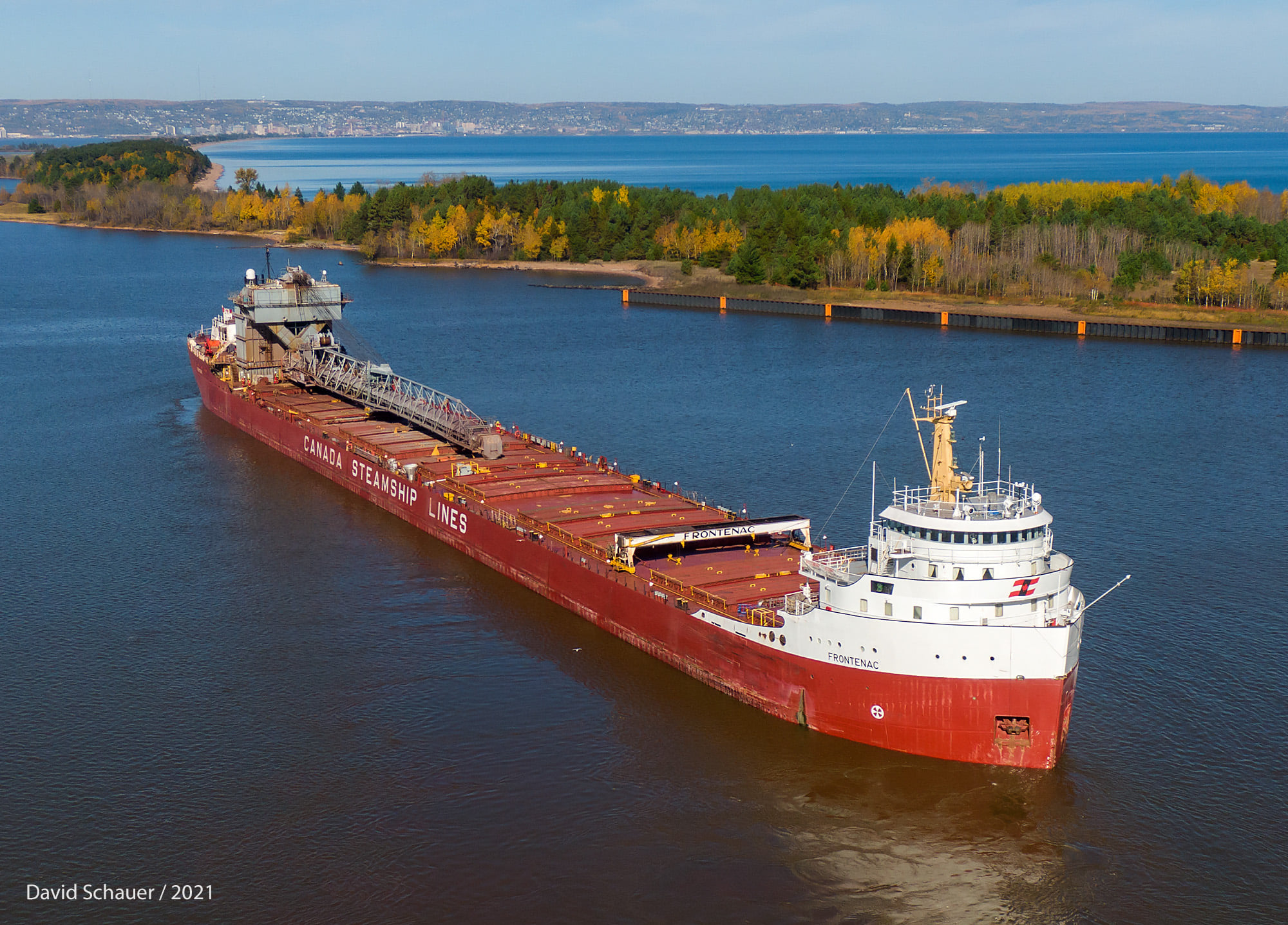
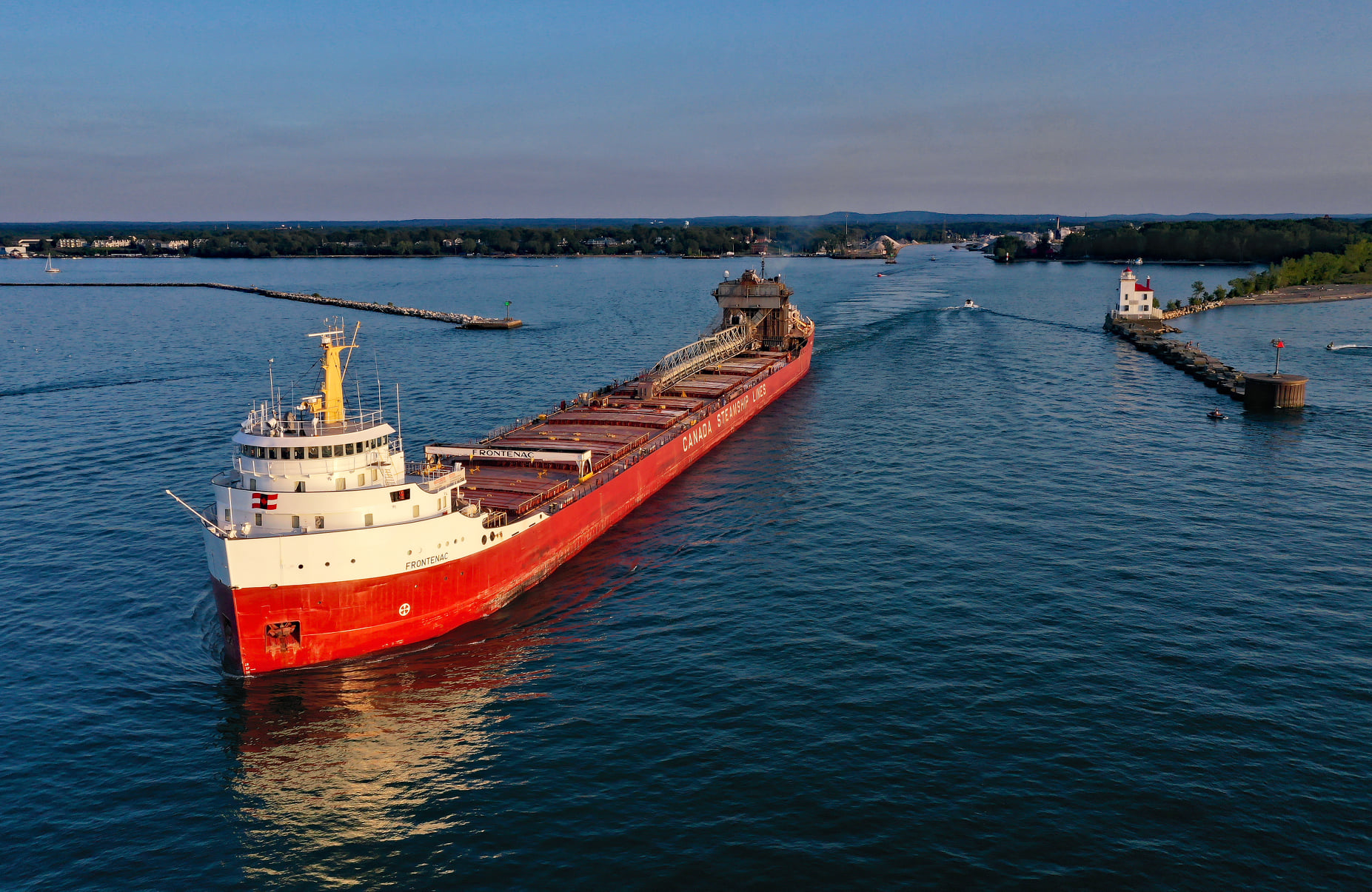
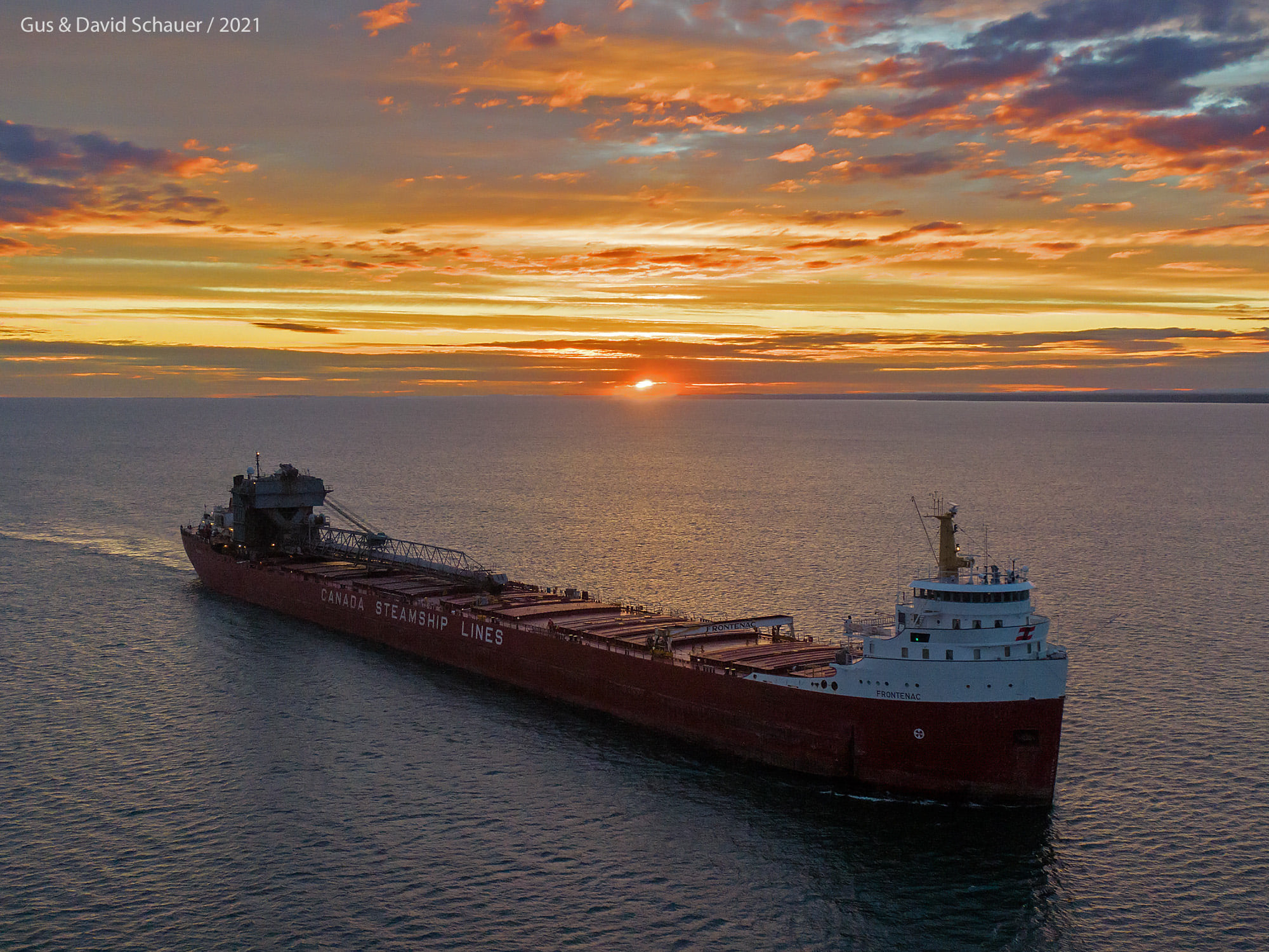
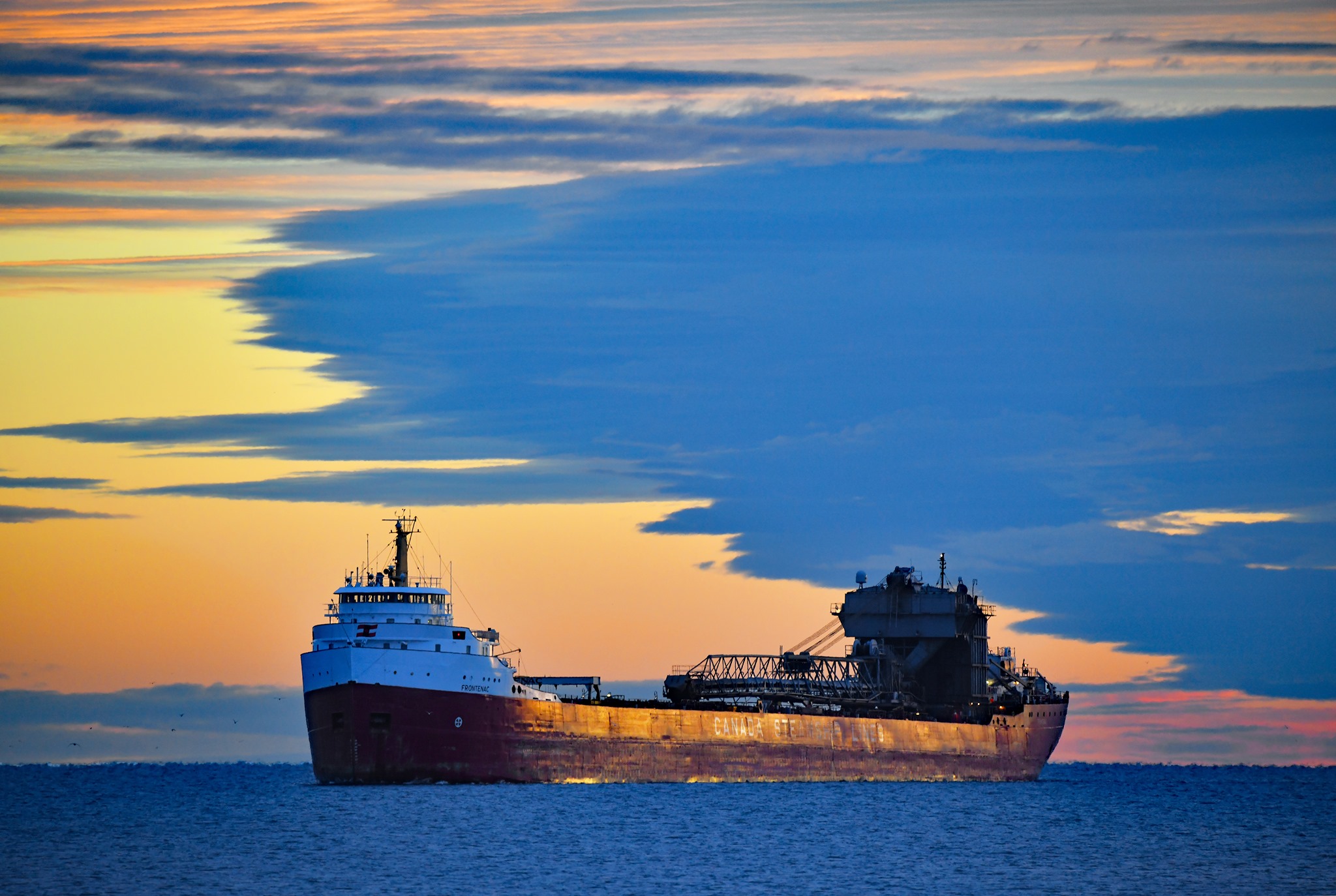
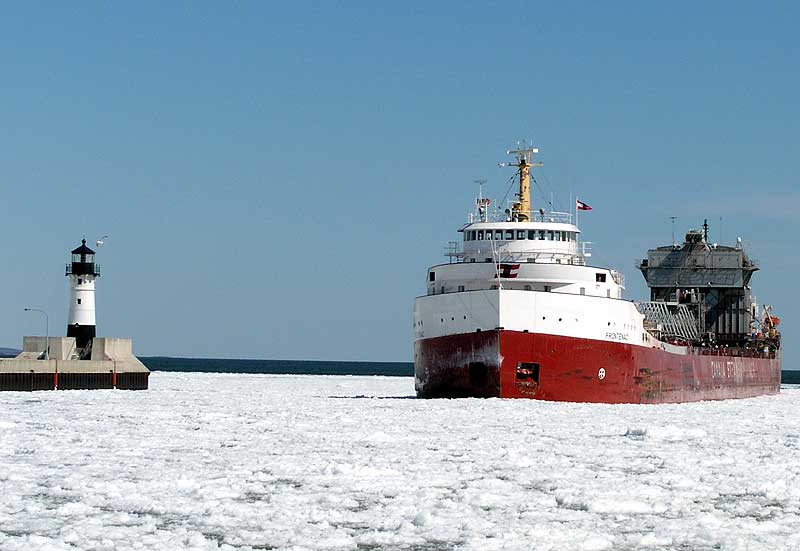
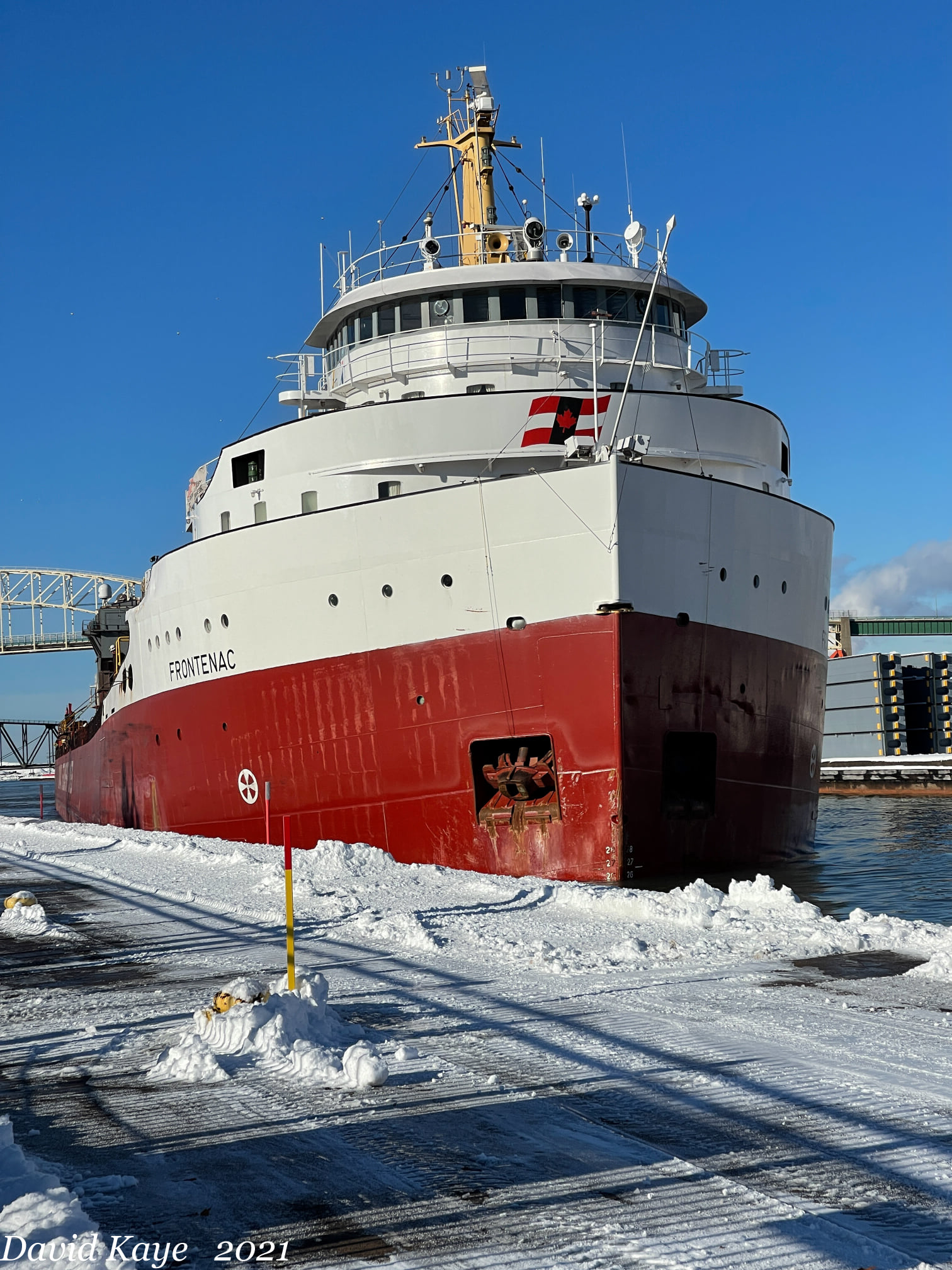
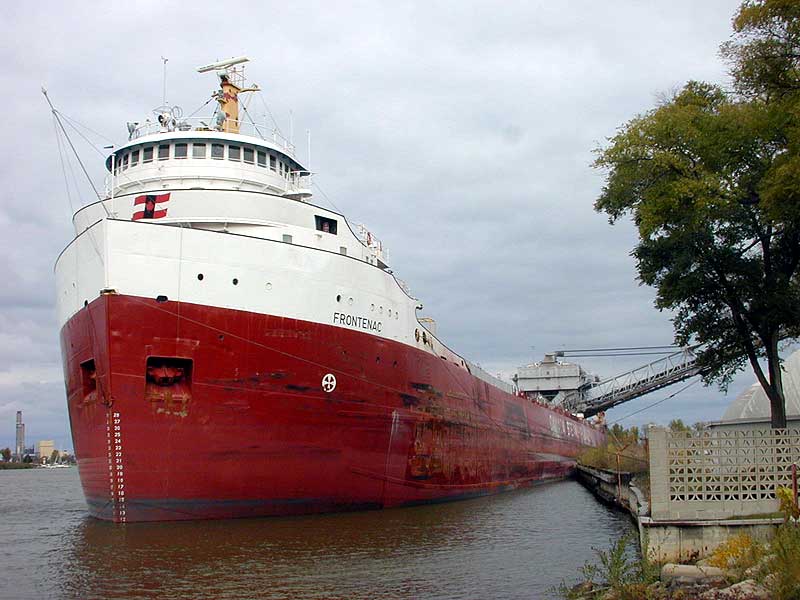
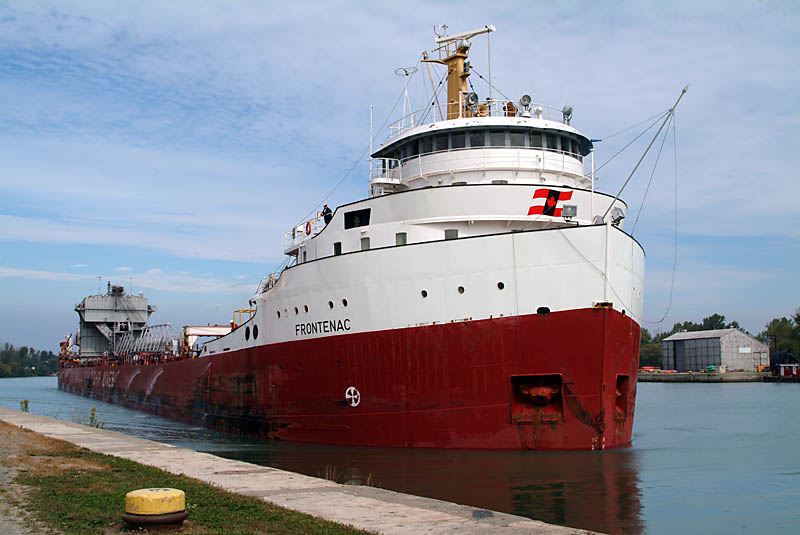
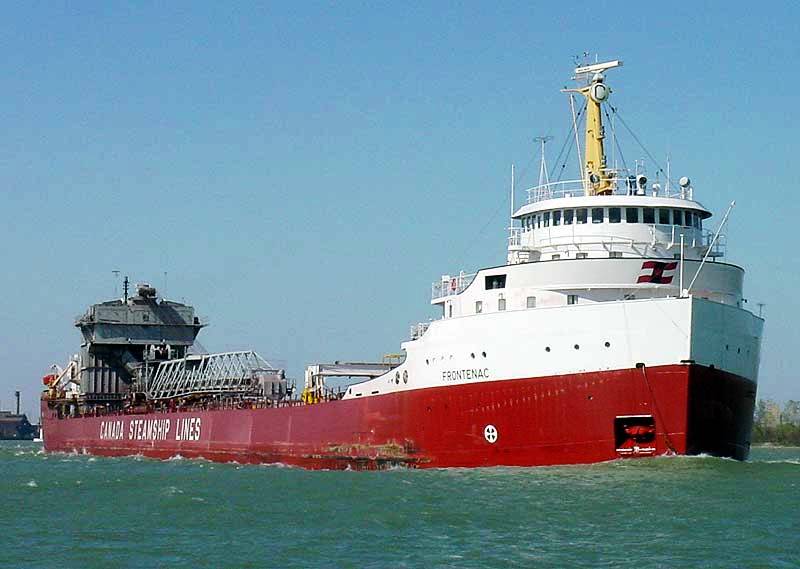
Frontenac

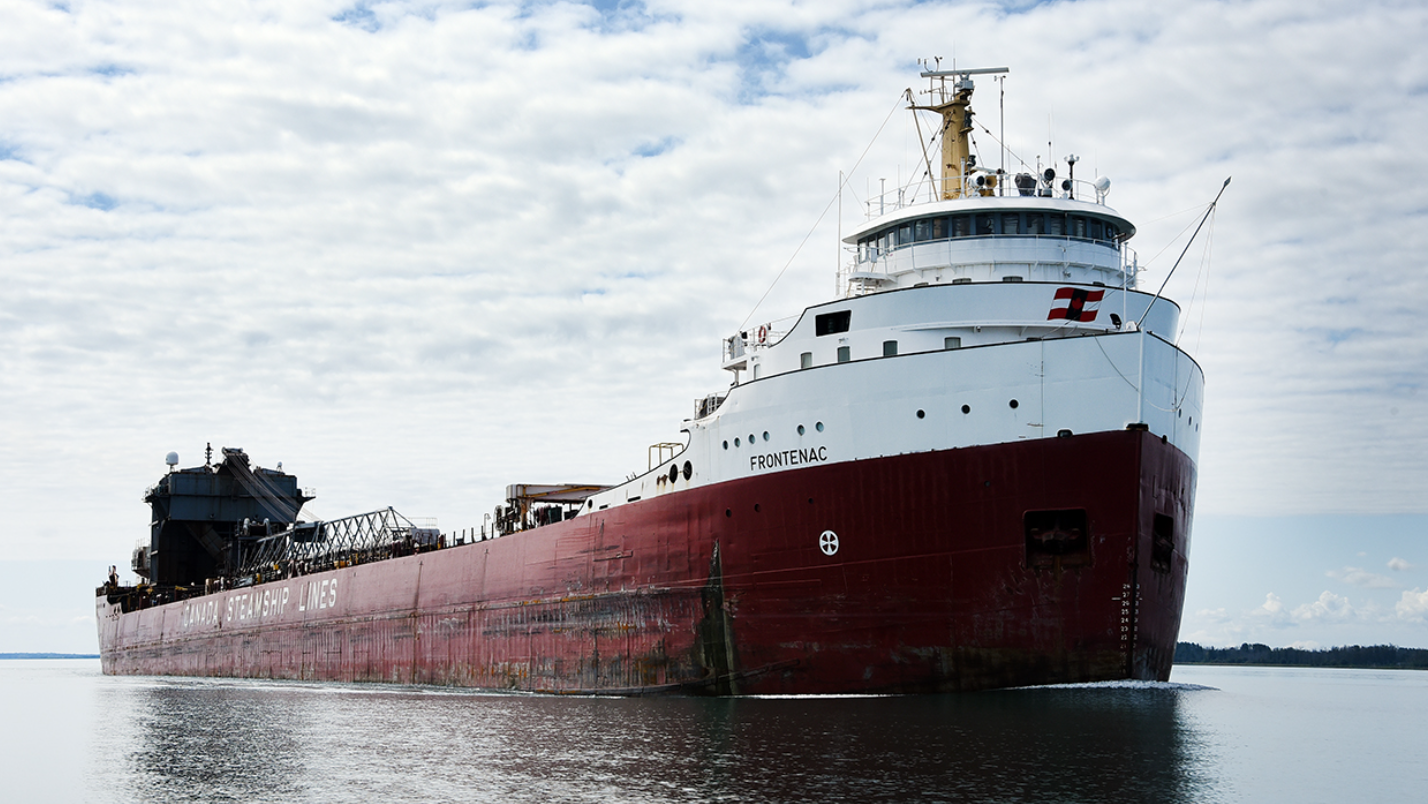
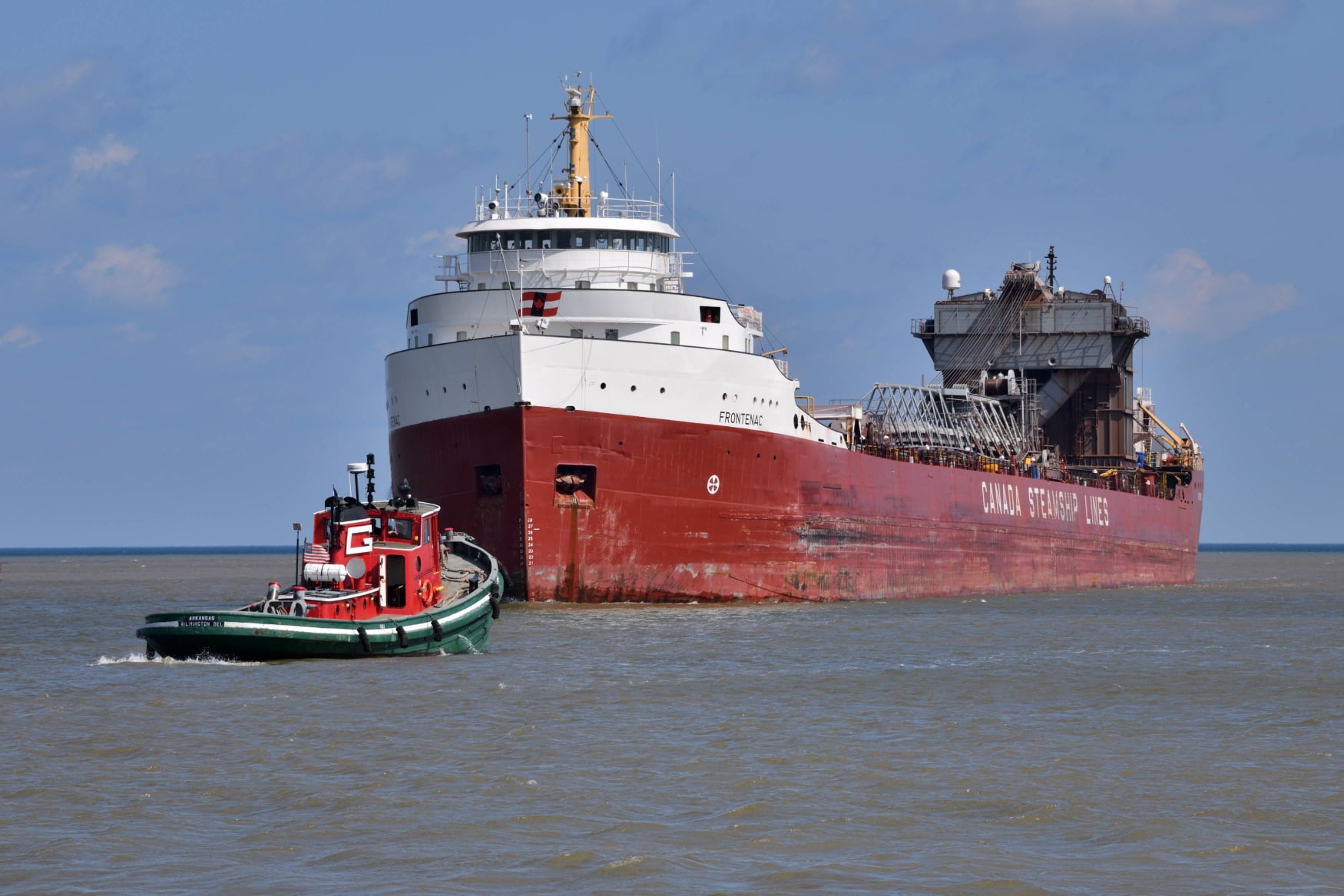
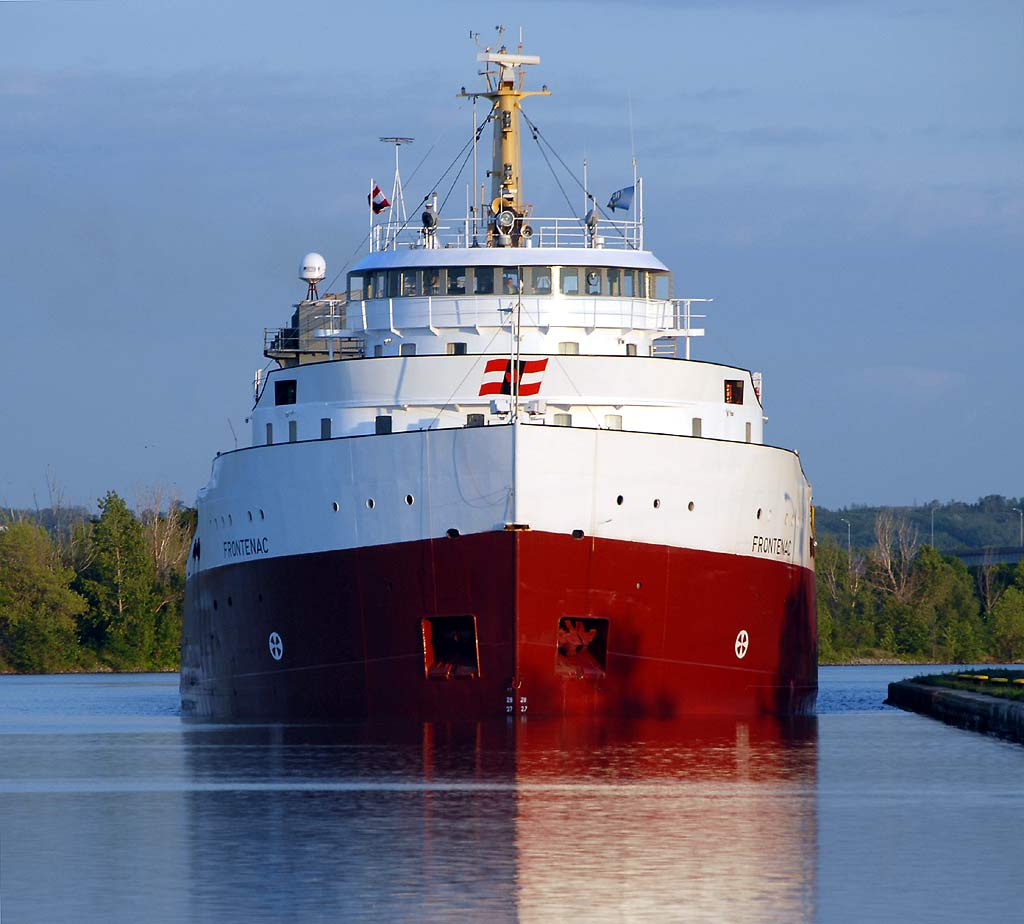
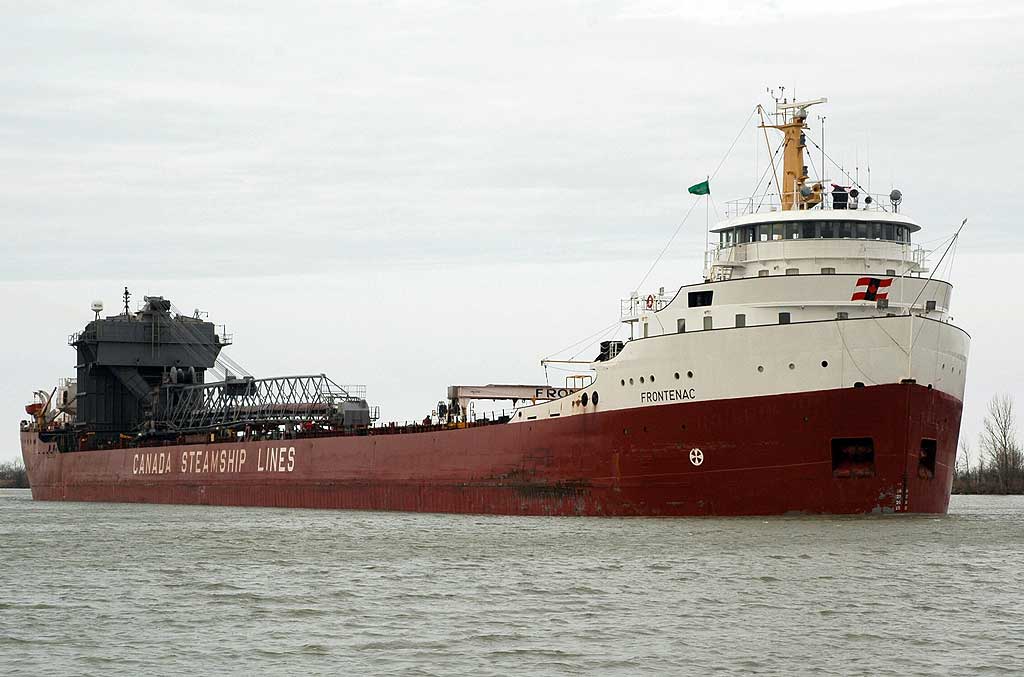
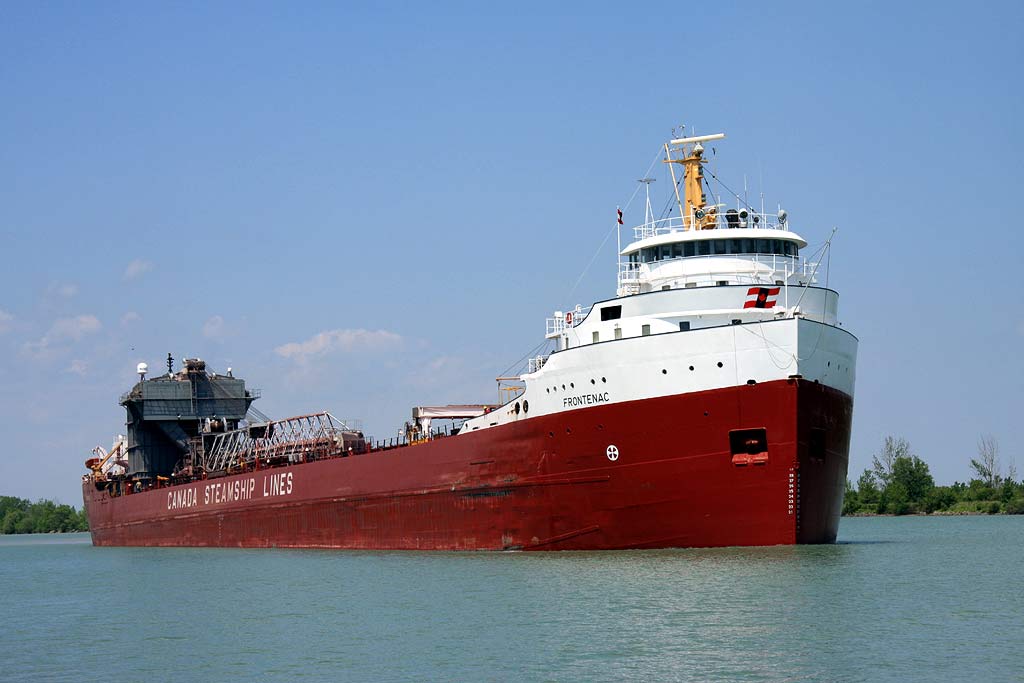
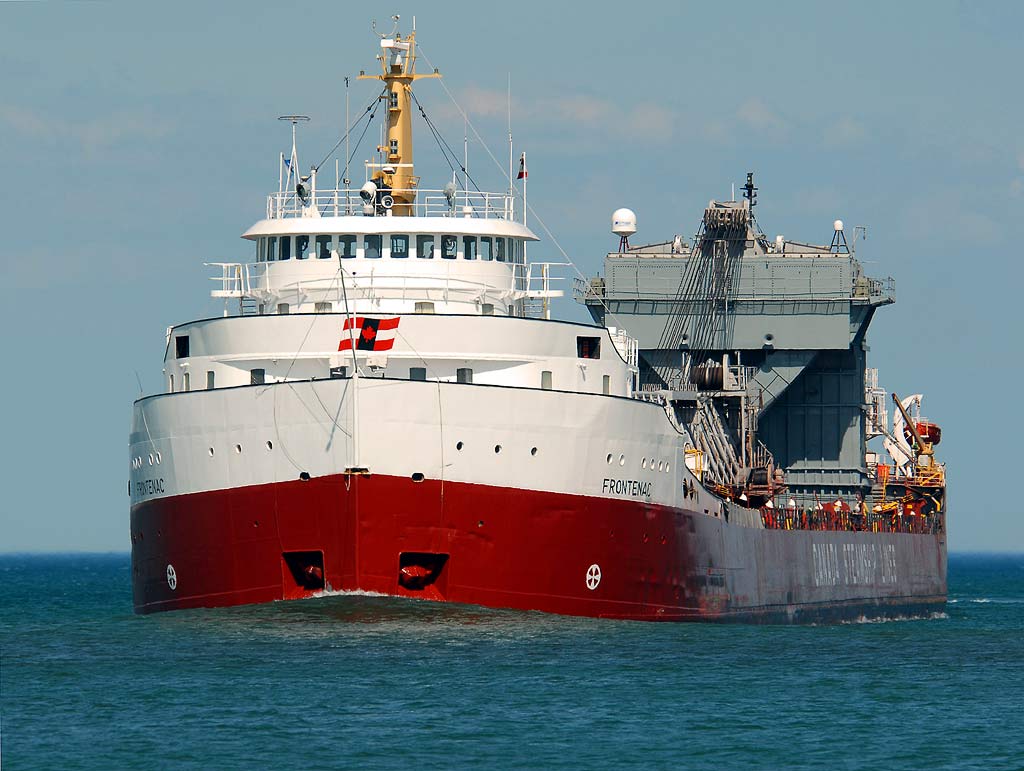
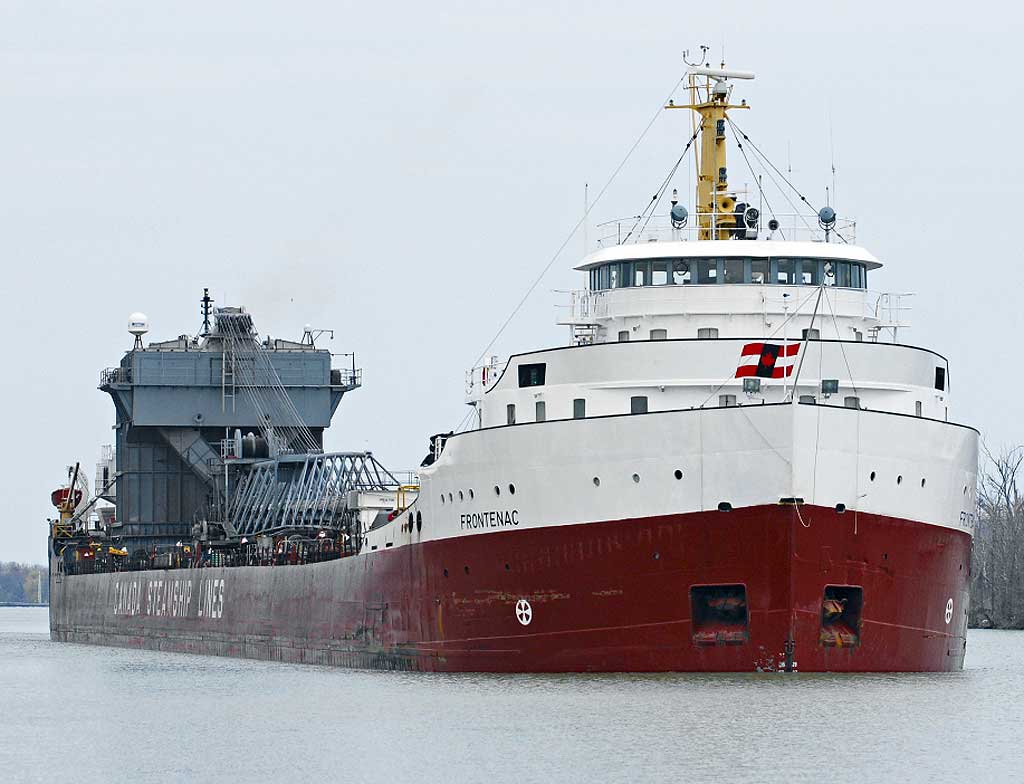
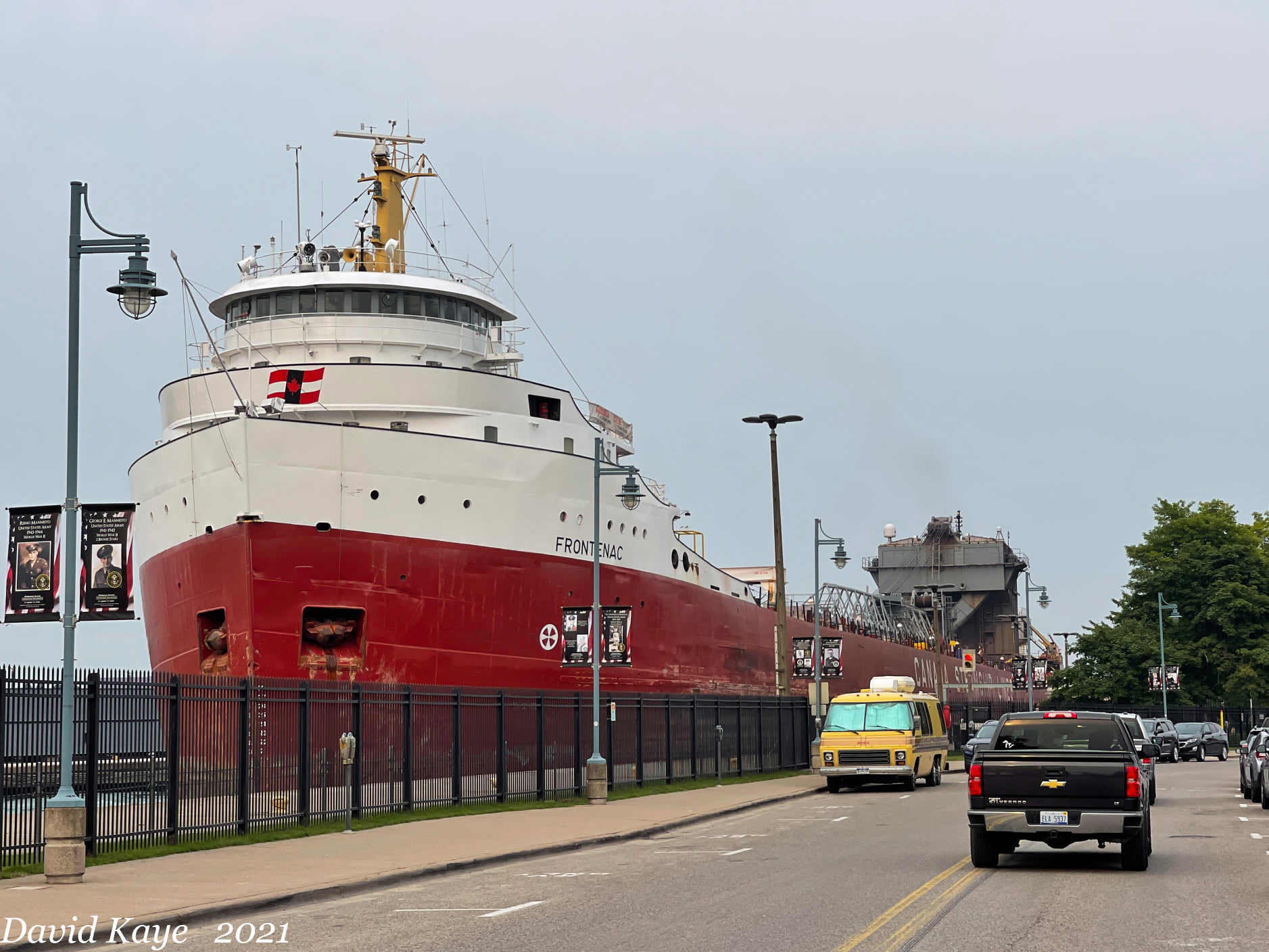
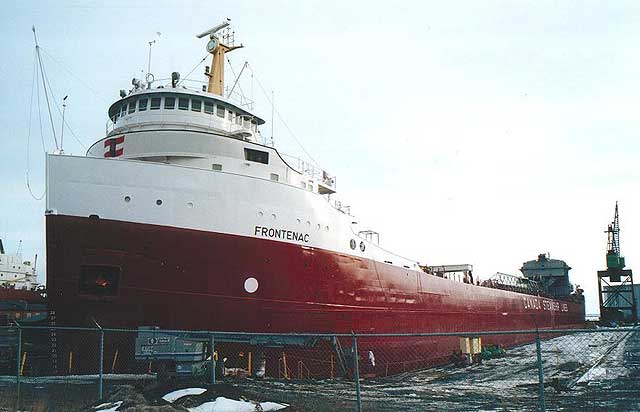
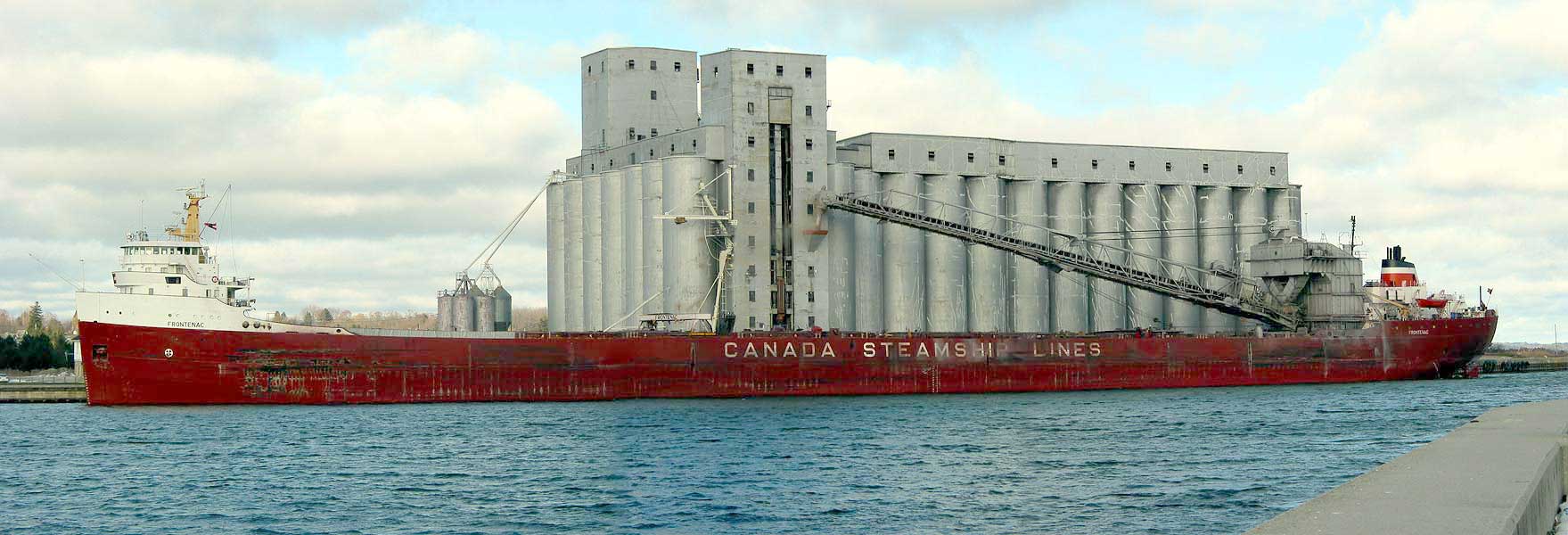
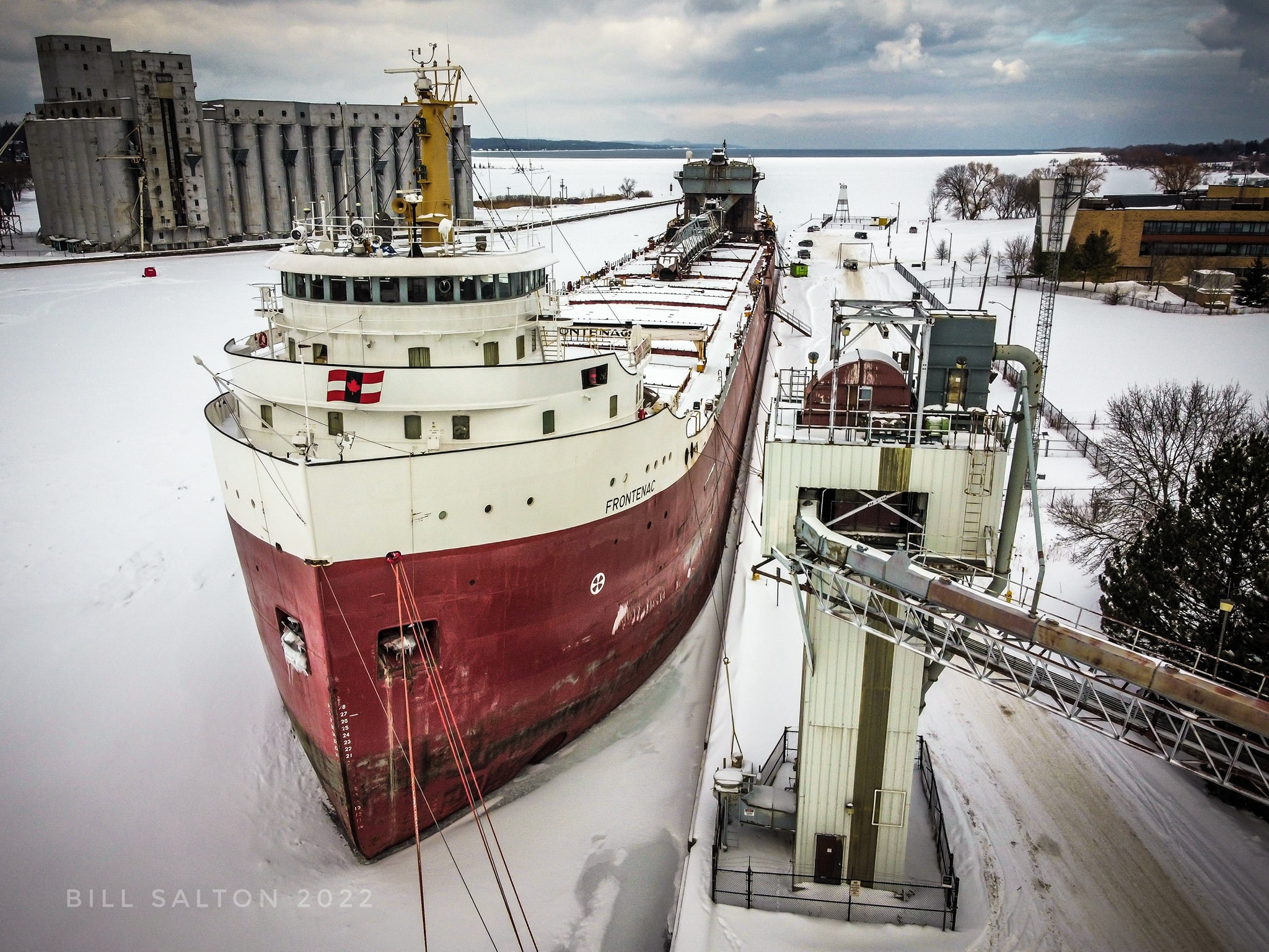
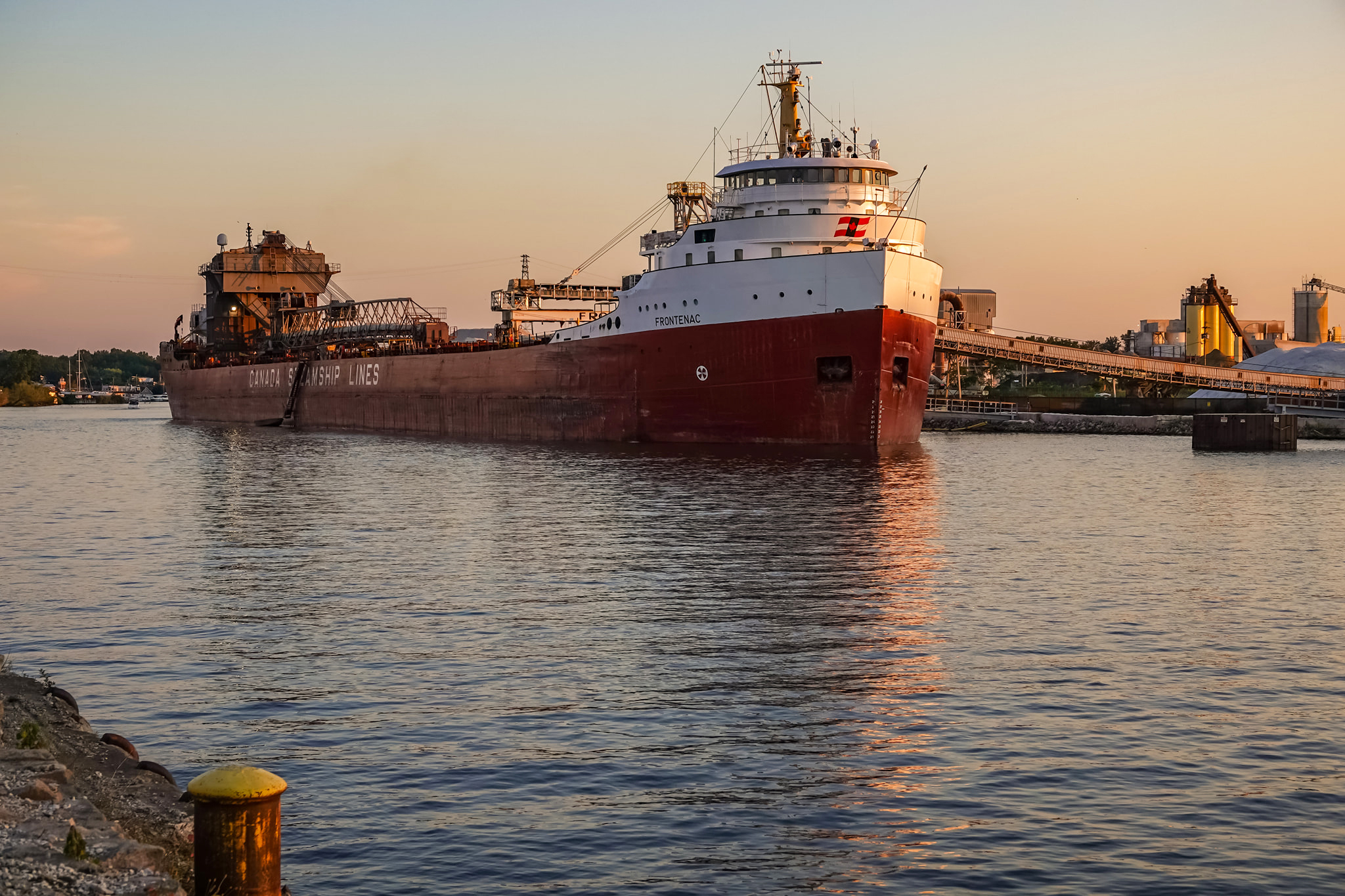
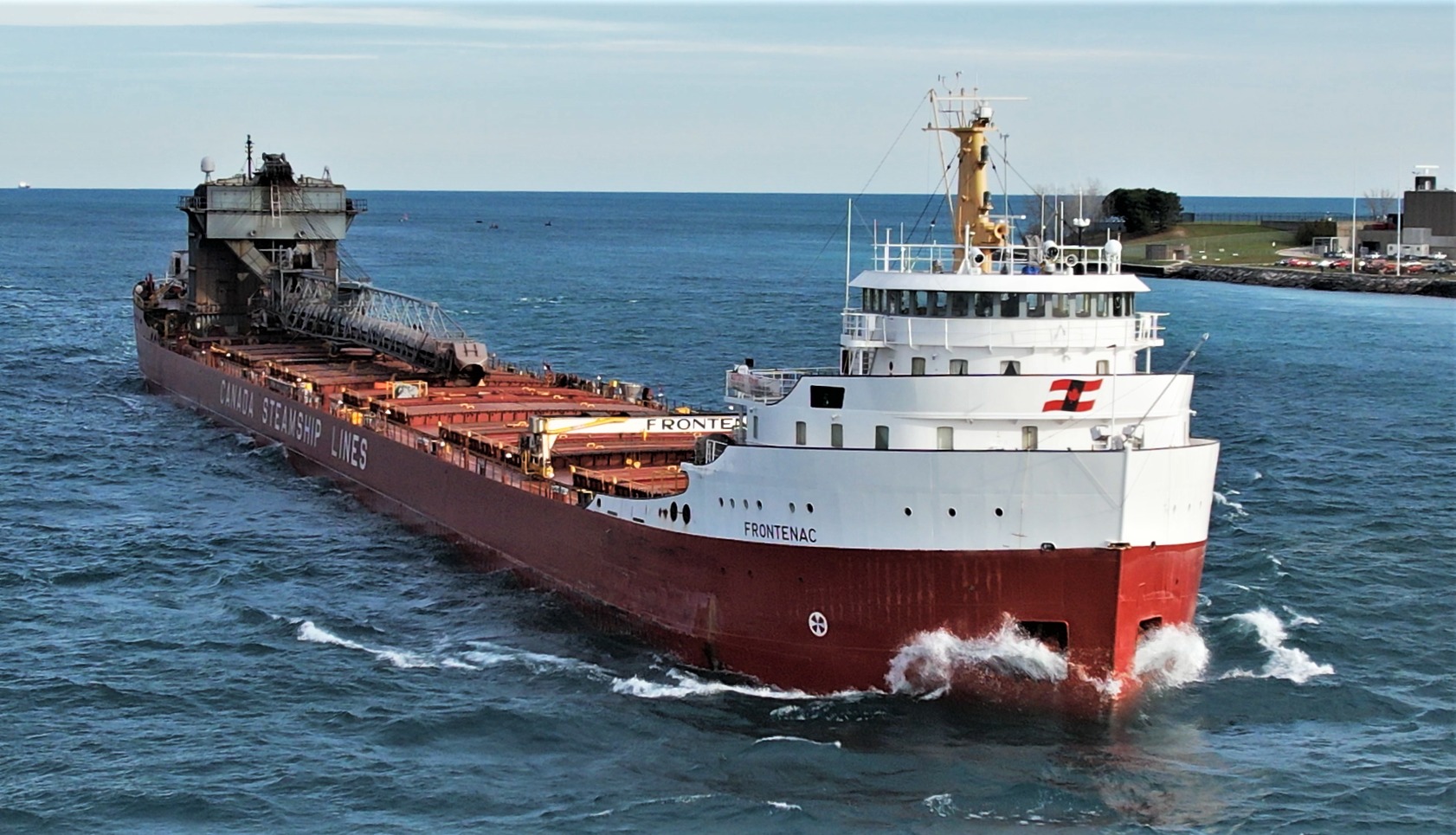
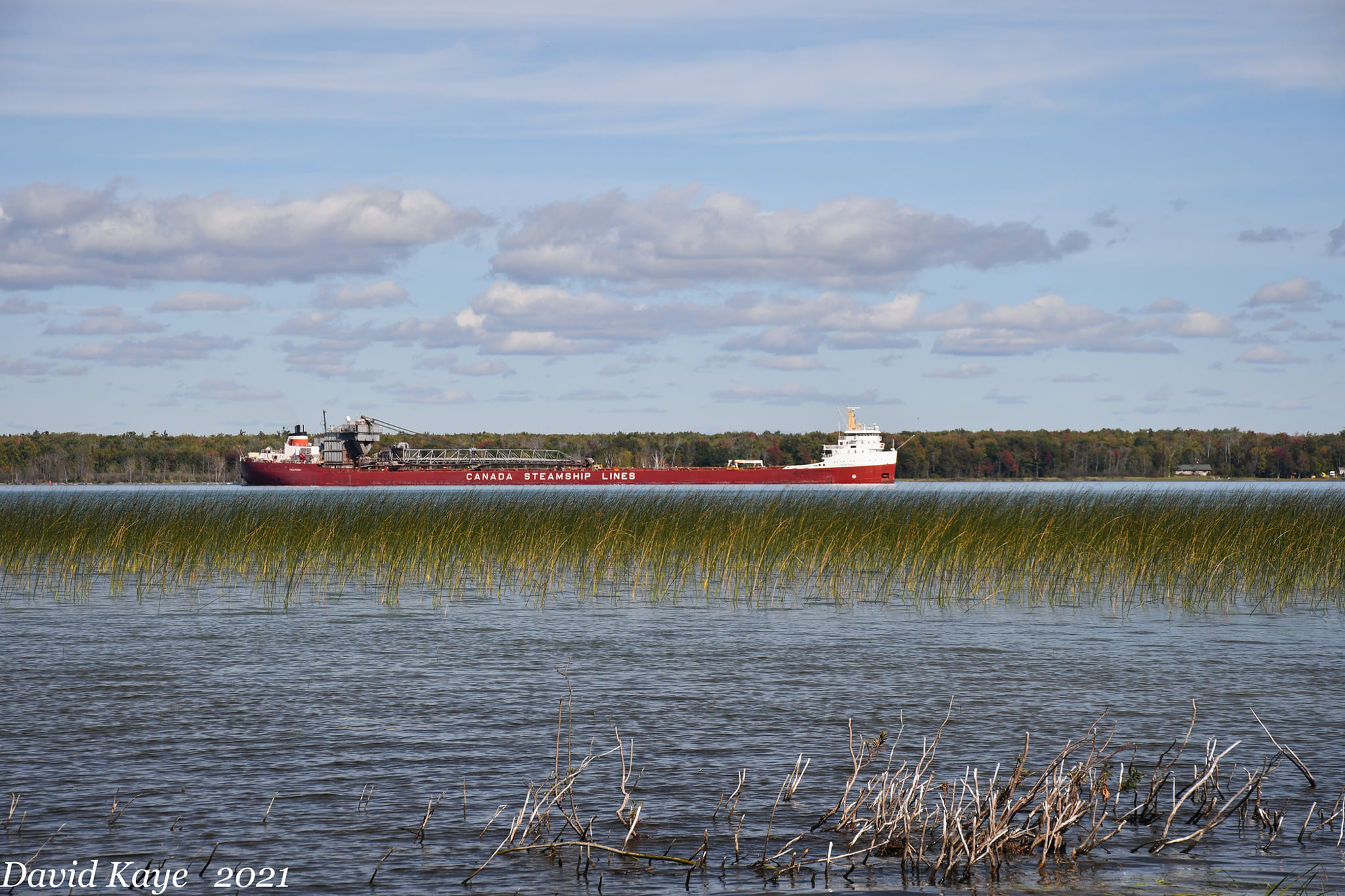
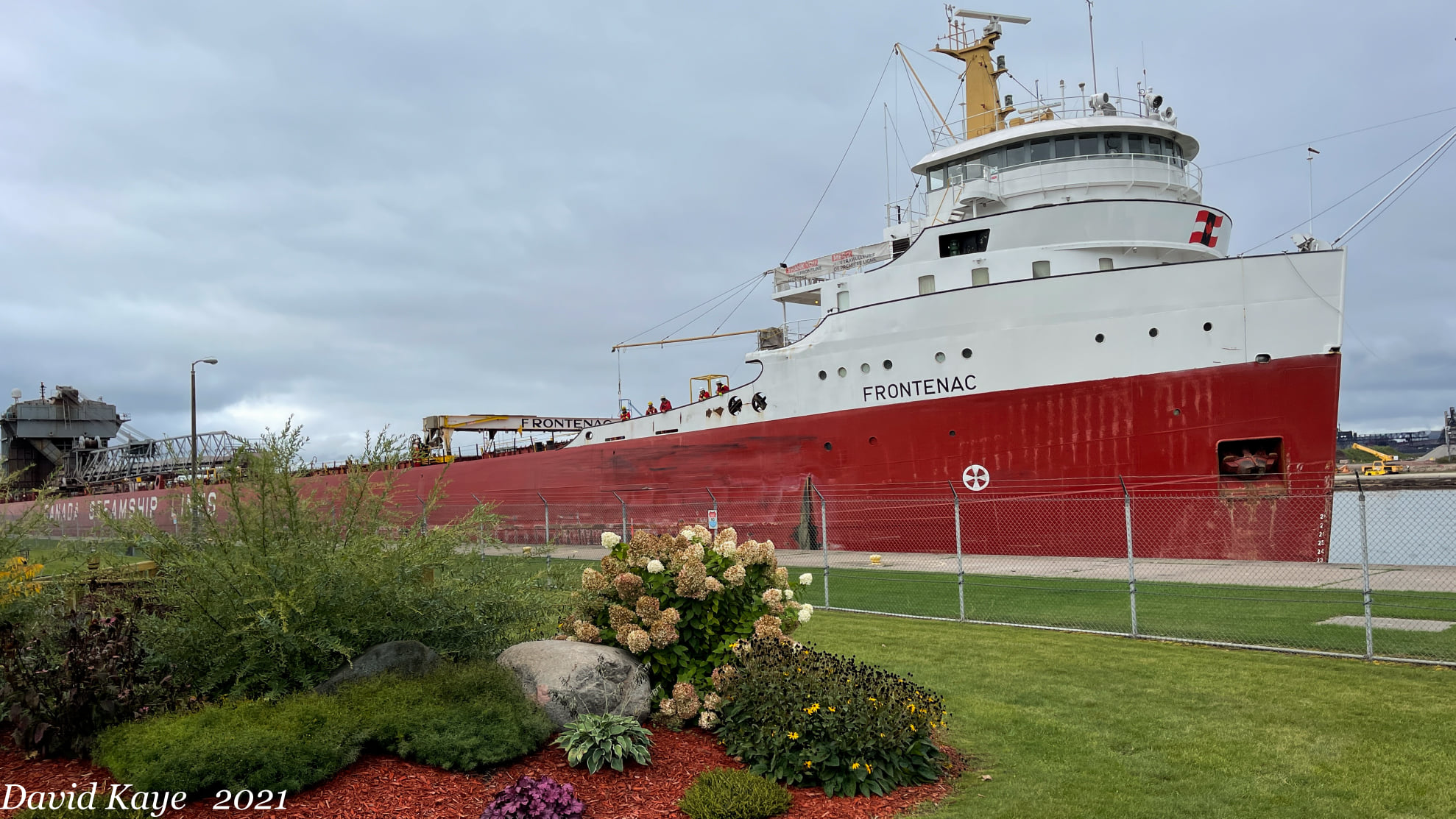
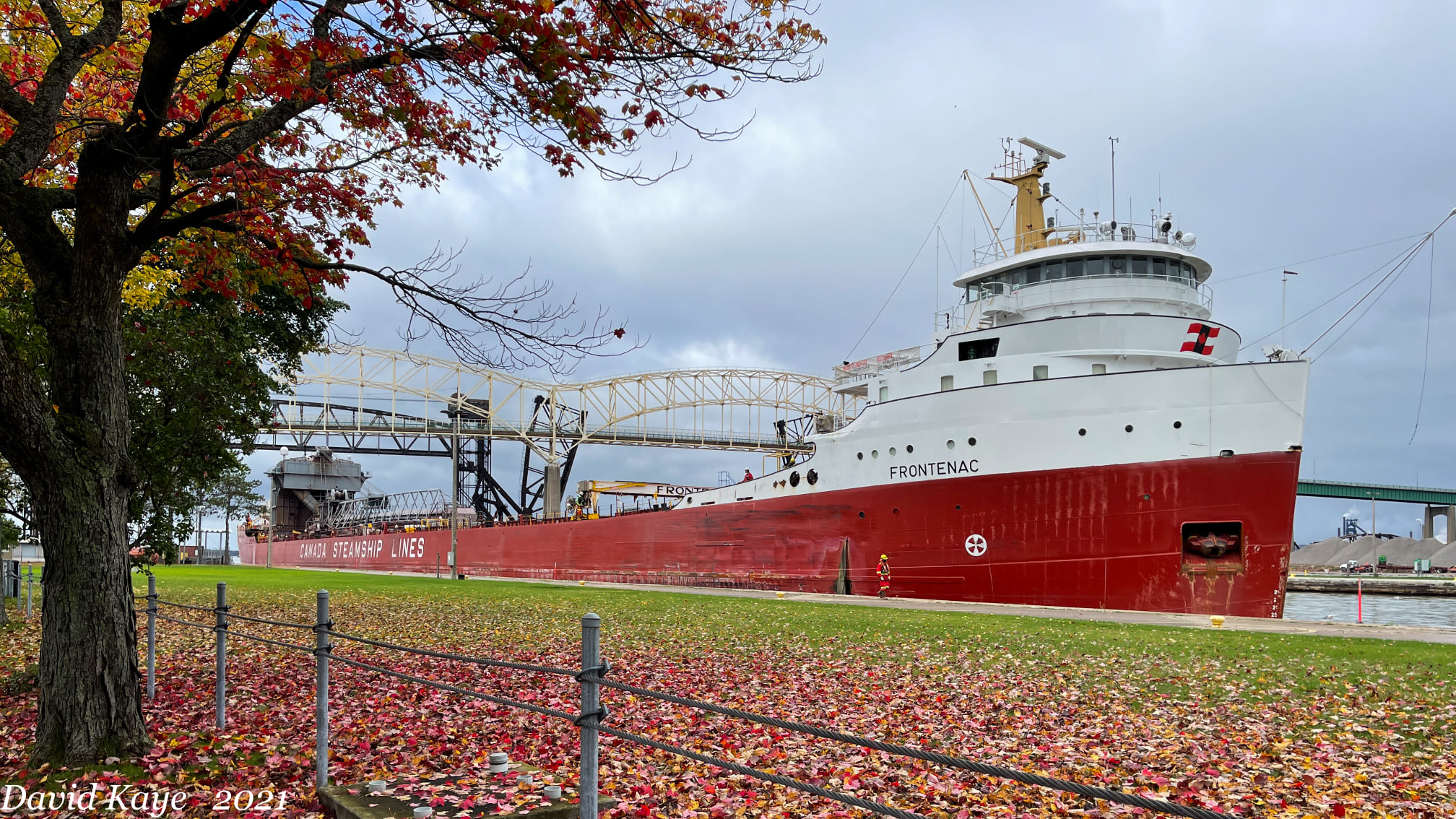
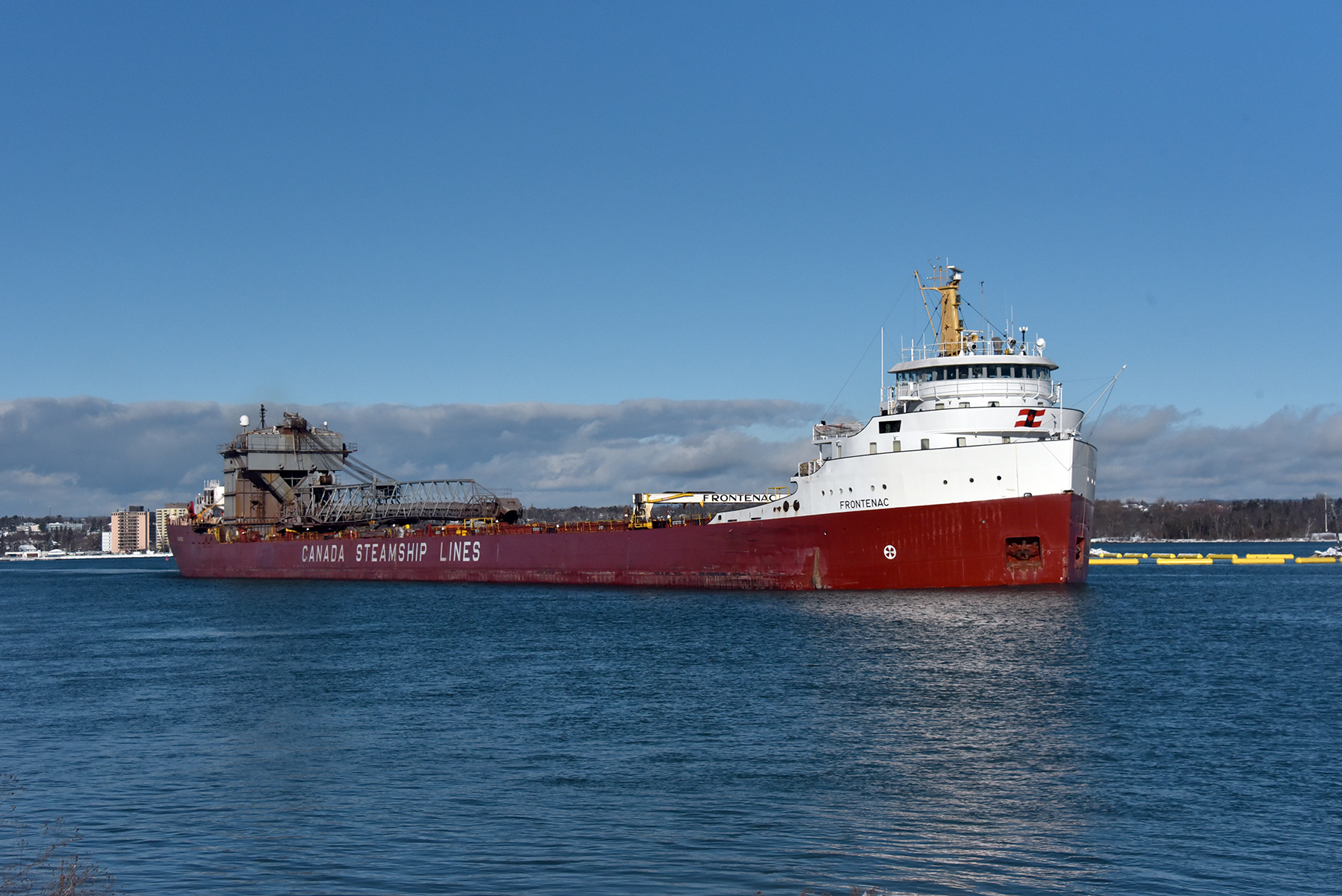
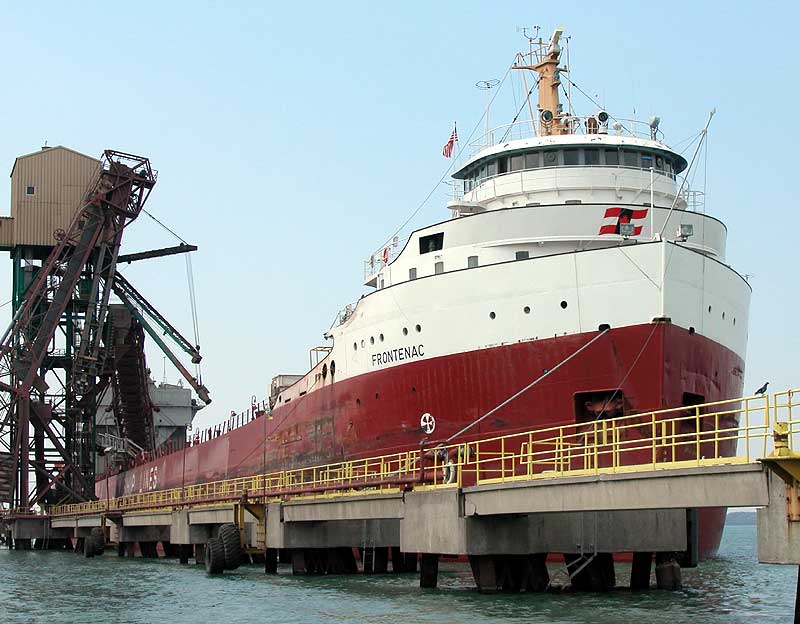
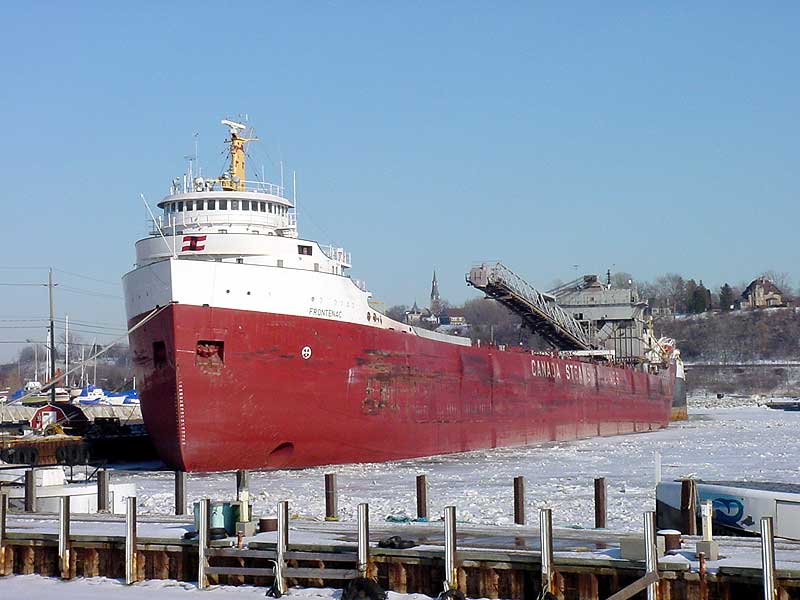
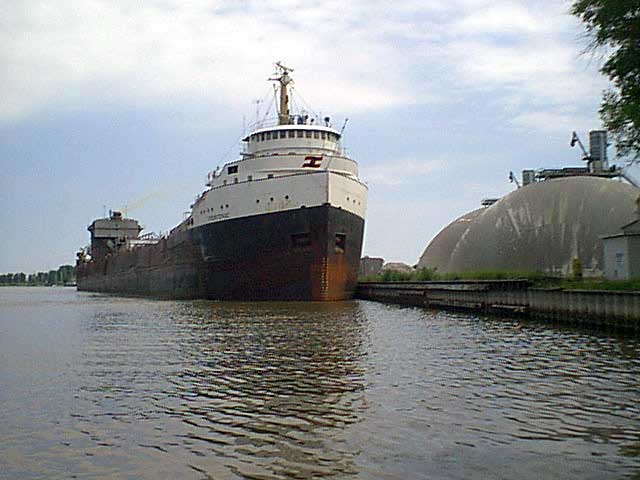
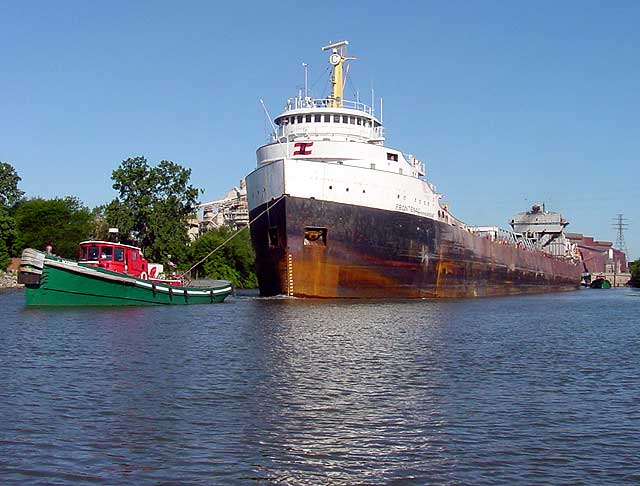
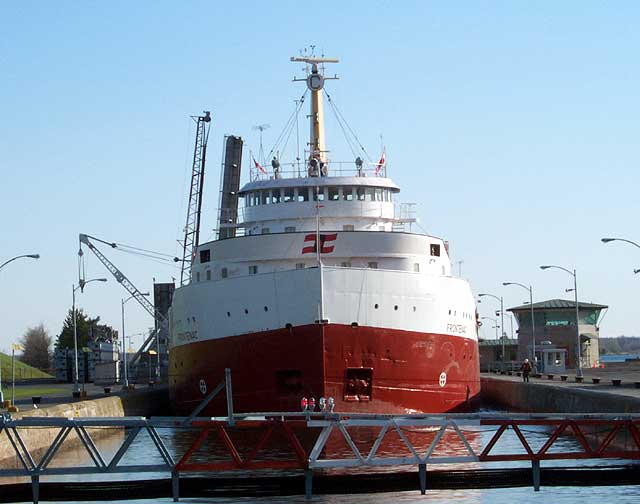
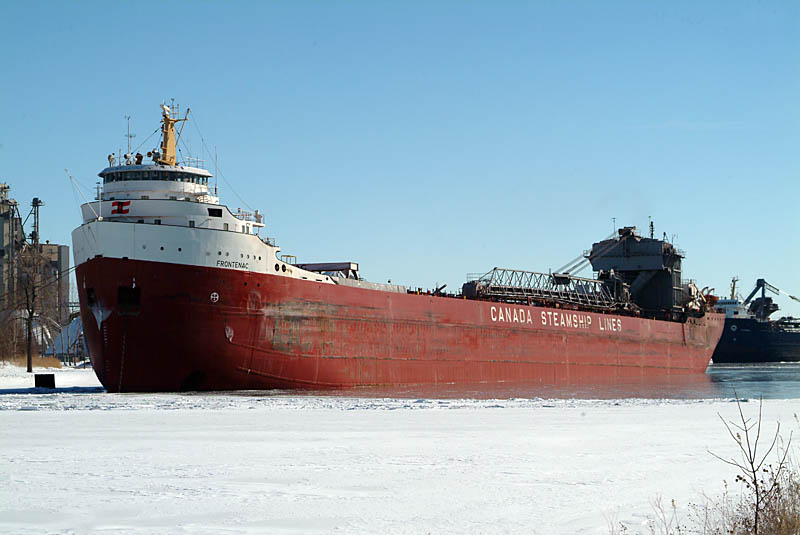
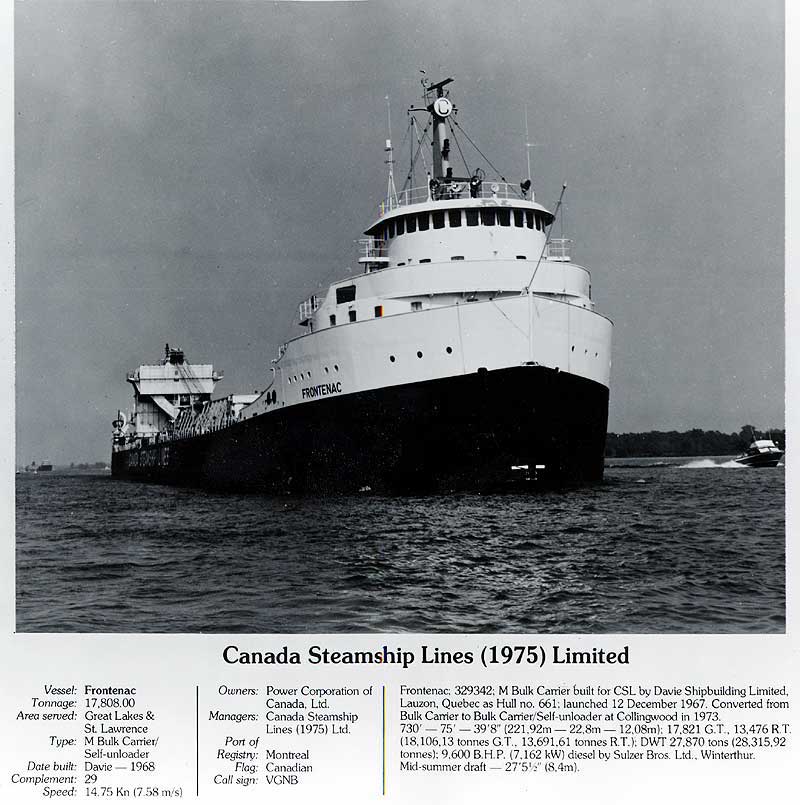
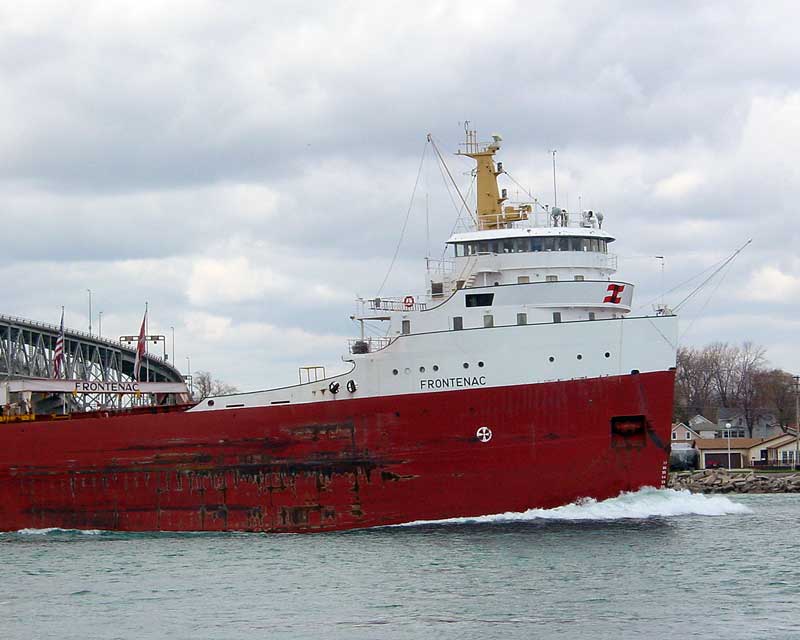
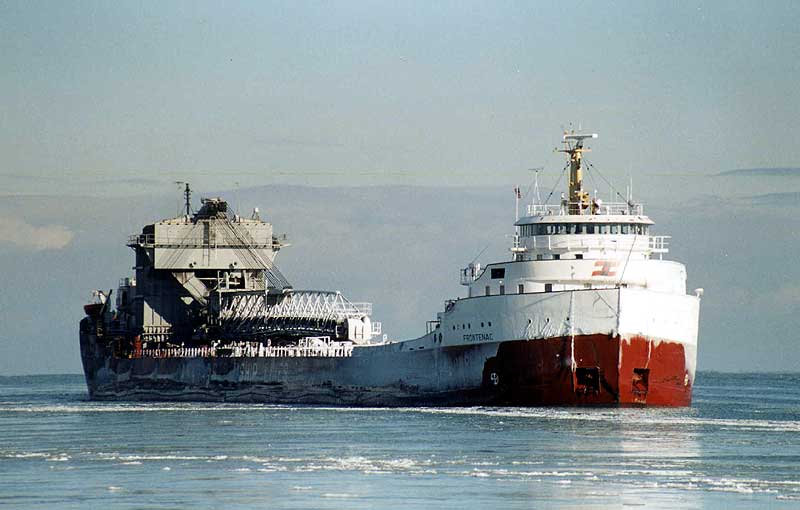
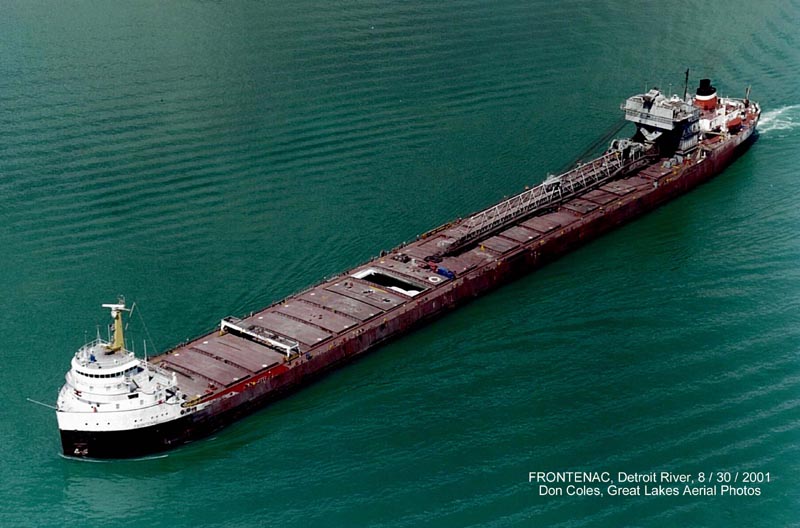
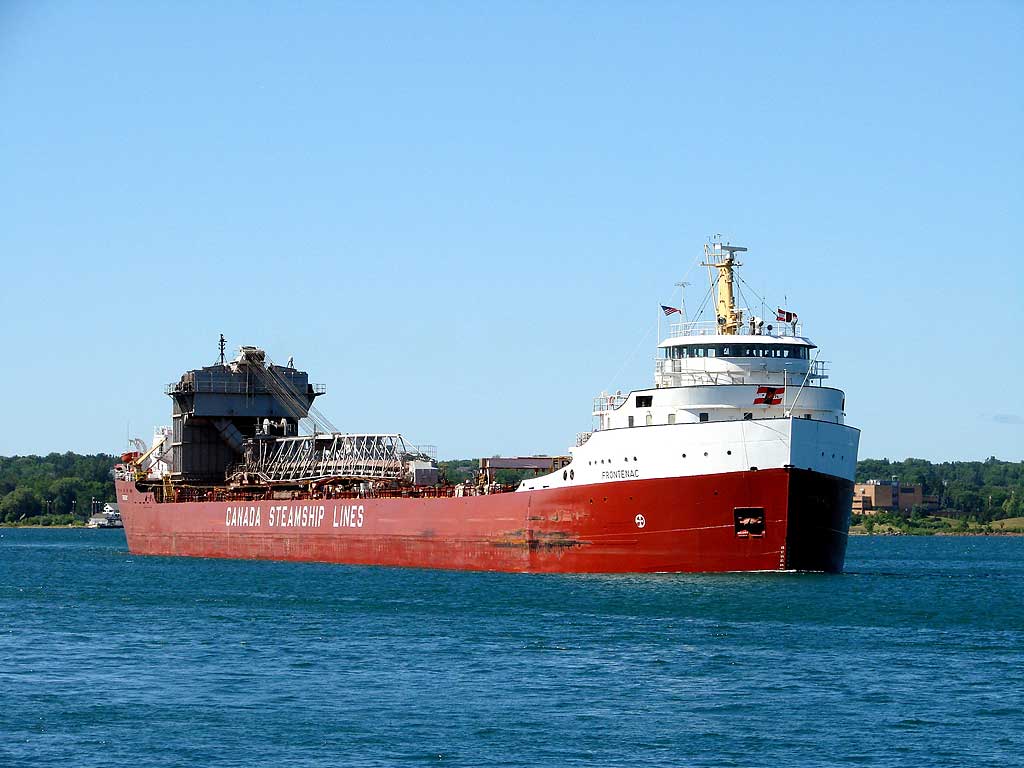
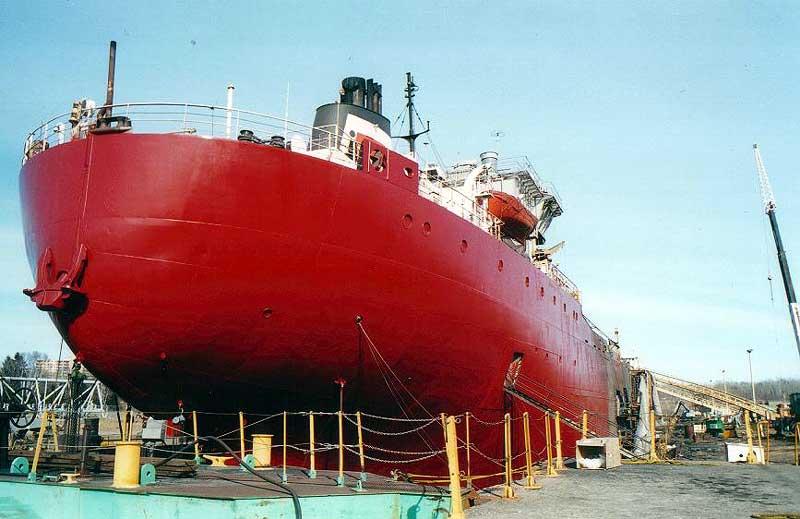
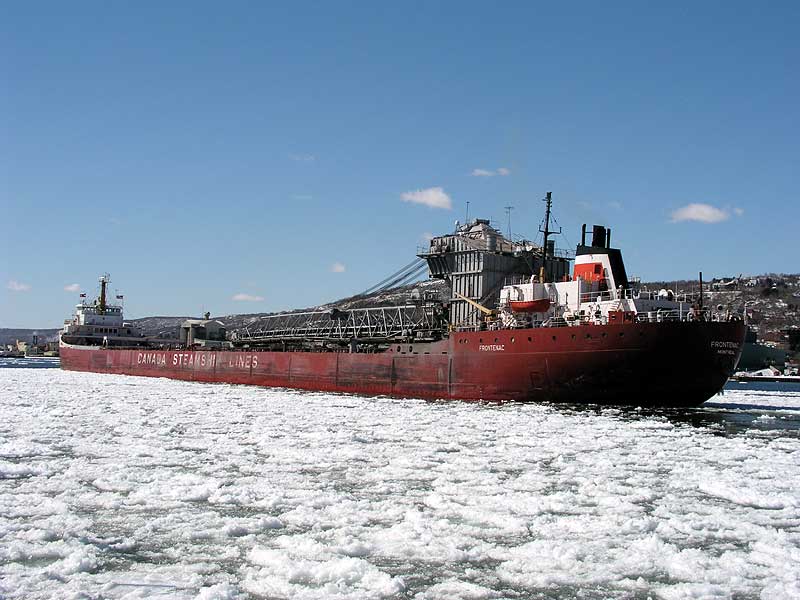
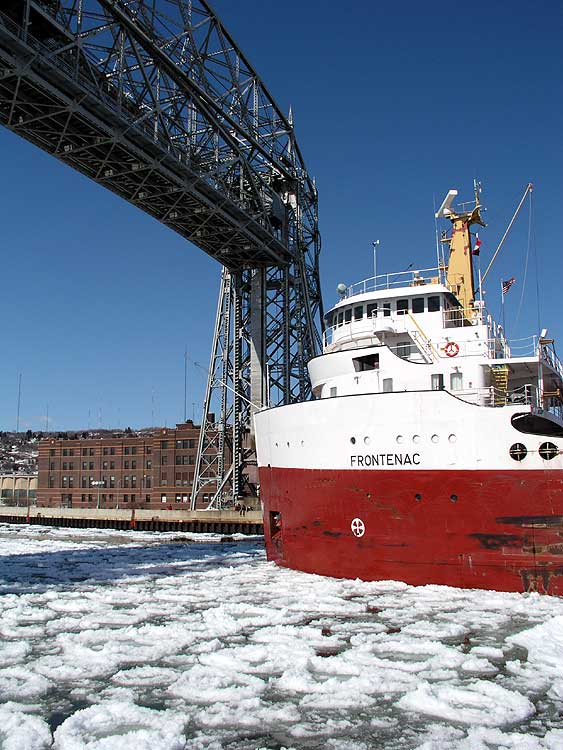
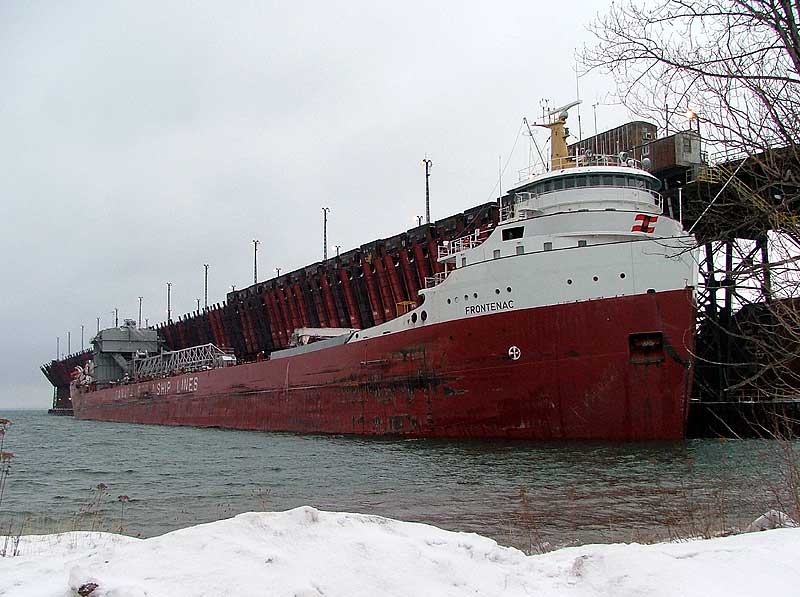
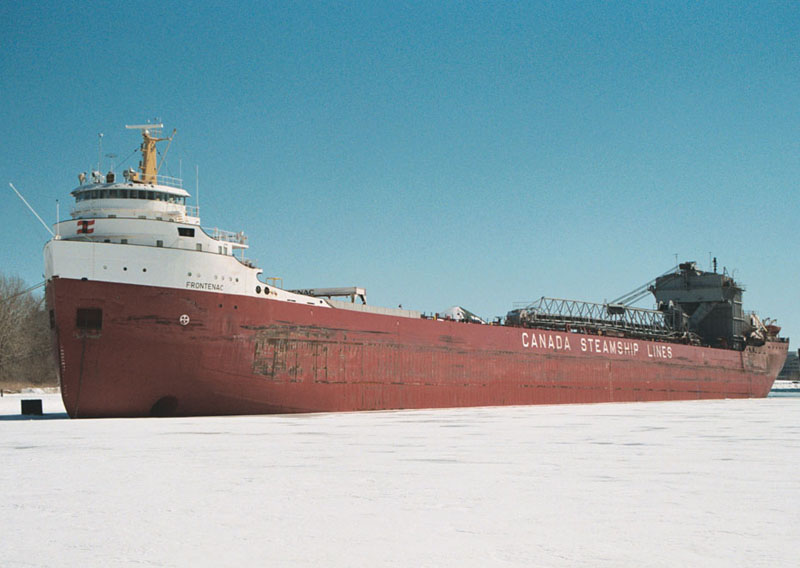
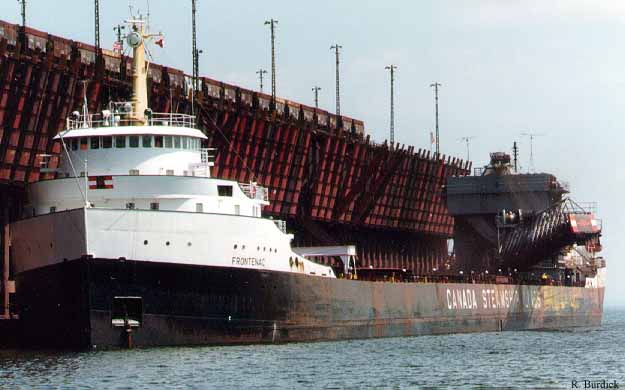
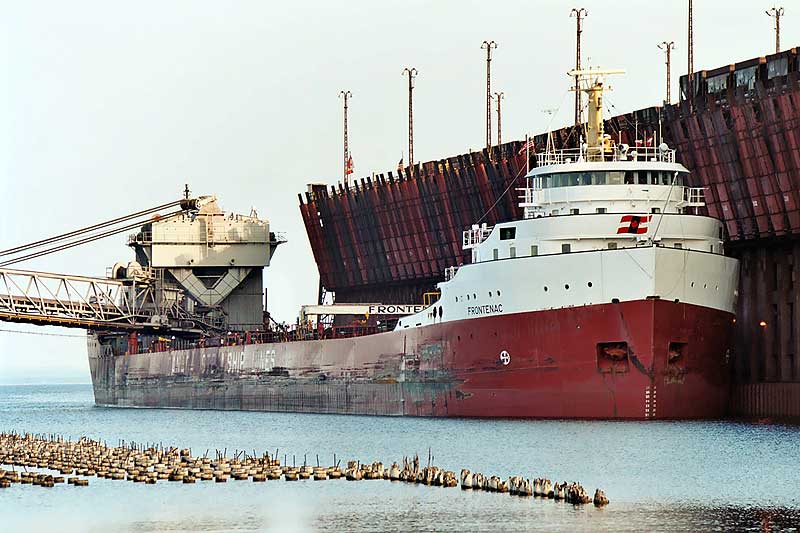
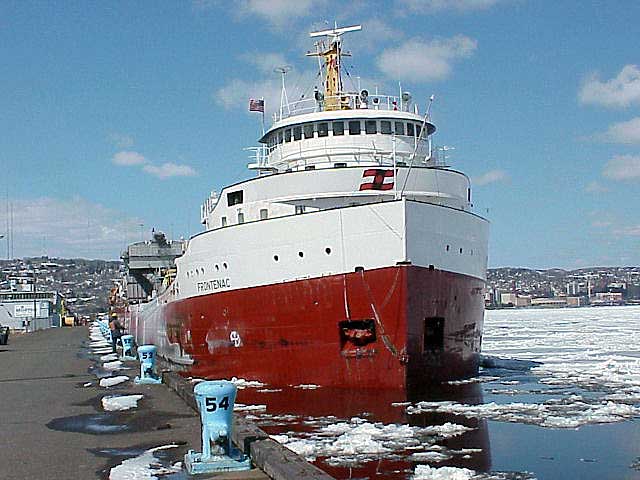
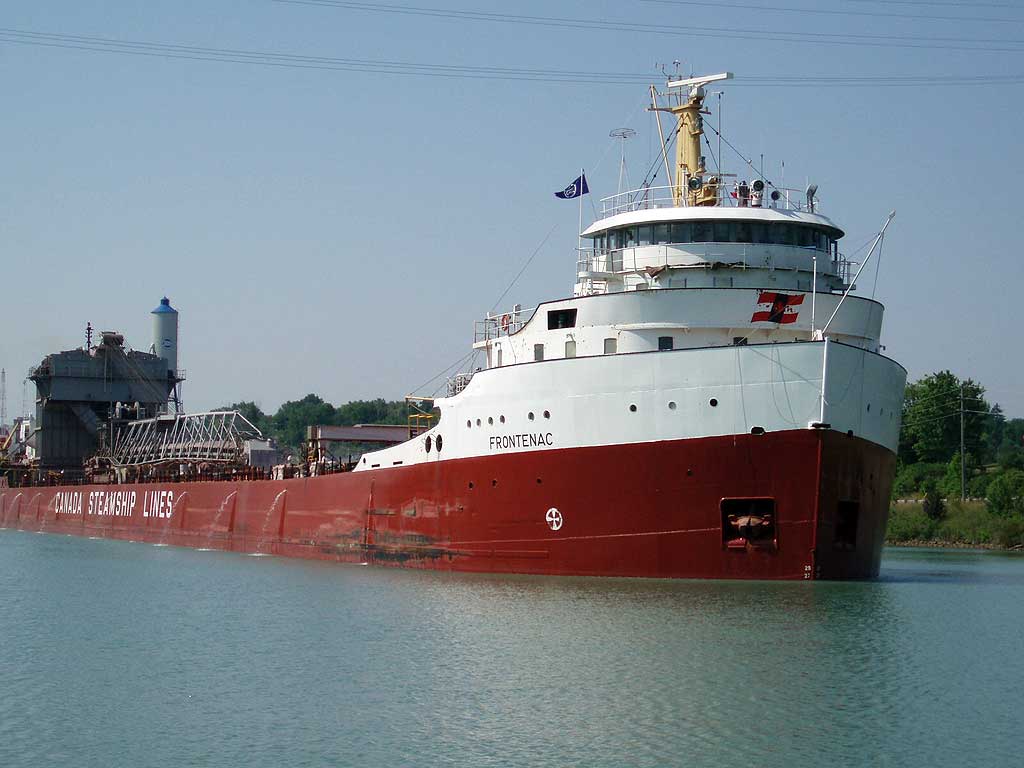
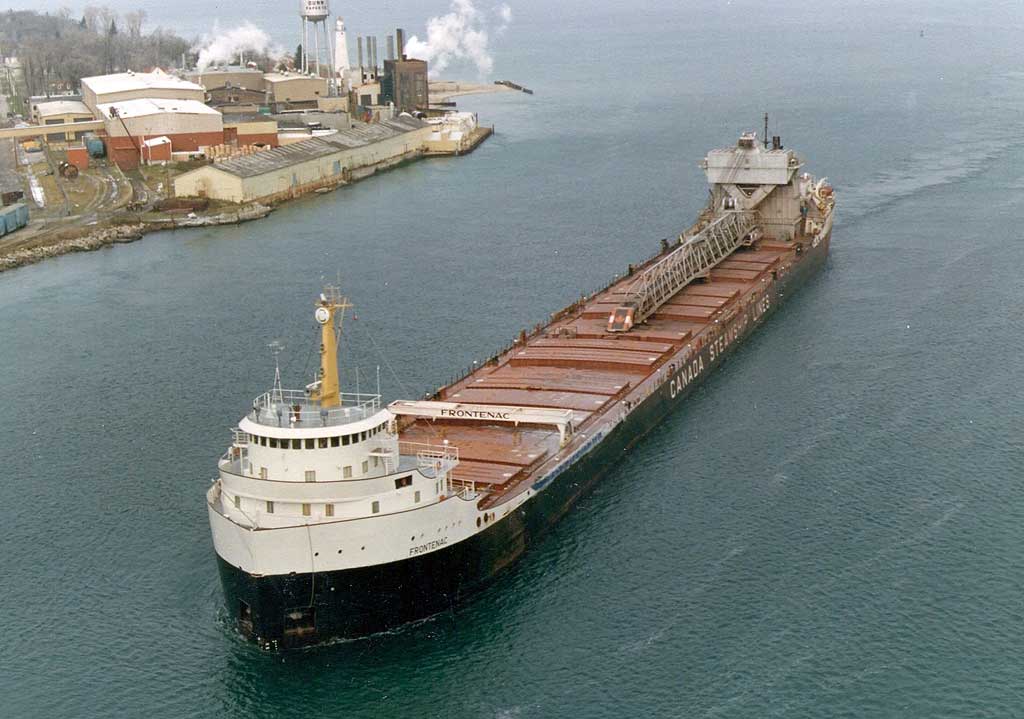
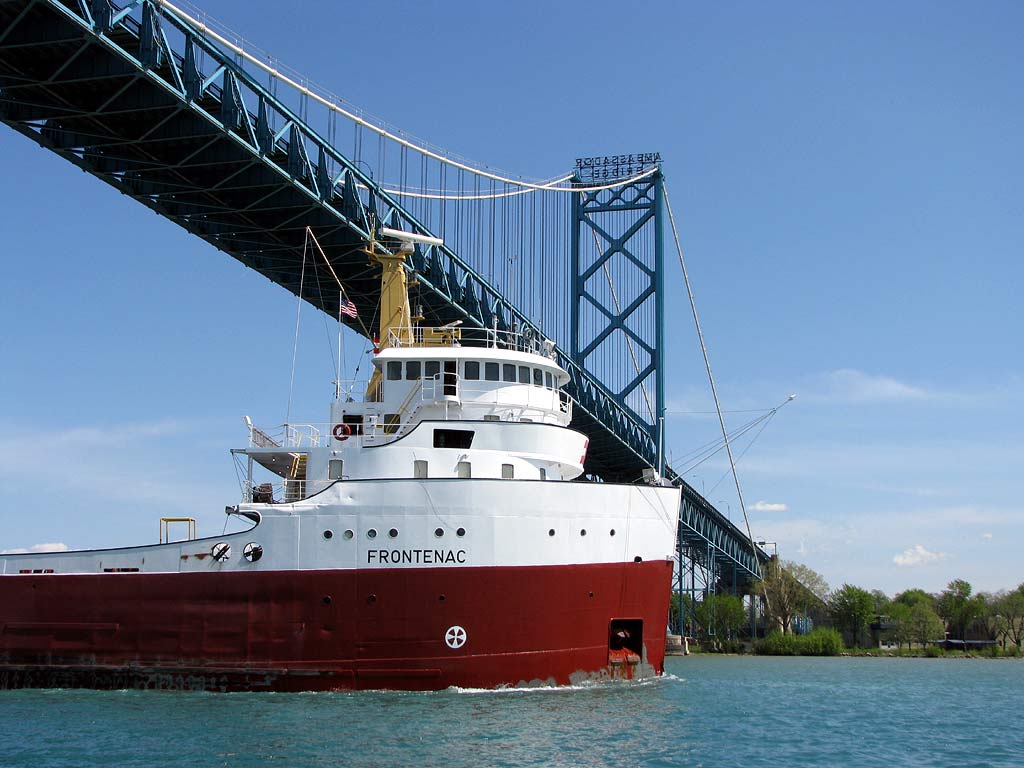
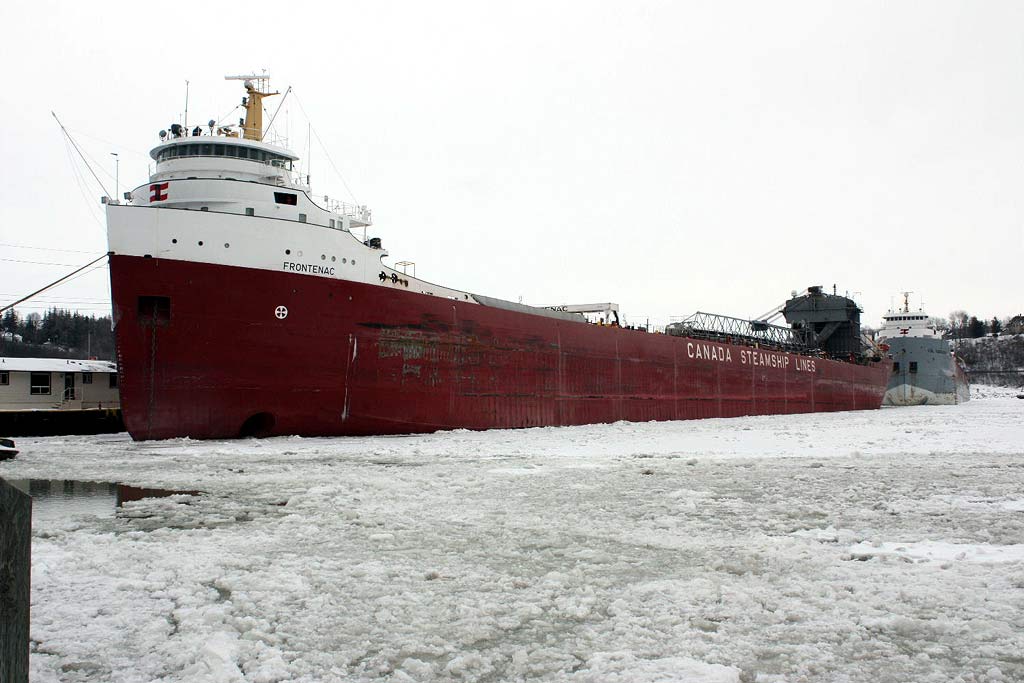
The keel was laid May 17, 1967 at Davie Shipbuilding Ltd., Lauzon, QC for their hull # 661 which has proven to be the last classic straight deck bulk carrier (wheelhouse forward) built for the Canada Steamship Lines fleet of Montreal, QC. The vessel was launched December 12, 1967 and christened Frontenac (5) for Canada Steamship Lines, Inc. The Frontenac was named in honor of Mr. Louis de Buade, Comte de Frontenac at Palluau who was born in 1620 and was the governor of New France from 1672 to 1682 and 1689 until he died in 1698. He had been given authority by the French government to preside over all French possessions in North America. The new laker was commissioned on May 13, 1968 and loaded 25,492 tons (25,902 mt) of iron ore at Pointe Noire, QC on May 14 for her maiden voyage to Hamilton, ON; then on to Thunder Bay, ON for a load of grain to Montreal, QC.
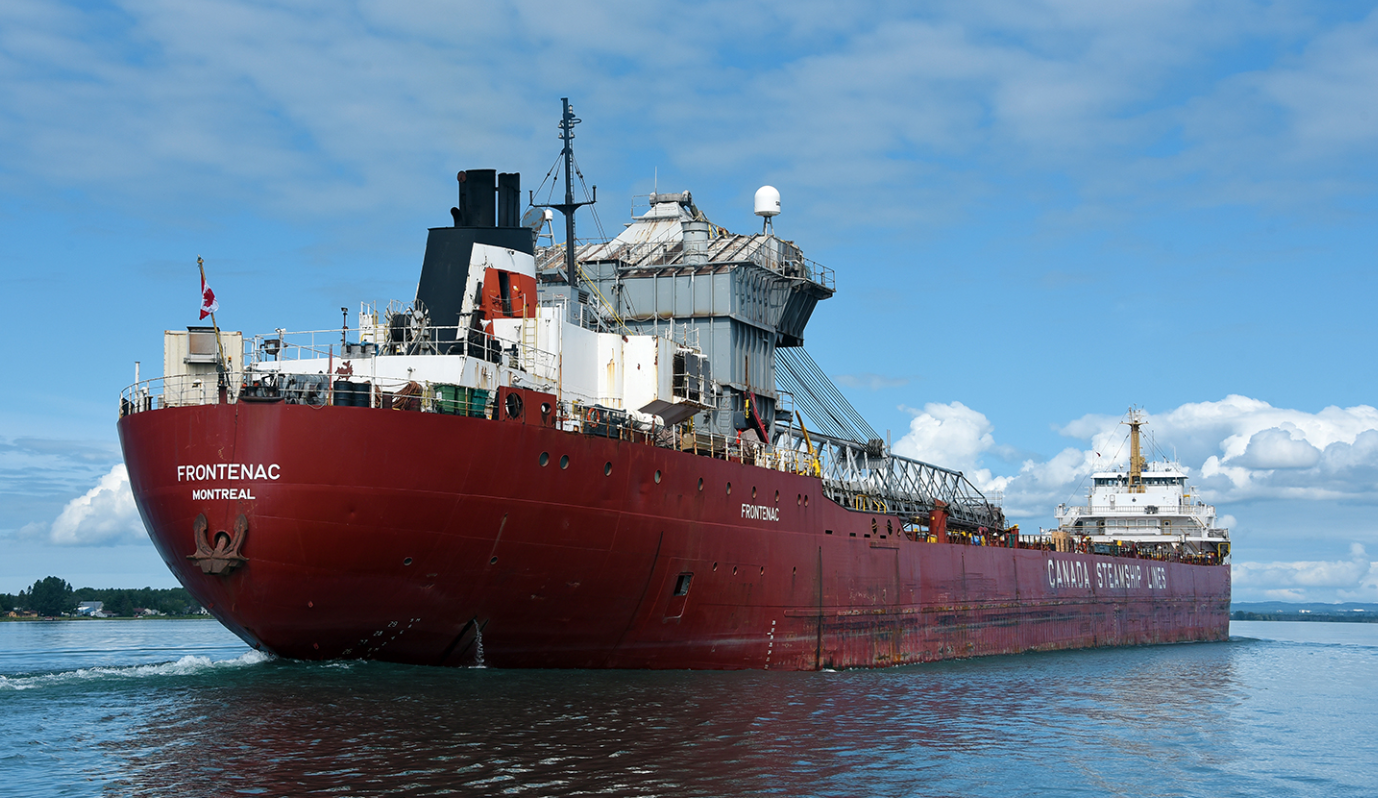
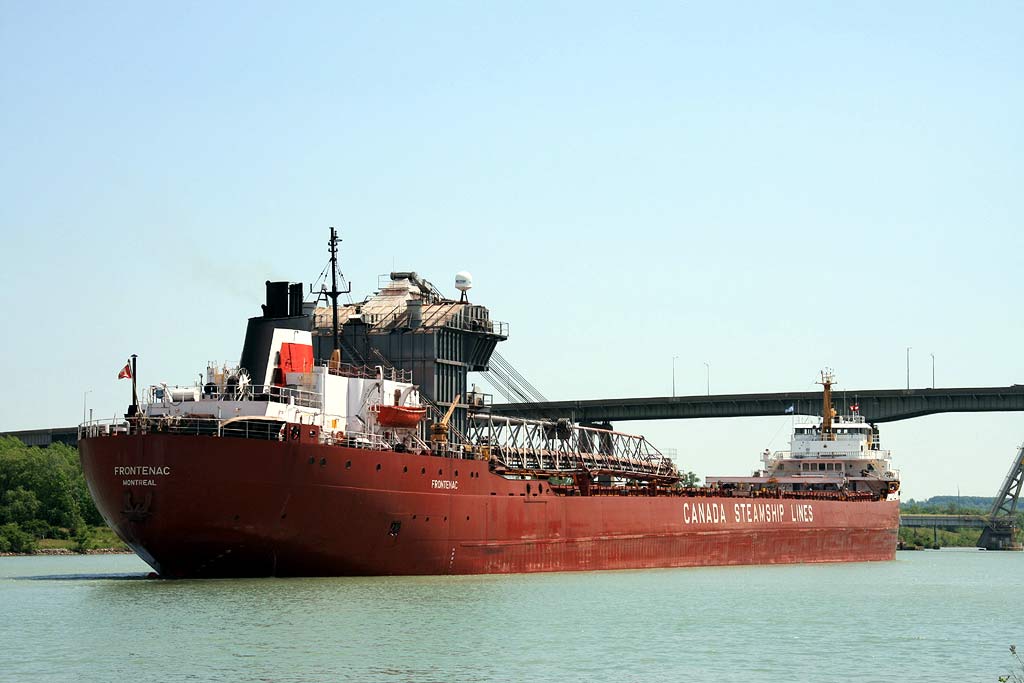
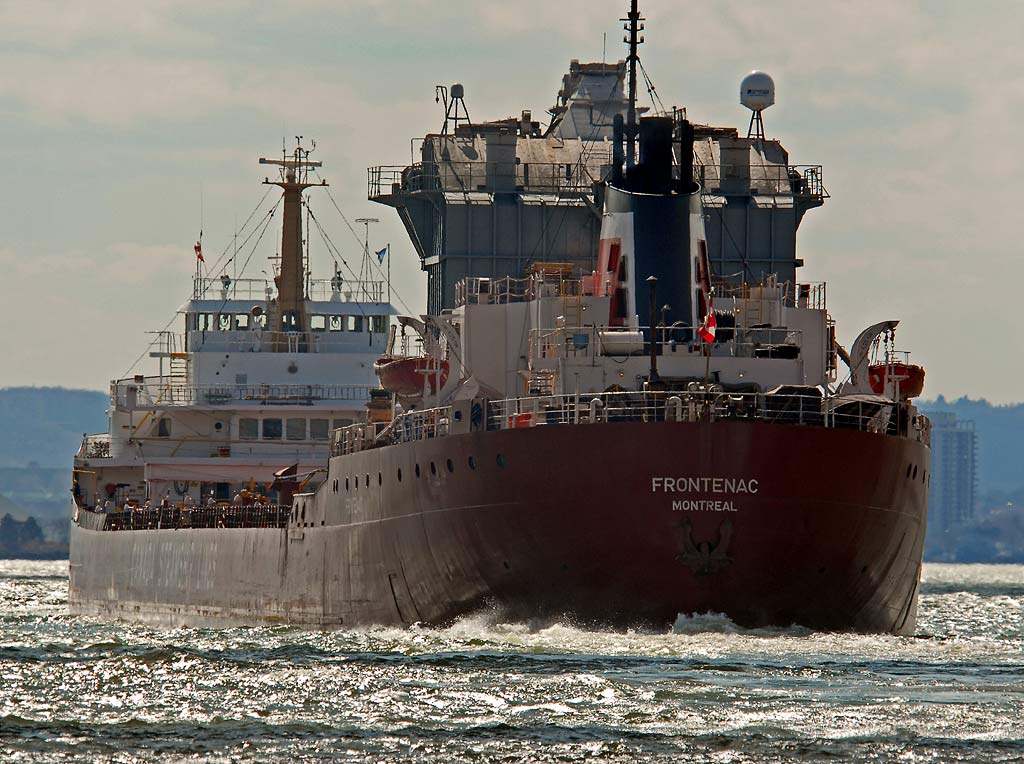
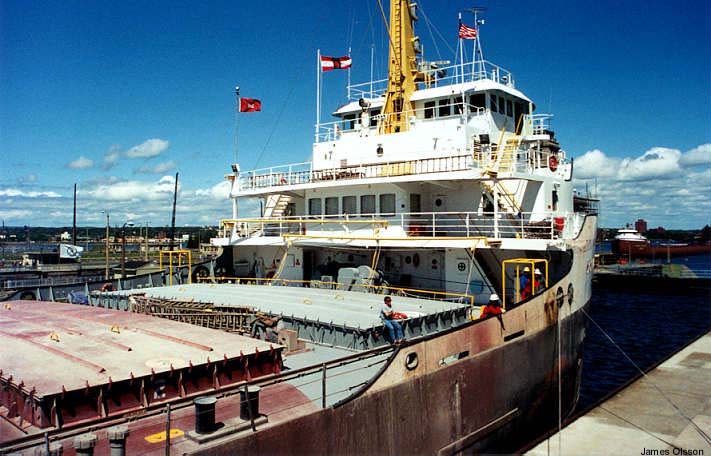
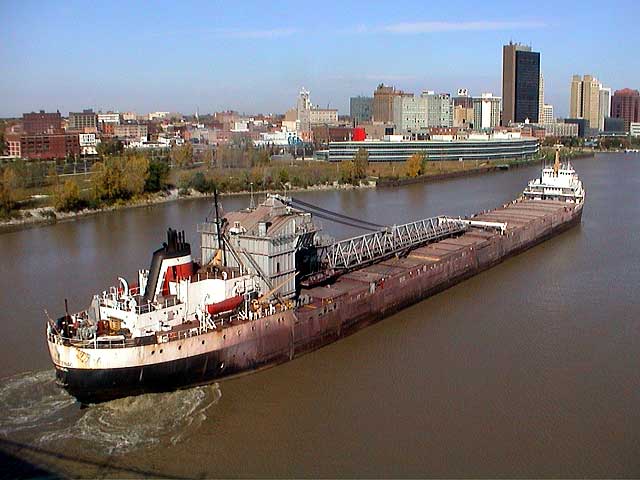
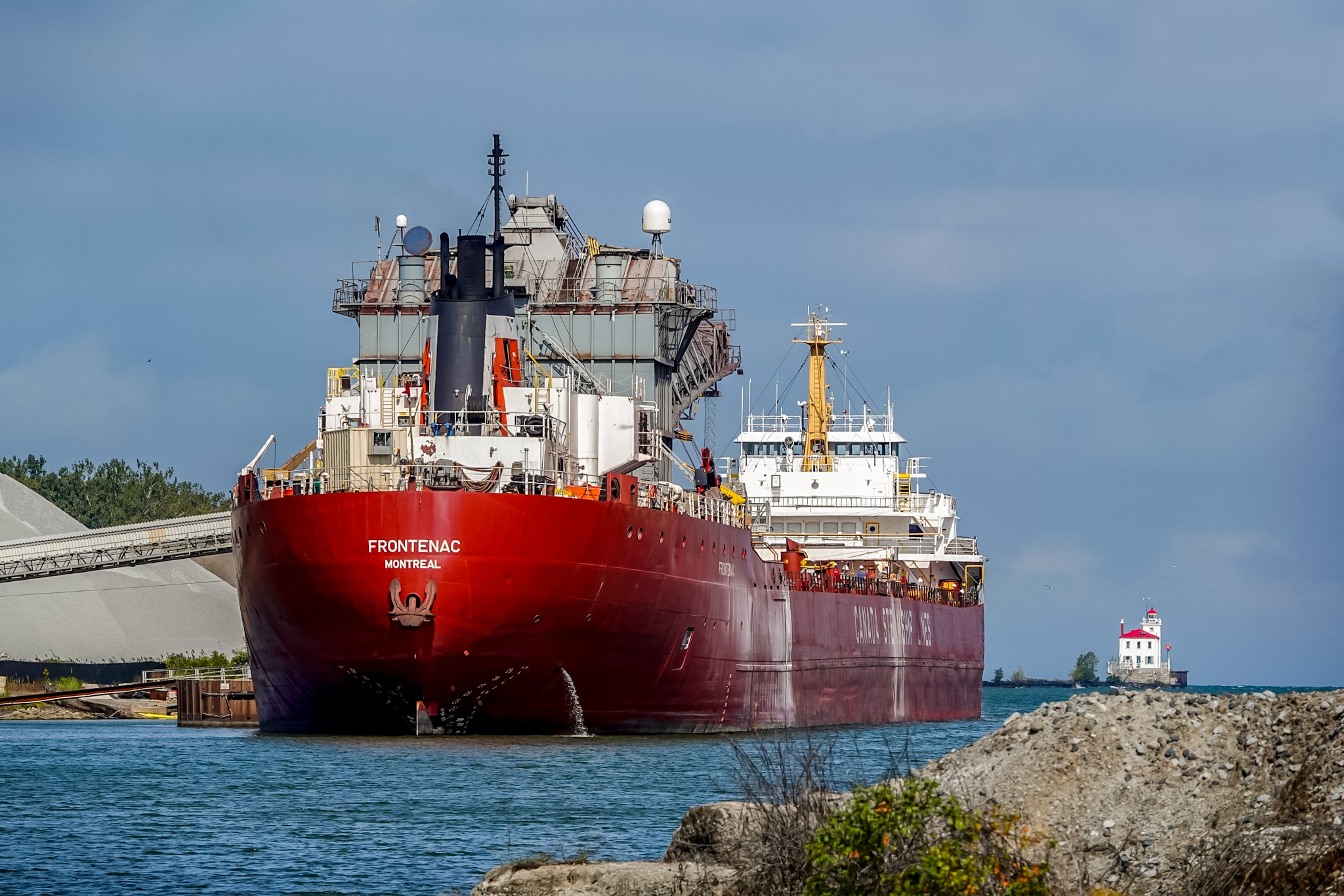
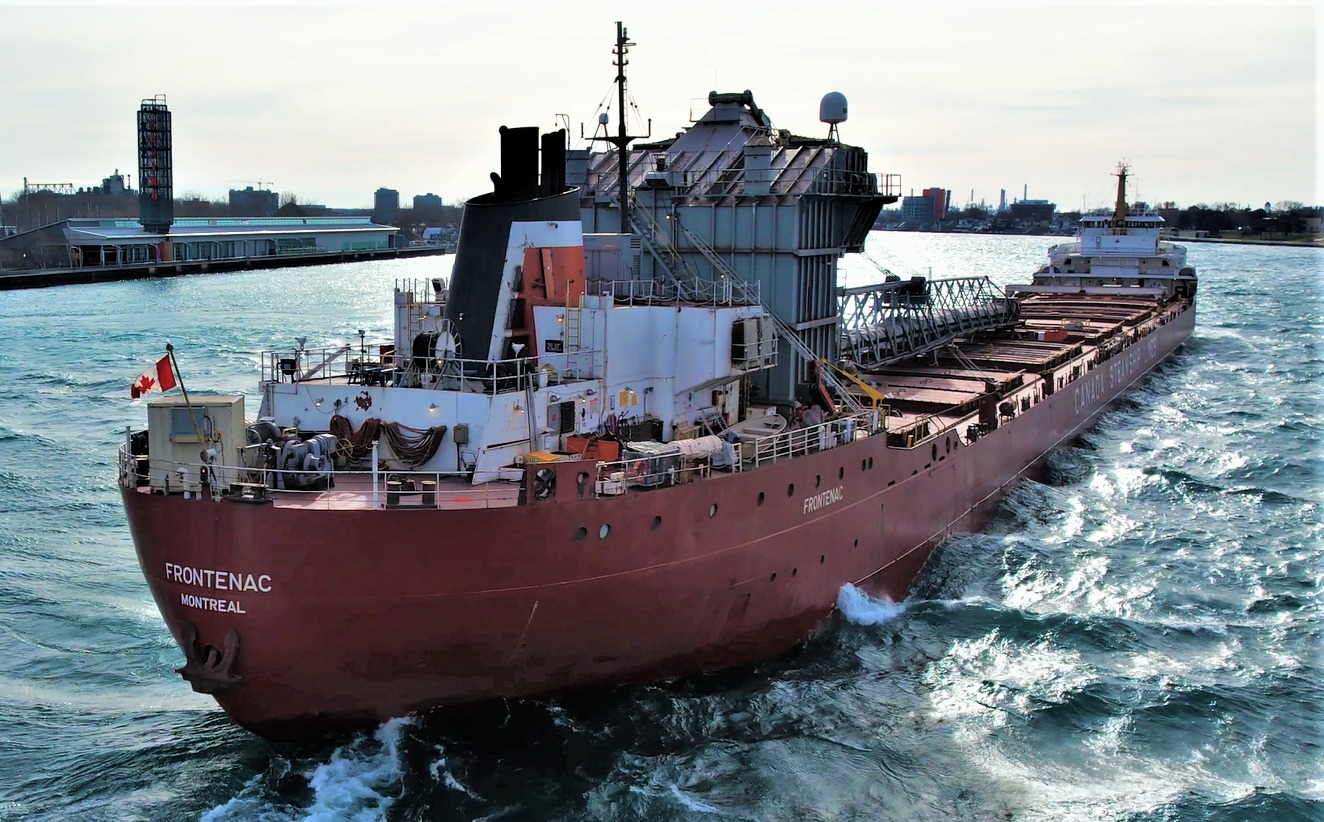
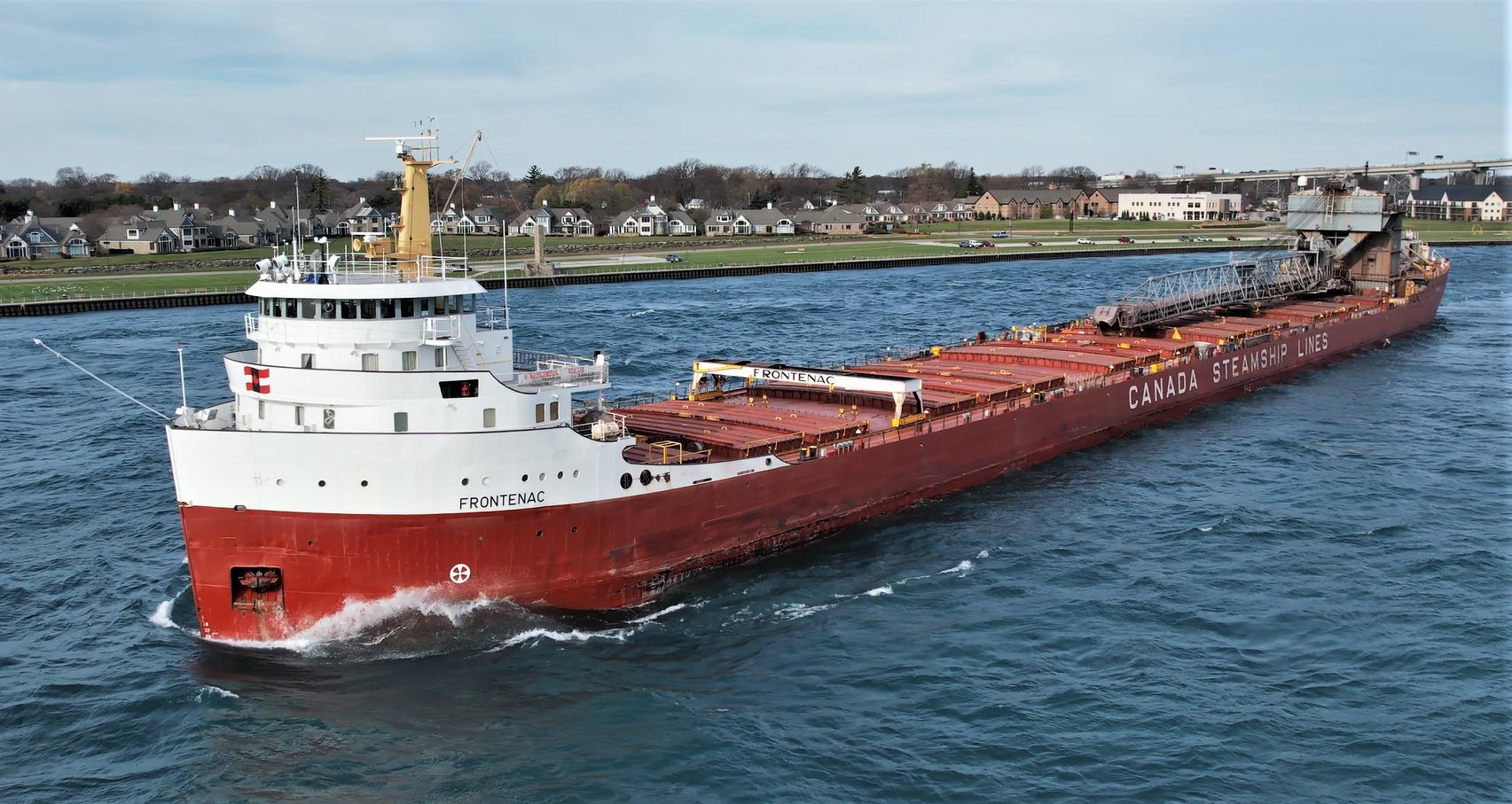
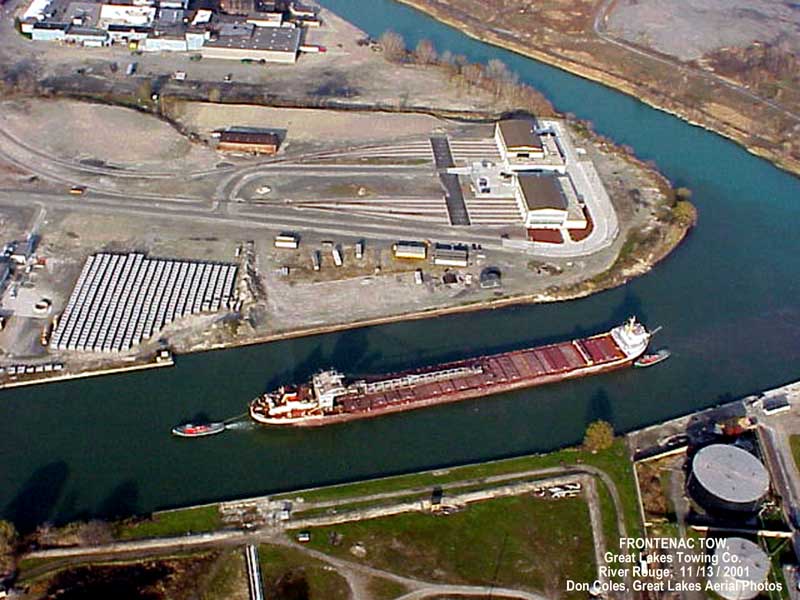
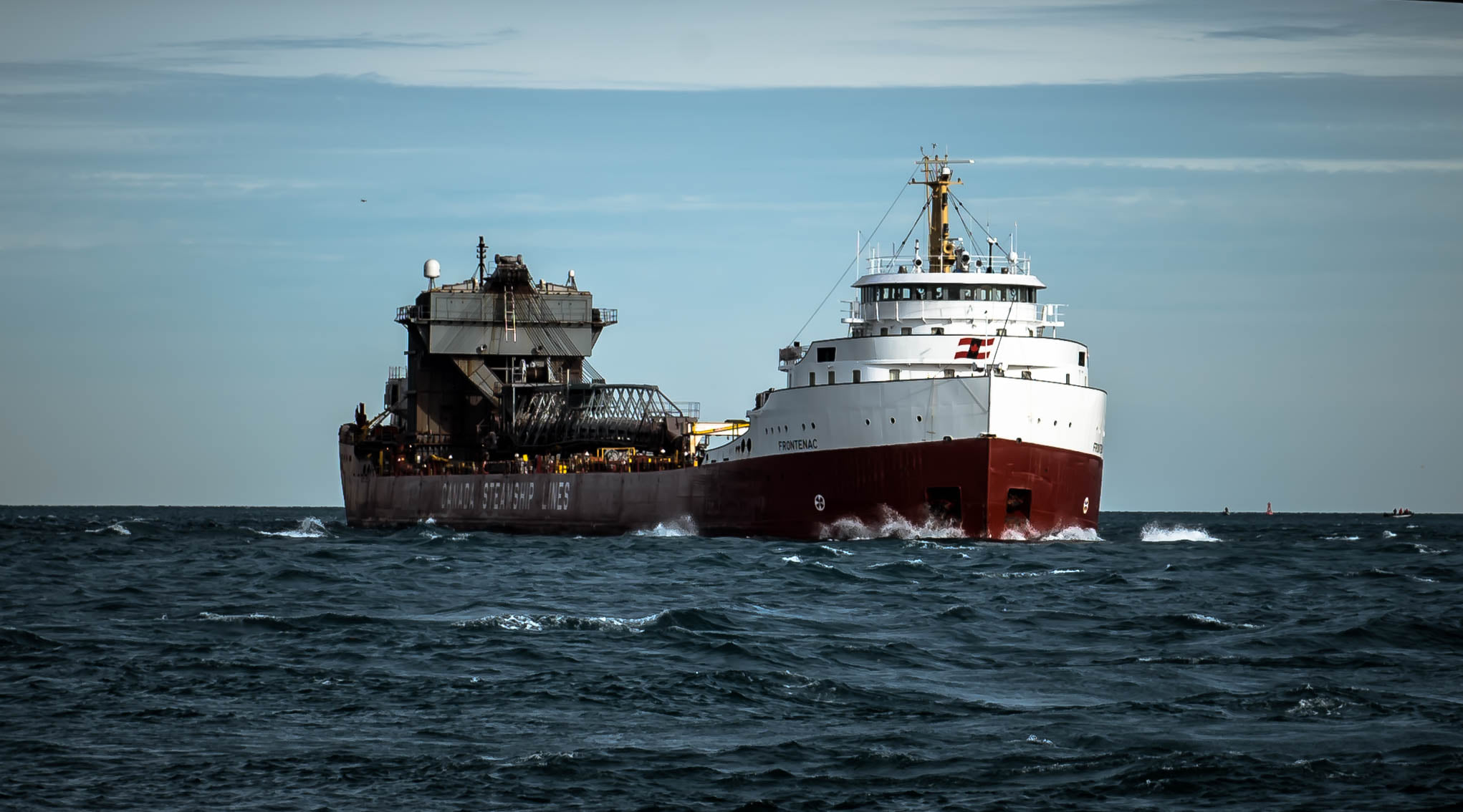
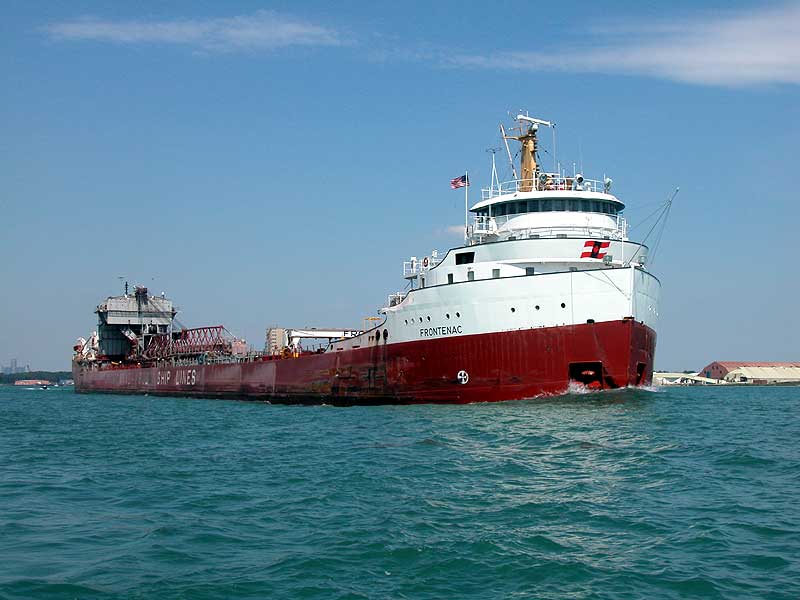
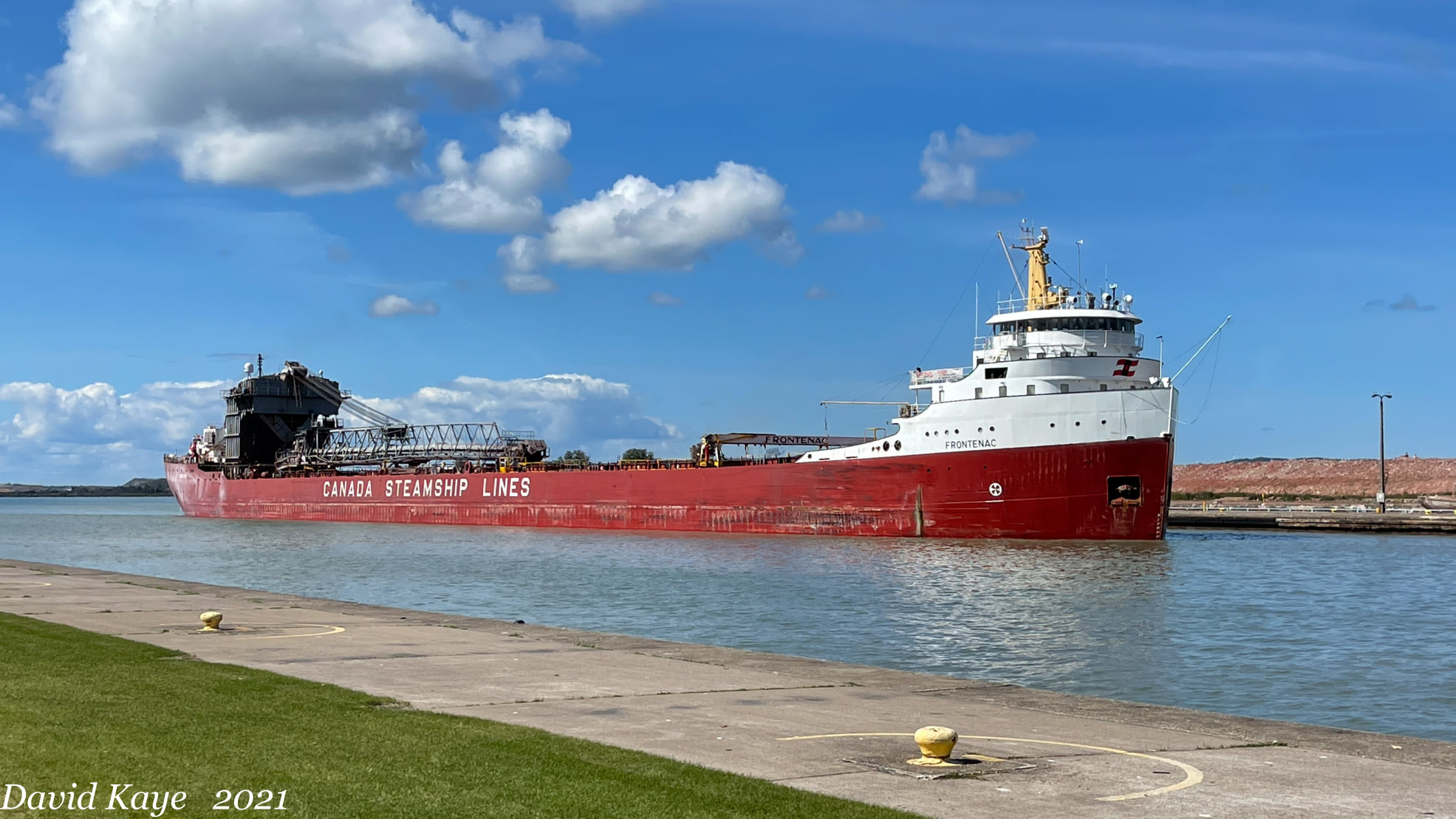
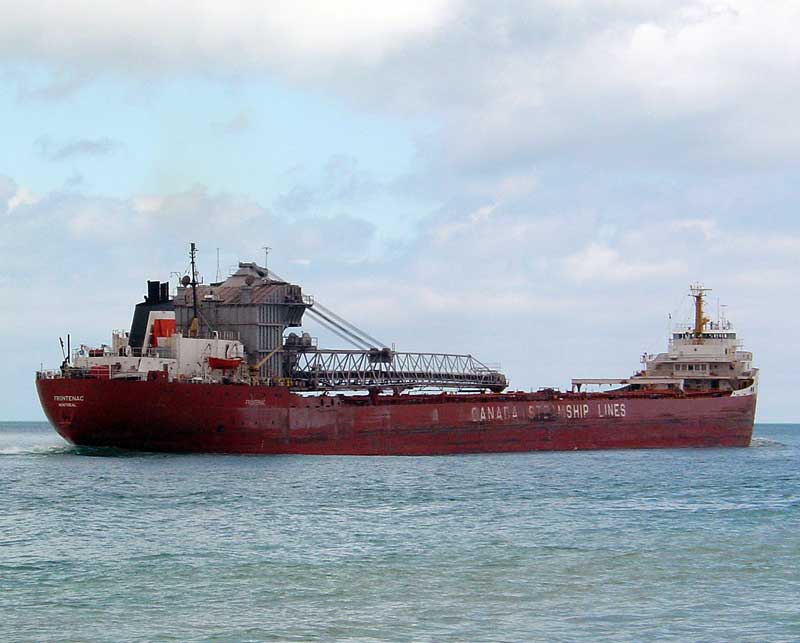
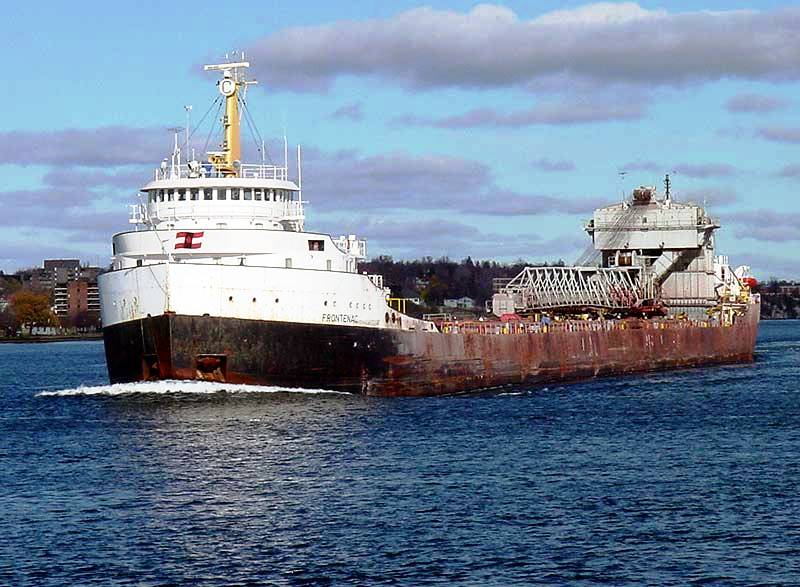
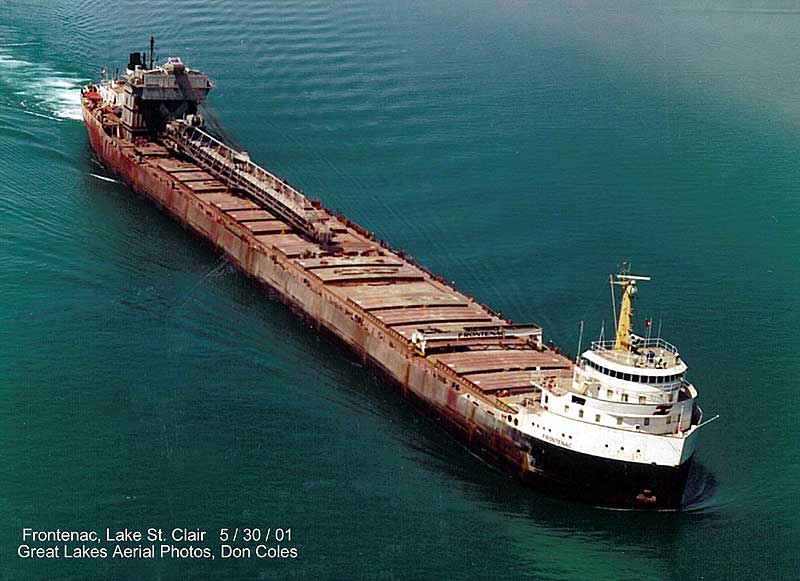
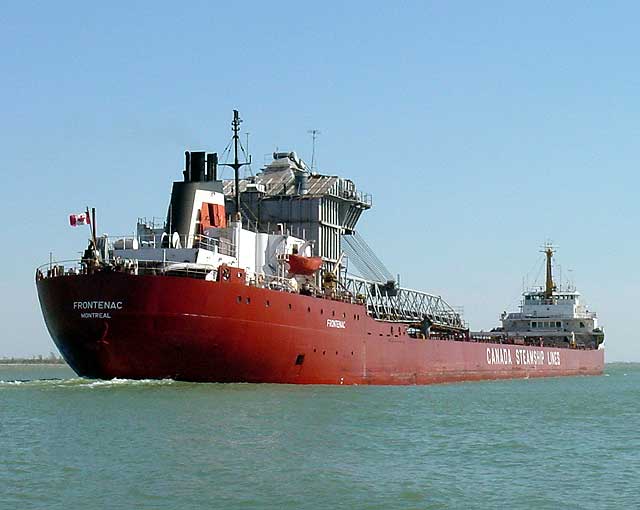
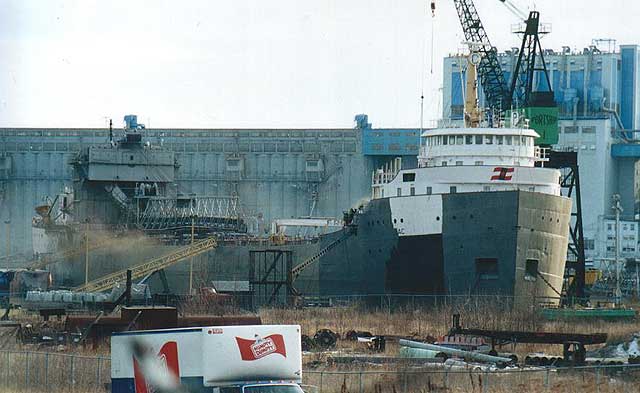
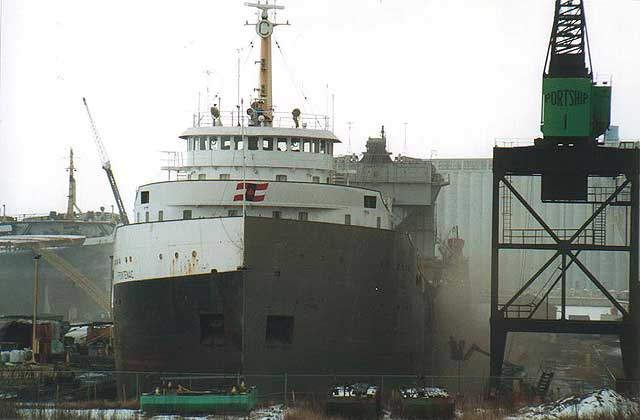
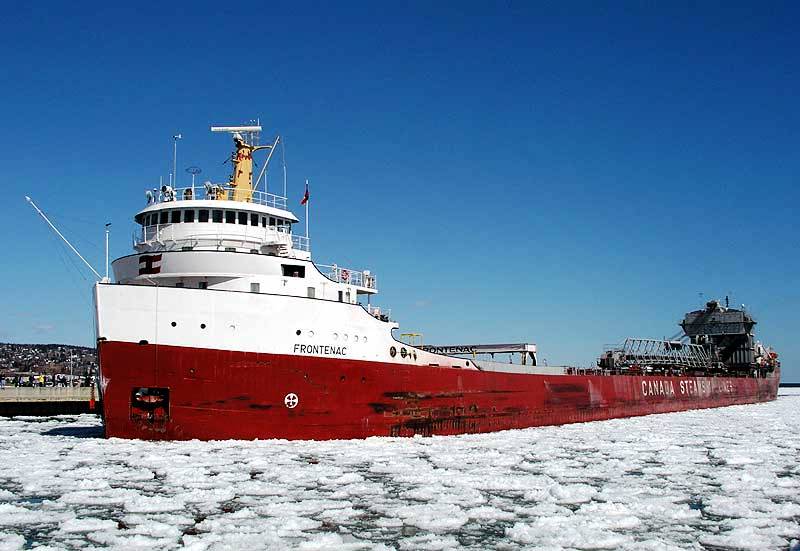
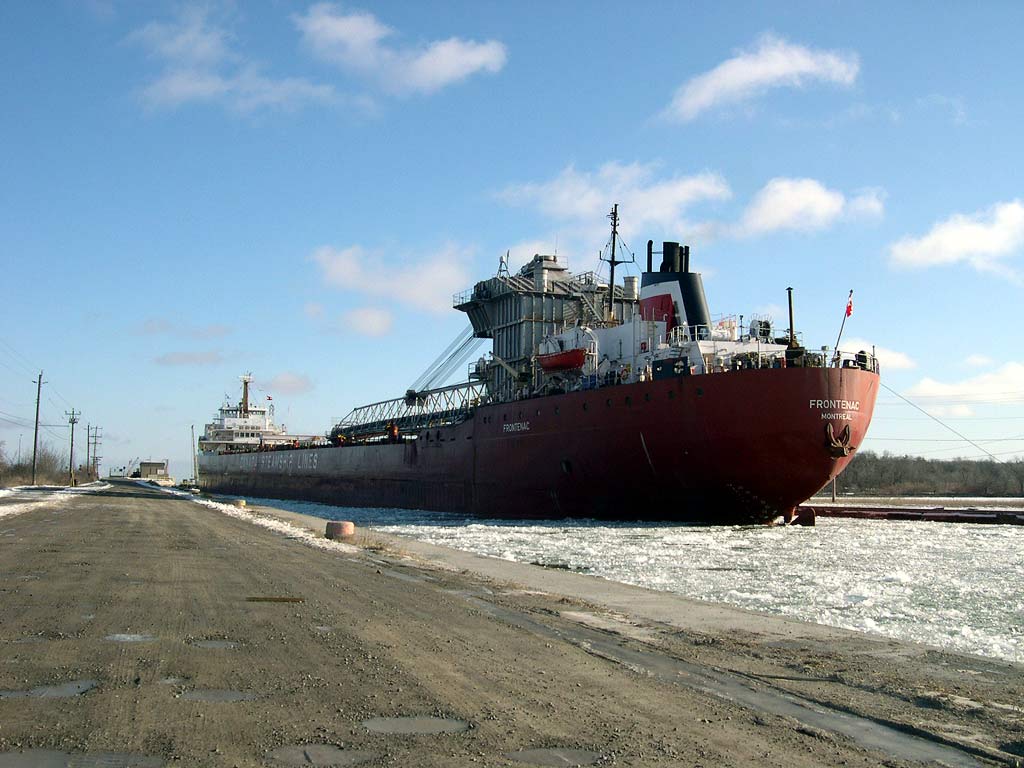
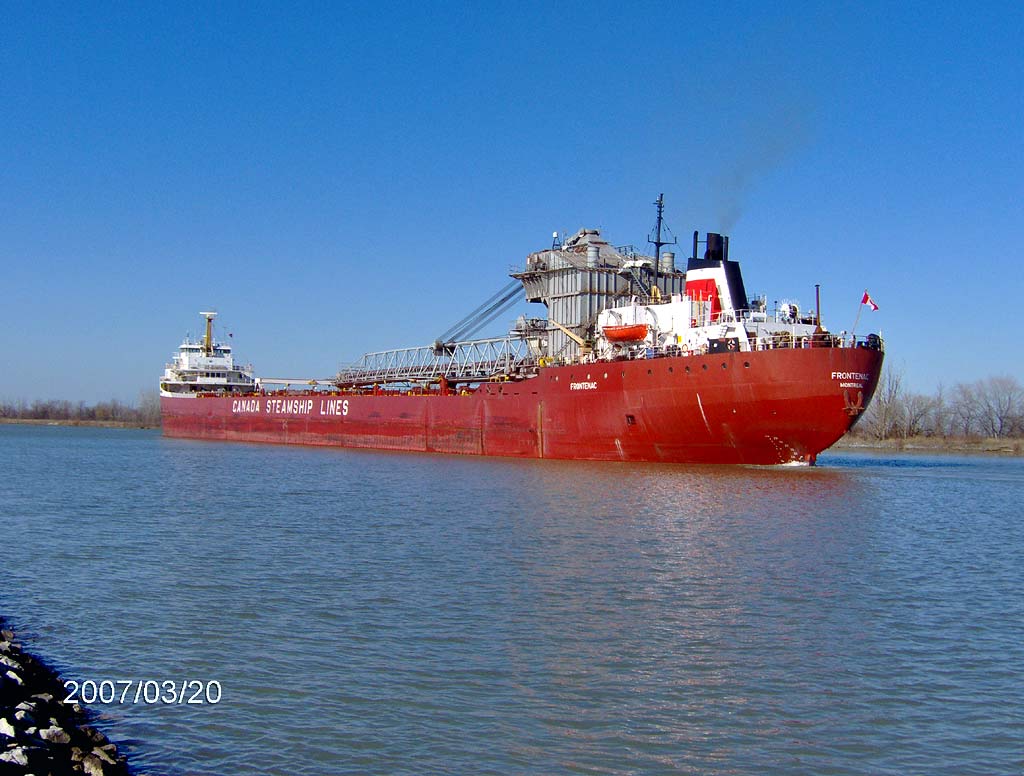
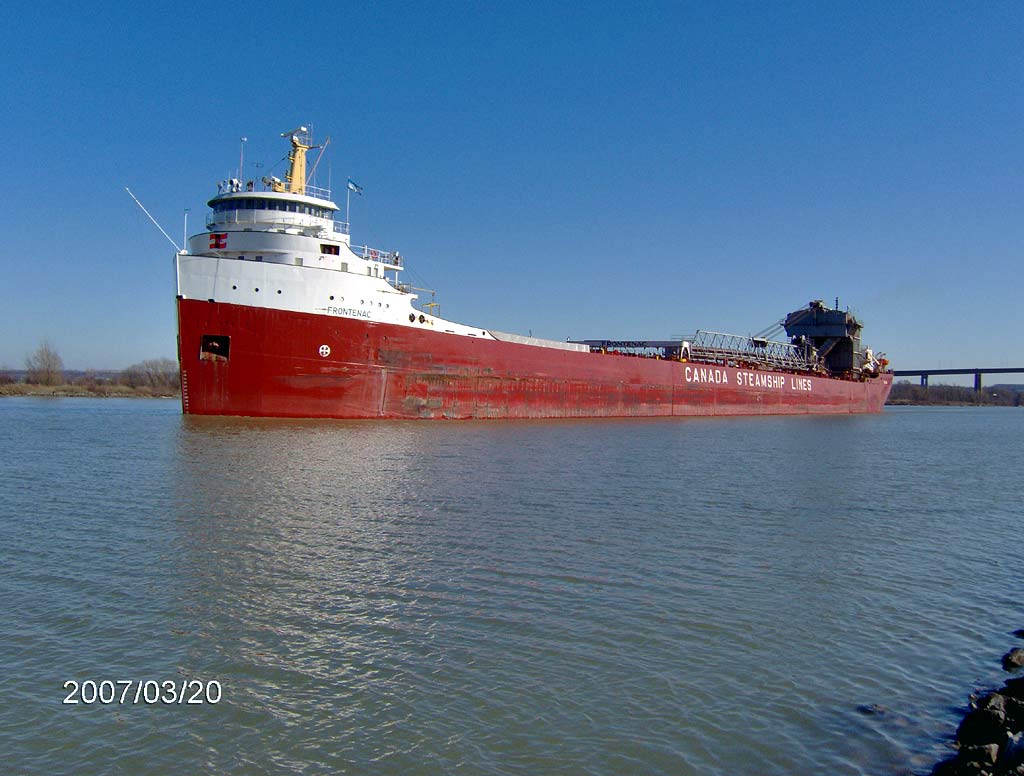
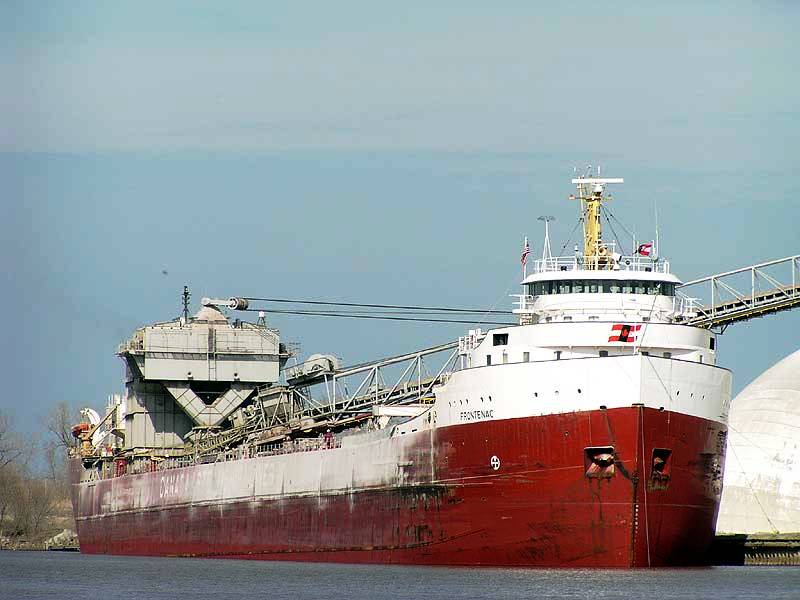
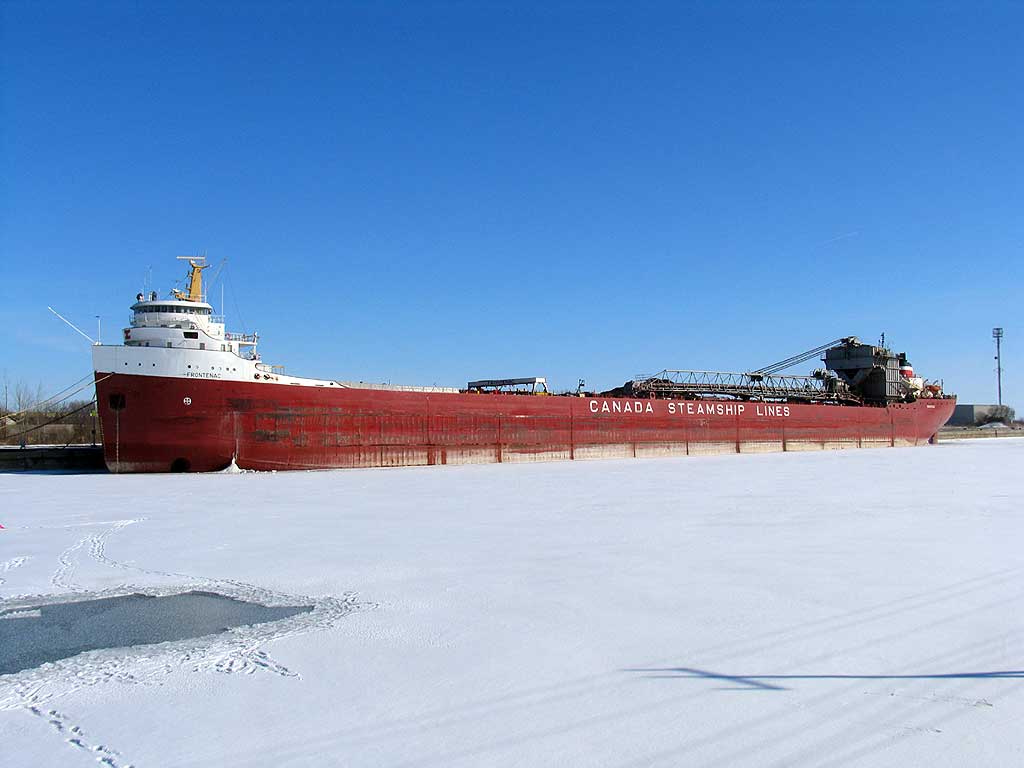
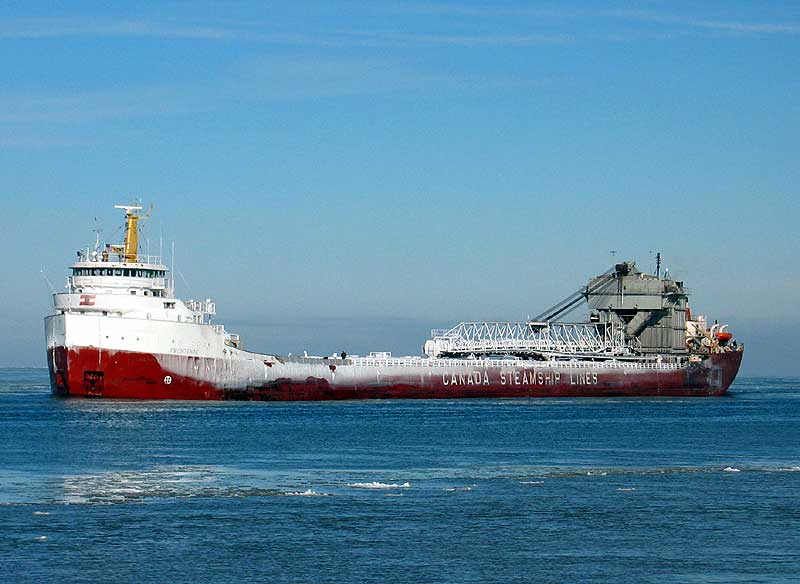
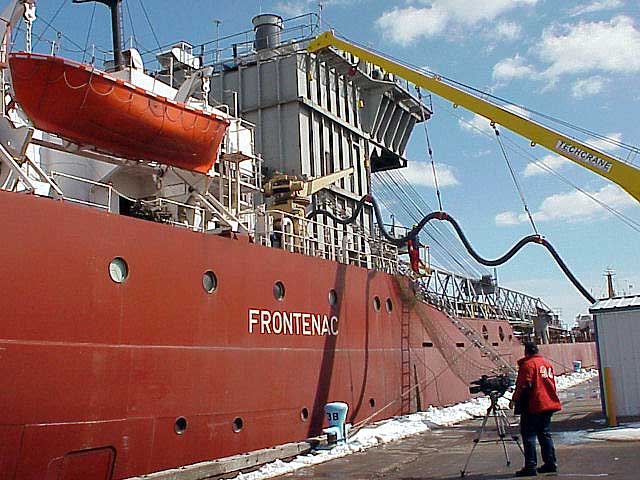
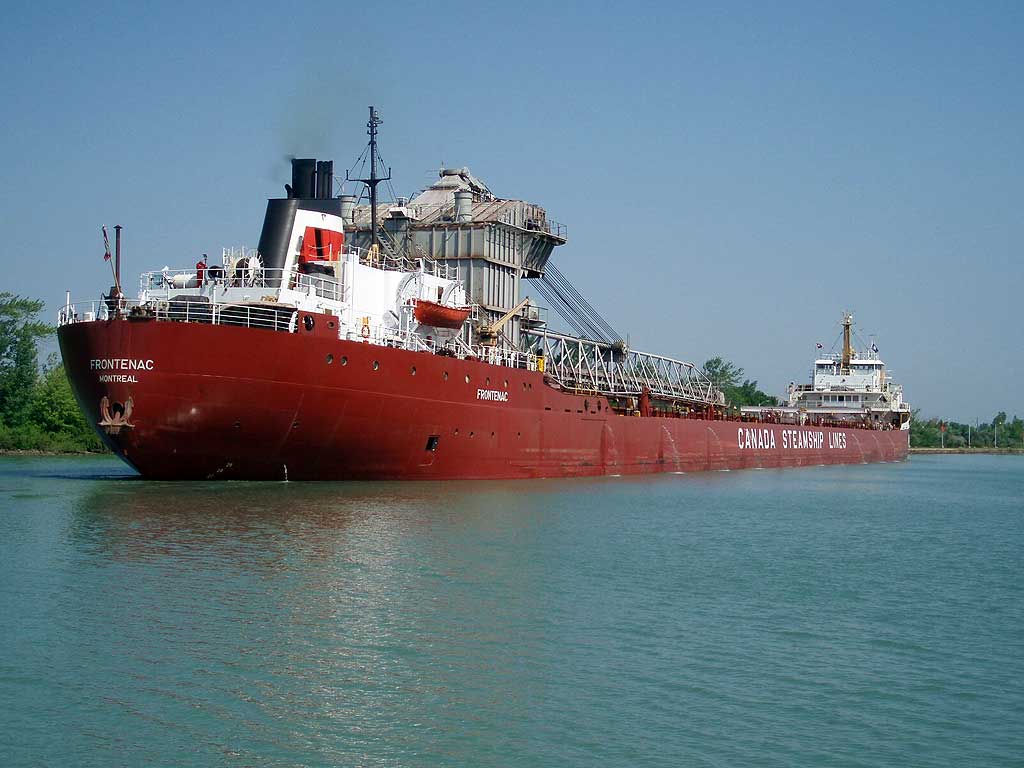
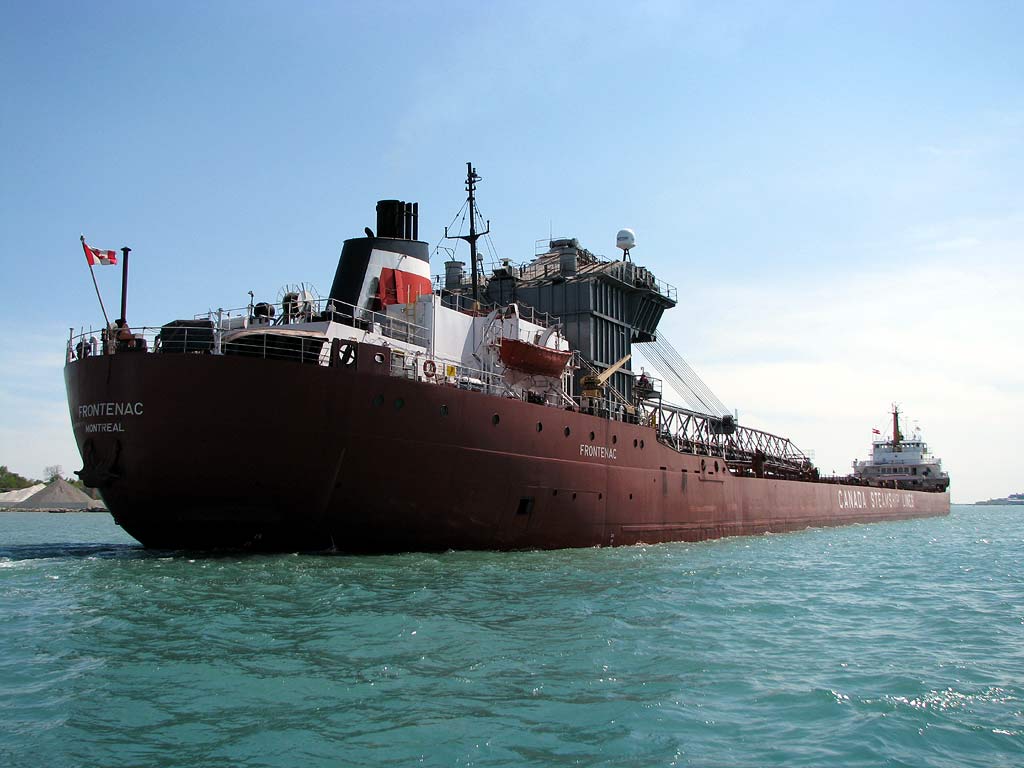
With a capacity of 28,000 tons (28,450 mt) as built, the Frontenac only remained a “straight decker” for 5 years. During the winter of 1972/73, she was converted to a self-unloader by Collingwood Shipyards, Collingwood, ON (their hull # 204). Her conversion became the first installation of a stern mounted unloading system. All previous conversions had featured the forward mounted “A-frame” and discharge boom.
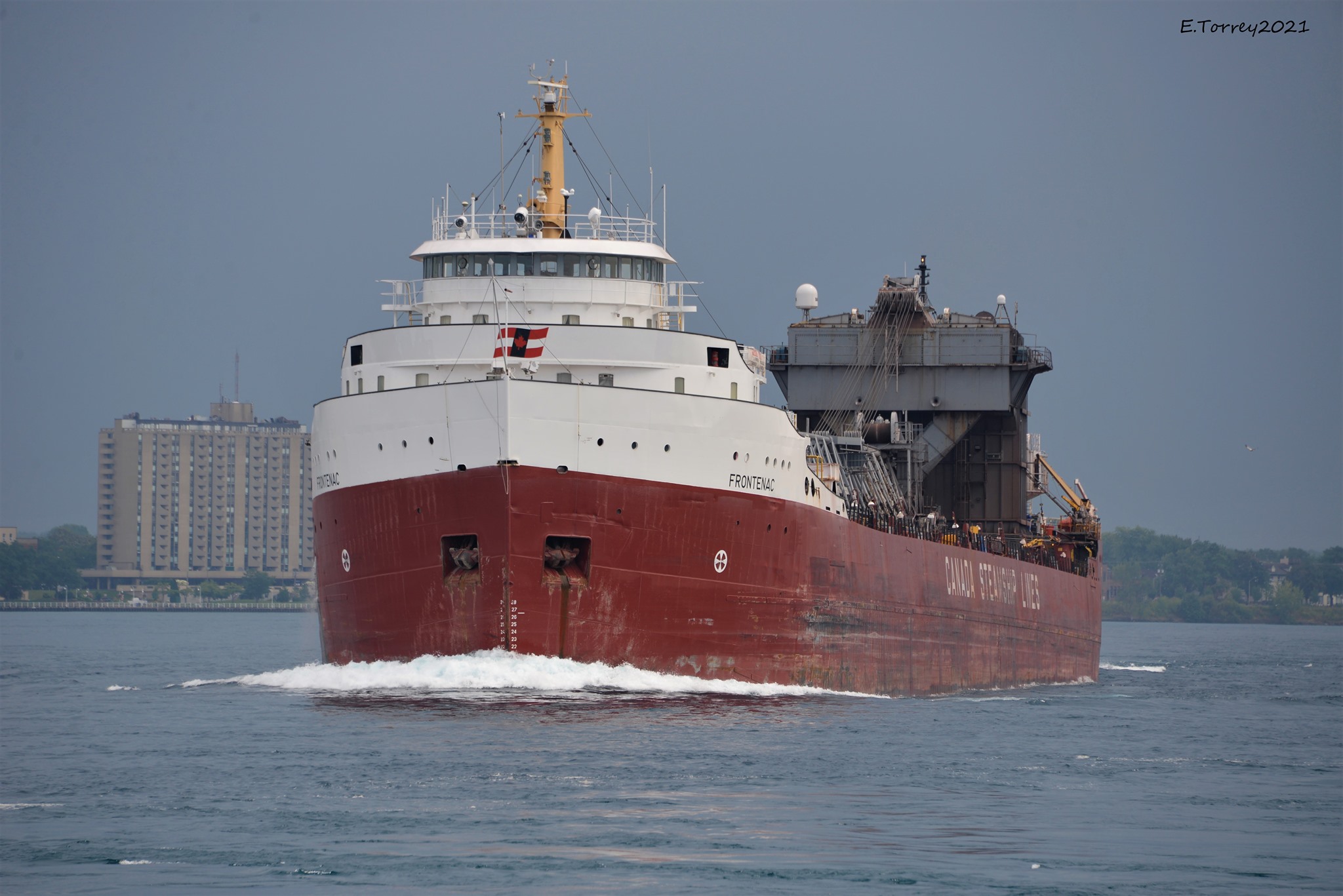
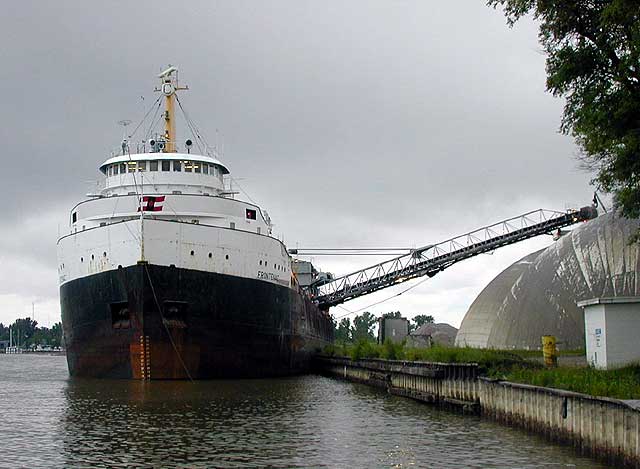
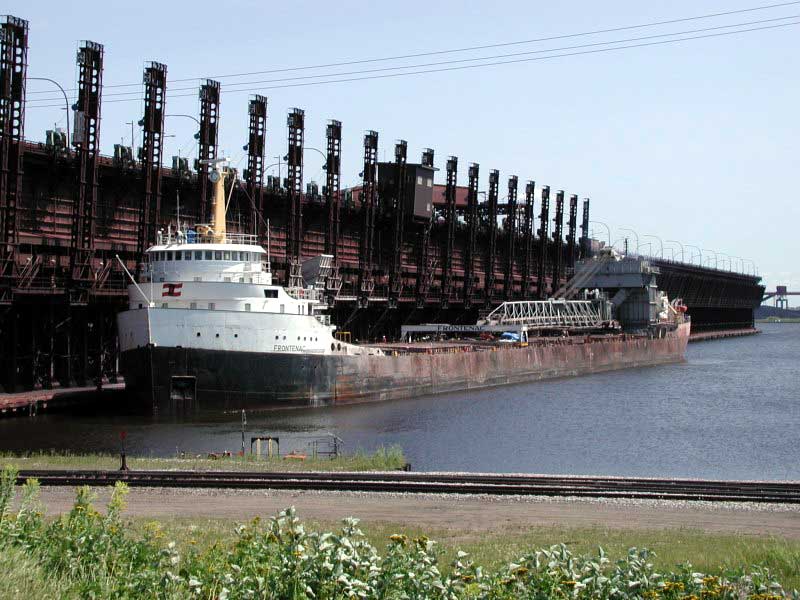
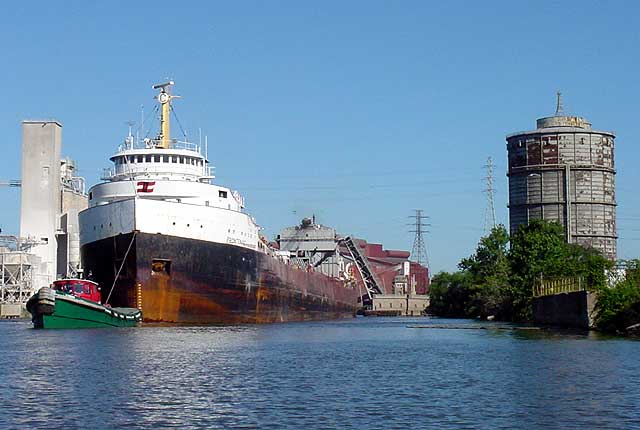
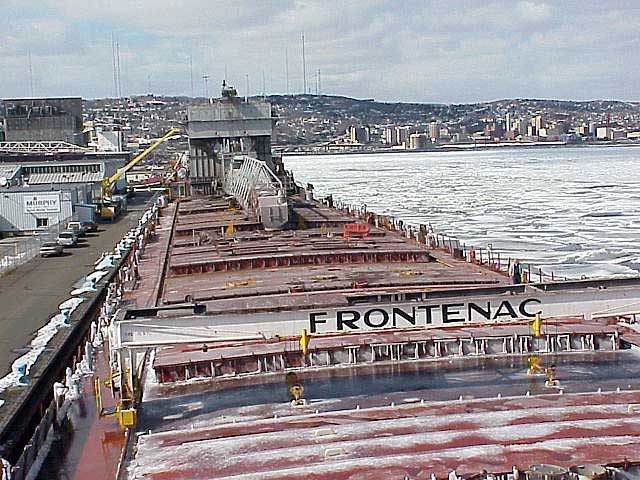
The self-unloading bulk carrier is powered by a Sulzer 6RND76 two stroke cycle, single acting 6-cylinder 9,600 b.h.p. (7,061 kW) turbo-charged diesel engine built by Sulzer Brothers Ltd., Winterthur, Switzerland burning intermediate grade 180 fuel. The power is fed to a single controllable pitch propeller giving her a rated service speed of 17 m.p.h. She has an 800 h.p. (595 kW) bow thruster. The Frontenac can carry up to 26,822 tons (27,251 mt) of iron ore, sand or stone at a mid-summer draft of 27′ 08″ (8.44m) and 25,197 tons (25,600 mt) at the new Seaway draft of 26′ 06″ (8.08m). Eighteen hatches service 6 holds where she has the cubic capacity to carry 23,200 net tons (20,714 tons or 21,047 mt) of coal. The Frontenac’s self-unloading system consists of twin hopper type cargo holds with new hydraulically operated cargo gates of a streamlined design with nylon running surfaces between the gate and track reducing friction. These new gates were installed during the 2003/04 winter lay-up by Fabmar Metals of Thunder Bay. The running surfaces replaced the older design of wheels or rollers to open and close the gates. The cargo is fed to 2 continuous loop belt conveyors to a 257′ 06″ (79.86m) discharge boom. The system can unload at a rate of up to 5,588 tons (5,500 mt) or iron ore or 4,064 tons (4,000 mt) of coal per hour and is equipped with an environmental containment and recovery system (ECARS). The system is optimized for the handling of cement clinker cargoes.
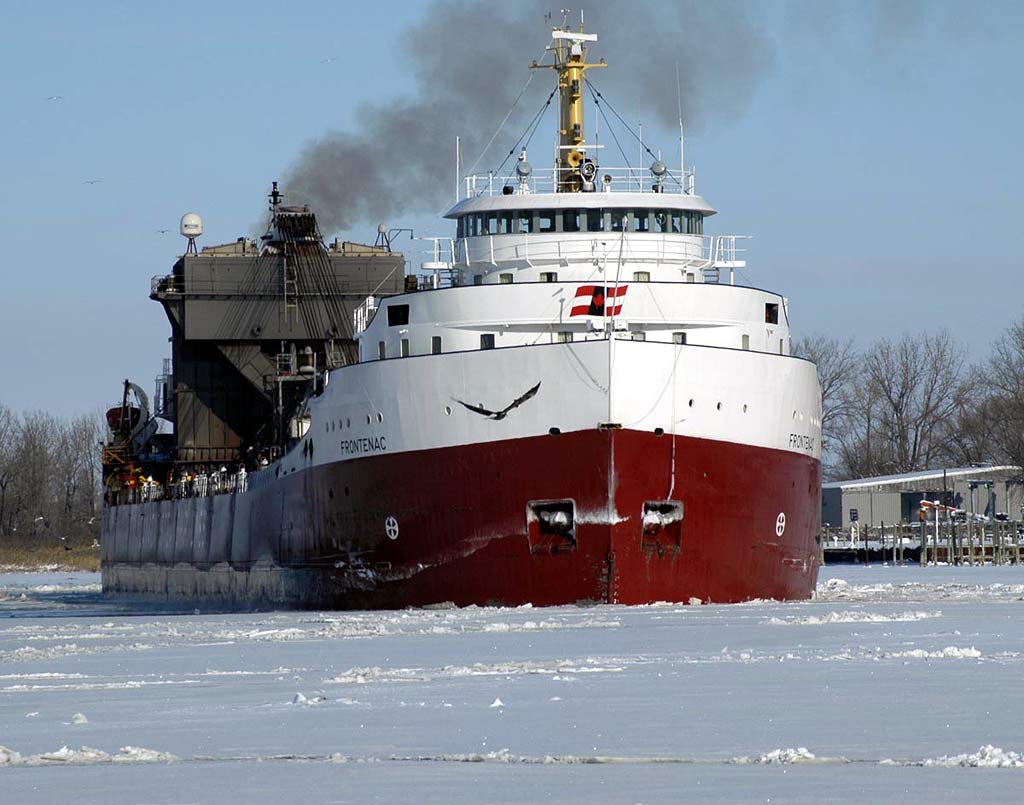
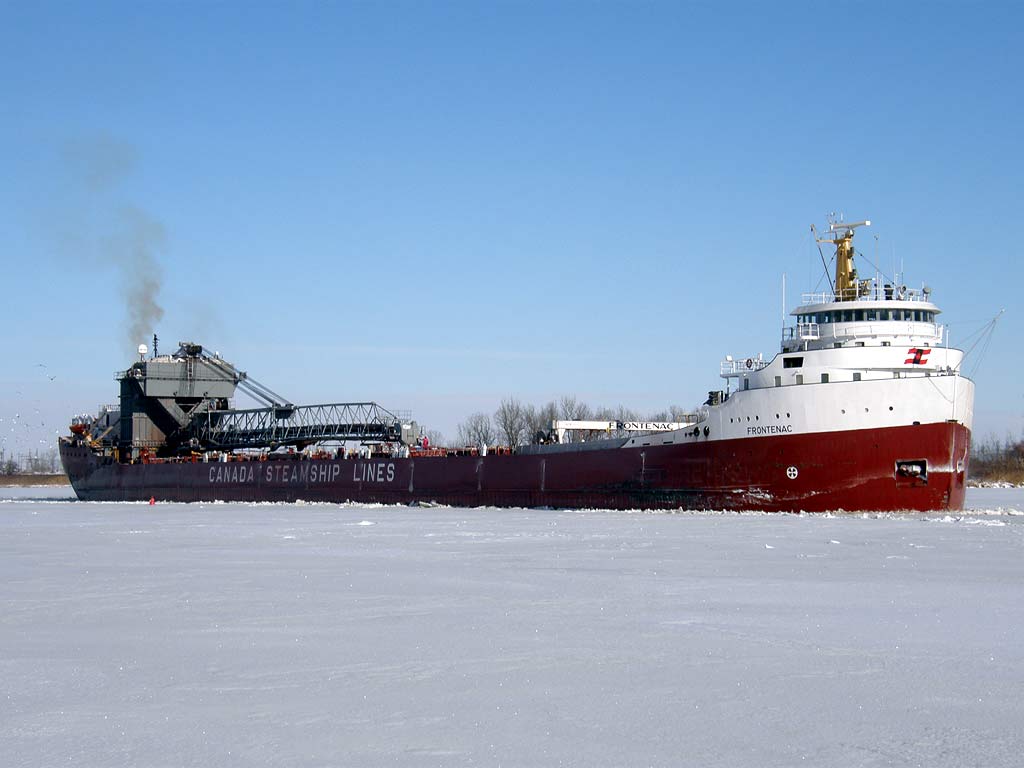
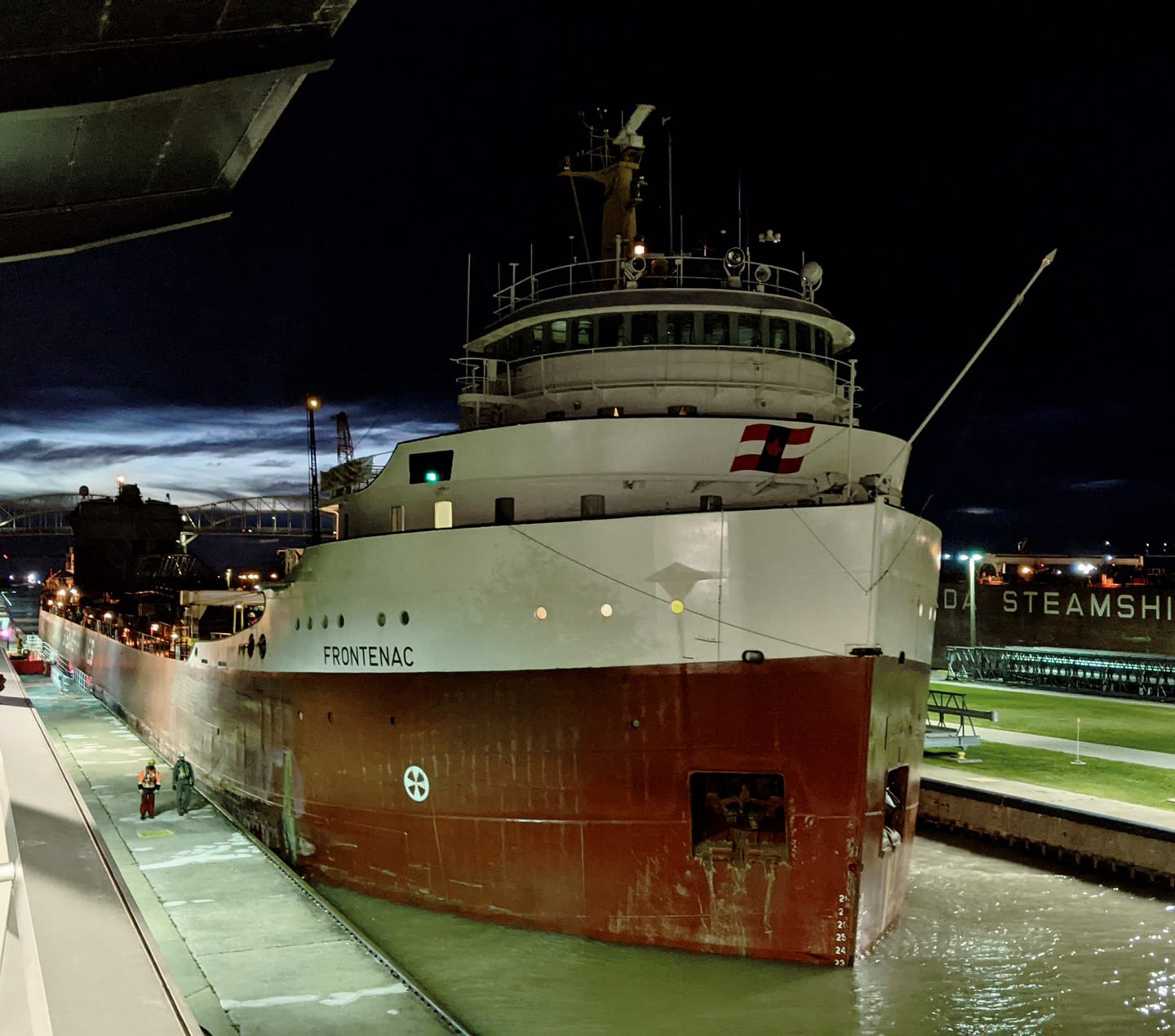
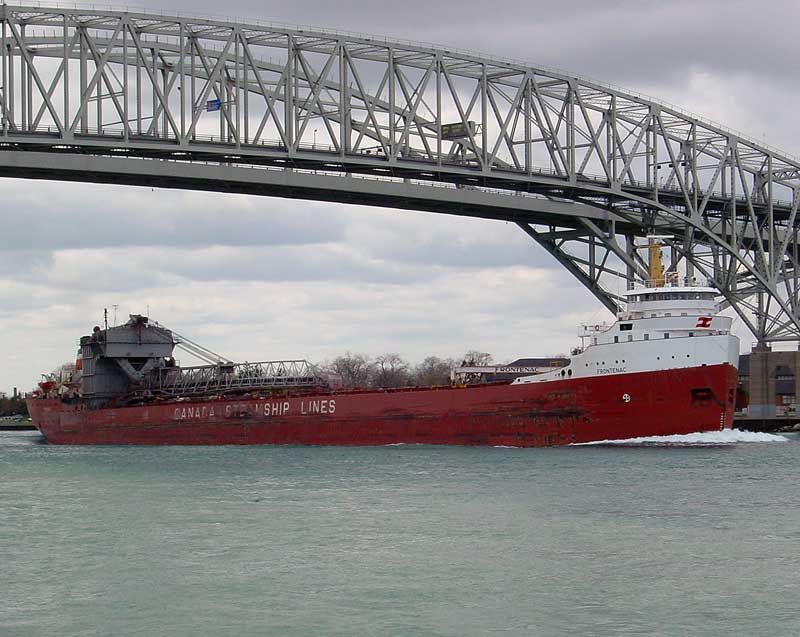
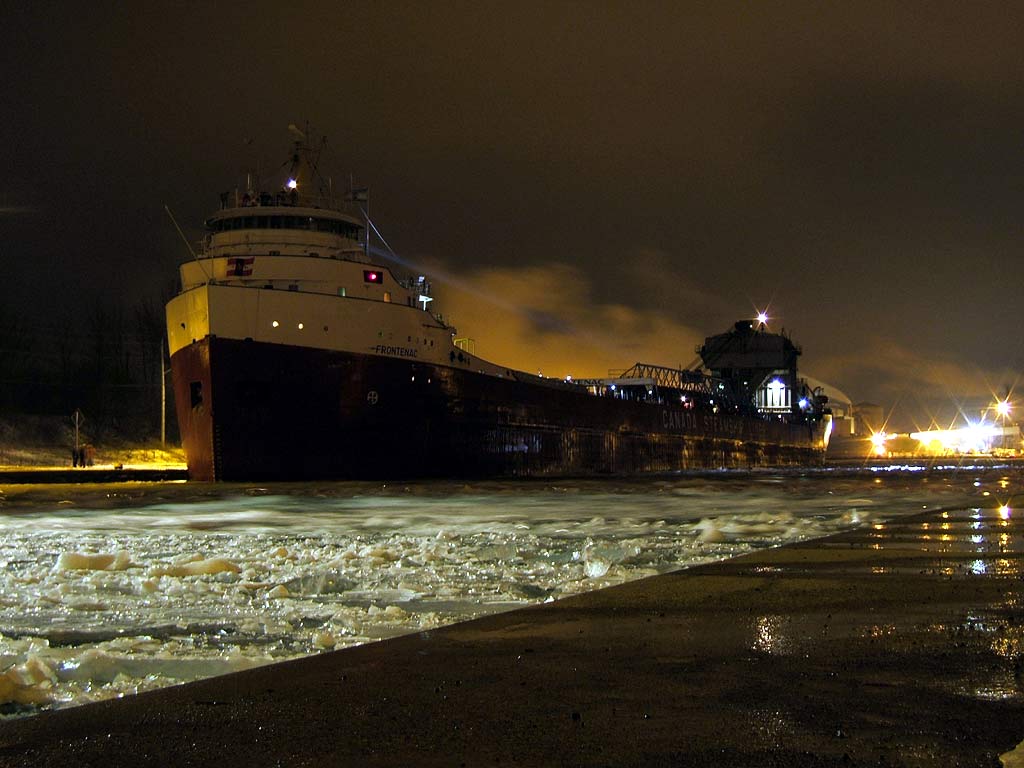
On January 18, 1975, the Frontenac was officially the last upbound vessel in the Welland Canal thus closing the longest season of operation to date. The season, in fact, had been extended because of an accident involving the Steelton that destroyed Bridge 12 at Port Robinson on August 24, 1974 closing the canal until September 9, 1974. Frontenac technically ended the 1974 shipping season at Sault Ste. Marie on April 1, 1975 when she transited upbound through the Soo Locks. This transit ended the year around navigation season when the winter navigation experiment was in progress, proving they could keep the locks open all winter. In the days following the sinking of the Edmund Fitzgerald in November of 1975, the Frontenac was one of several vessels that aided in the search and recovery mission for the famed laker.
The Frontenac is noted to have grounded in the St. Lawrence River on November 19, 1977. She was released after lightering 5,000 tons (5,080 mt) of cargo to her fleetmate Saguenay. In 1978, she carried the first load of cement clinker which proved to be a rather unsuccessful experiment. On October 16, 1984, the vessel collided with the tug William A. Lydon towing 3 scows in dense fog on Lake Erie near Point Pelee. Both vessels received some damage but none of the scows were sunk though one had a deep notch imbedded into its bow.
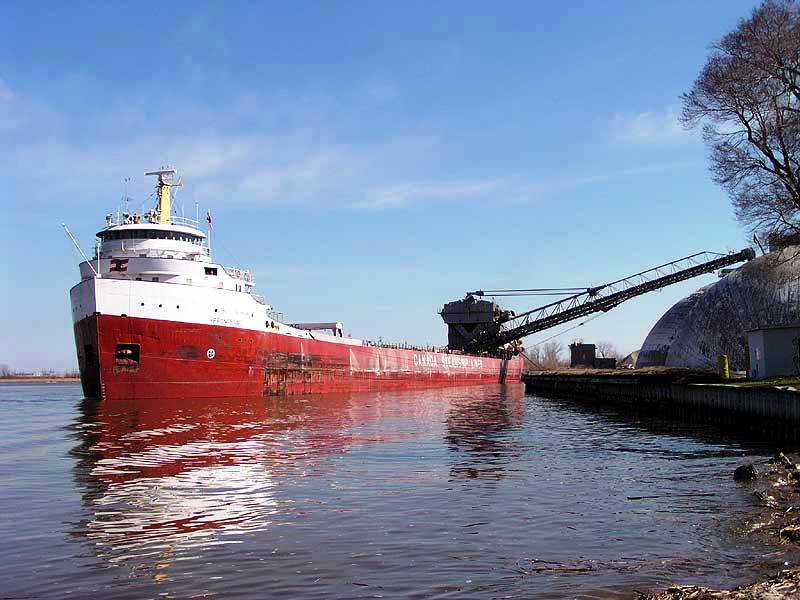
In 1989, the Frontenac was fitted for the proper handling of cement clinker cargoes, the initial trade route being from Picton, ON to Essexville, MI. Then on May 24, 1996, she opened the new stone dock at Bruce Mines, ON, being the first vessel to visit the new dock since it was built. The Frontenac assisted in the rescue of 4 boaters on August 18, 2002 when their speed boat ran aground and sank just south of Seaway Island in northern Lake St. Clair. The large self-unloader spotted the occupants waving for help from the rocks and contacted the Coast Guard. A work boat from a nearby dredging operation responded to the call as well and picked up the people.
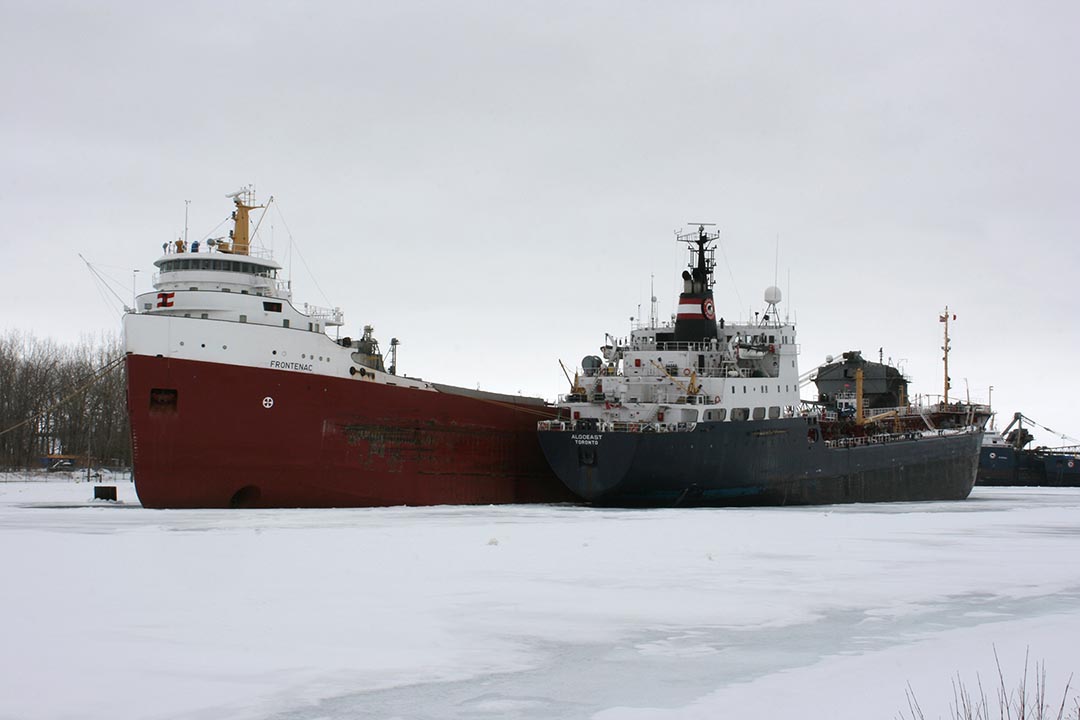
The Frontenac continues to sail under the Canada Steamship Lines banner operating under the management of V.Ships Canada Inc. of Montreal, QC. She is not dedicated to a particular cargo or trade route and therefore her cargoes are varied. They could include such commodities as iron ore, coal, coke, salt, grains, stone products or cement clinker.
Written by George Wharton
Vessel Details