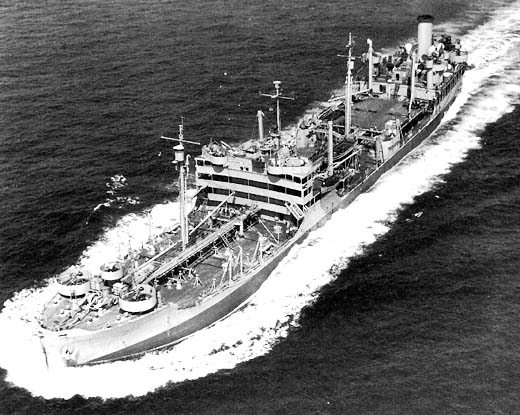
Lee A. Tregurtha

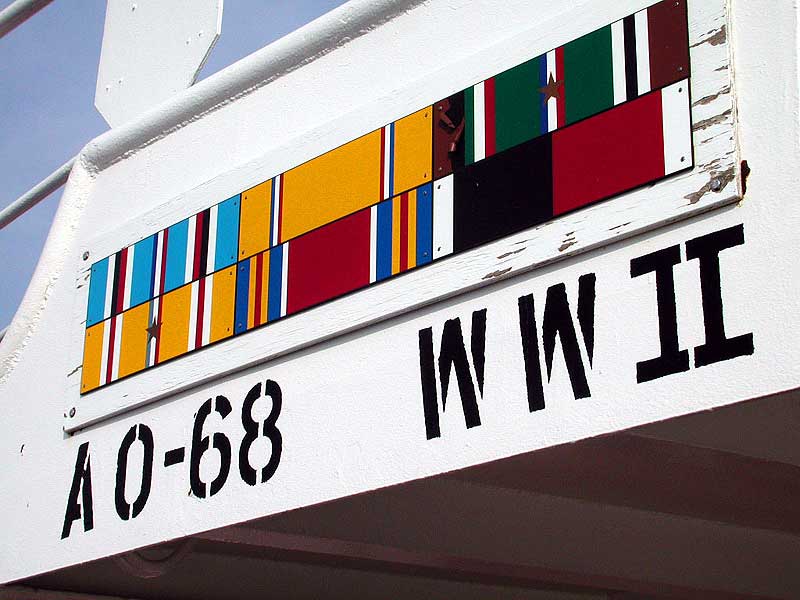
The Lee A. Tregurtha has had a long life, in many trades and under many names. She was originally laid down in the early stages of World War II at the Bethlehem Shipbuilding and Drydock Company, Sparrows Point, MD yard as the commercial ocean tanker Mobiloil (builder’s hull # 4378). Shortly after, construction of the new tanker was taken over under contract by the U.S. Maritime Commission who renamed the vessel Samoset at her launch June 25, 1942, sponsored by Mrs. H.O. Smith. The tanker was designated as a type “T3-S-A1” oiler to be operated by Socony-Vacuum Oil Co., New York, NY. On December 24, 1942, the Samoset was acquired by the U.S. Navy and commissioned the same day joining the Atlantic Fleet as the USS Chiwawa (Navy designation AO.68) under the command of Cdr. H.F. Fultz. The USS Chiwawa was the first of 5 “T3-S-A1’s” acquired by the U.S. Navy, the 5 making up the Chiwawa class of auxiliary oiler. These tankers were initially to be built for private companies and were named by them but when the U.S. Navy took possession of them, they were named by the U.S. Navy after Native American names of rivers and lakes. Another of the Chiwawa class, the USS Neshanic (AO.71), was also converted for Great Lakes service now sailing as the American Victory for the American Steamship Company. Of the remaining 3, the USS Enoree (AO.69) and USS Niobrara (AO.72) remained with the U.S. Navy after the war, both being in and out of commission until they were discarded in February, 1959. The USS Escalante (AO.70) became the merchant tanker George MacDonald in 1947 and was lost in June, 1960.
The USS Chiwawa had the following overall dimensions: 501′ 09″ (152.93m) loa x 68′ 00″ (20.73m) beam x 30′ 09″ (9.37m) depth; lightweight displacement 5,782 tons (5,875 mt); cargo capacity of 10,278 tons (10,443 mt) or approximately 134,000 barrels (21,304 m3). The liquid petroleum cargoes were contained in 40 tanks: 8 centerline with 16 port and starboard wing tanks. She was powered by a single shaft yard-built impulse reaction type, cross-compound 7,700 s.h.p. (5,663 kW) steam turbine engine with 2 Foster-Wheeler heavy fuel oil fired water tube boilers. Her rated service speed was 15.3 knots. Defensive anti-aircraft armament consisted of 1 x 5″ (127mm) 38 caliber DP, 4 x 3″ (76mm) 50 caliber, 8 x 40mm twin mounts and 8 x 20mm twin mounts.
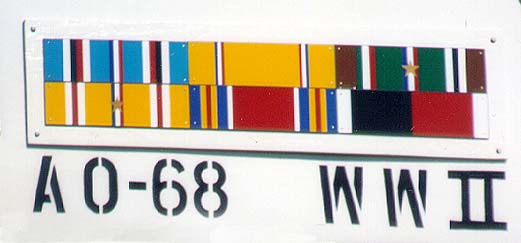
Following her shakedown cruise and post-shakedown overhaul, the USS Chiwawa departed Norfolk, VA on February 13, 1943 bound for Aruba, Netherlands West Indies to load oil and returned to New York, NY on February 25 to join convoy UGS-6 bound for Casablanca, Morocco as an escort oiler and the Commodore’s flagship. Her prime duties were to provide fuel as needed for transfer at sea to the destroyers escorting the convoy and to the merchant ships as needed. Consisting of 45 ships plus escorts, the destroyers USS Champlin (DD.601), USS Hobby (DD.610), USS Mayrant (DD.402), USS Rhind (DD.404), USS Rowan (DD.405), USS Trippe (DD.403) and USS Wainwright (DD.419), convoy UGS-6 left New York on March 4, 1943. The convoy was intercepted by 3 wolf-packs totaling 17 German U-boats that had gathered to attack the convoy while east of the Azores. A total of 4 ships were sunk before arriving at Casablanca on March 21. The losses were the SS Keystone on March 13, SS Wyoming on March 15, SS Benjamin Harrison on March 16 and SS Molly Pitcher on March 17. One U-boat, U-130, was lost in the battle, being sunk by depth charges from the USS Champlin on March 12. U-130 was the submarine that had originally spotted and reported the oncoming convoy on the day she was sunk. The USS Chiwawa was awarded a Battle Star for her services as part of this convoy. She returned to Norfolk, VA on April 28, 1943 as part of convoy GUS-6.
The USS Chiwawa continued providing service up and down the North American east coast into the Gulf of Mexico and Caribbean Sea by herself and crossing the Atlantic Ocean in convoy service without incident for the remainder of 1943 well into 1944. Ports visited included Argentia, NF, Bermuda, Port Arthur and Beaumont, TX, Greenock and Loch Long, Scotland, Swansea and Milford Haven, Wales and Belfast and Firth of Clyde, Ireland. On July 14, 1944, the oiler departed Norfolk, VA bound for Mers El Kebir, Algeria arriving July 30 as part of convoy UGS-48. Shortly after. on August 3, she departed Mers El Kebir for Naples, Italy to provide fueling services for the ships carrying out and supporting Operation Anvil, the invasion of southern France before returning to Oran, Algeria on September 2. The USS Chiwawa was awarded a second Battle Star for her participation in this campaign. She returned to New York and resumed sailing solo up and down the east coast adding Guantanamo Bay, Cuba, Houston and Baytown, TX to her list of ports of call. The tanker only made one more return trip across the Atlantic in escort convoy service as part of convoy UGS-59 sailing November 1, 1944 from Norfolk to Casablanca, returning to Norfolk on December 10 with convoy GUS-59.
Following a refit, the USS Chiwawa was transferred to the Pacific Fleet on July 18, 1945, arriving at Pearl Harbor on August 1, 1945. On August 6, the oiler departed Pearl Harbor for Ulithi, Caroline Islands arriving August 19 for an assignment as a station tanker for the 7th Fleet. She then joined convoy UOK-51 from Ulithi arriving at Buckner Bay, Okinawa on August 30 to again serve as a station tanker but did make voyages to refuel the 7th Fleet at sea during September. The USS Chiwawa remained based at Okinawa until the end of November of 1945 before returning to San Francisco on December 13. She received the “Navy Occupation Service Medal – Asia” for the period from September 2 to November 30, 1945. The tanker remained in active service until she was decommissioned May 6, 1946 at New York and transferred August 23, 1946 to the U.S. Maritime Commission for lay-up in the National Defense Reserve Fleet.
To summarize the USS Chiwawa’s World War II service from her commissioning to September 1, 1945, the oiler journeyed approximately 164,000 miles (263,925 k) or the equivalent of close to 6.5 times around the world. Her largest monthly mileage achieved was in July, 1945 with 9,229 miles (14,852 k). She carried about 2.8 million barrels (445,860 m3) of gasoline, kerosene, diesel oil and fuel oil of which 417,000 barrels (66,401 m3) were transferred at sea to vessels of all sizes.
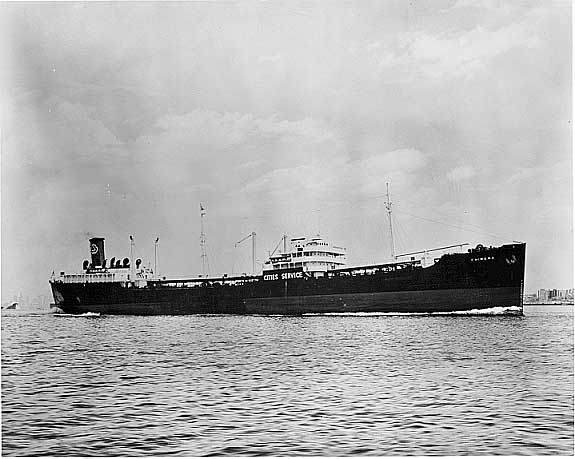
In 1947, the tanker was sold to Cities Service Oil Co., New York who retained the tanker’s U.S. Navy name of Chiwawa. She was used to shuttle home heating oil, gasoline and other petroleum products from Gulf of Mexico and Caribbean refineries to U.S. eastern seaboard ports.
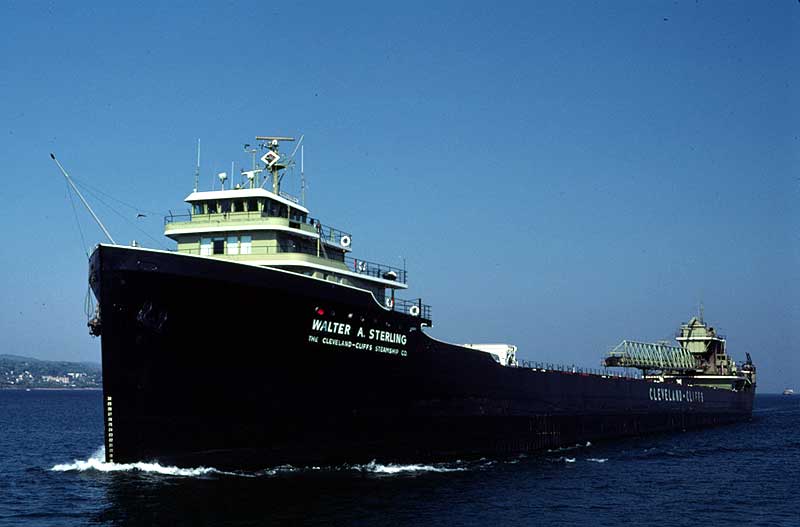
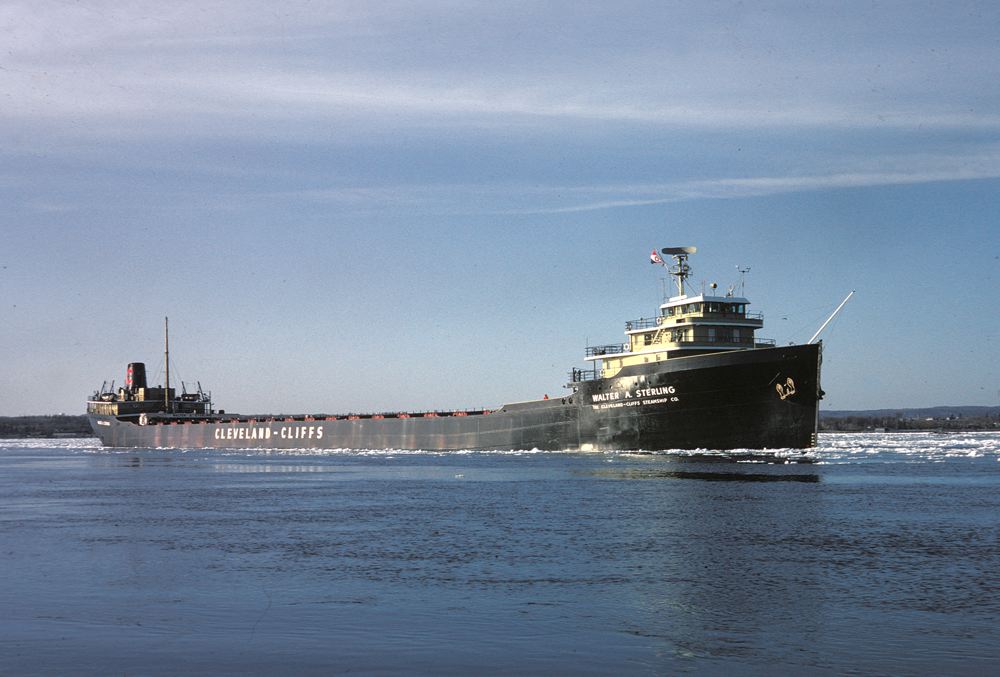
On February 12, 1960, Cleveland-Cliffs Steamship Co., Cleveland, OH announced the purchase of the Chiwawa for lengthening and conversion to a Great Lakes ore carrier; the conversion to be completed by American Ship Building, Lorain, OH. After arriving at Lorain, during 1960/61, the bow and stern were removed and the old mid-body scrapped. A new 510′ 00″ (155.45m)mid-body was built by Schlieker-Werft, Hamburg, West Germany as their hull # 554 and launched September 21, 1960. That day, the Dutch tug Zeeland took the new mid-body in tow to cross the Atlantic Ocean, arriving at Quebec City on November 7. After arriving at Lorain, the bow and stern were joined to the new mid-body making a “new” Seaway-sized Great Lakes ore carrier. The vessel’s new dimensions were: 730′ 00″ (222.5m) loa x 75′ 00″ (22.86m) x 39′ 00″ (11.89m), cargo capacity 25,600 tons (26,911 mt) at a mid-summer draft of 27′ 10″ (8.48m) or 23,600 tons (23,979 mt) at the original Seaway draft of 26′ 00″ (7.92m); the cargoes contained in 4 holds serviced by 21 hatches.
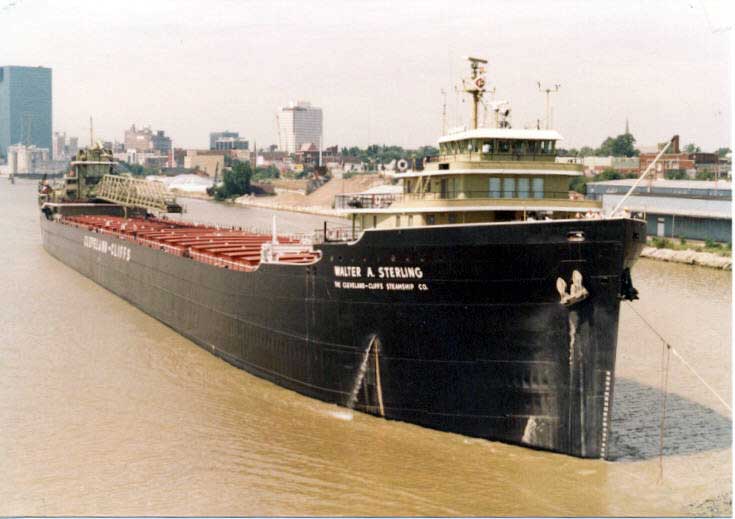
On May 18, 1961, the new Great Lakes bulk carrier was christened Walter A. Sterling. The vessel’s namesake was Mr. Walter Adam Sterling, born October 31, 1891, who spent most of his life working for the Cleveland-Cliffs Iron Company. He was elected as president of the company in 1958, retiring in 1961 but remaining on the board until 1969. After acceptance by her new owners, on July 5, 1961, the Walter A. Sterling departed on her Great Lakes maiden voyage sailing as the flagship of the Cleveland-Cliffs Steamship Co. fleet.
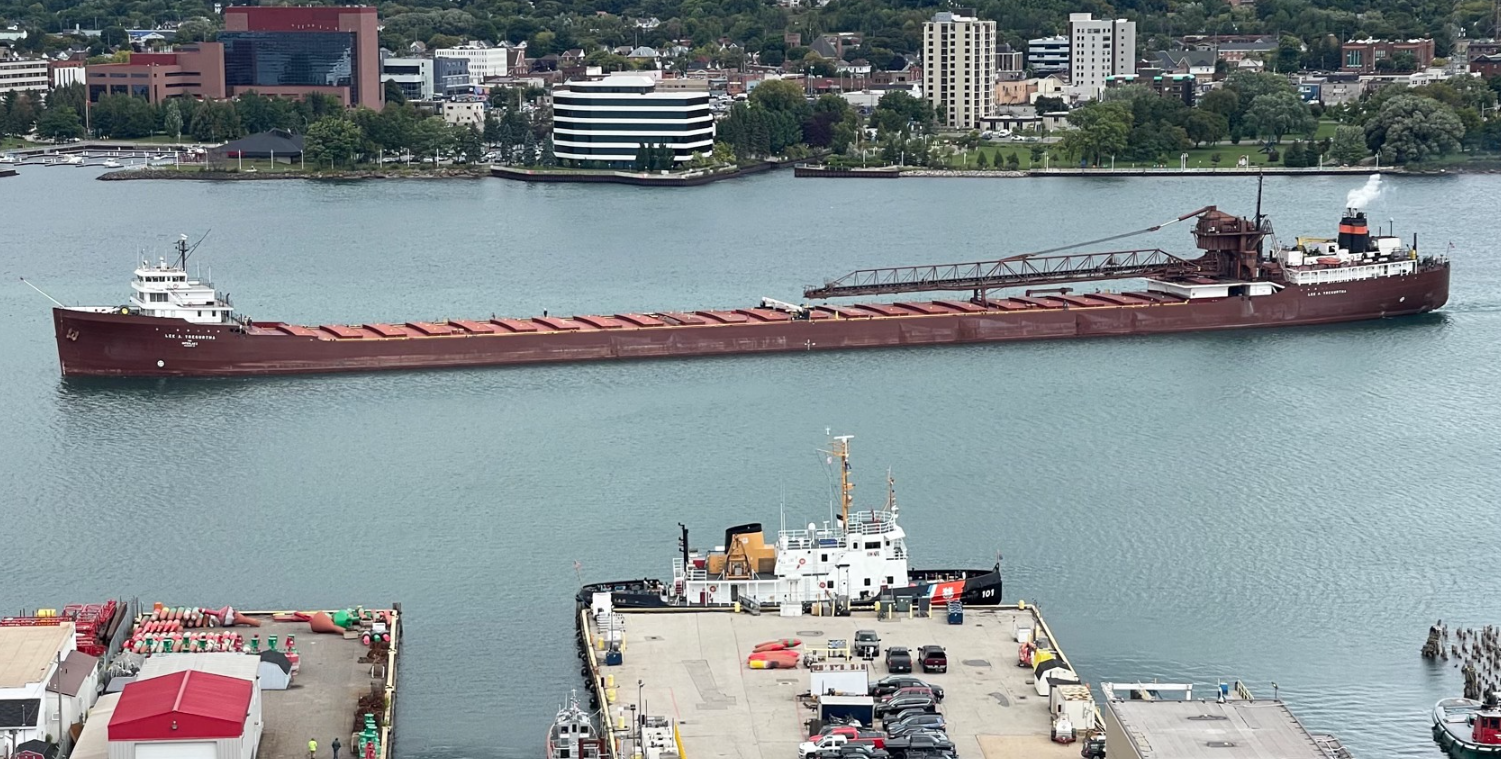
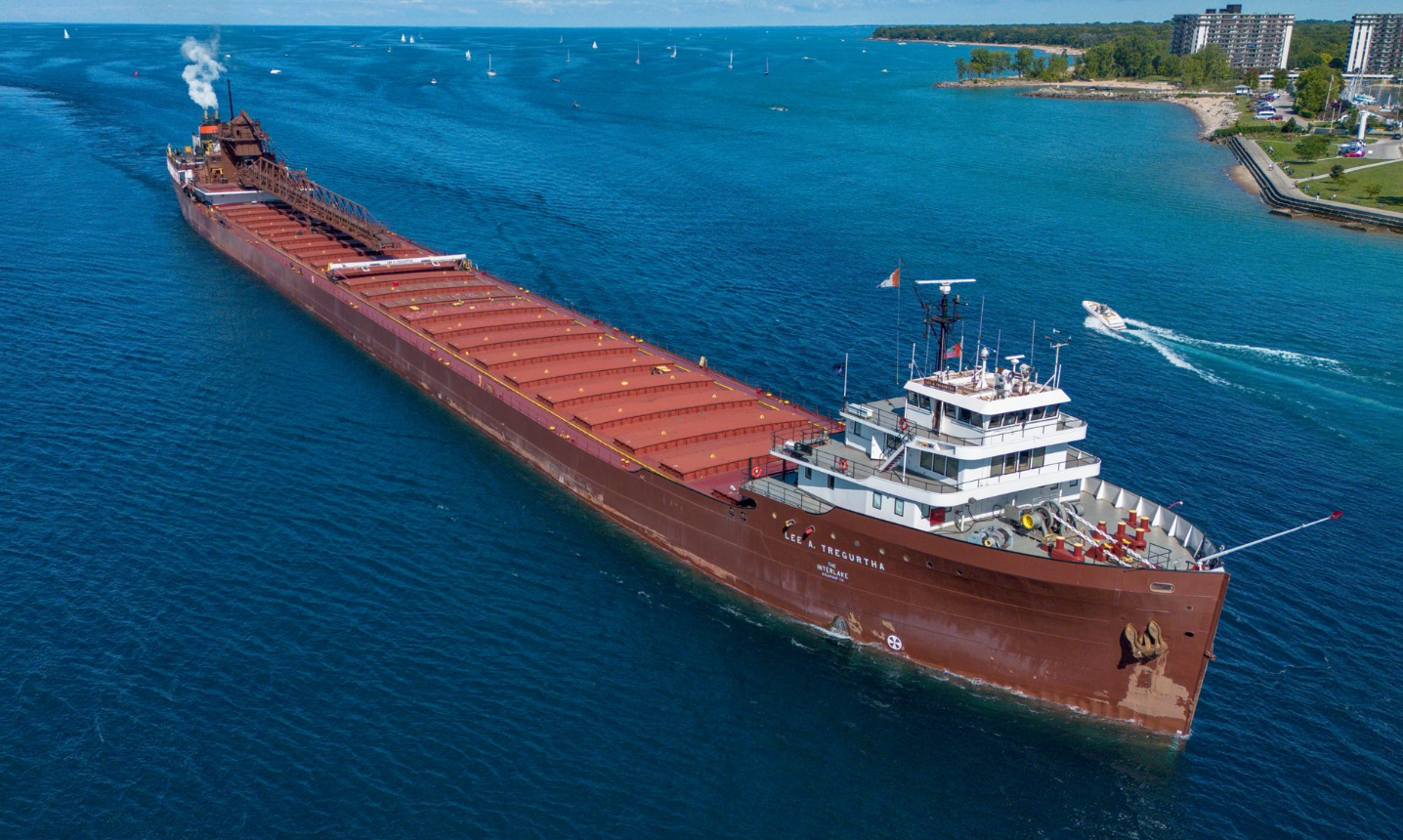
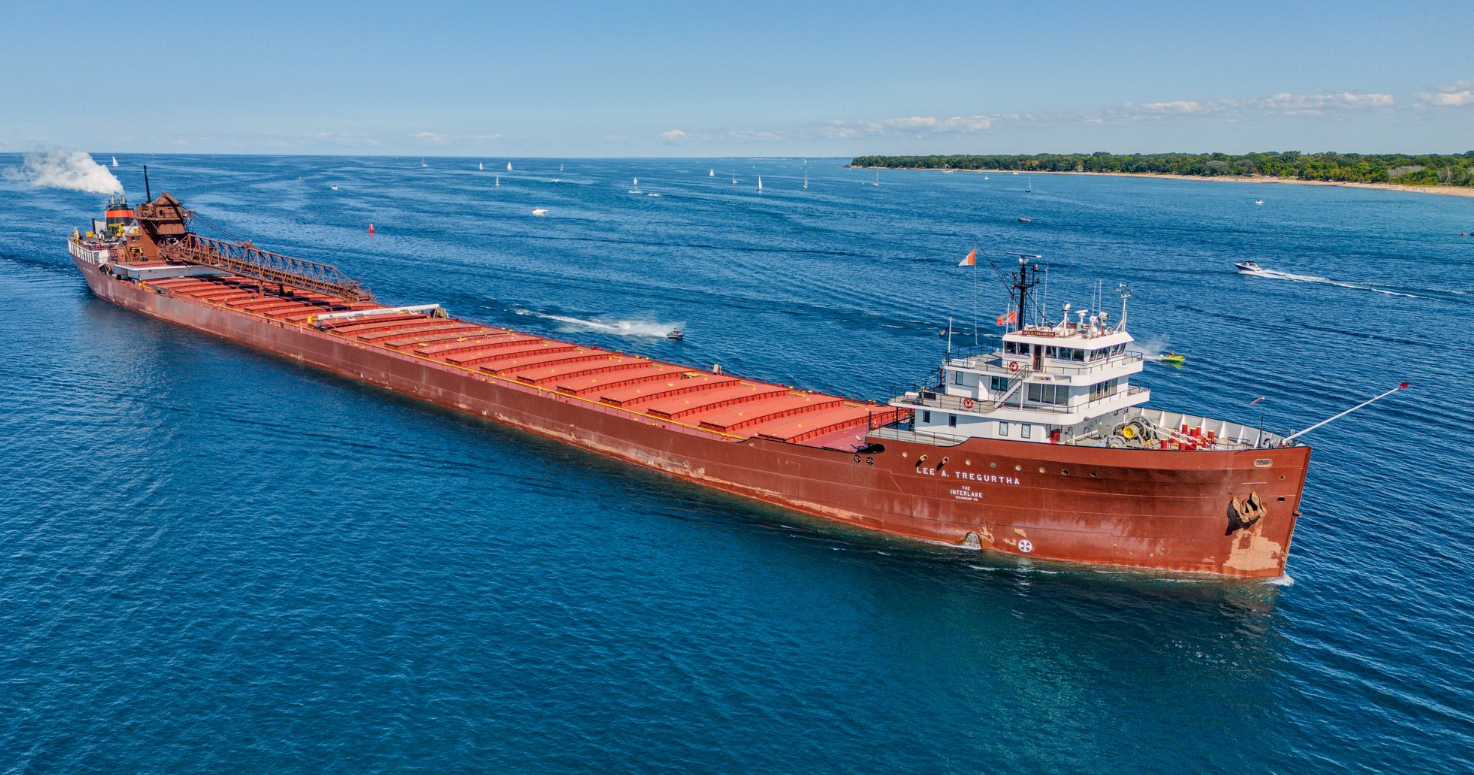
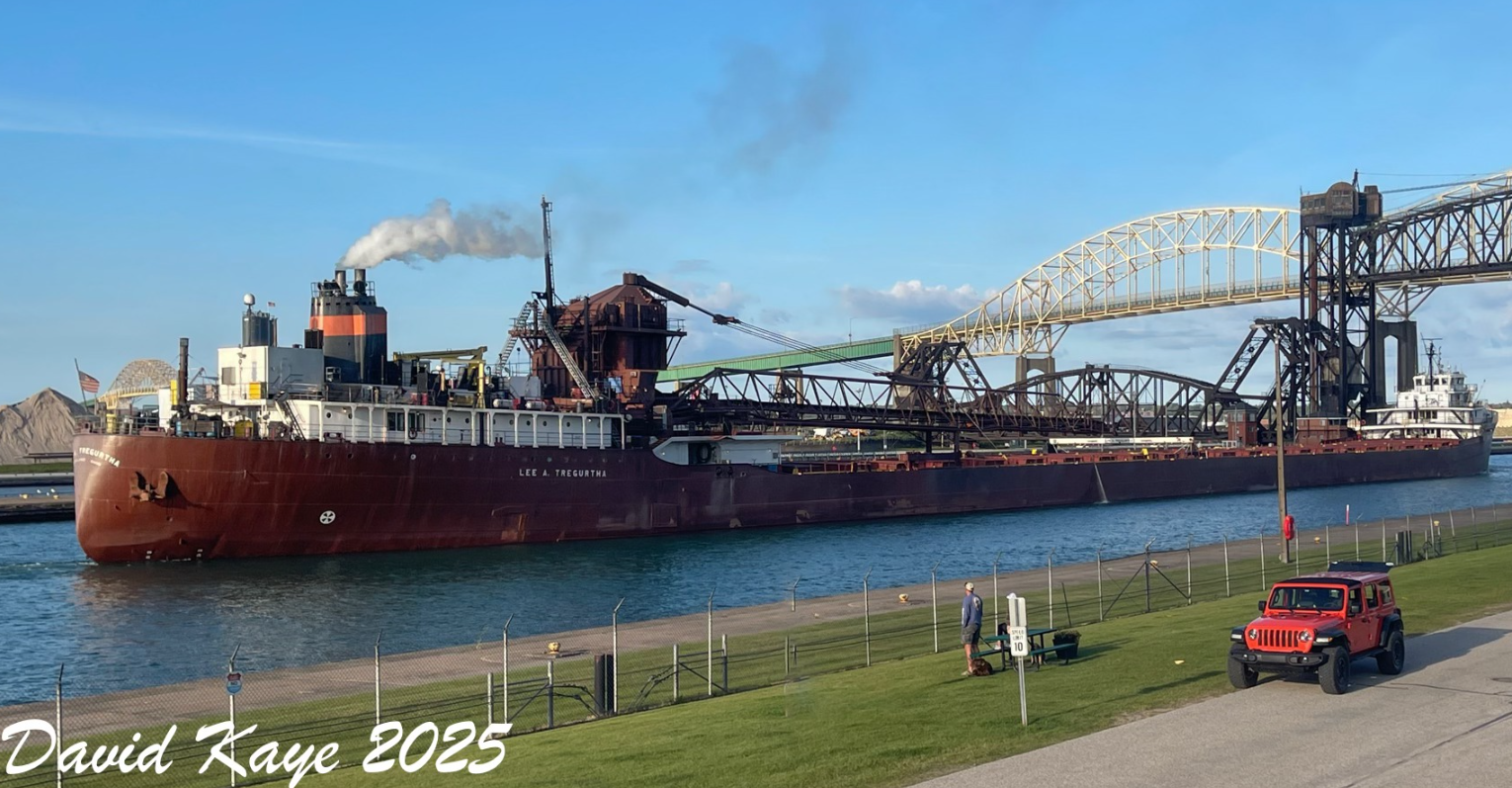
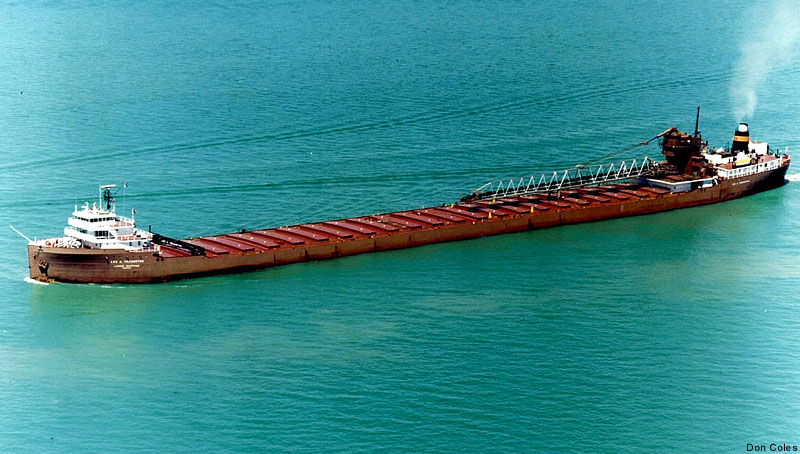
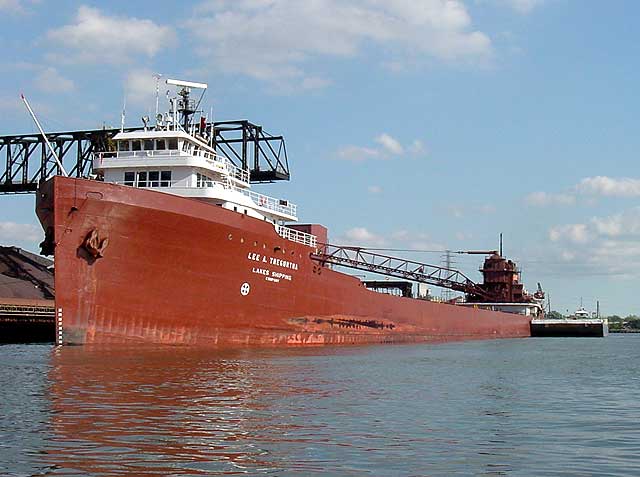
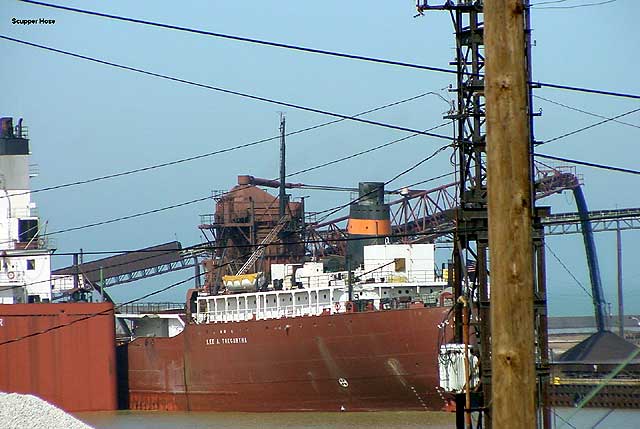
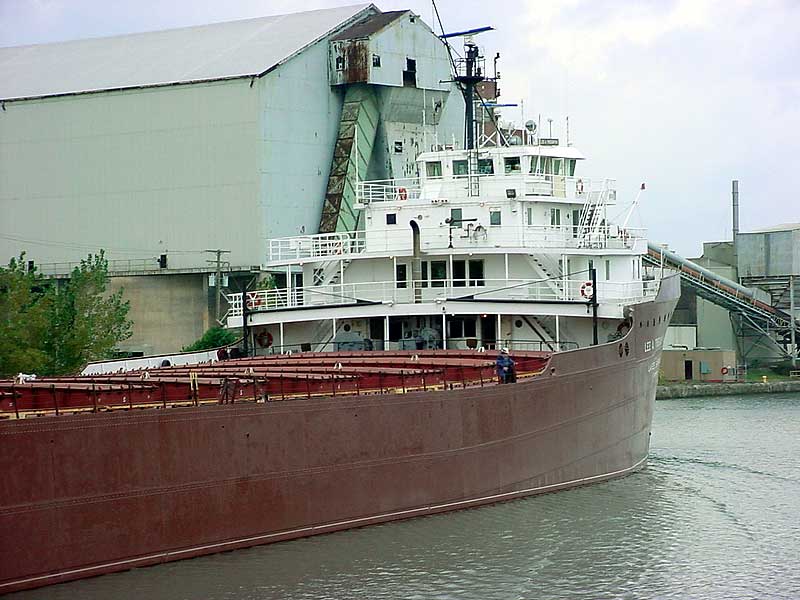
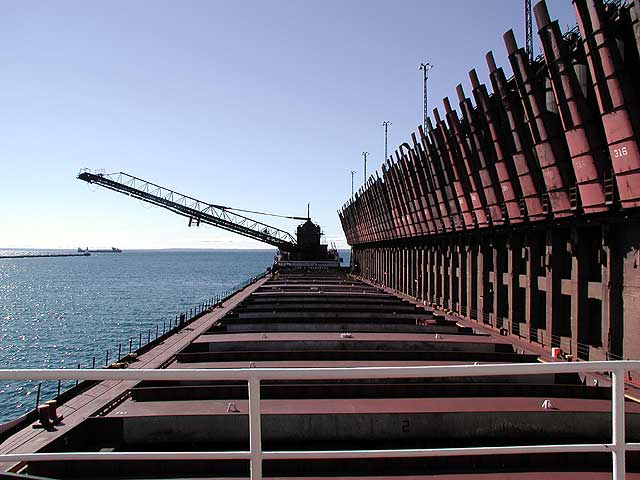
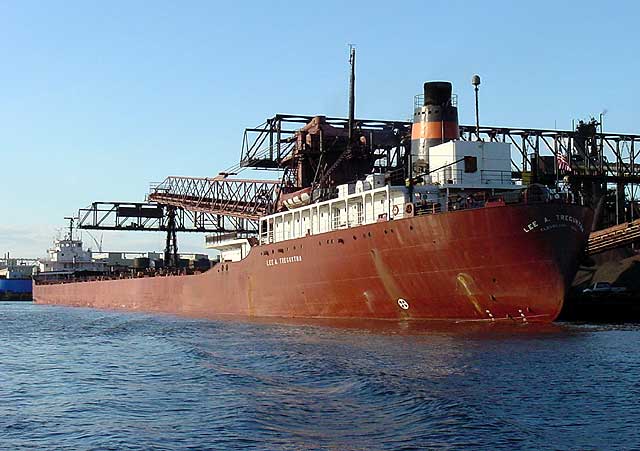
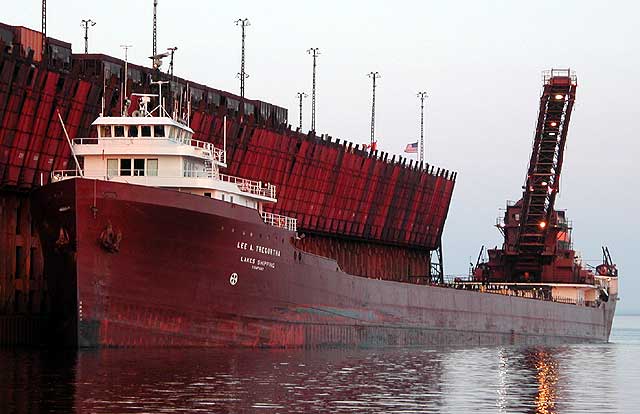
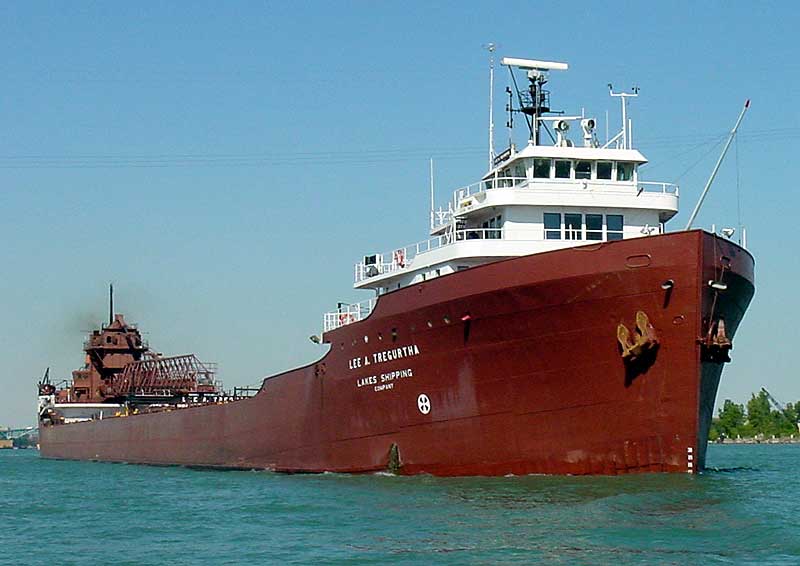
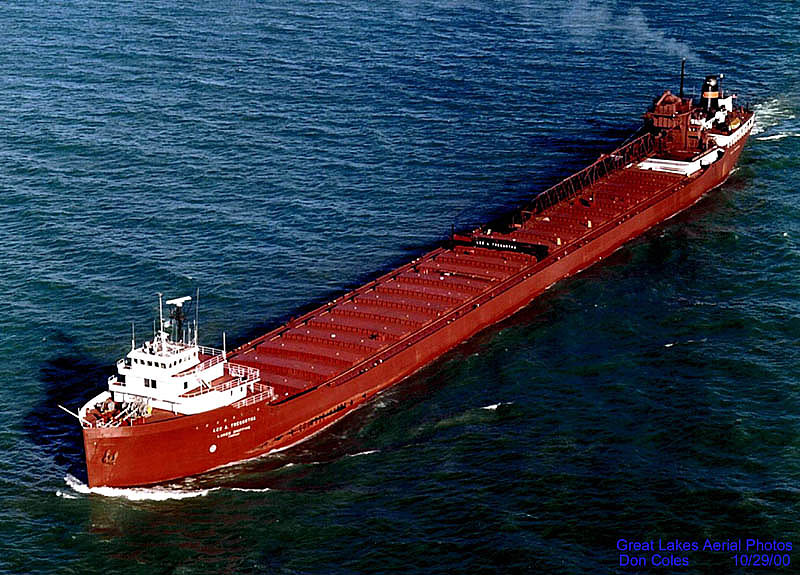
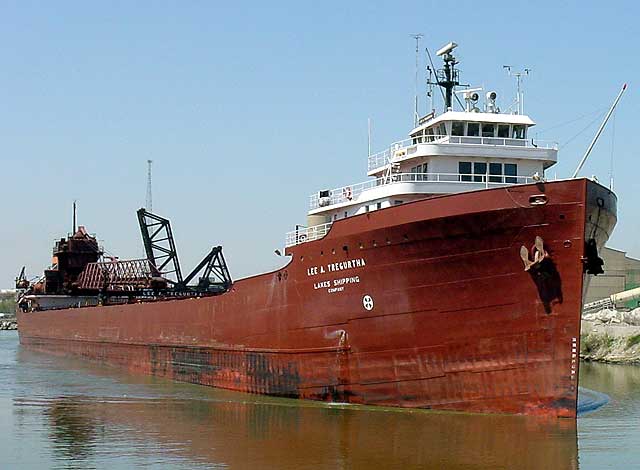
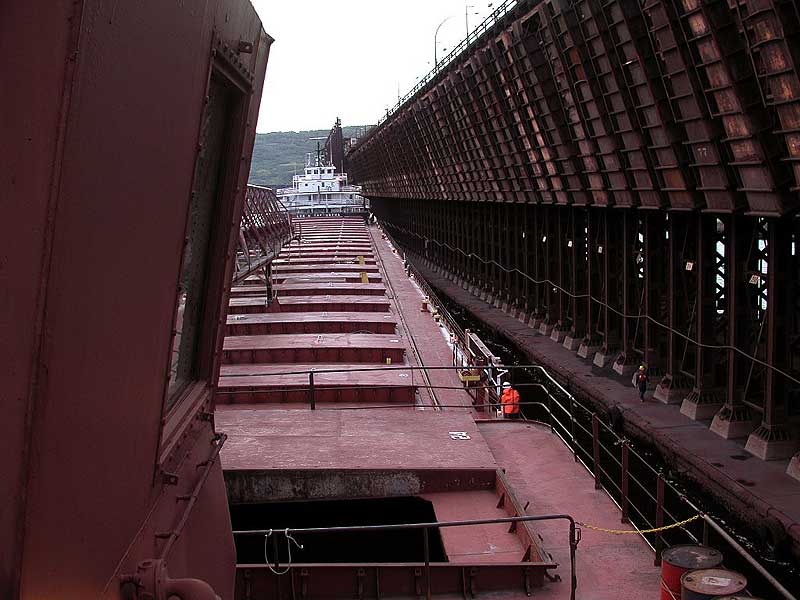
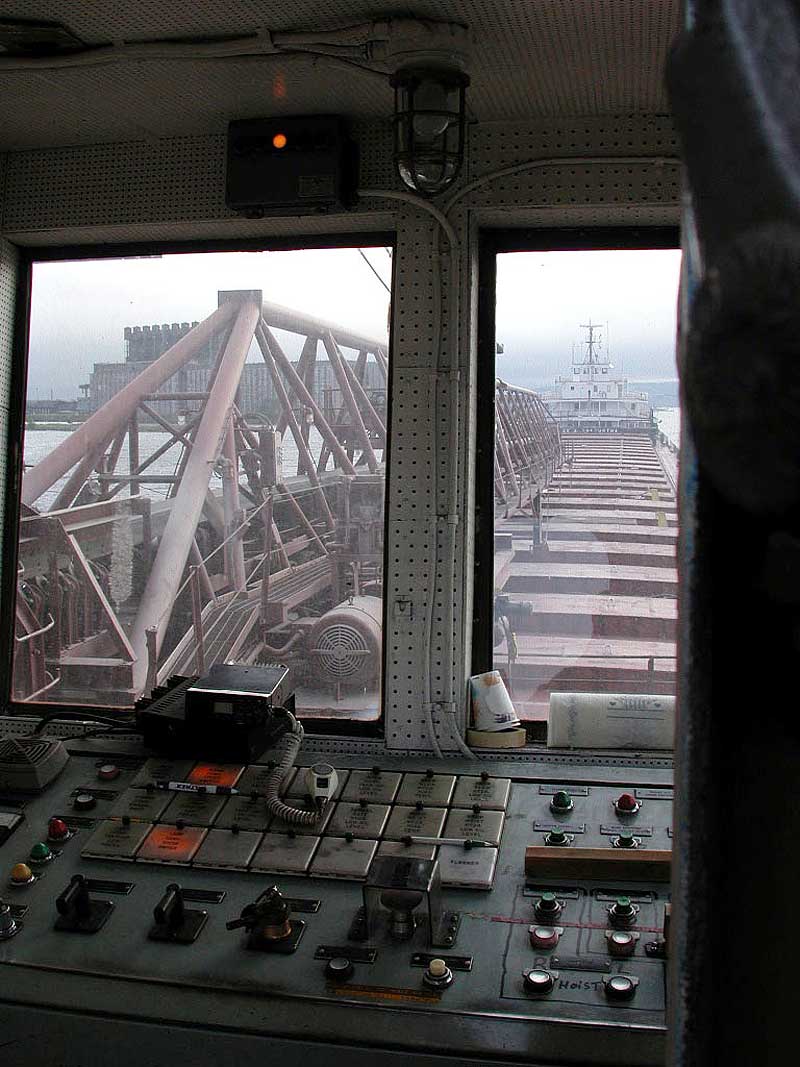
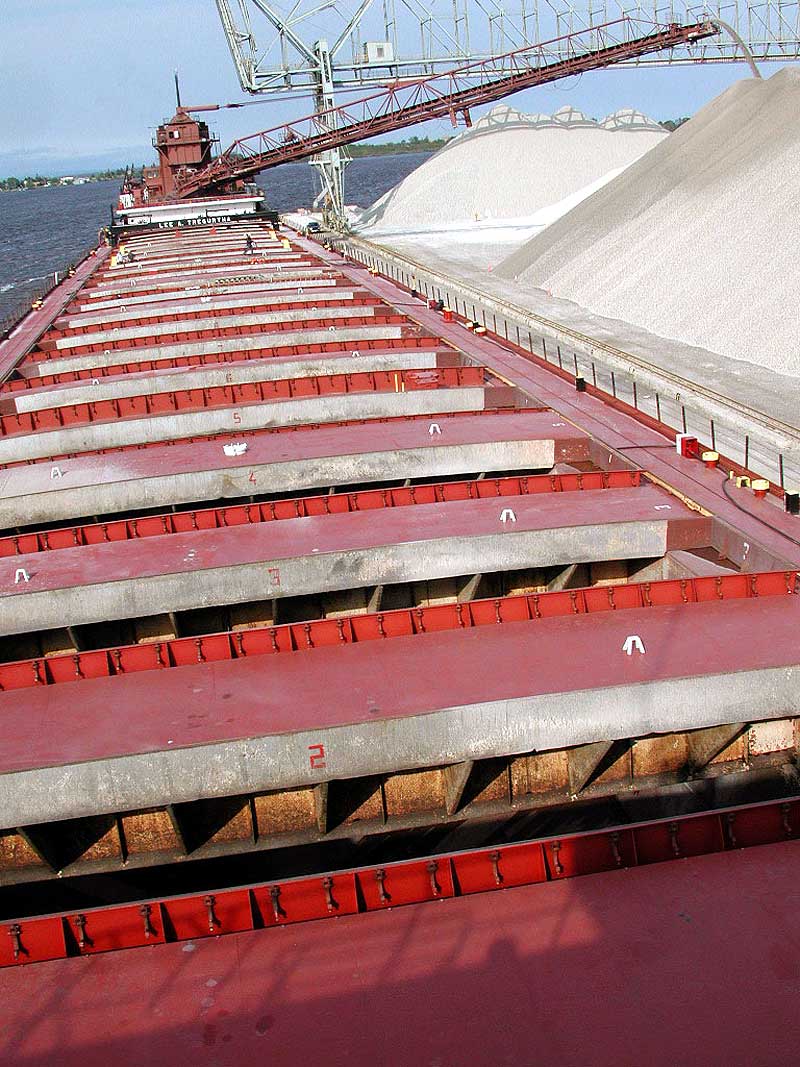
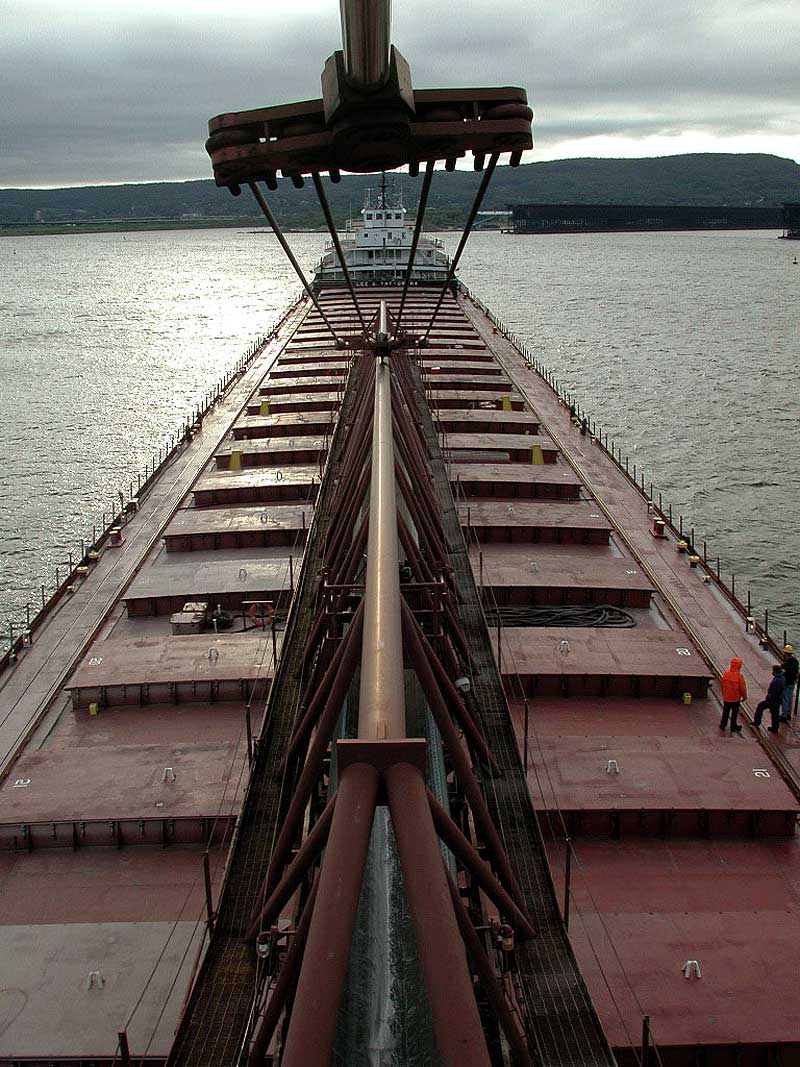
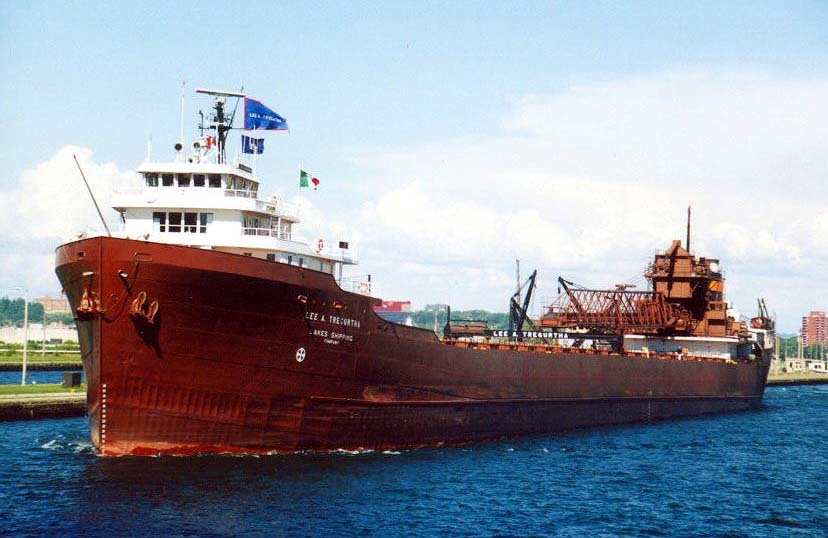
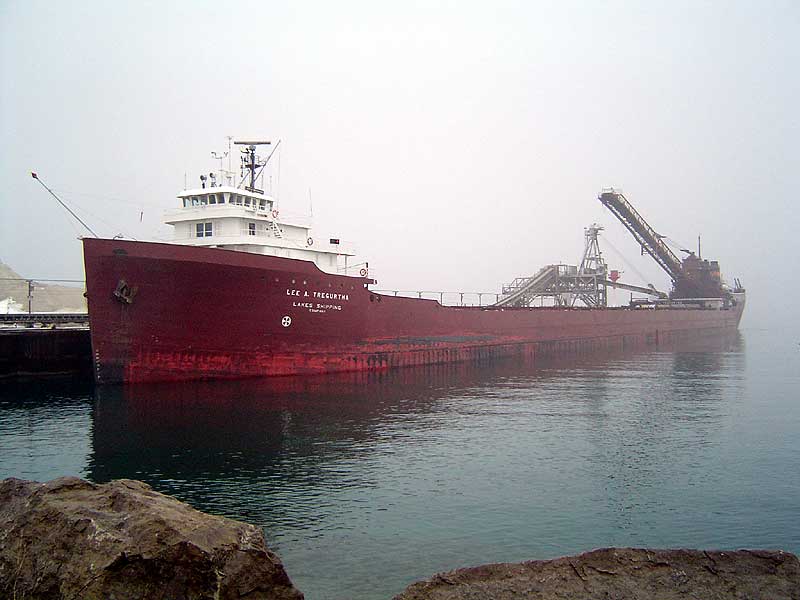
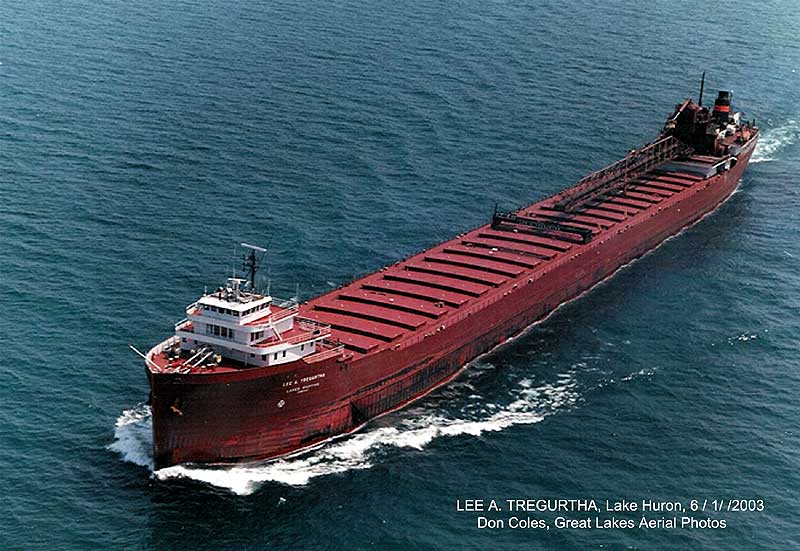
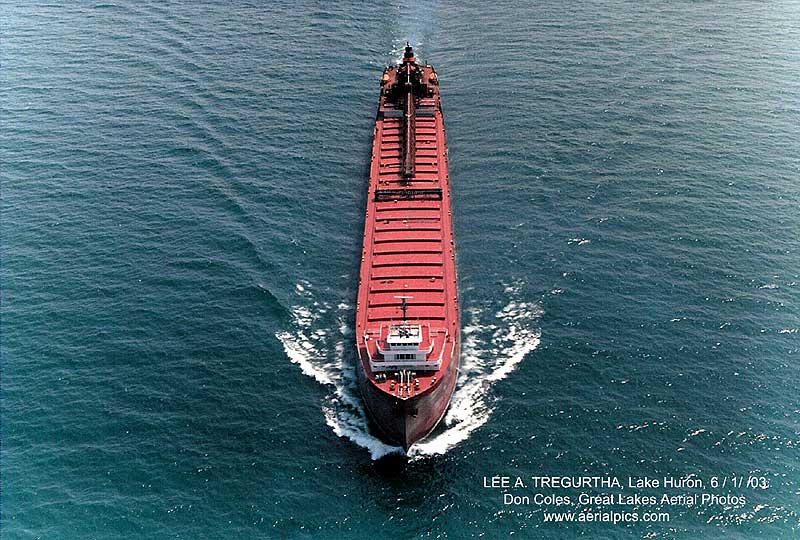
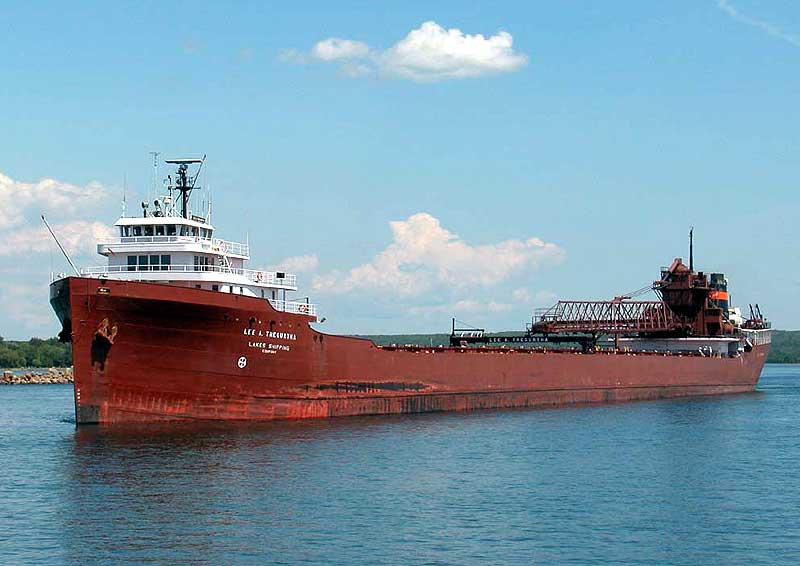
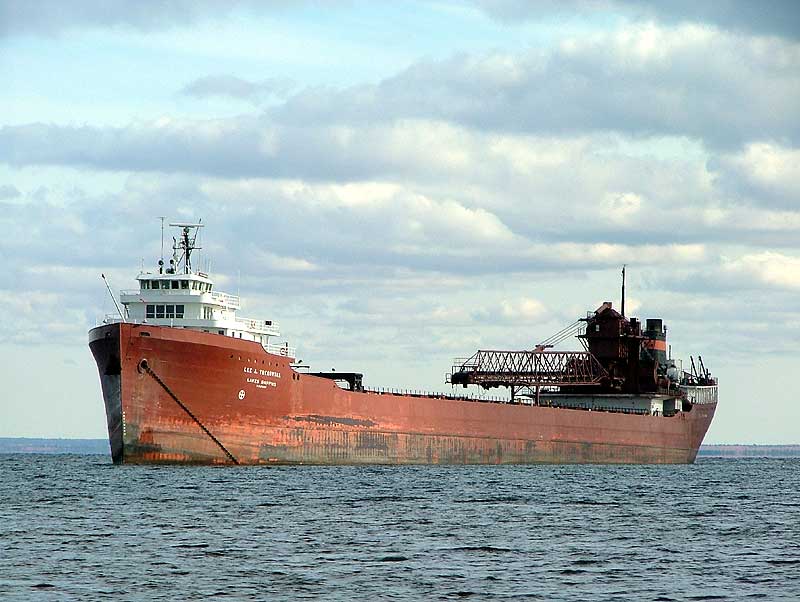
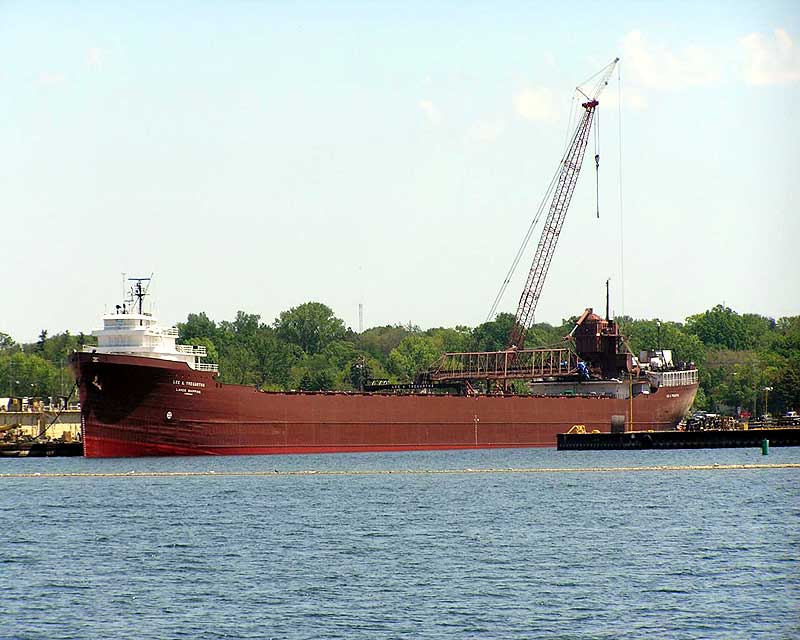
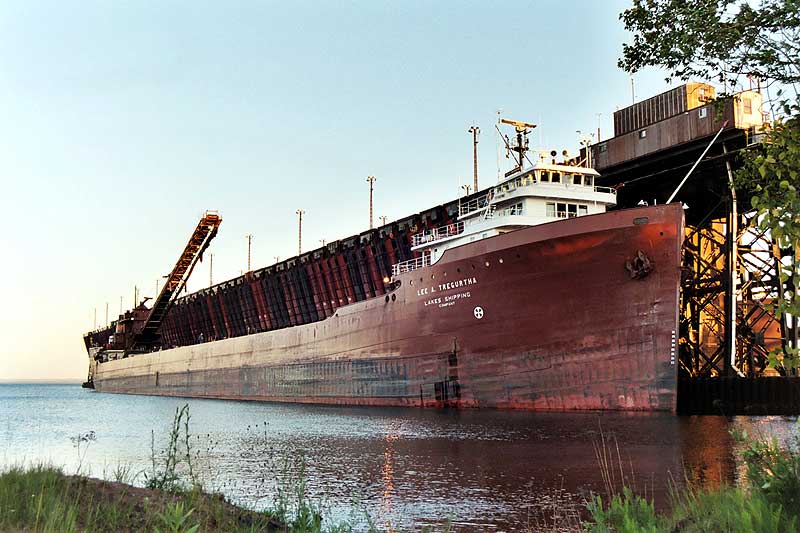
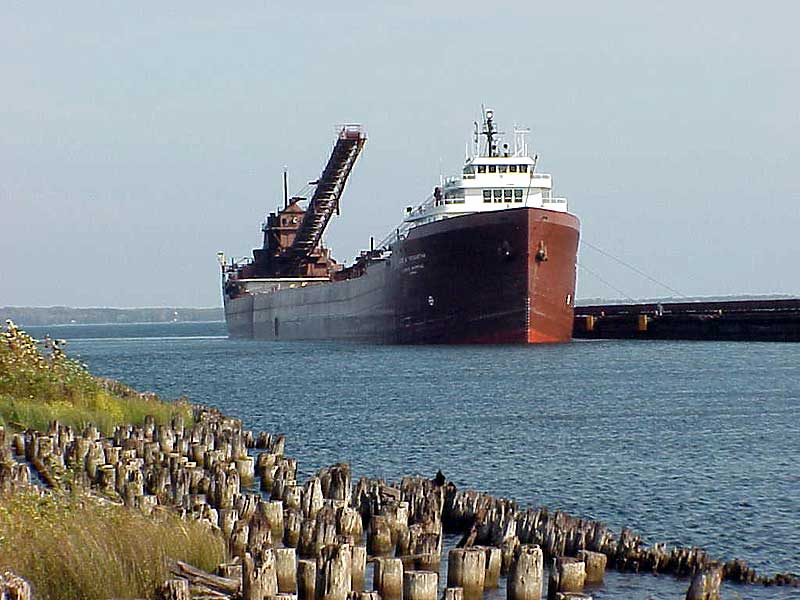
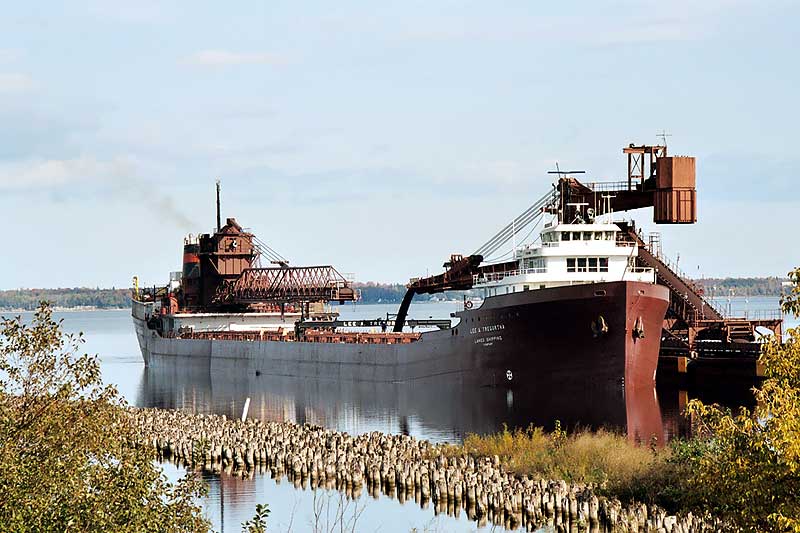
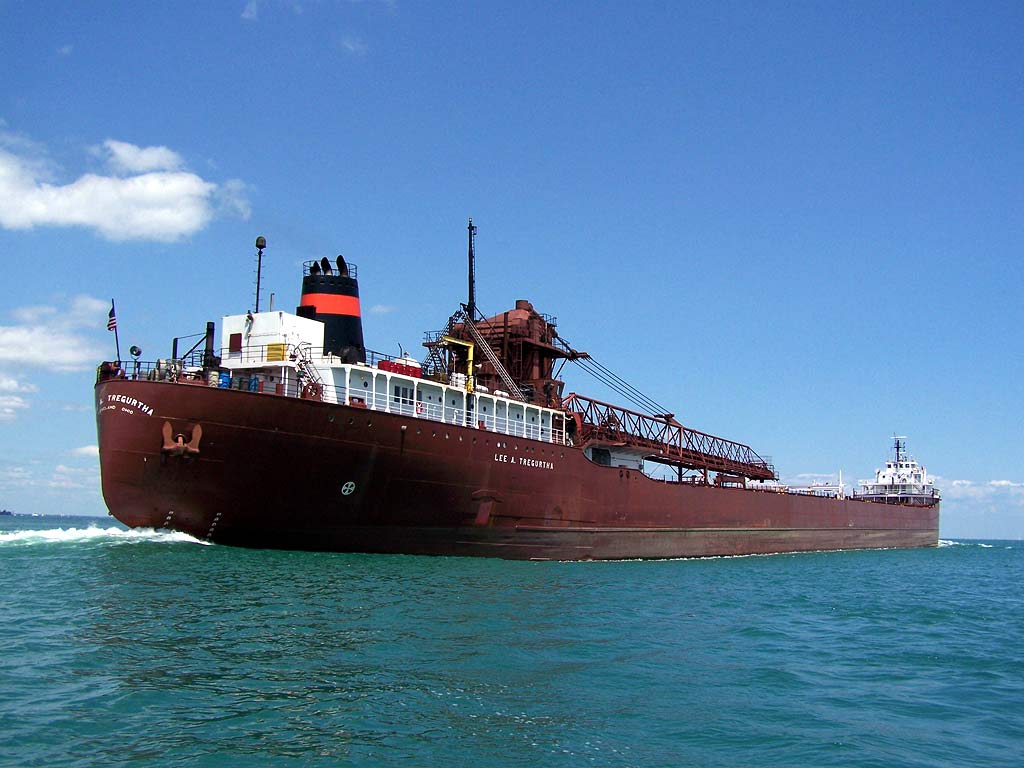
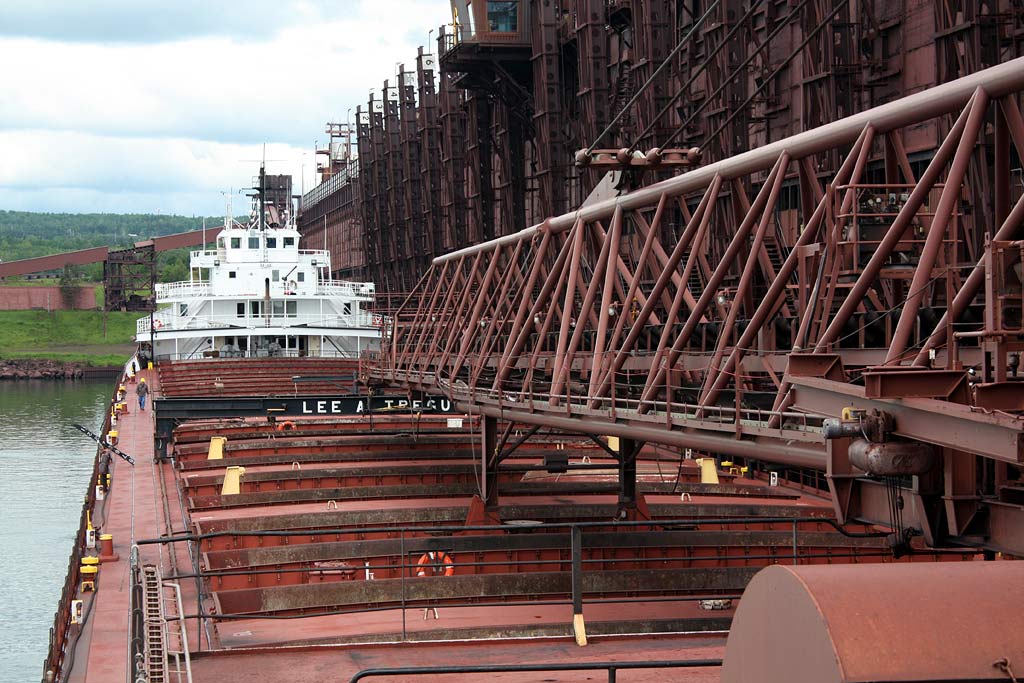
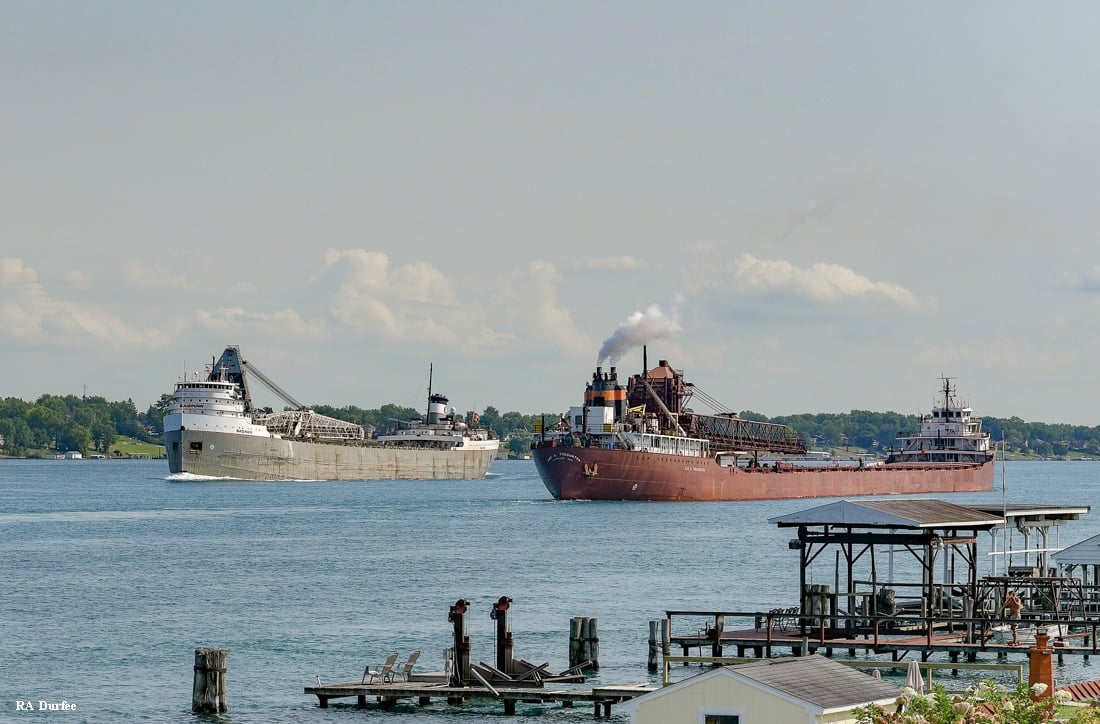
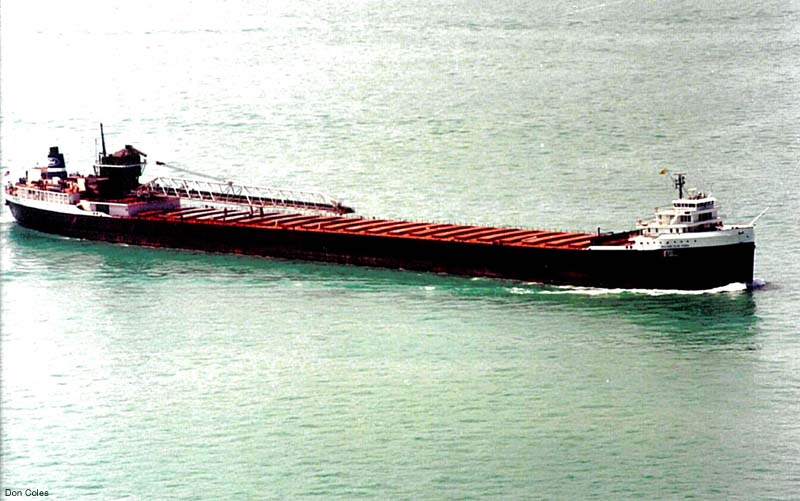
Improvements continued to be made to the Walter A. Sterling. In 1966, a bow thruster was added and during her winter lay-up of 1967/68 at Lorain, OH, her boiler and burner controls were automated. Then, in 1976 at a cost of $3.5 million, the bulker was lengthened 96′ (29.26m) at American Ship Building, Lorain, OH including the installation of a new floatation safety system. This lengthening increased her cargo capacity to 30,592 tons (31,083 mt) making her the largest steam powered vessel on the Great Lakes. Then, in 1978, the Walter A. Sterling was converted to a self-unloader by the same ship yard, returning to service October 2, 1978. This conversion reduced her cargo capacity to 29,300 tons (29,771 mt) at a draft of 28′ 01″ (8.56m) contained in 5 holds serviced by 24 hatches. Her holds have the cubic capacity to carry 18,500 net tons of coal (equivalent to 16,518 tons or 16,783 mt). The conversion included the installation of a stern mounted 250′ (76.2m) discharge boom with hopper type polymer lined cargo holds gravity feeding through hydraulically controlled cargo gates to tunnel conveyors. This upgrade was followed up in 1982 with the addition of a stern thruster.
The Walter A. Sterling’s tenure on the Great Lakes had been marred only a couple minor incidents, until April 6, 1983 when the self-unloader allided with an unidentified underwater obstruction while downbound the St. Marys River. She was holed with a reported 18′ (5.49m) of water in her forward compartments and developed a portside list. To prevent sinking, the vessel was intentionally beached. She was balanced and her cargo of taconite pellets was partially lightered to the Henry Ford II before proceeding under her own power on April 8 to Huron, OH to unload the remainder of the cargo before reporting to Lorain where a 280′ (85.34m) gash was repaired.
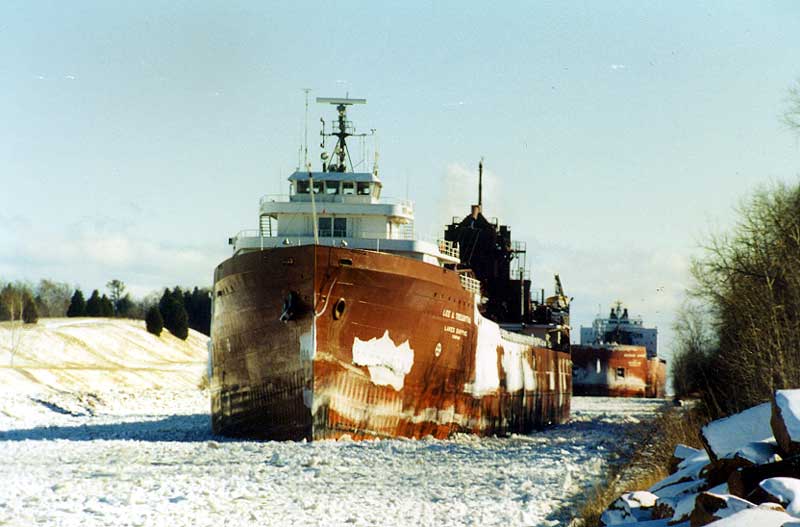
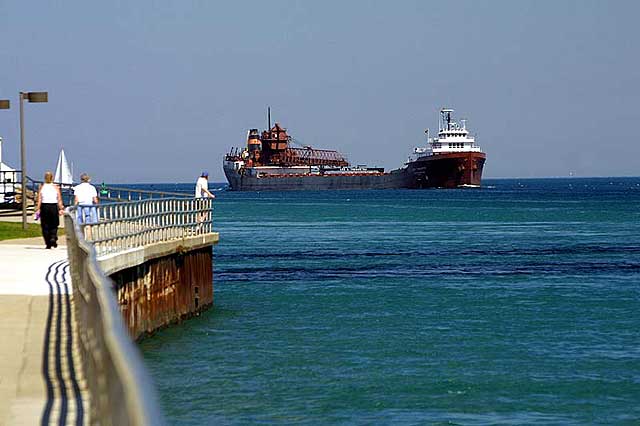
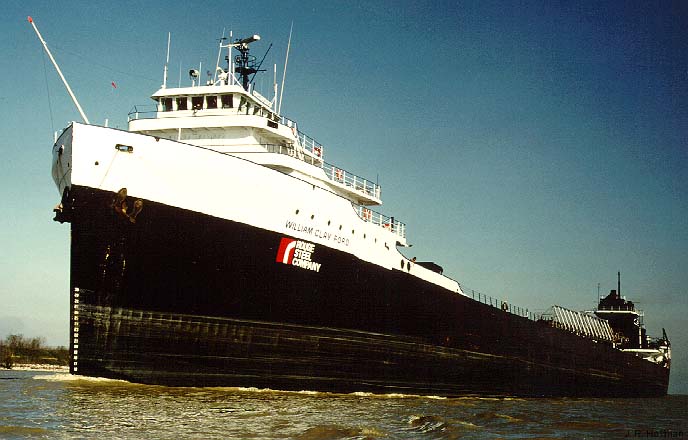
At the end of the 1984 navigation season, the Walter A. Sterling and her fleetmate, the self-unloader Edward B. Greene were sold to the Ford Motor Company’s subsidiary Rouge Steel Co., Dearborn, MI. In early 1985, the Walter A. Sterling was renamed William Clay Ford (2) in honor of the son of Mr. Edsel Ford who was born March 14, 1925 and became a director of Ford in 1948. The Edward B. Greene was renamed Benson Ford (3). The William Clay Ford departed Duluth, MN on April 16, 1985 on her laden maiden voyage for her new owners with taconite pellets for Rouge Steel. Improvements continued to be made to the vessel as during her winter lay-up of 1985/86, $2 million was spent converting her electrical system from DC to AC and for a new automated boiler trim system. Her tenure with the “Ford Fleet” was short-lived. On March 13, 1989, Ford announced that its Rouge Steel subsidiary was going to sell its marine operations.
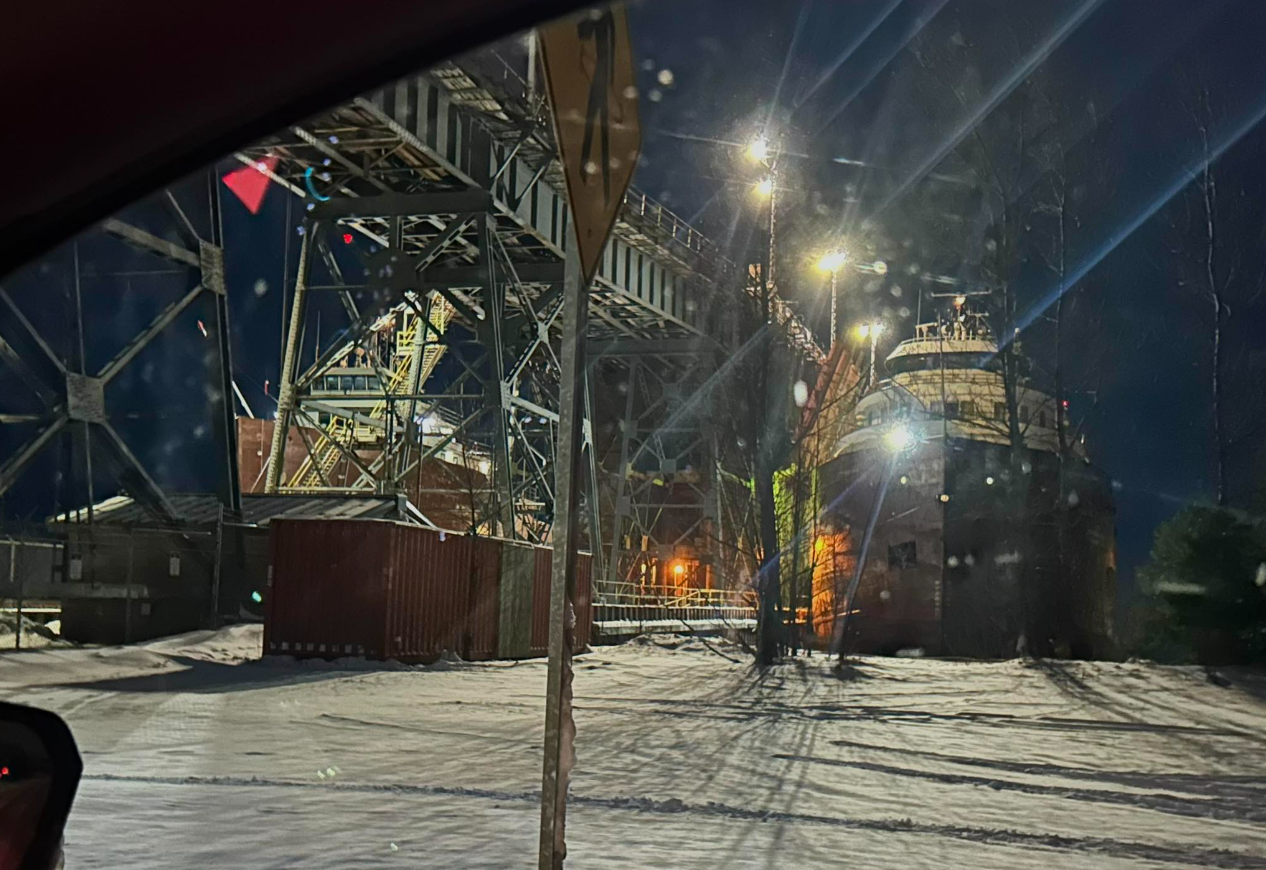
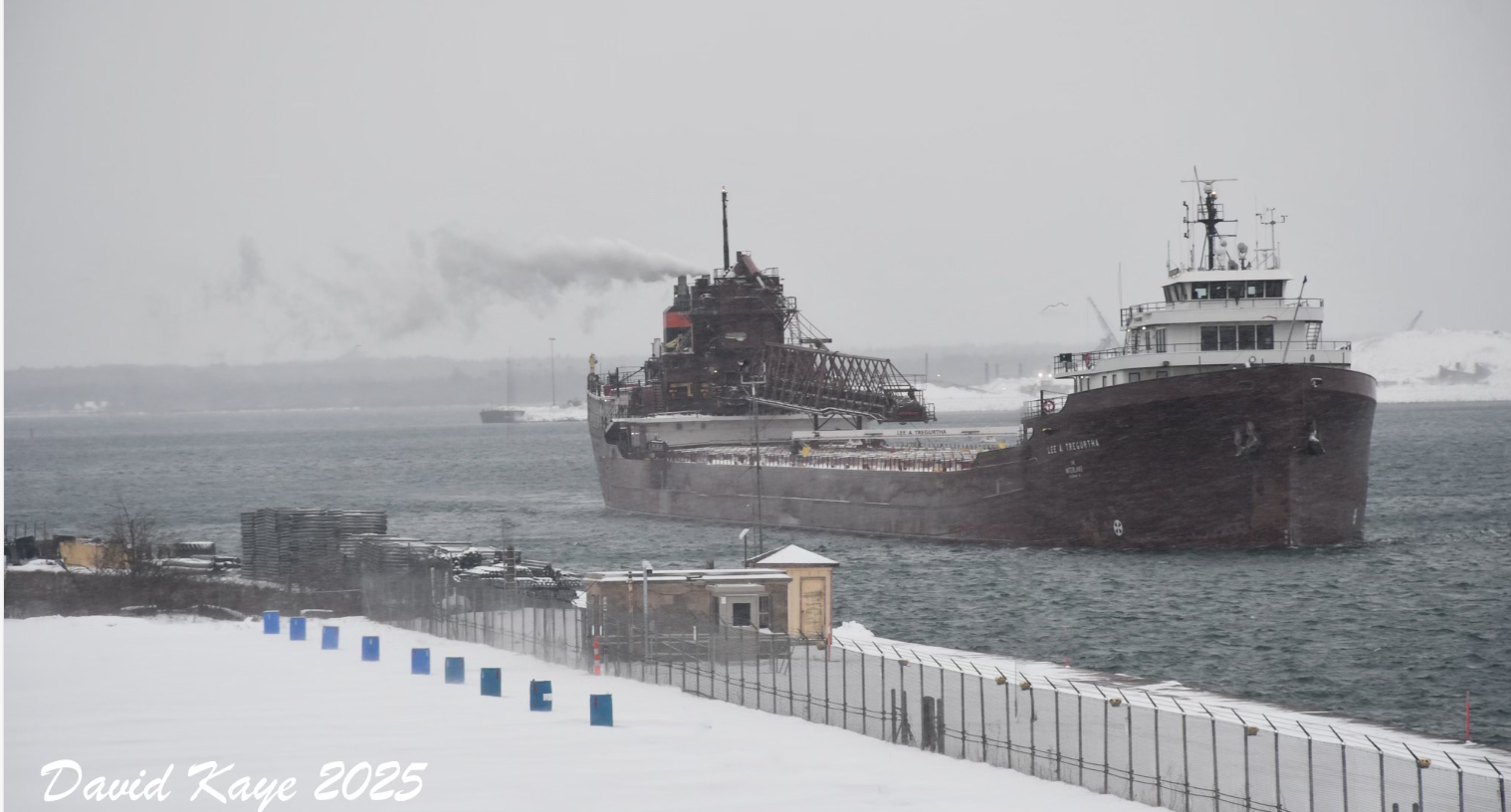
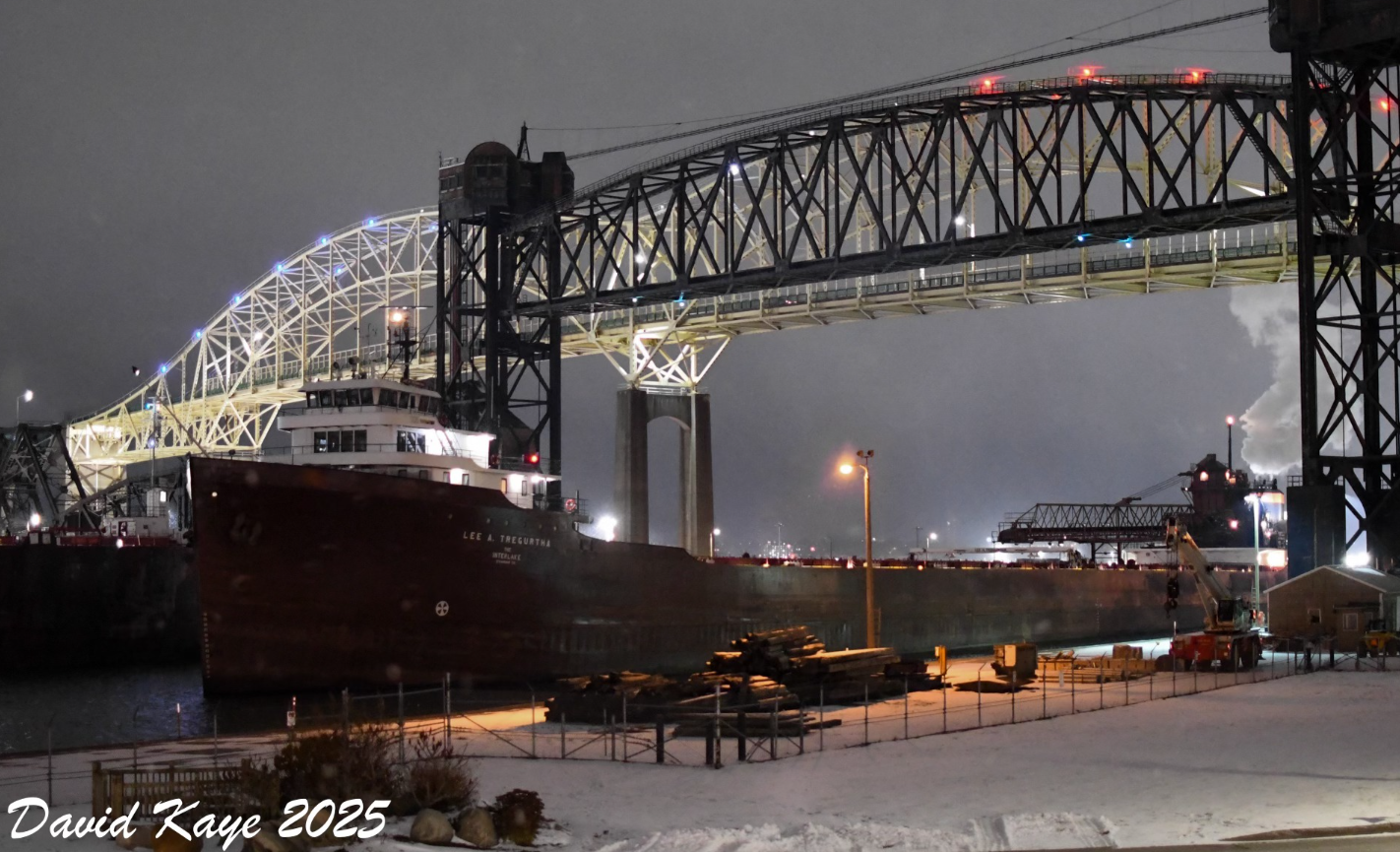
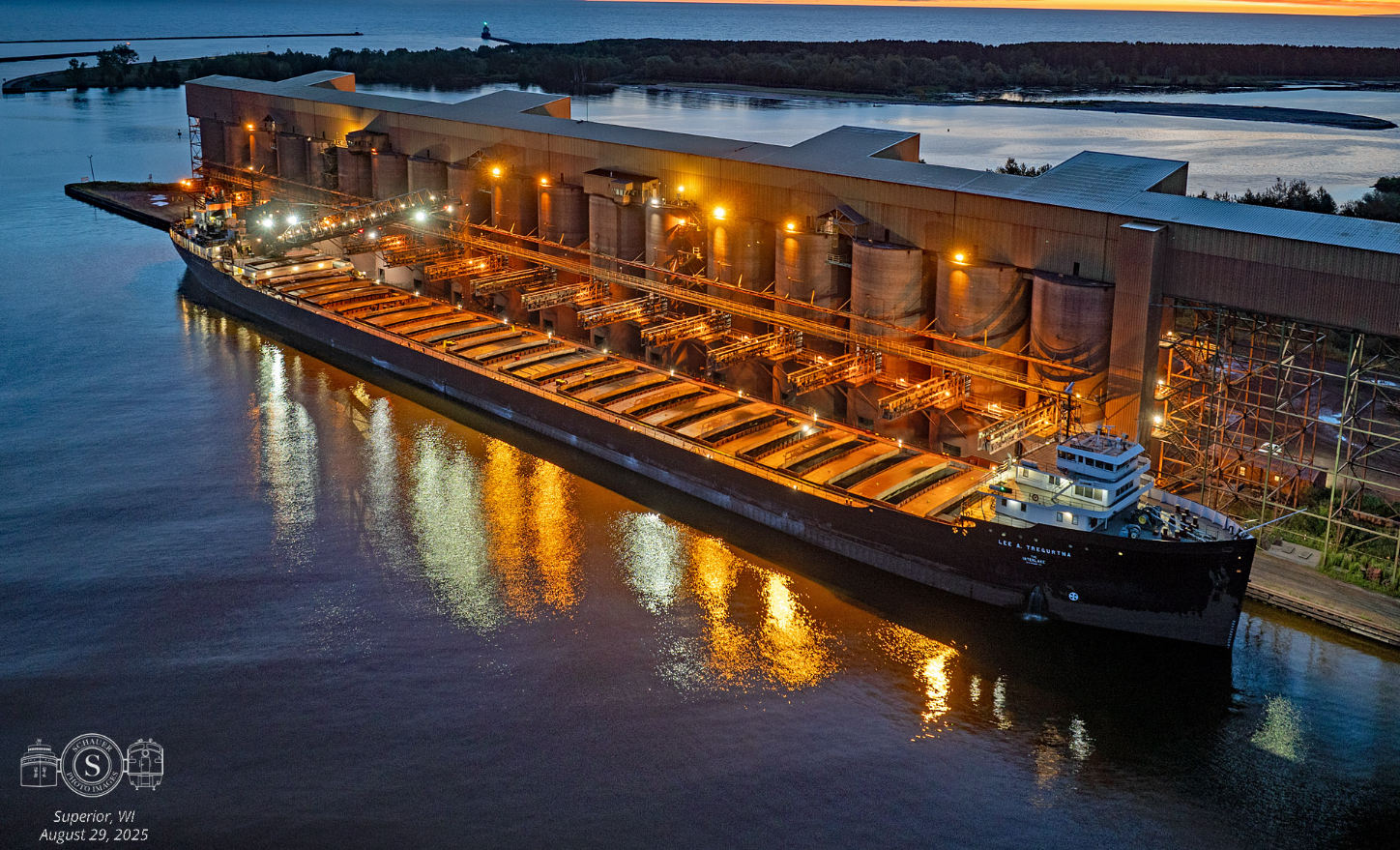
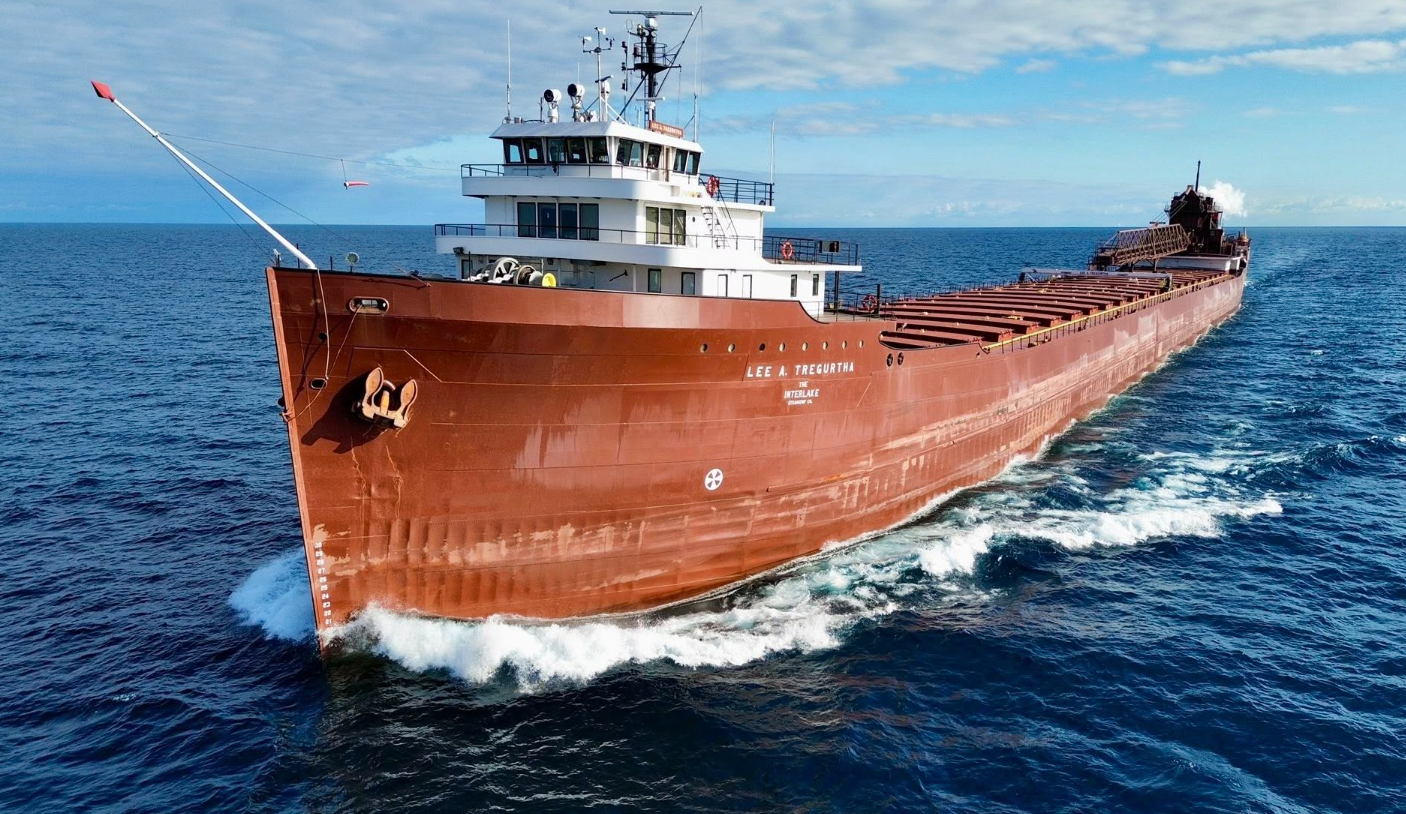
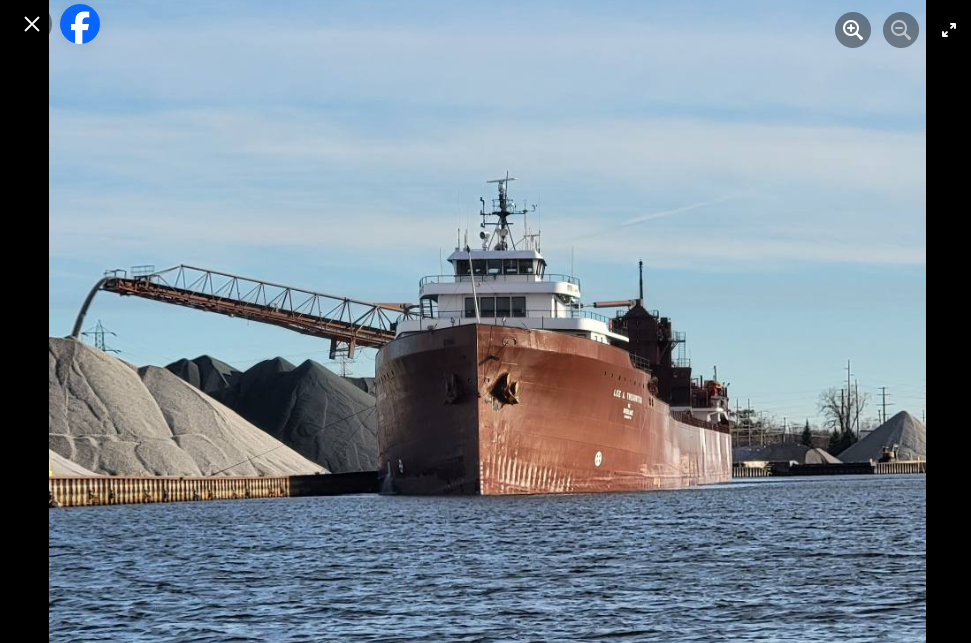
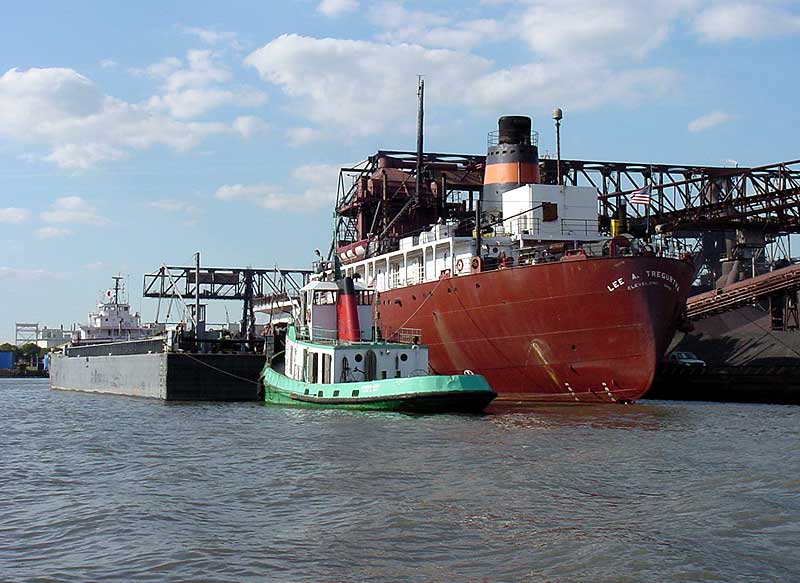
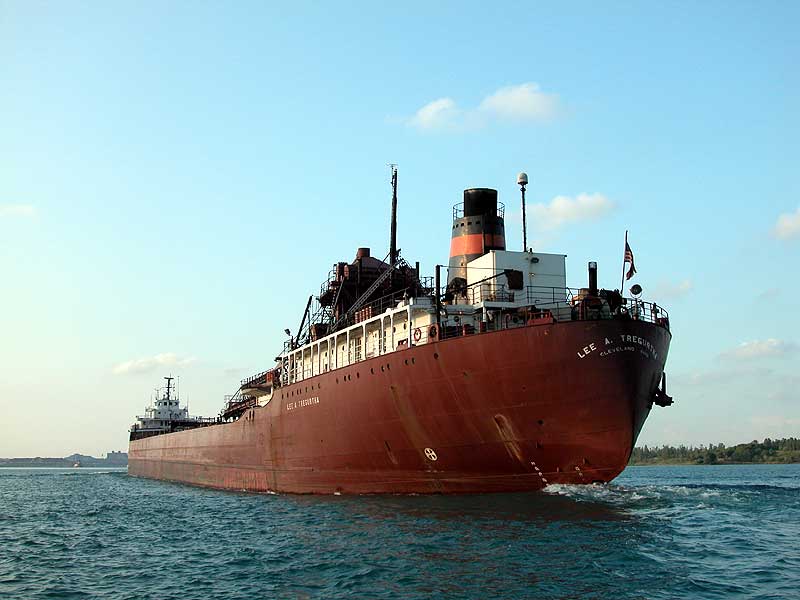
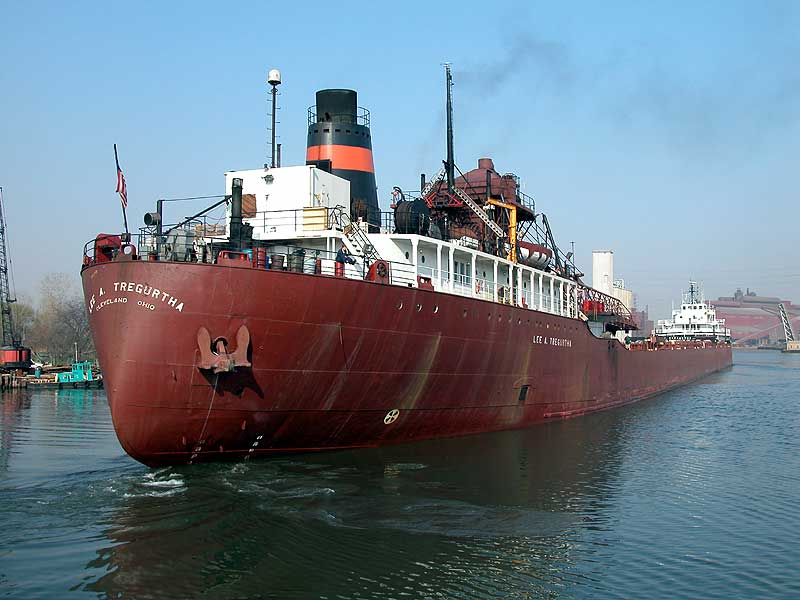
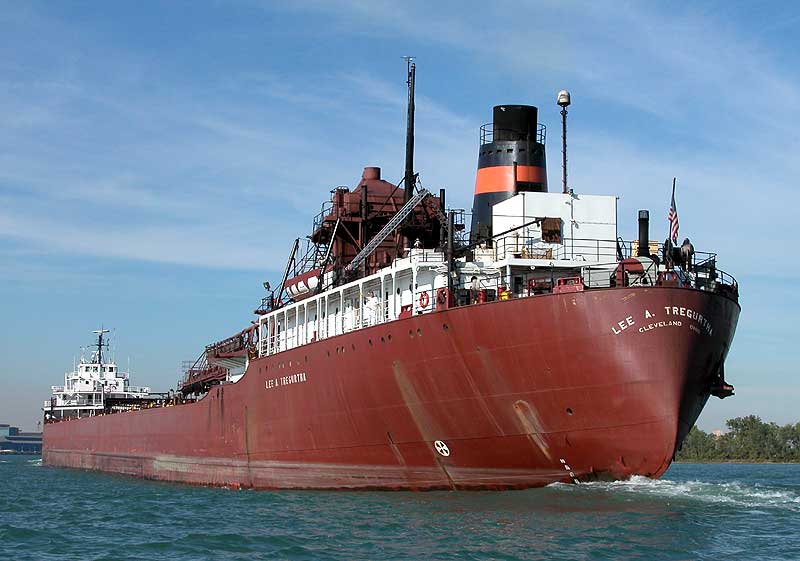
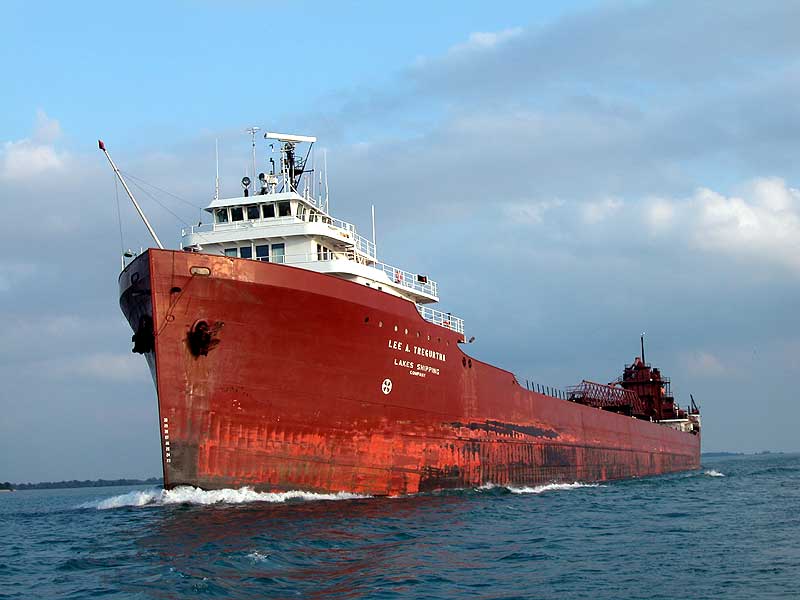
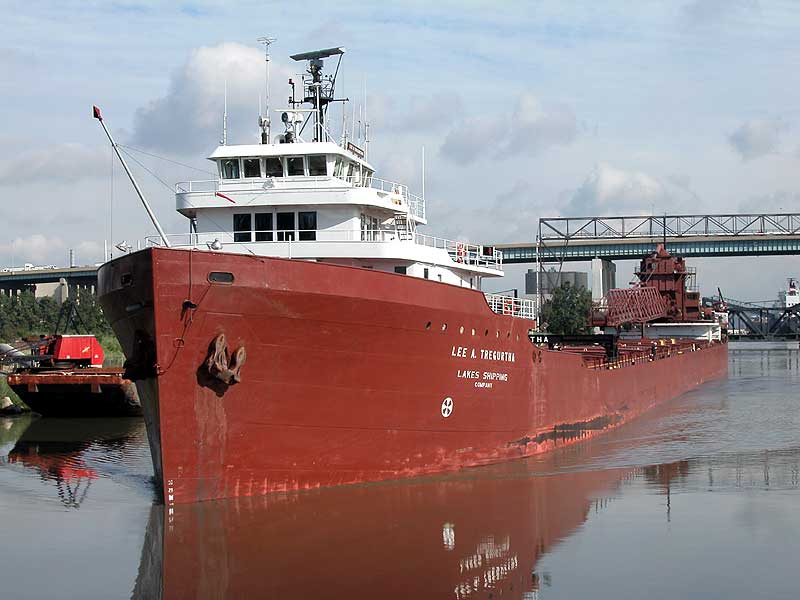
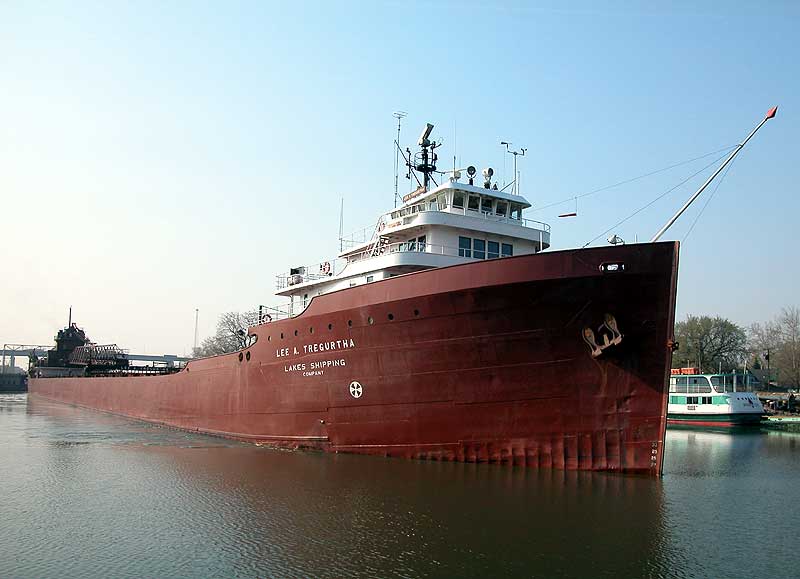
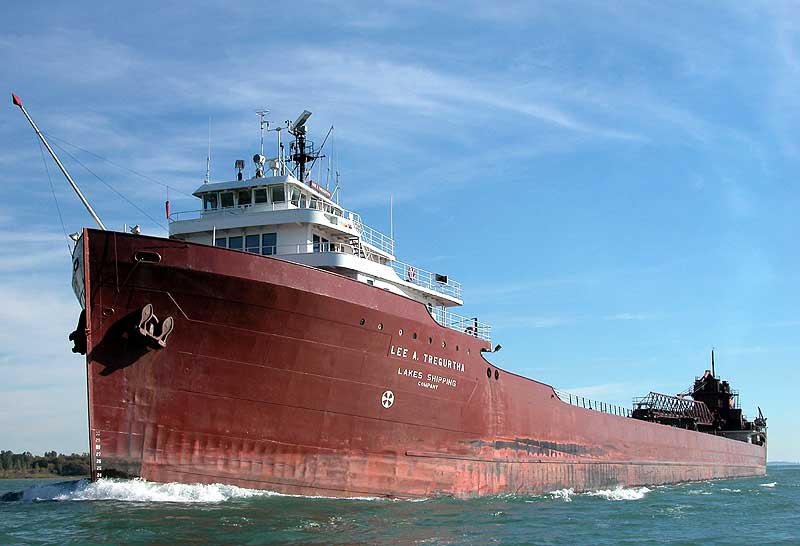
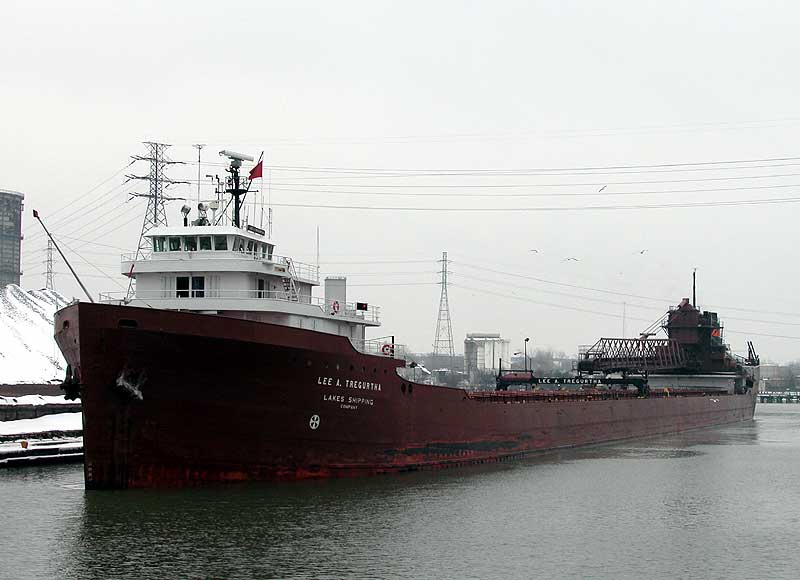
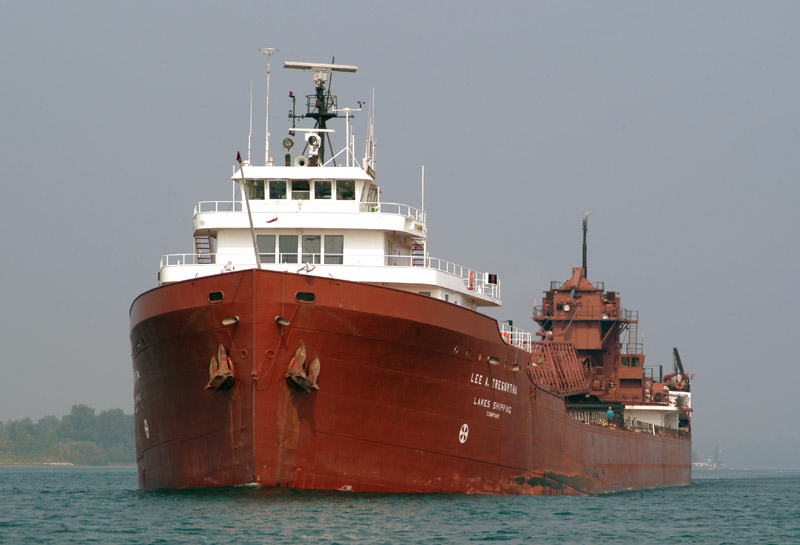
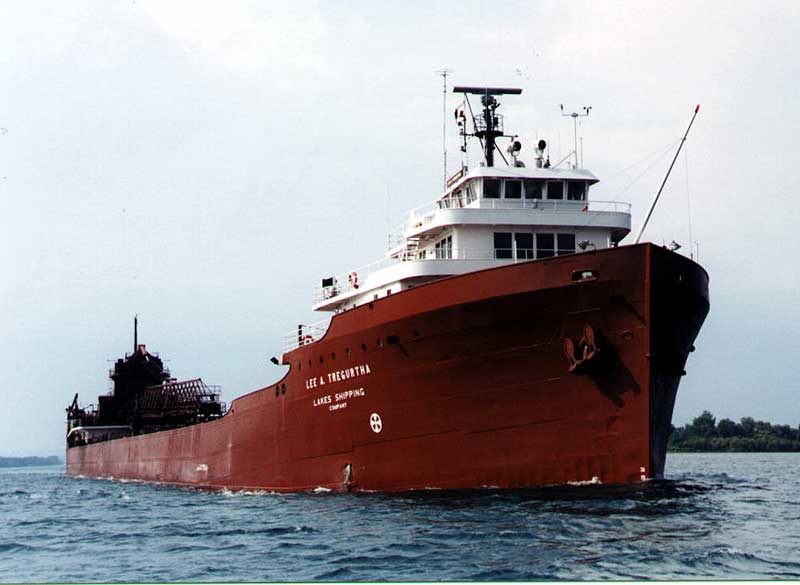
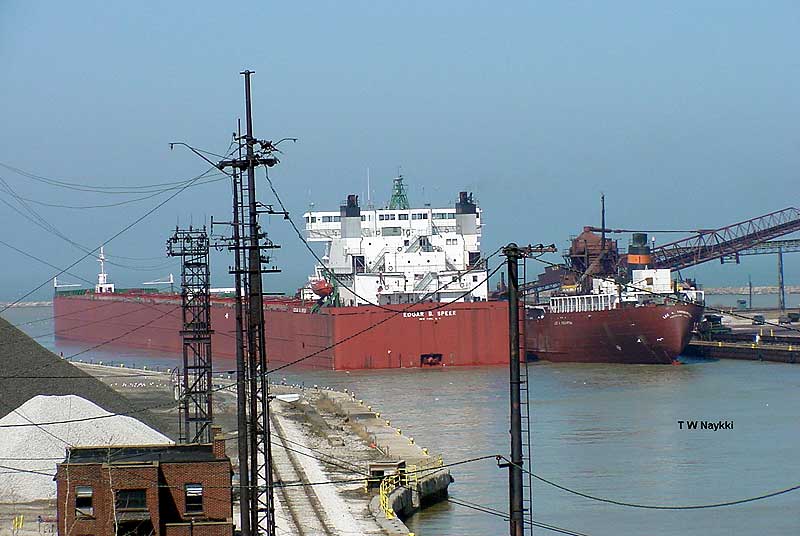
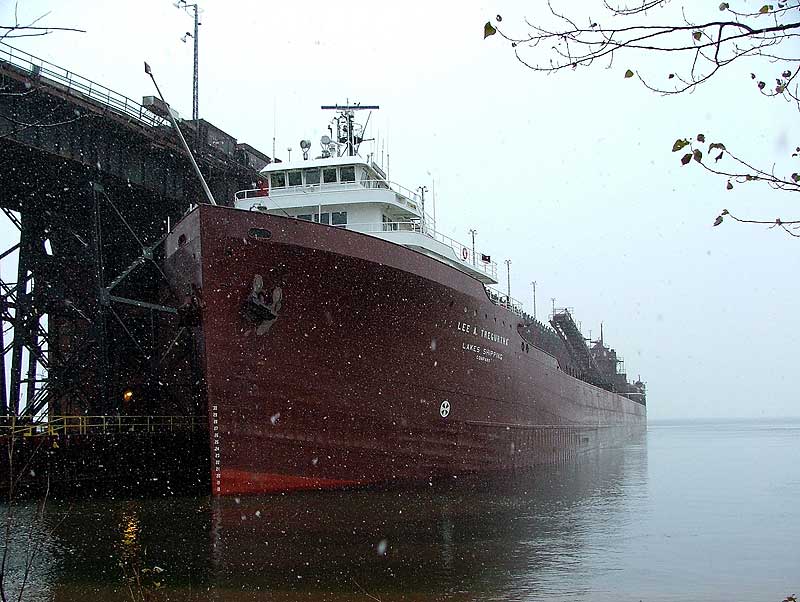
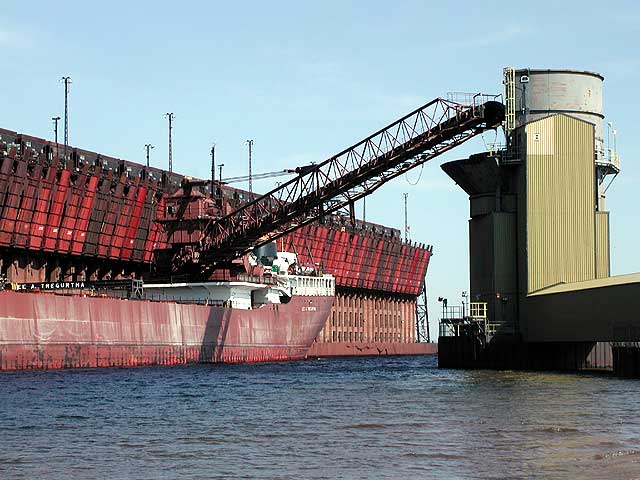
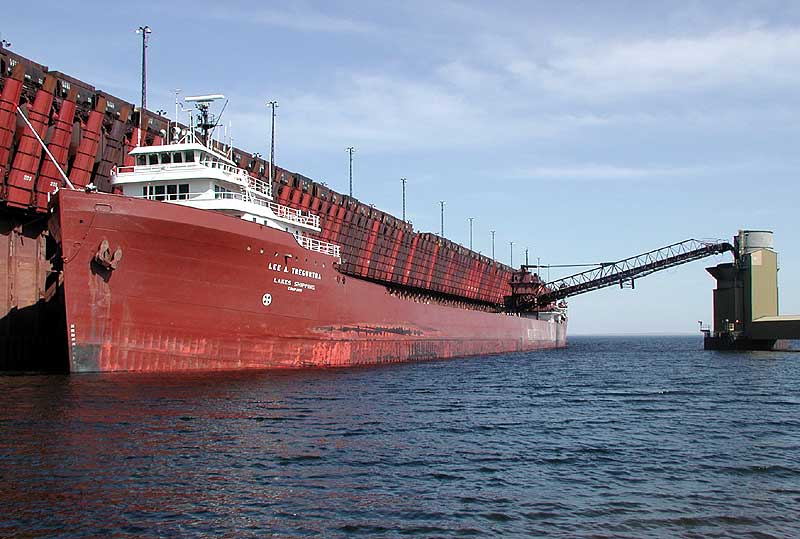
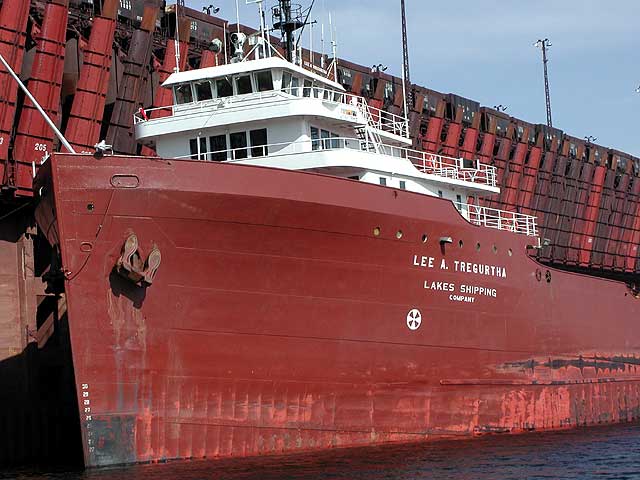
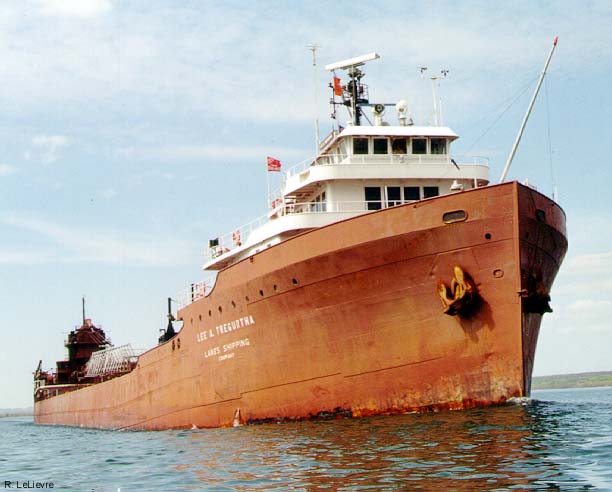
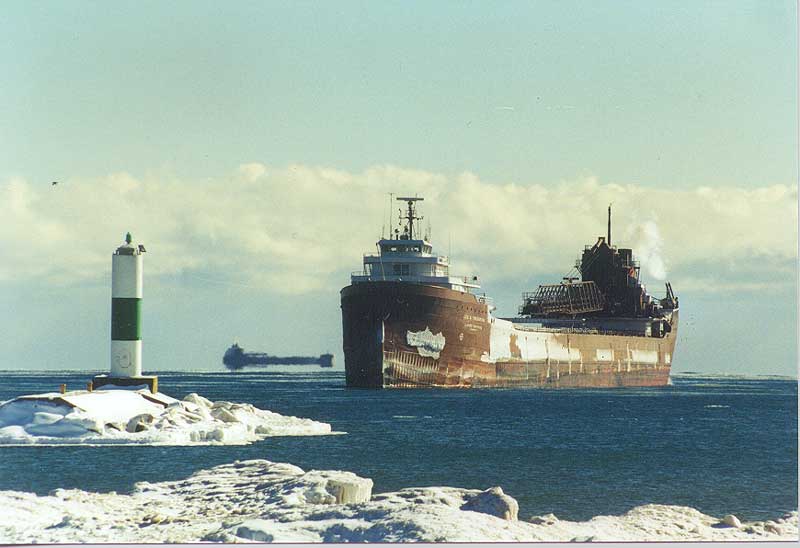
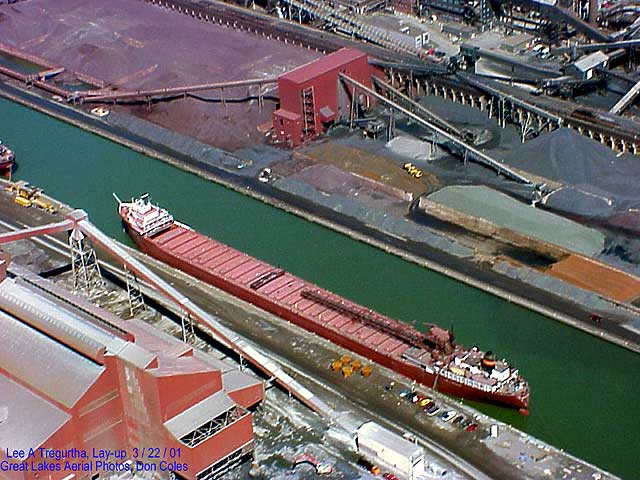
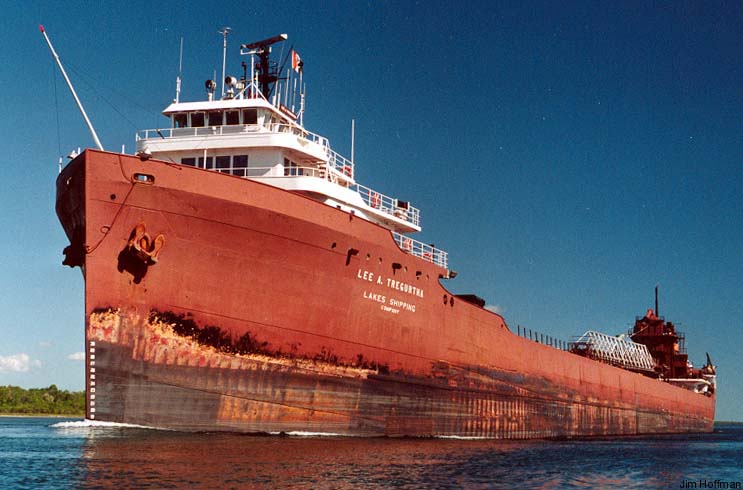
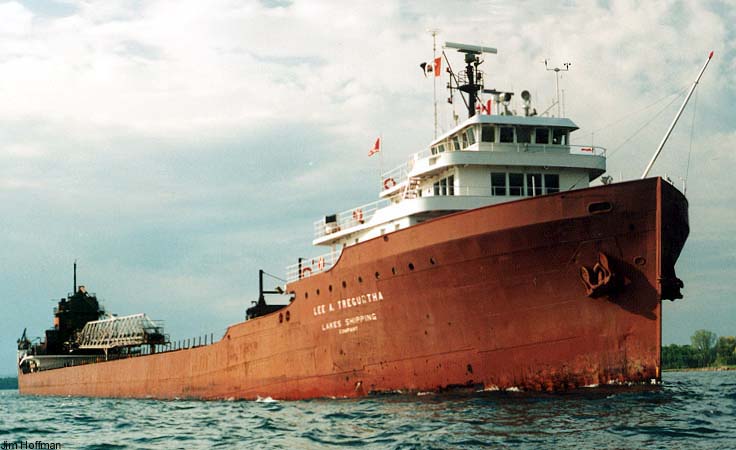
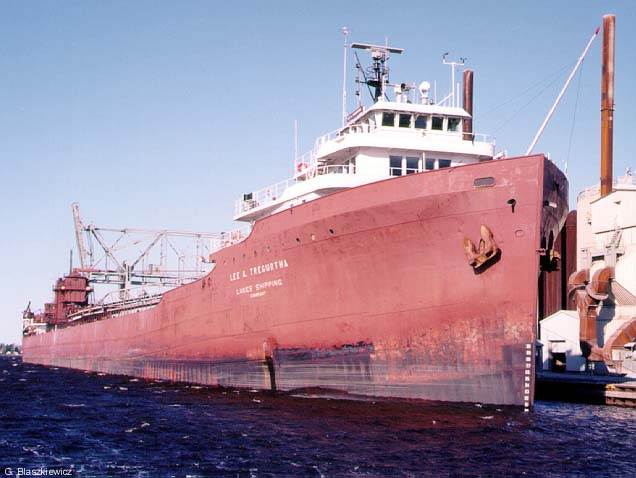
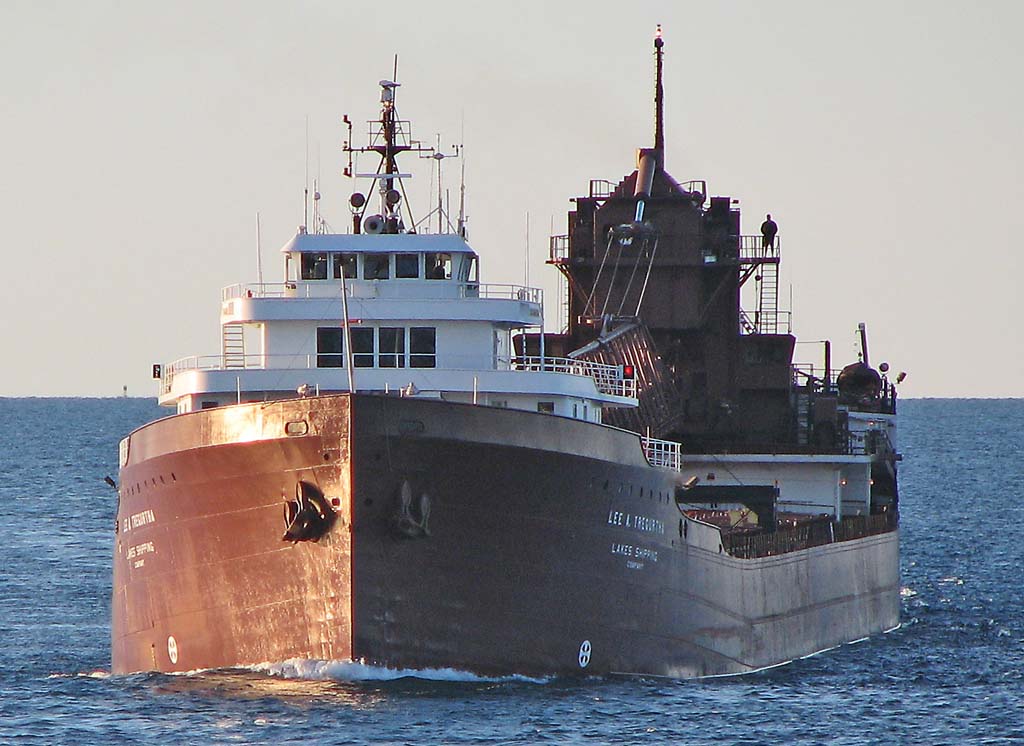
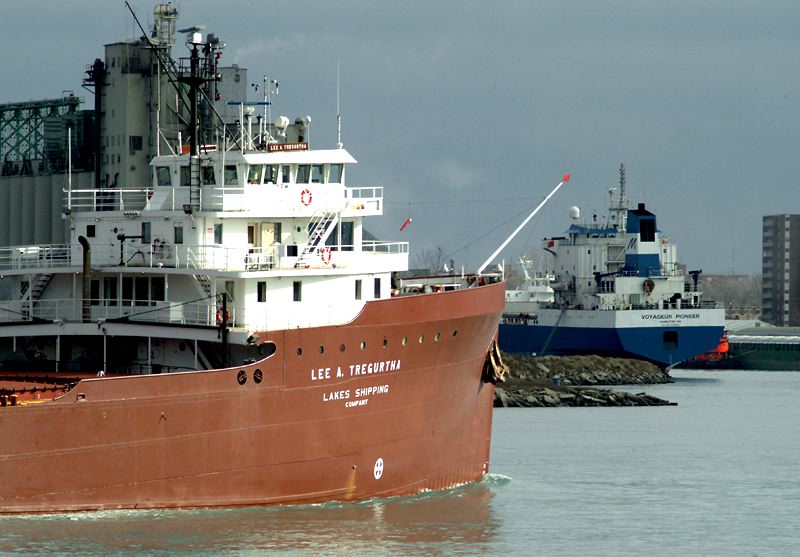
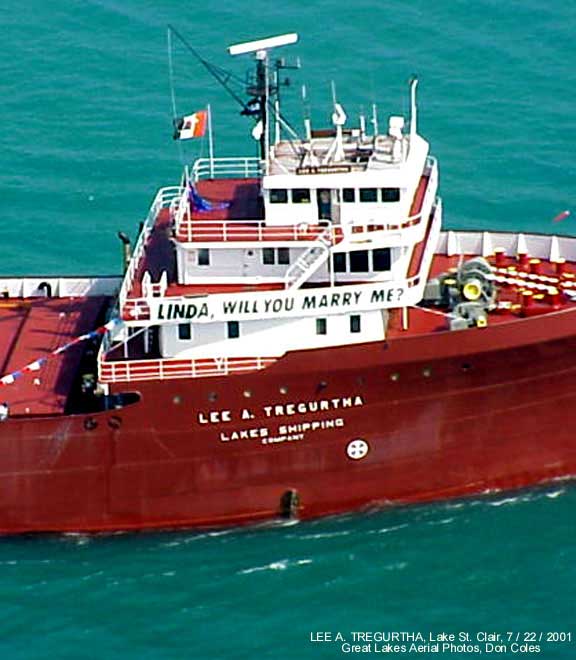
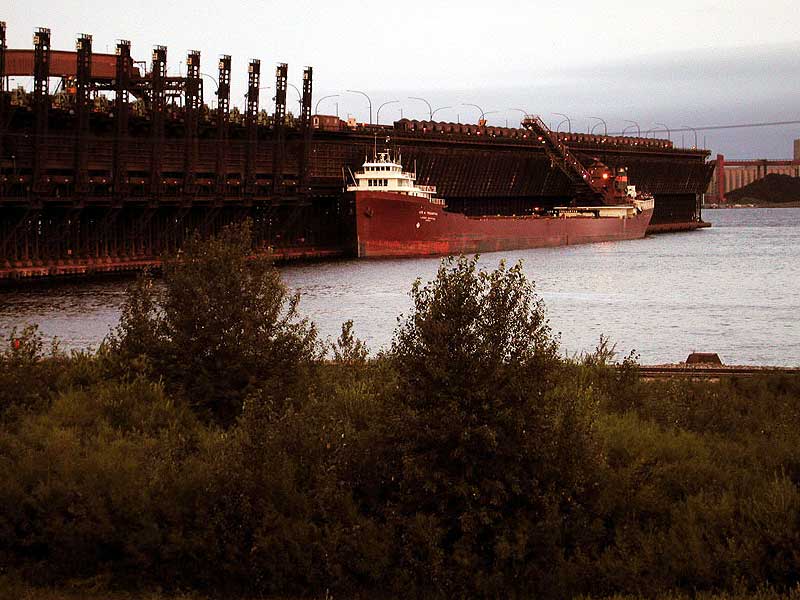
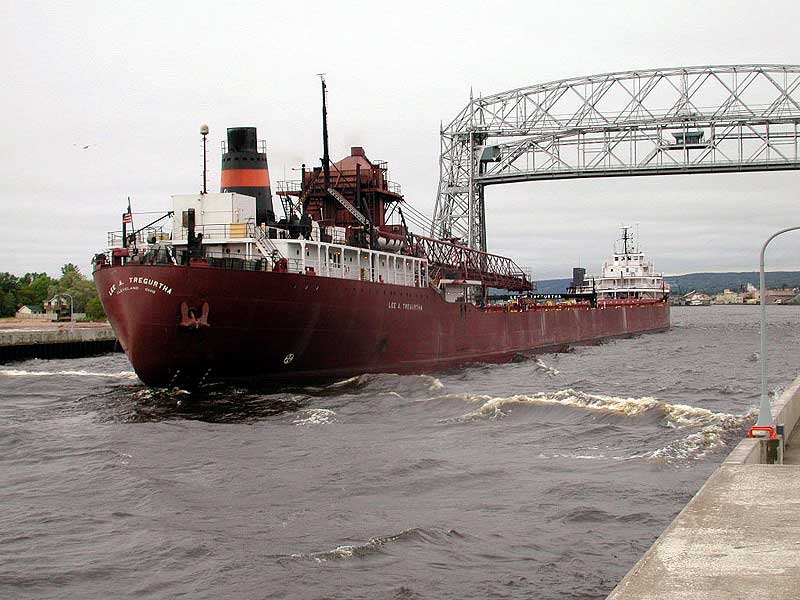
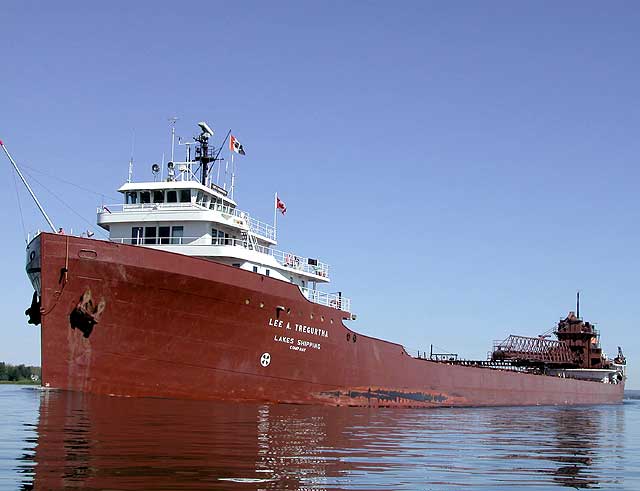
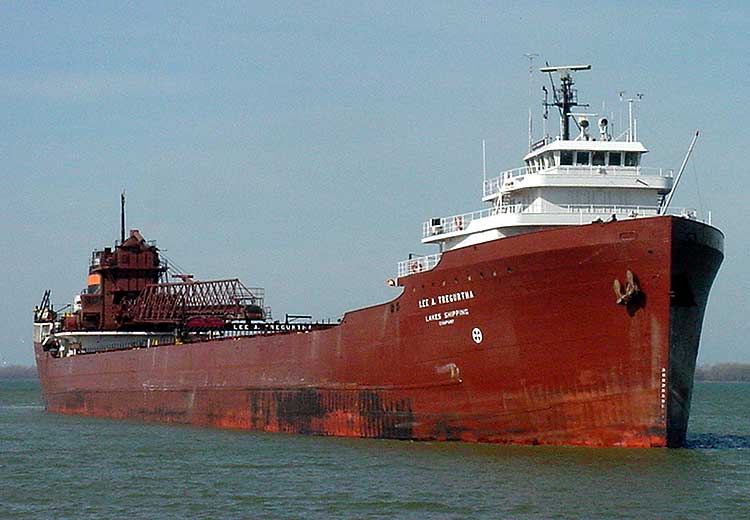
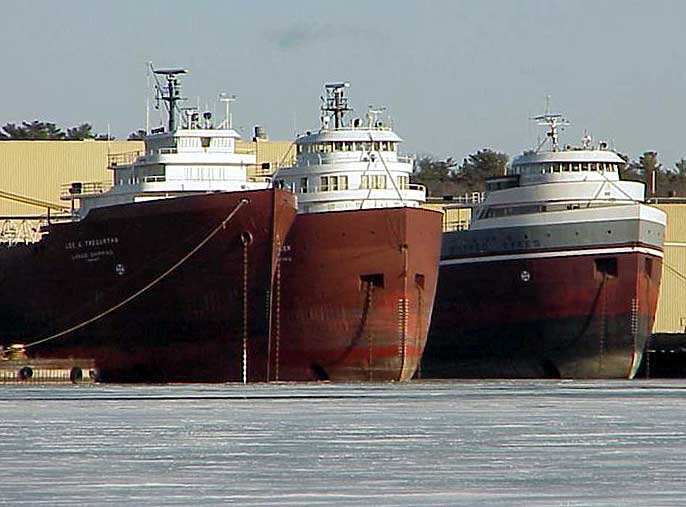
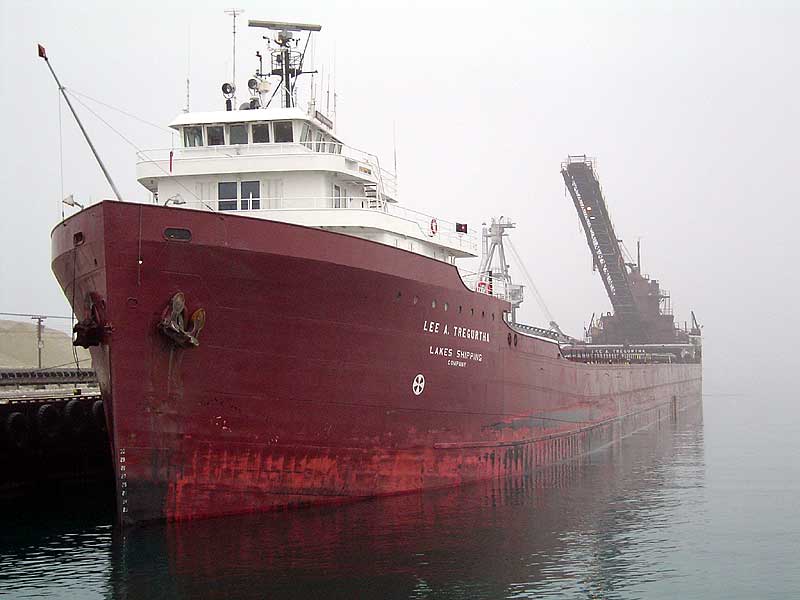
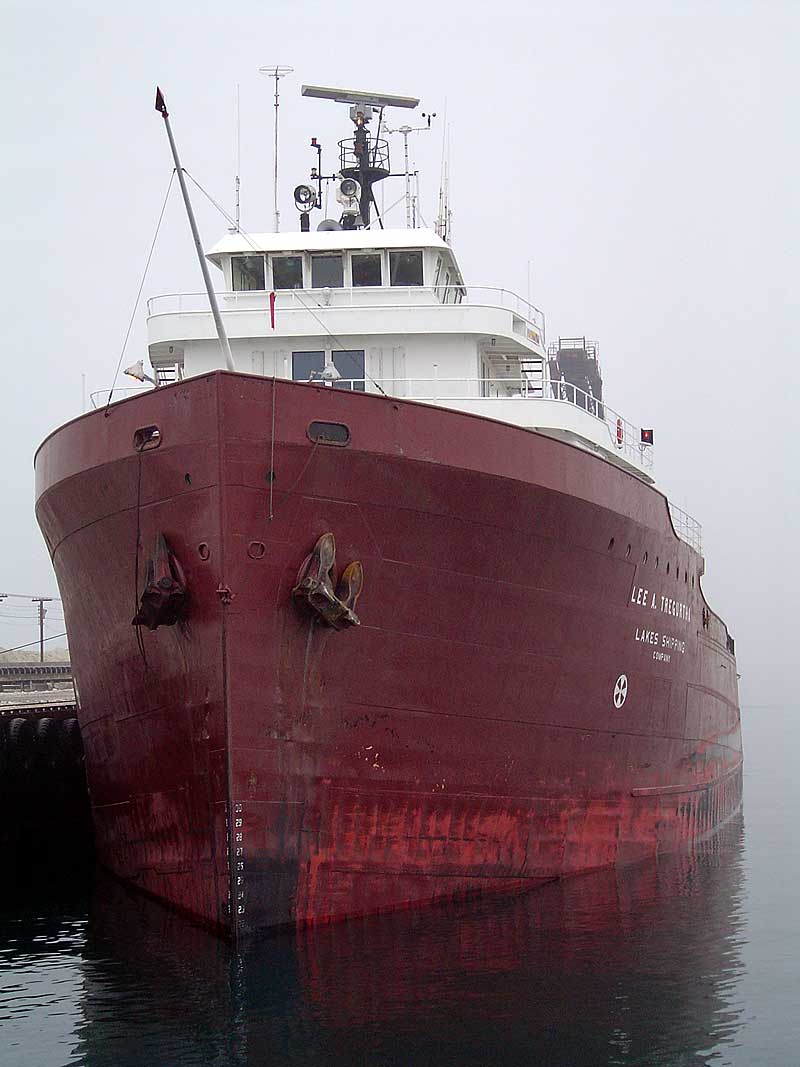
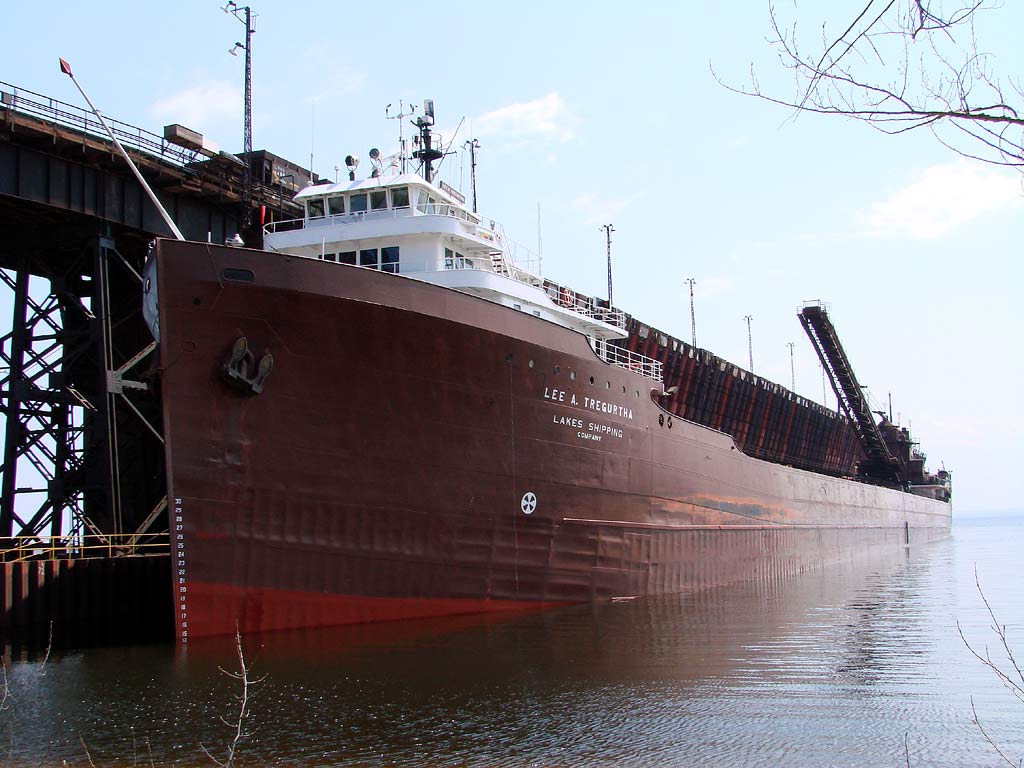
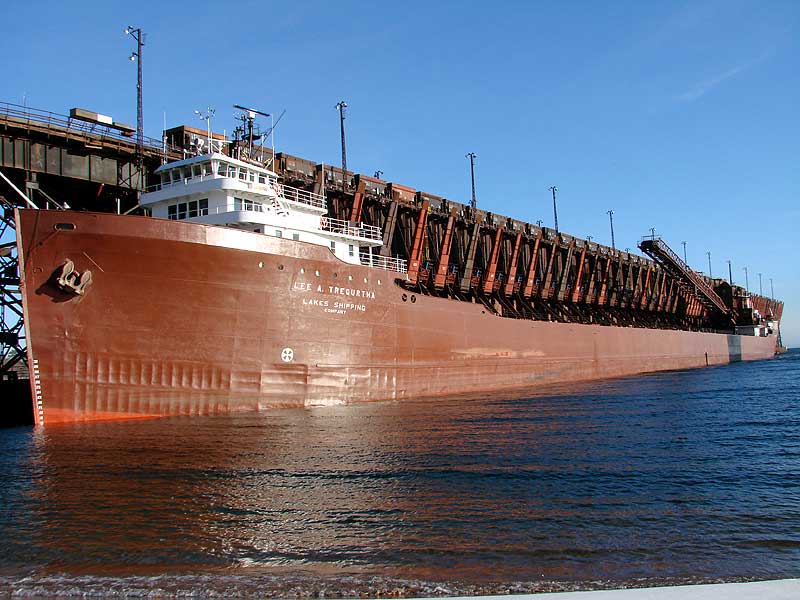
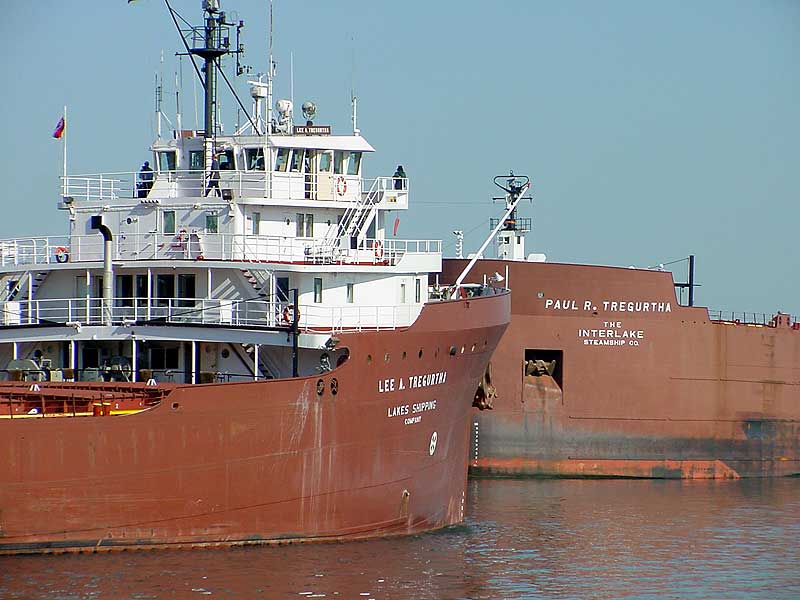
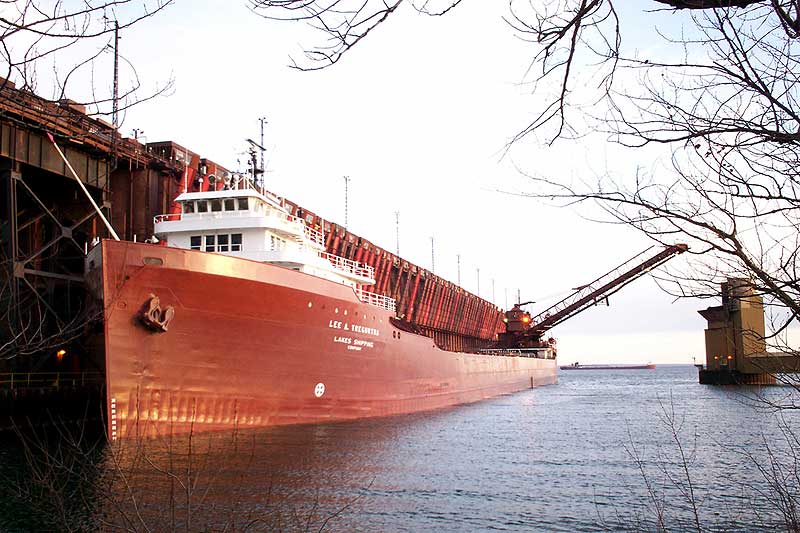
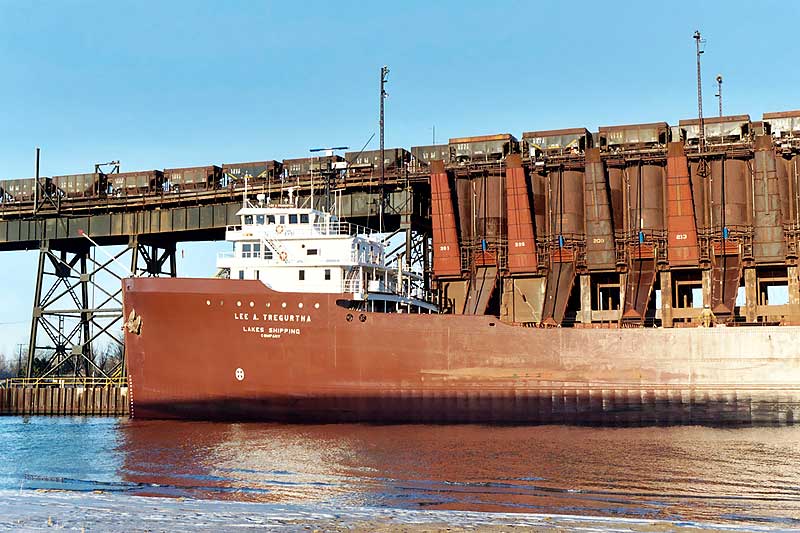
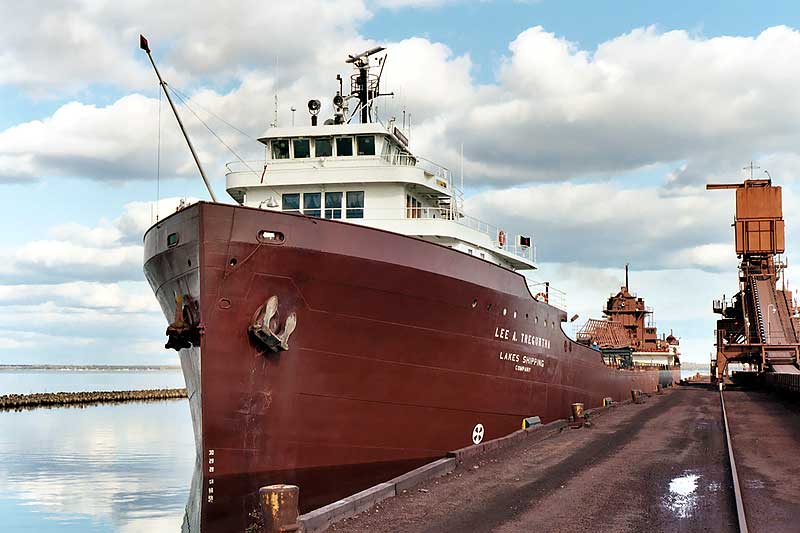
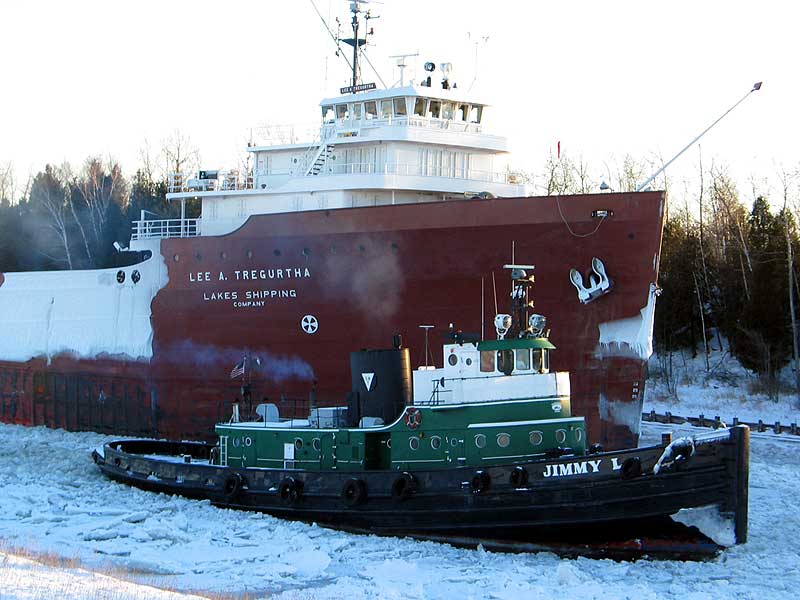
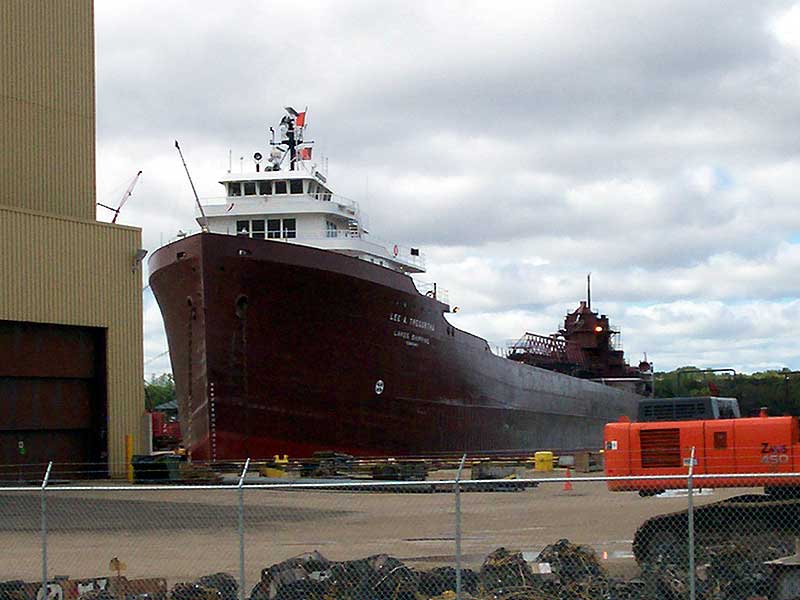
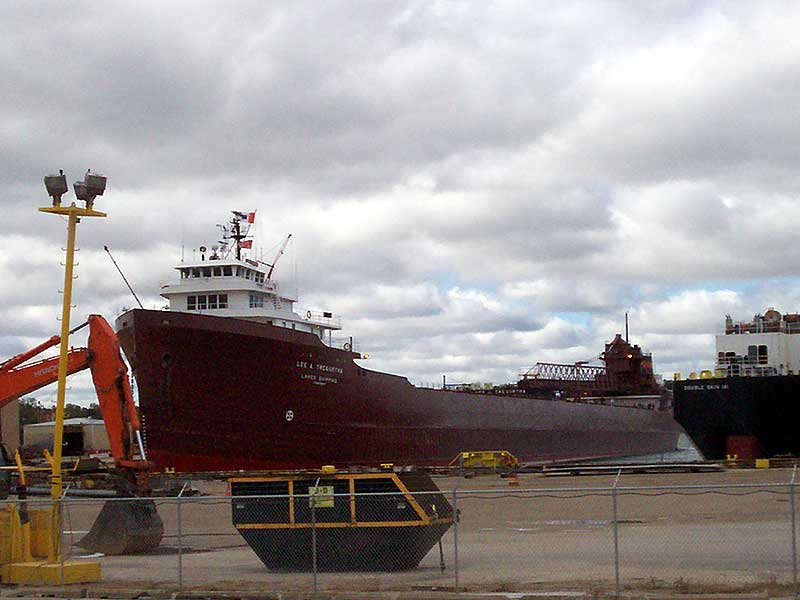
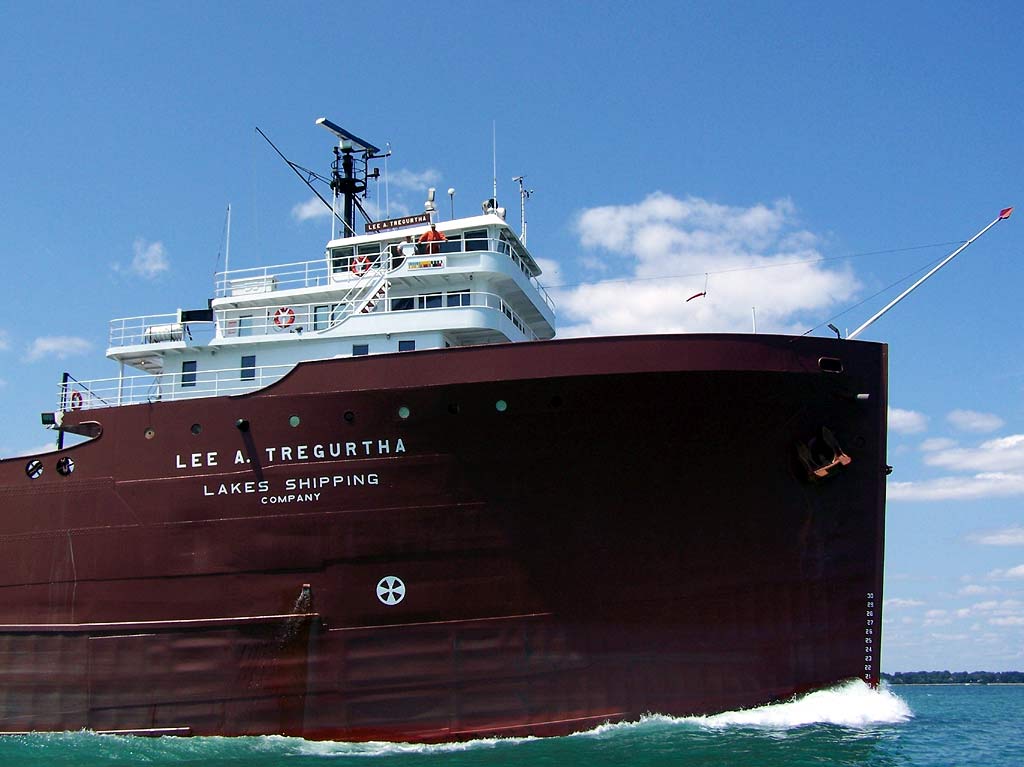
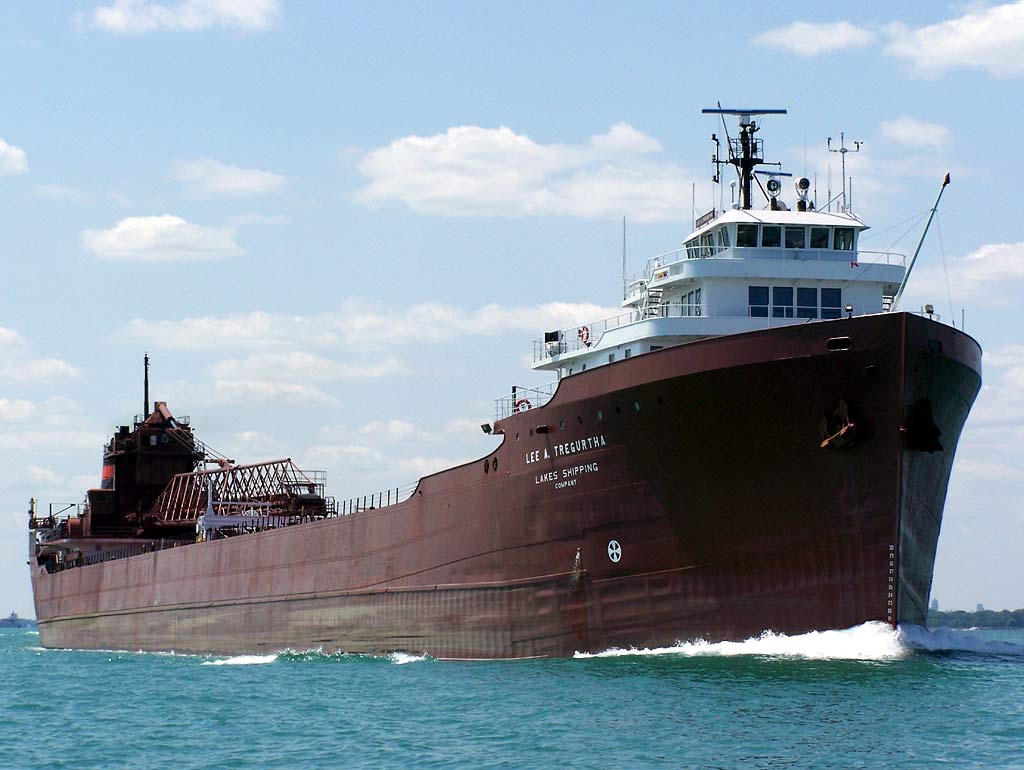
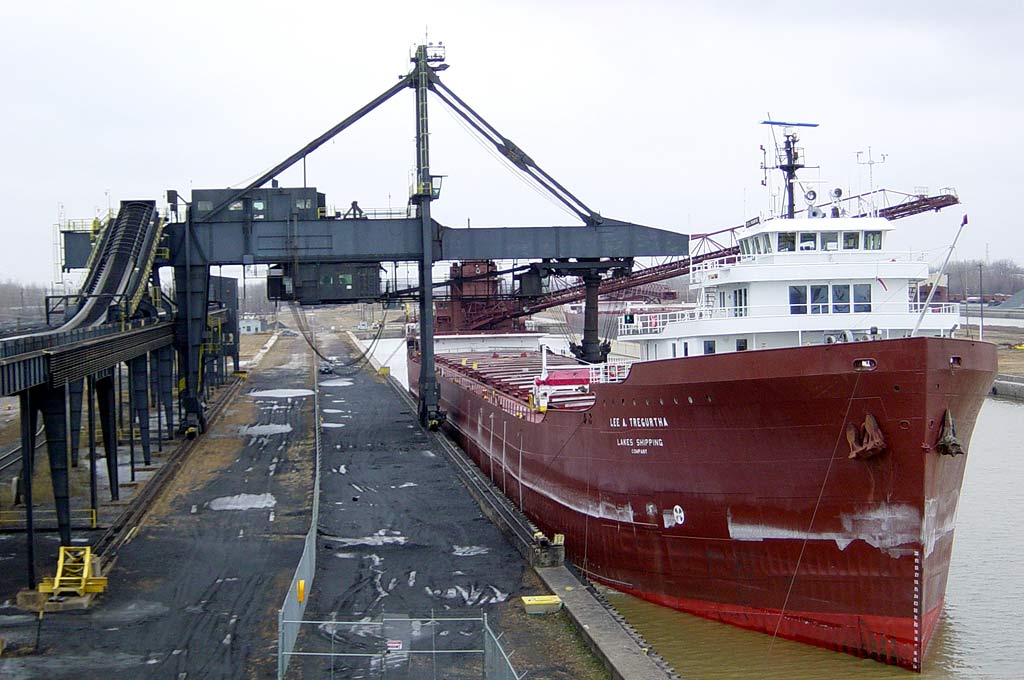
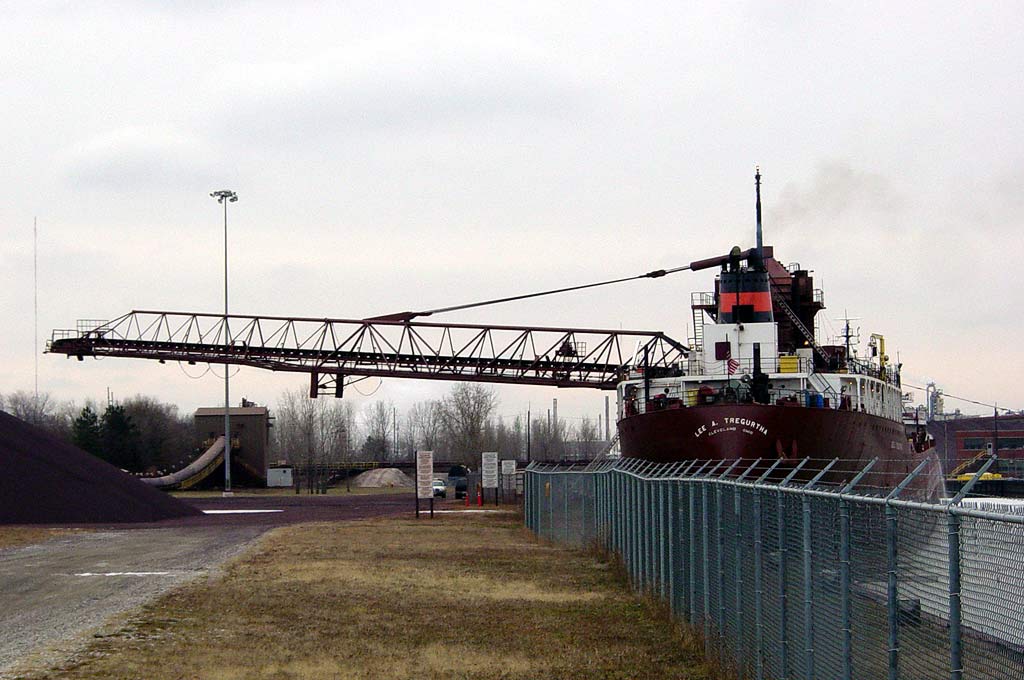
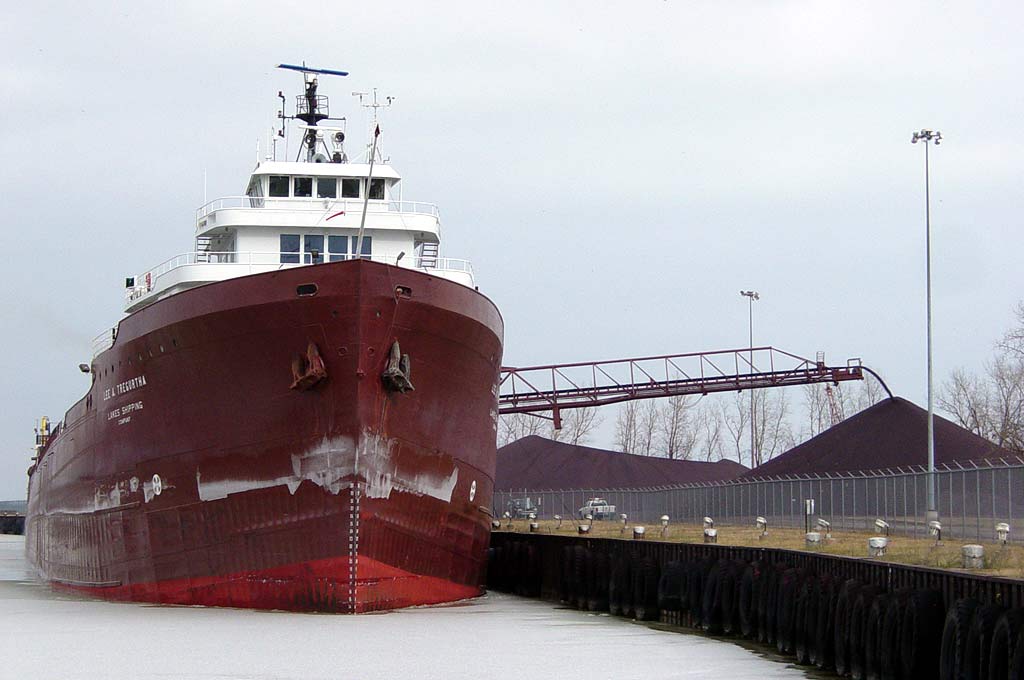
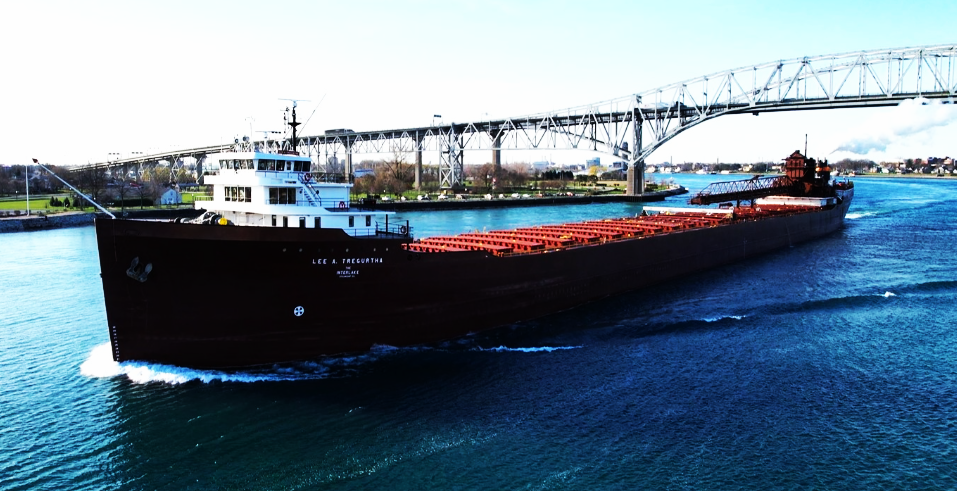
As a result of this announcement, In April, 1989, the remaining fleet consisting of the William Clay Ford, Benson Ford and Henry Ford II was sold to Lakes Shipping Company, a newly formed affiliate of Interlake Steamship Co., Cleveland, OH. Included with the sale was a long-term contract for Interlake to haul raw materials for Rouge Steel and the Ford Rouge Plant. On May 13, 1989, the William Clay Ford was renamed Lee A. Tregurtha in honor of Mrs. Dorothy Lee Anderson Tregurtha, born on February 5, 1937 and wife of Mr. Paul R. Tregurtha, an owner of Interlake Steamship Co., Lakes Shipping and the Mormac Marine Group. Also at this time, the Benson Ford was renamed Kaye E. Barker and the Henry Ford II became the Samuel Mather (3); the latter never to sail under the Interlake banner, being scrapped in 1994.
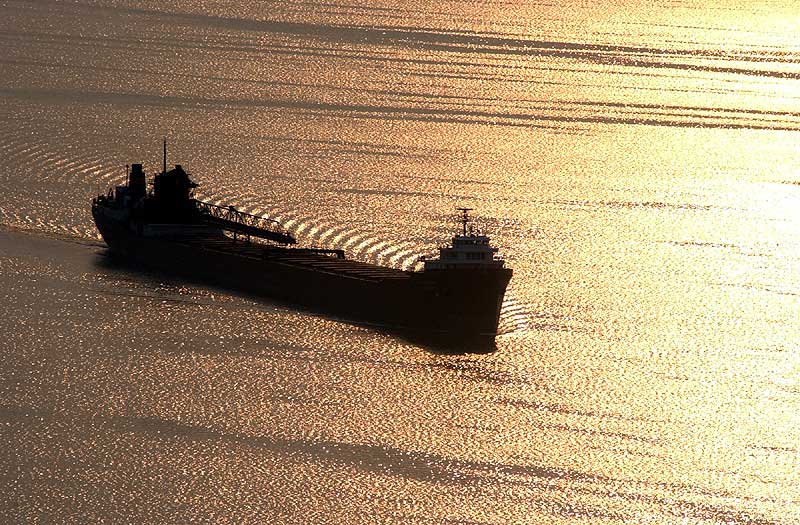
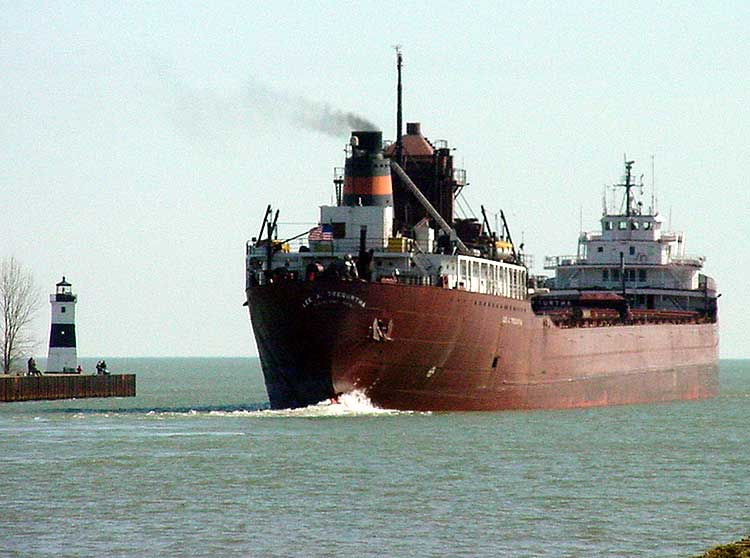
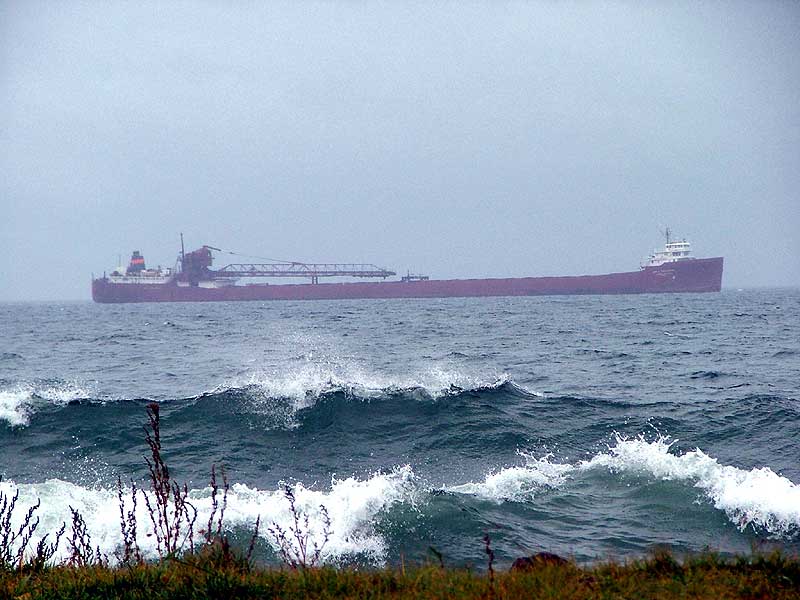
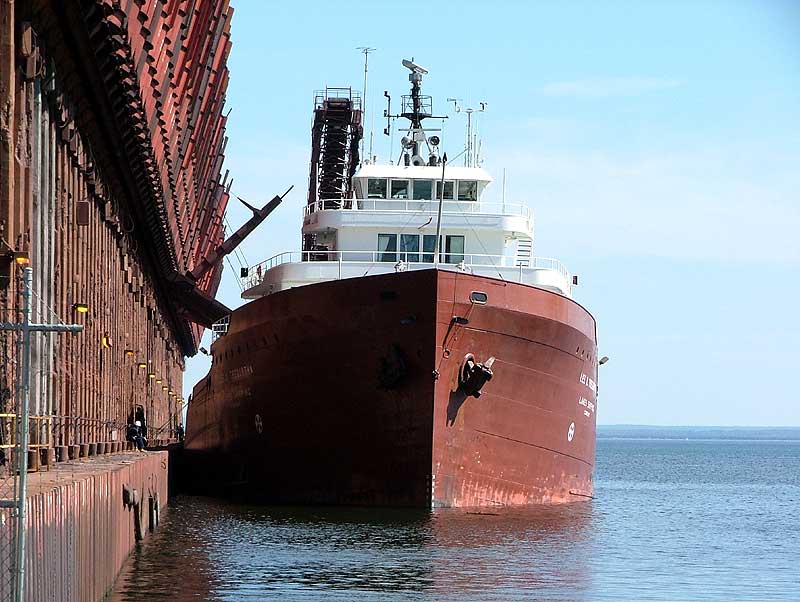
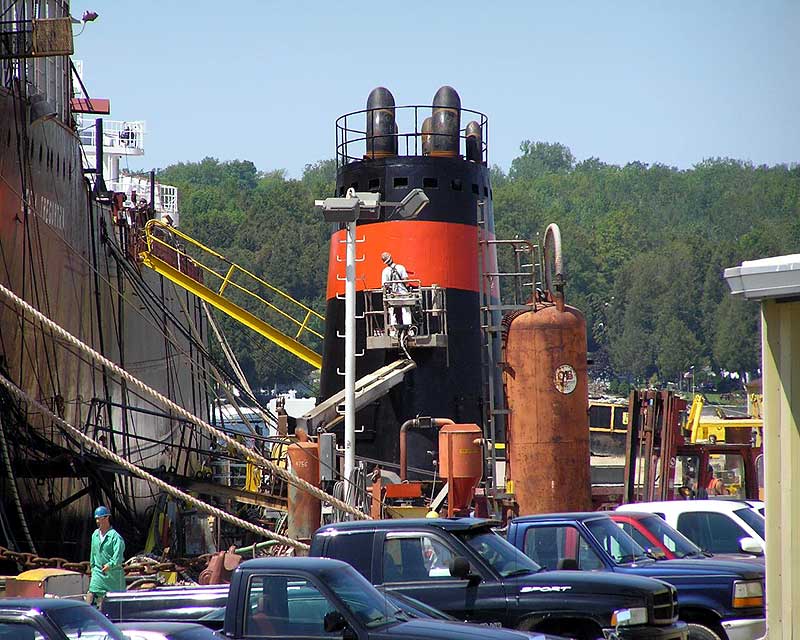
As has been her history, improvements continue to be made to the Lee A. Tregurtha. On January 9, 2006, the classic self-unloader arrived at Bay Shipbuilding, Sturgeon Bay, WI for the removal and replacement of her original steam power plant. Installed were 2 new, extensively automated Rolls Royce Bergen B32-40L6P medium speed 6 cylinder 4,020 b.h.p. (3,000 KW) diesel engines burning heavy fuel oil. The power is fed through a twin input, single output Renk reduction gearbox to a new 5-blade KaMeWa controllable pitch propeller system built to an ABS grade1B ice service rating, each blade being 17′ (5.18m) in diameter. On September 29, 2006, the diesel powered Lee A. Tregurtha returned to service sailing to Escanaba, MI for a load of taconite pellets for Indiana Harbor, IN. With her return to service, her fleetmate Charles M. Beeghly became the largest operating steamer on the Great Lakes (the John Sherwin being the same length as the Charles M. Beeghly but is in service as a storage barge only). Even though the Lee A. Tregurtha has been sailing for over 60 years, improvements made at different stages in her life have kept the vessel and her operating technologies up-to-date insuring a long future on the Great Lakes.
Written by George Wharton

Vessel Details
Samoset (construction)
USS Chiwawa (1942-47)
Chiwawa (1947-61)
Walter A. Sterling (1961-85)
William Clay Ford (2) (1985-89)
Cities Service Oil Co. (1947-60)
Cleveland-Cliffs (1960-84)
Rouge Steel (1984-89)
Lee A. Tregurtha (1989-Present)













William Clay Ford (2) (1985-89)
Walter A. Sterling (1961-85)
Chiwawa (1947-61)
USS Chiwawa (1942-47)