Prentiss Brown / St. Mary’s Challenger

Prentiss Brown was originally constructed in 1967 by Gulfport Shipbuilding Corp. of Port Arthur, Texas, as their Hull #693. She was built for Gulfcoast Transit, a subsidiary of Tampa Electric Co., and named Betty Culbreath. Gulfcoast took delivery of the tug in August 1967. She is 123’05’’ long, 31’06’’ wide, and 19’ deep, and powered by a pair of GM EMD 20-645-E2 diesel engines producing 3900 BHP. Betty Culbreath was paired with the bulk carrier barge Pearle Jahn in the fall of 1967, and the pair entered service hauling coal from Gulf ports for delivery to Tampa Electric power plants at Tampa, Florida.
In 2003, Betty Culbreath was sold to McAllister Towing & Transportation of New York City. McAllister renamed her Michaela McAllister, and she entered service for them as a harbor assistance tug based in Charleston, South Carolina.
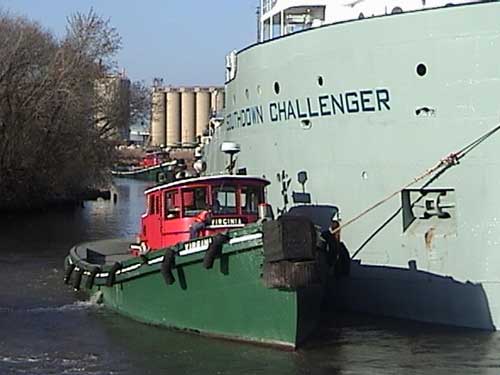
Michaela McAllister was purchased by Port City Marine Services, a subsidiary of Sand Products Corporation, in mid-2008. She was sailed onto the Great Lakes in July 2008, and proceeded to Bay Shipbuilding in Sturgeon Bay, Wisconsin, for a refit. She was drydocked in early 2009, and underwent refurbishments to her interior and engines, and was repainted in Port City colors. A Bludworth ATB coupler was installed, allowing her to pair with a barge. She was renamed Prentiss Brown, and departed the shipyard on February 8, 2009, for Milwaukee, WI, to mate up with the barge St. Marys Conquest. Port City Marine Services was contracted to manage and operate St. Marys Conquest. The pair departed Milwaukee on their maiden voyage together on March 8, 2009, bound for Charlevoix, MI, to load.
In 2015, Prentiss Brown swapped places with her fleetmate Bradshaw McKee as the primary push tug for the barge St. Marys Challenger. Prentiss switched between pushing the barges St. Marys Challenger and St. Marys Conquest for a portion of the 2019 and 2020 seasons while Port City awaited the arrival of their third tug. Prentiss Brown remains in service today, pushing the barge St. Marys Challenger.
Written by Brendan Falkowski
Tug Details
Michaela McAllister (2003-08)
McAllister Towing & Transit (2003-08)
Prentiss Brown (2008-Present)
Michaela McAllister (2003-08)
Betty Culbreath (1967-03)
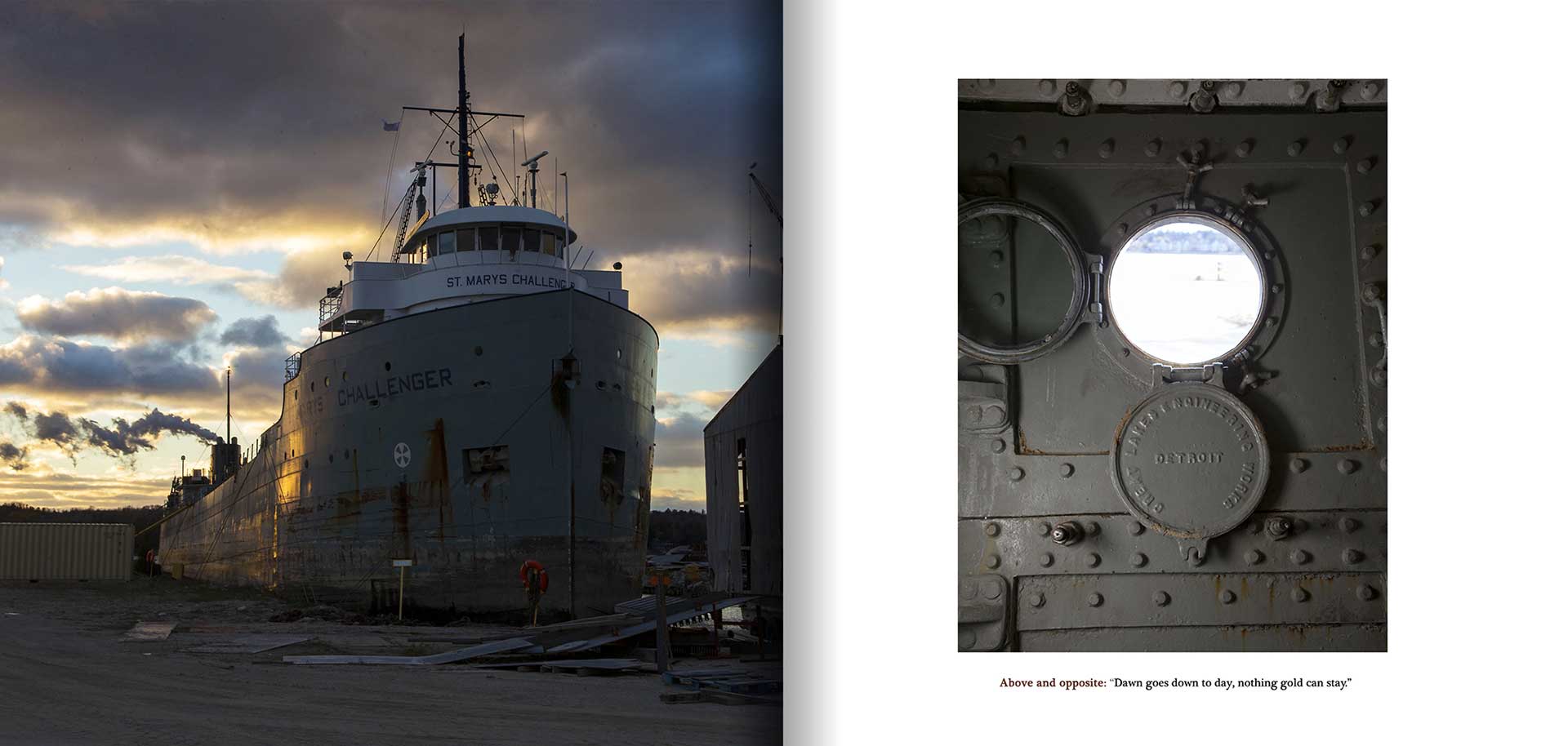
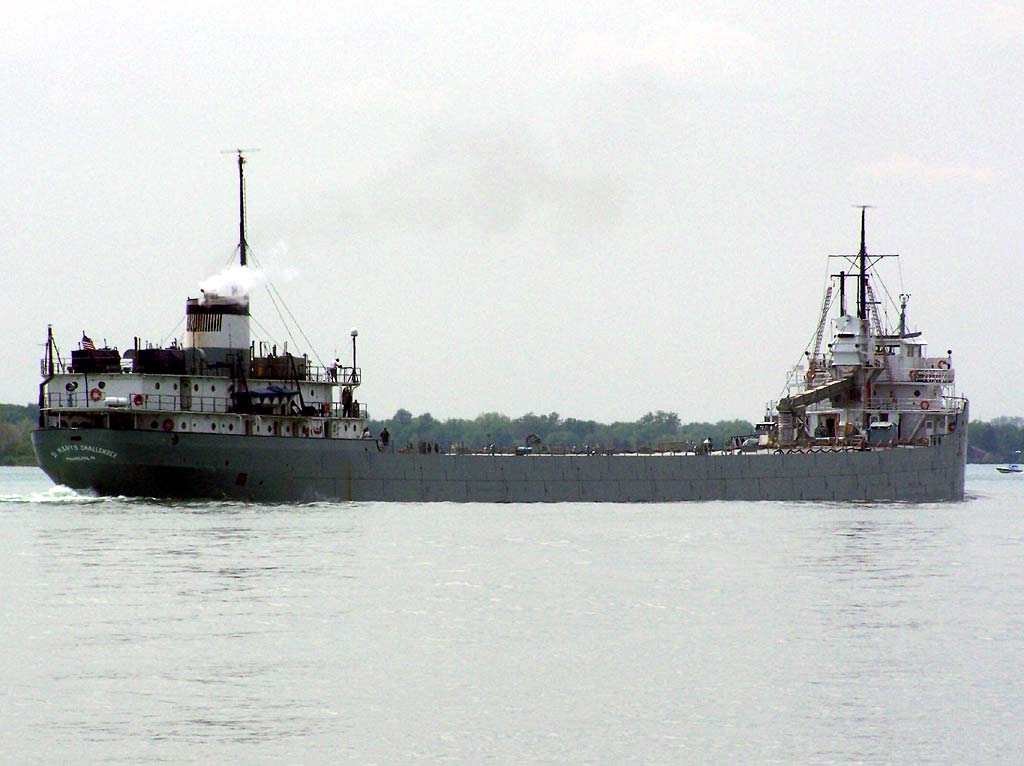
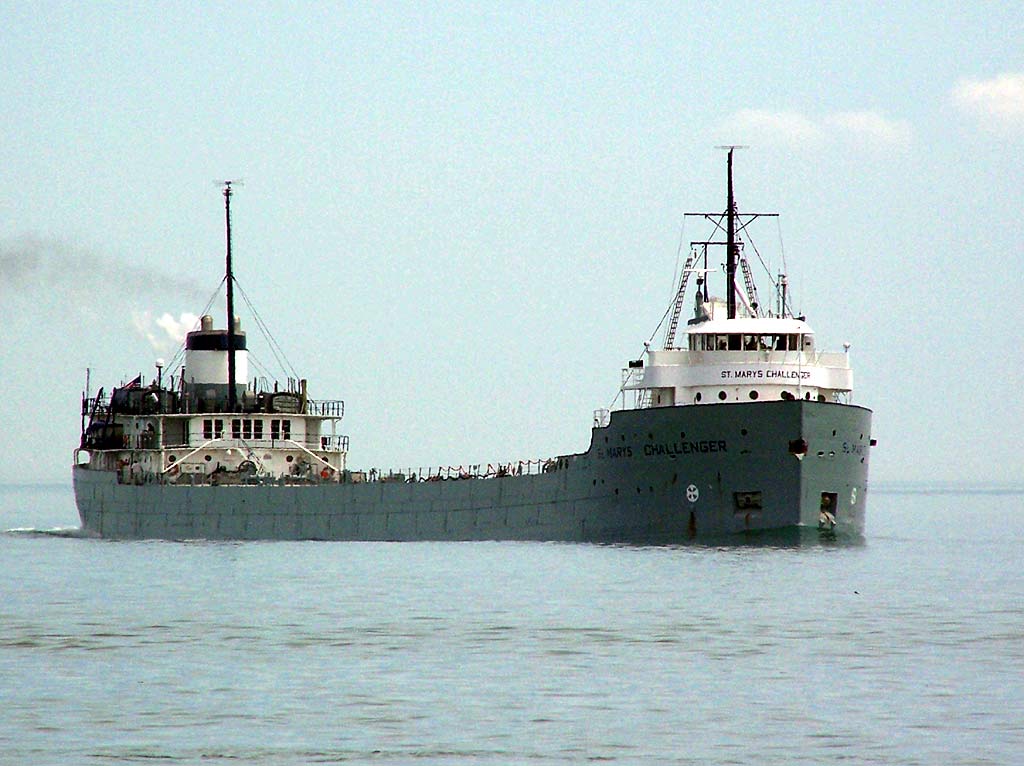
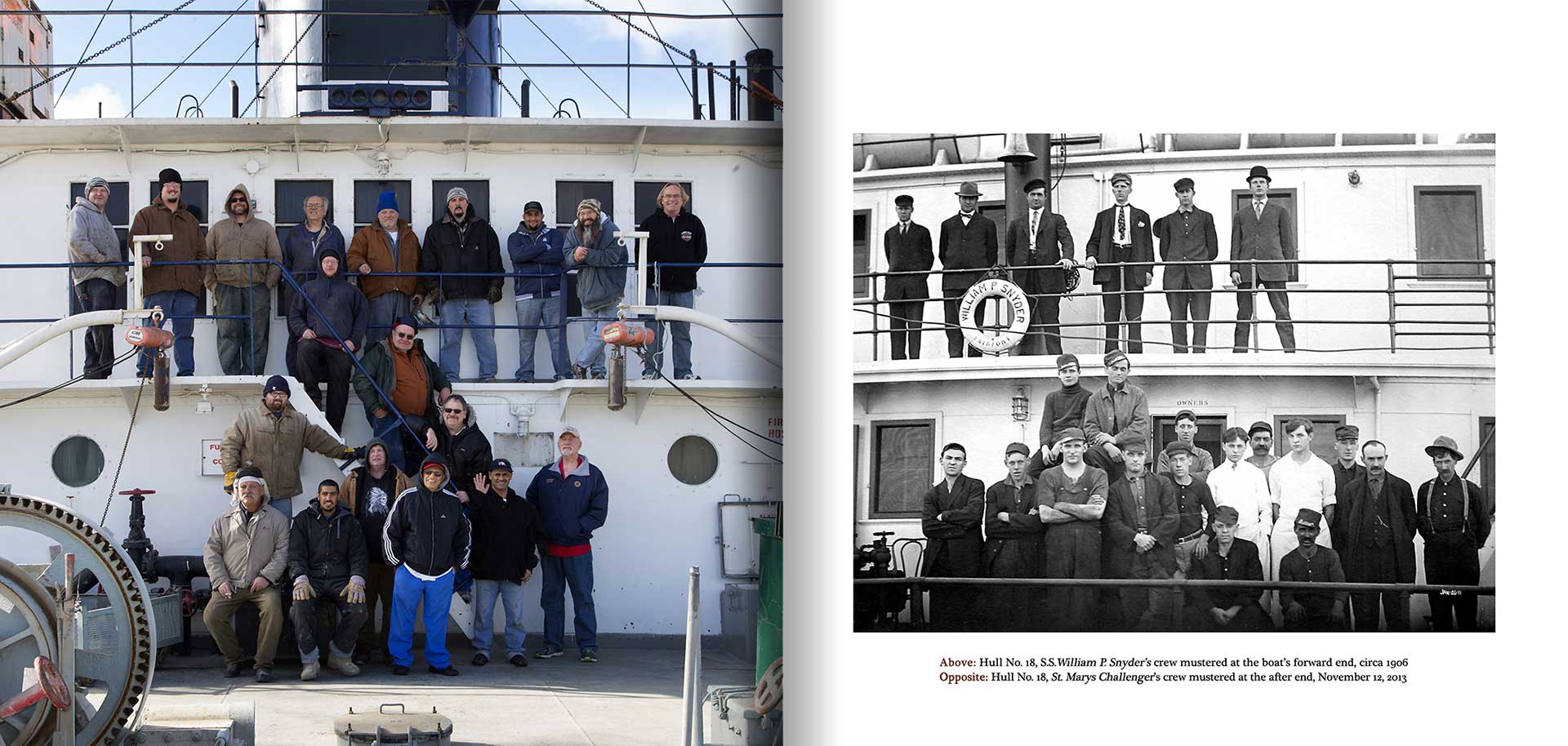
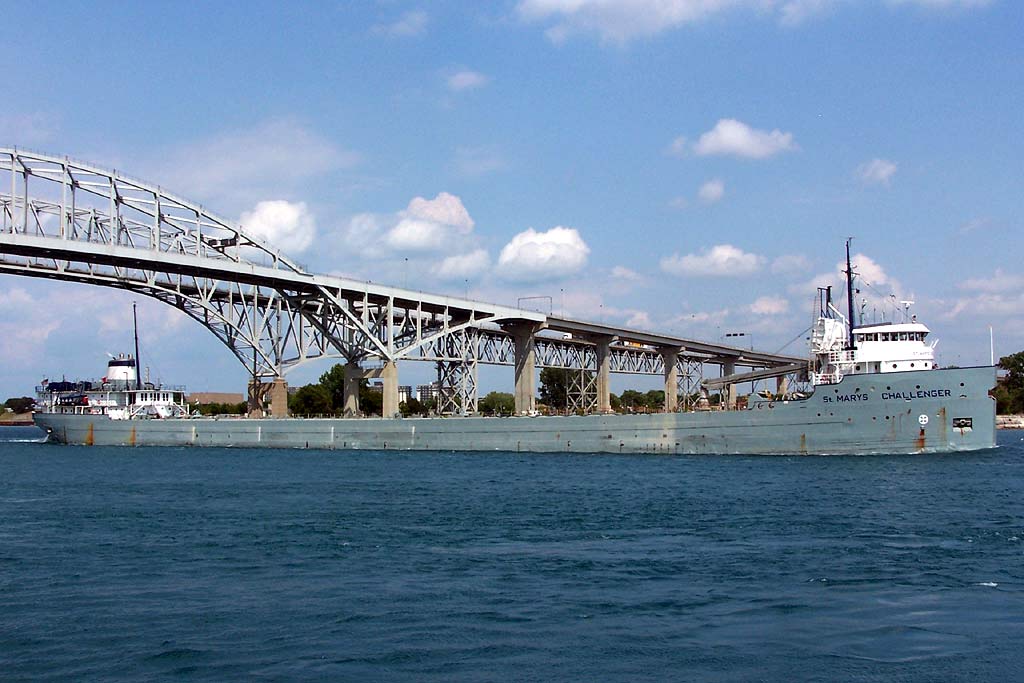
In mid-1905, Shenango Furnace Co. of Pittsburgh, PA, contracted Great Lakes Engineering Works of Ecorse, MI, to construct the company’s first ship. The keel for Hull #17 was laid down on October 16, 1905, and was christened William P. Snyder and launched into the waters of the Detroit River on February 17, 1906. The new bulk carrier was similar to most at the time, except for her luxurious guest quarters, something that the ships of the Shenango Fleet would become famous for. She was 552’ long, 56’ wide, and 31’ deep, and had a cargo capacity of 10,900 tons. She was originally powered by a pair of coal-fired scotch boilers and a shipyard-built 1665 IHP Triple-Expansion Steam Engine. William P. Snyder sailed on her maiden voyage on April 26, 1906.
William P. Snyder was reboilered with a pair of new water tube boilers in 1924. She was sold to the Stewart Furnace Co. of Cleveland, OH, in 1926, and renamed Elton Hoyt 2nd {1} on June 26, 1926. The Hoyt was sold again in 1929 to Youngstown Steamship Co., with Pickands Mather & Co. taking over as managers.
Youngstown Steamship was absorbed into Pickands Mather’s Interlake Steamship Co. in 1930.
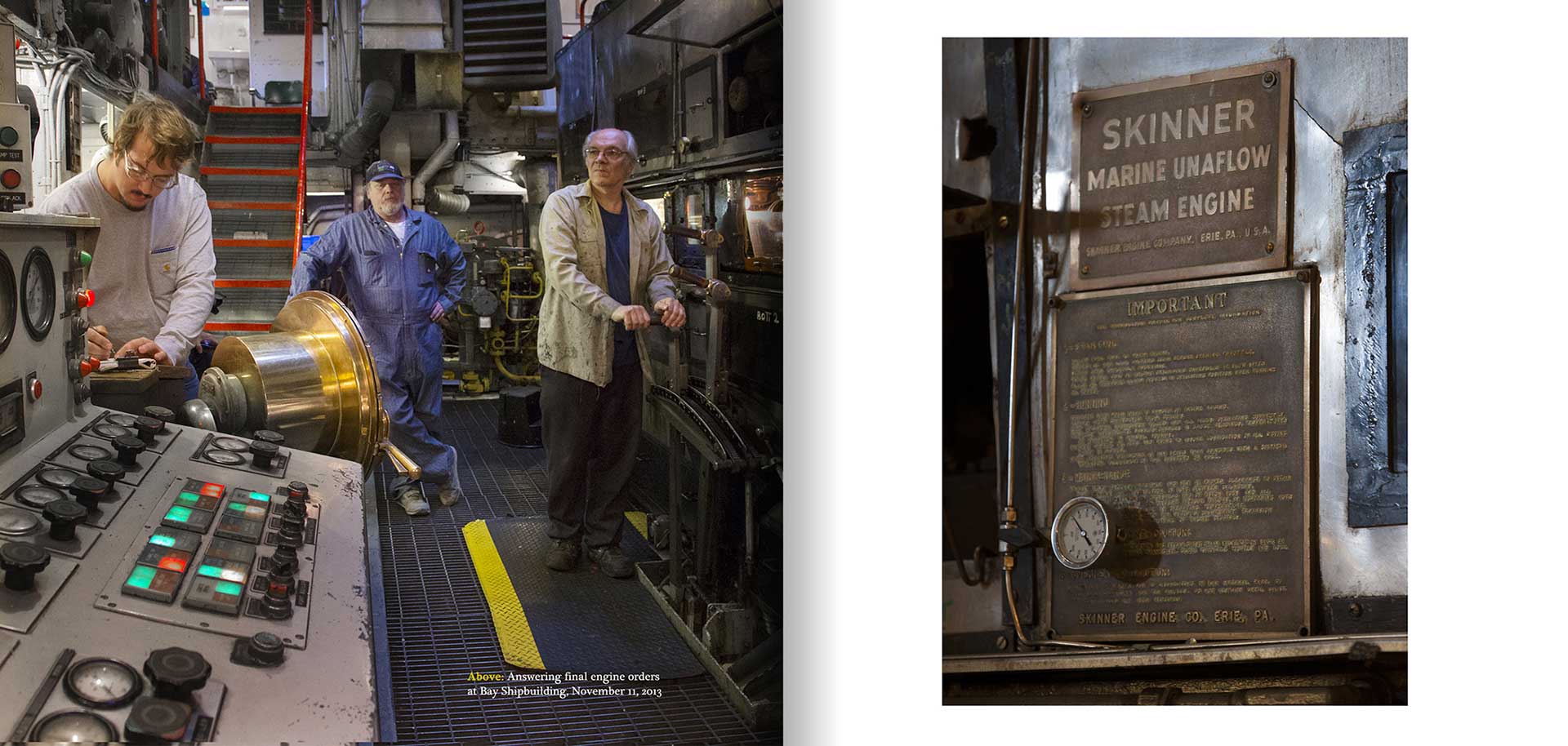
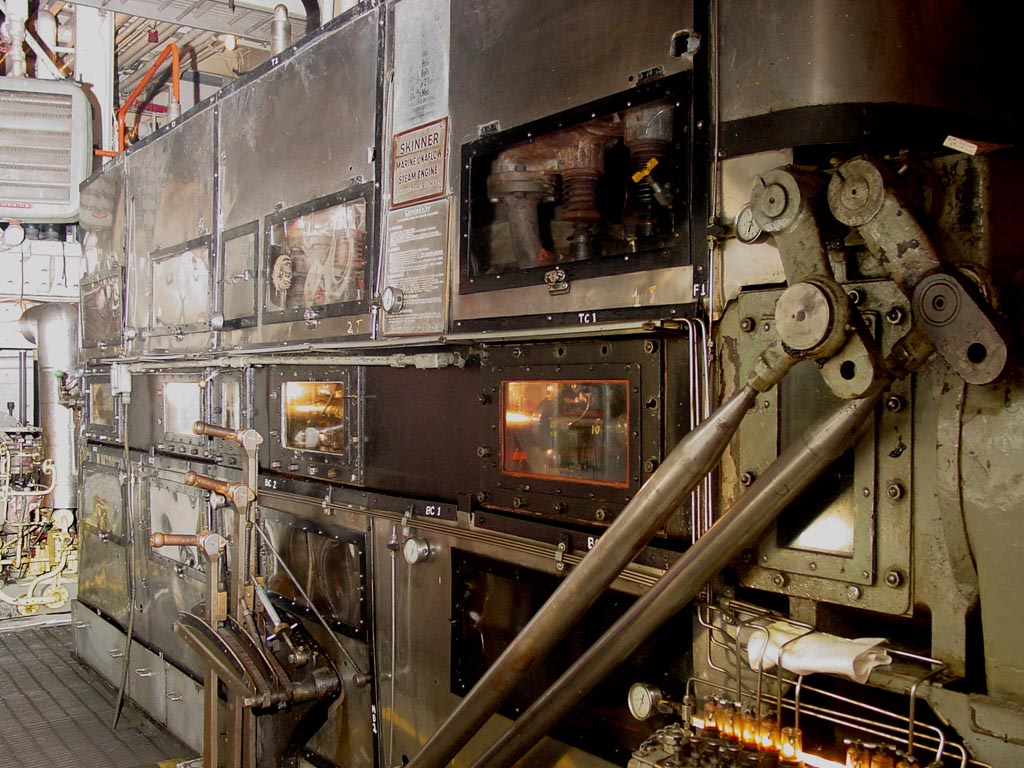
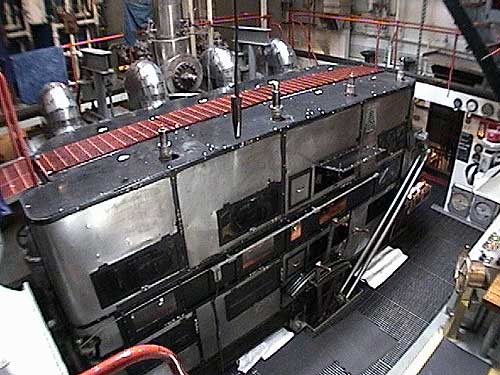
In 1950, Elton Hoyt 2nd was repowered with a Skinner Marine Unaflow reciprocating steam engine and reboilered by Christy Corp. at Sturgeon Bay, WI. She collided with the Enders M. Voorhees in the Straits of Mackinac on November 24, 1950, in a snowstorm. She suffered heavy damage to her bow, and proceeded to Great Lakes Engineering Works for repairs.
Elton Hoyt 2nd was renamed Alex D. Chisholm in early 1952 to free her former name for a new vessel constructed for the fleet. The Chisholm sailed steadily for Interlake until 1962, when she was laid up at Erie, PA.
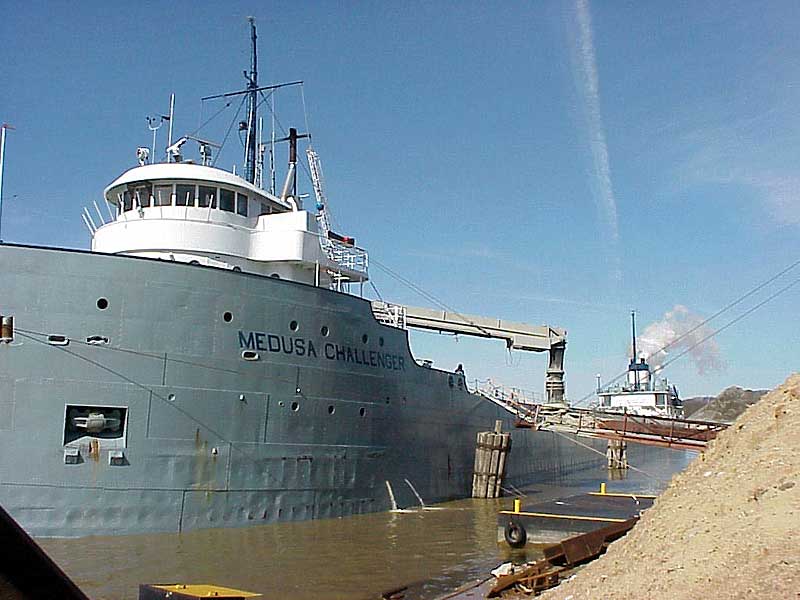
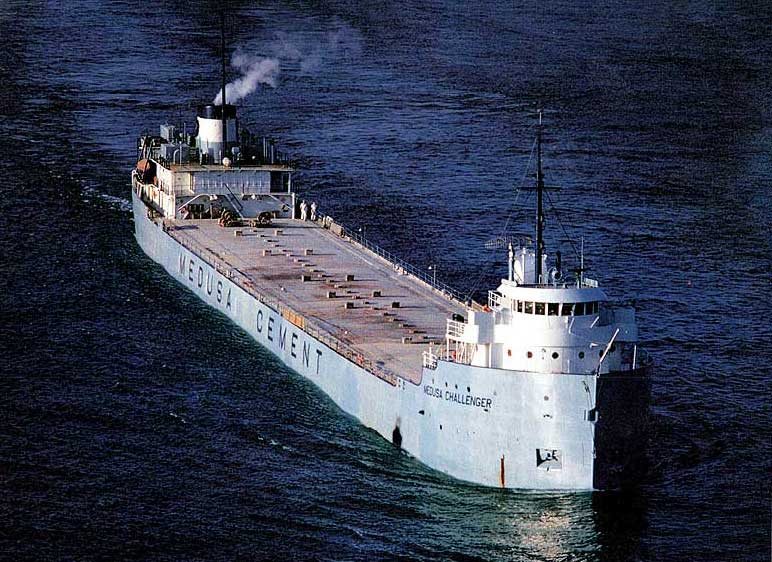
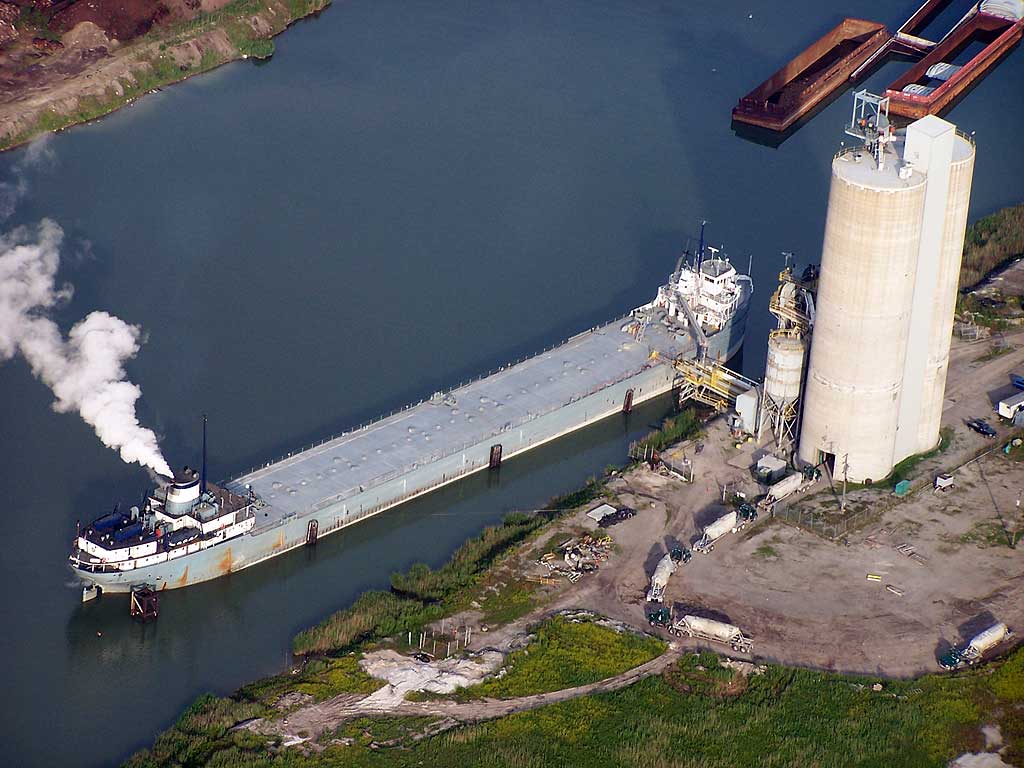
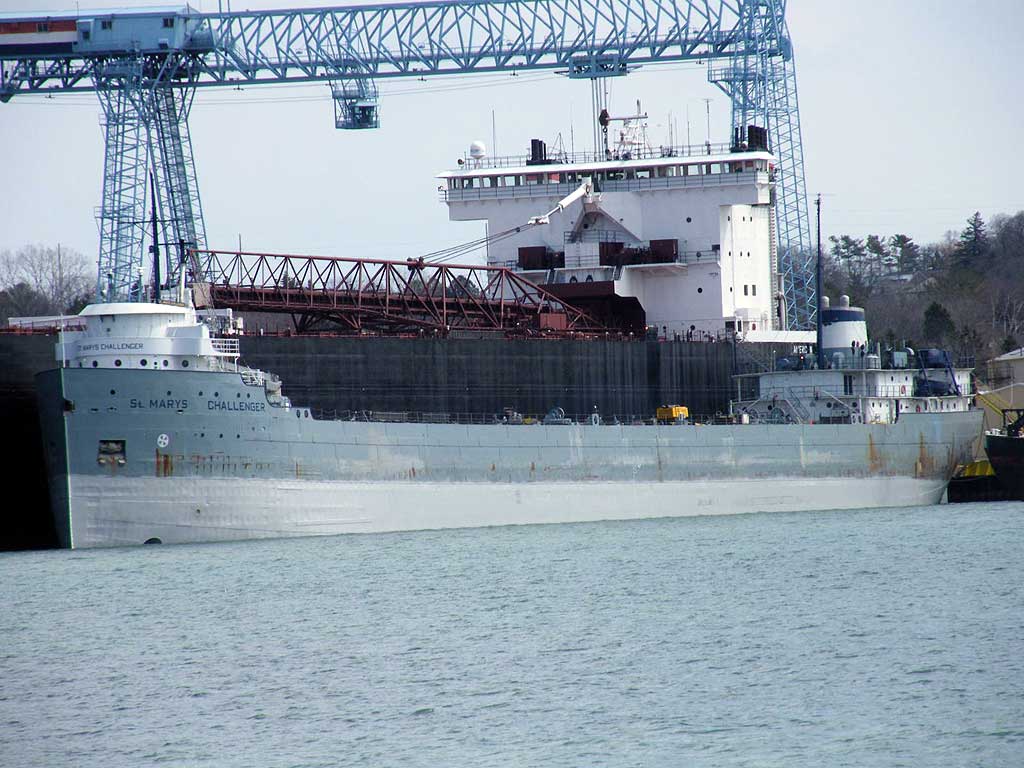
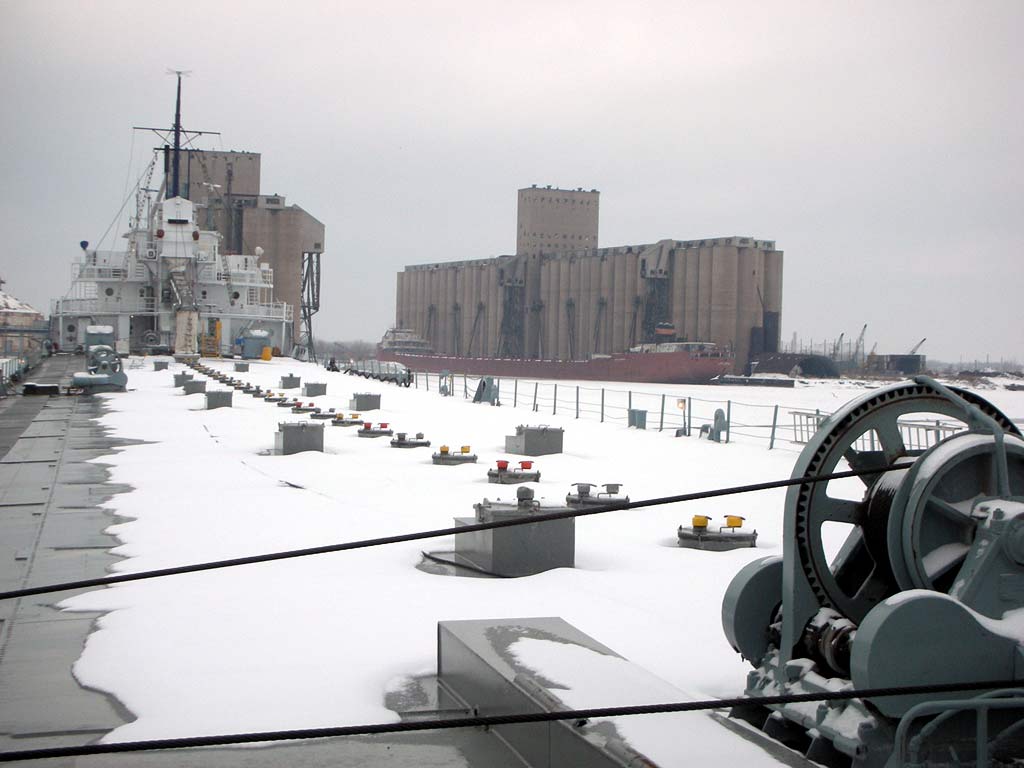
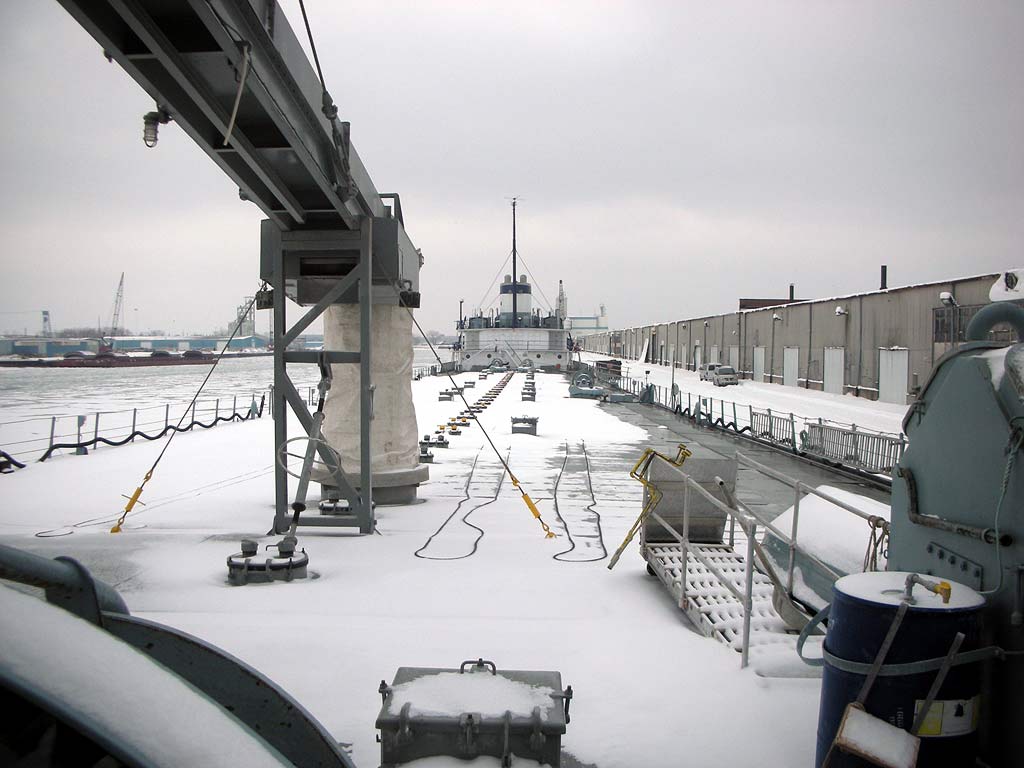
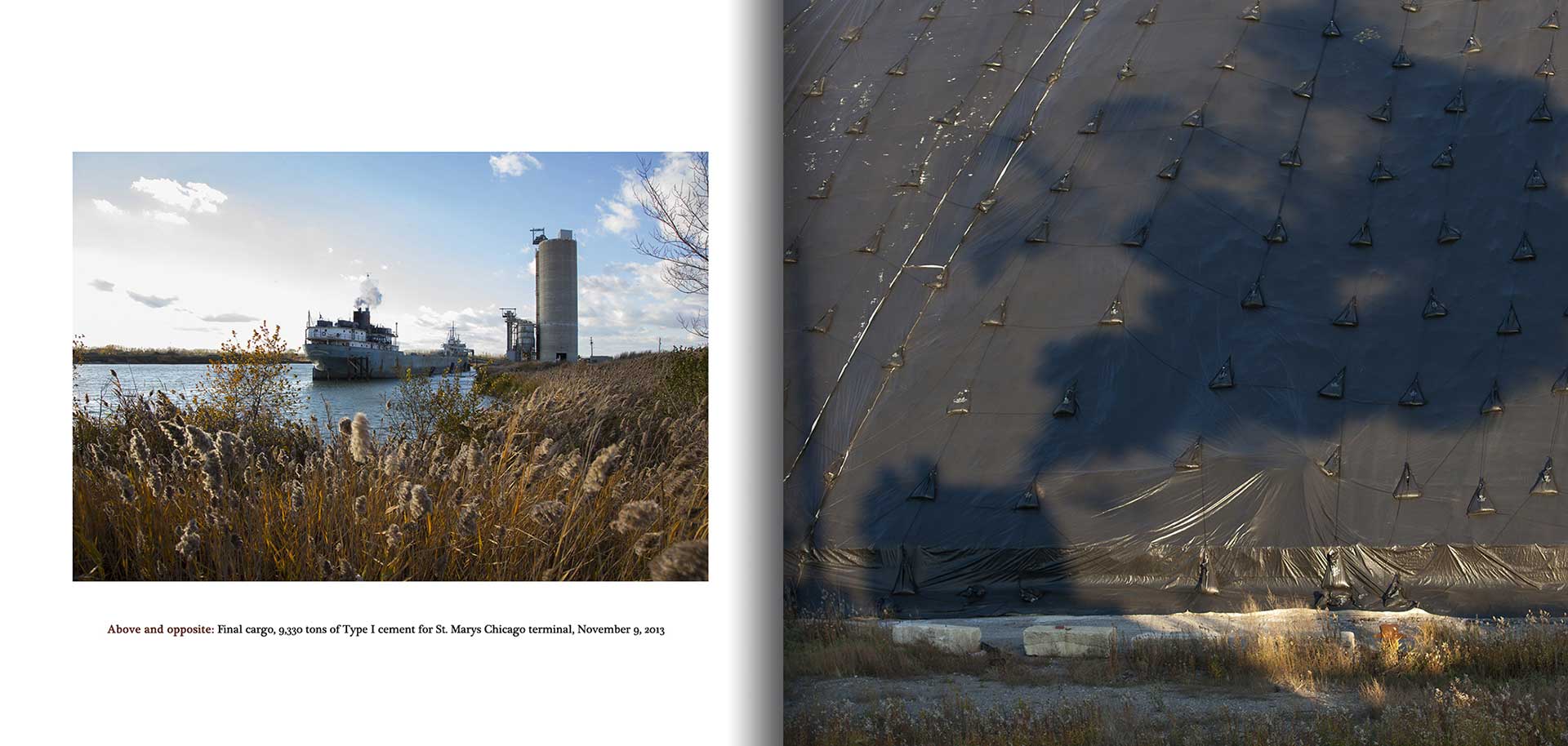
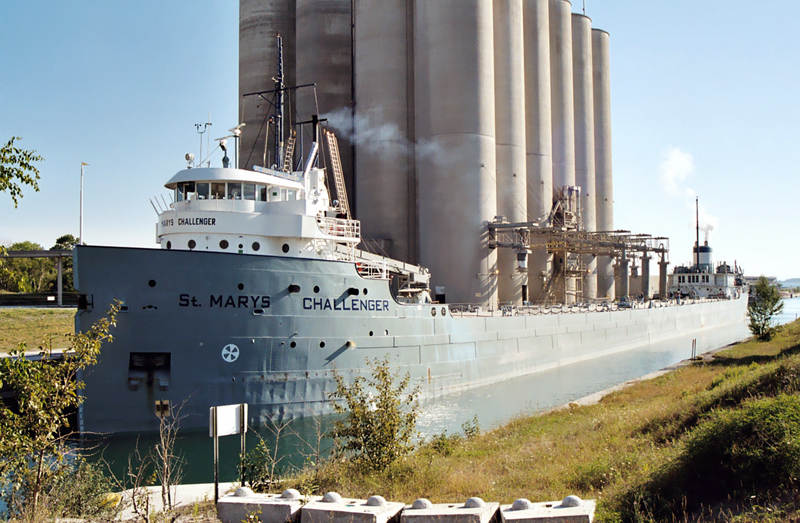
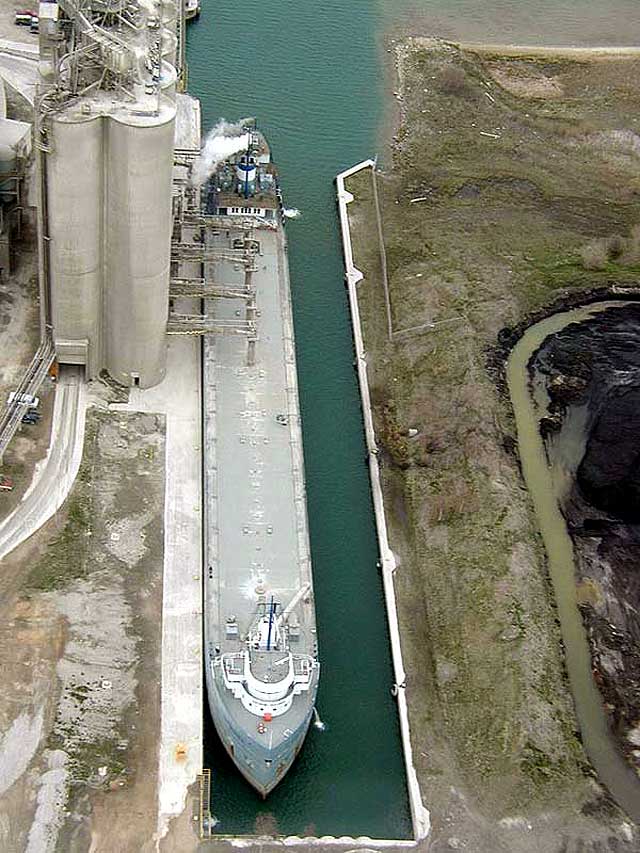
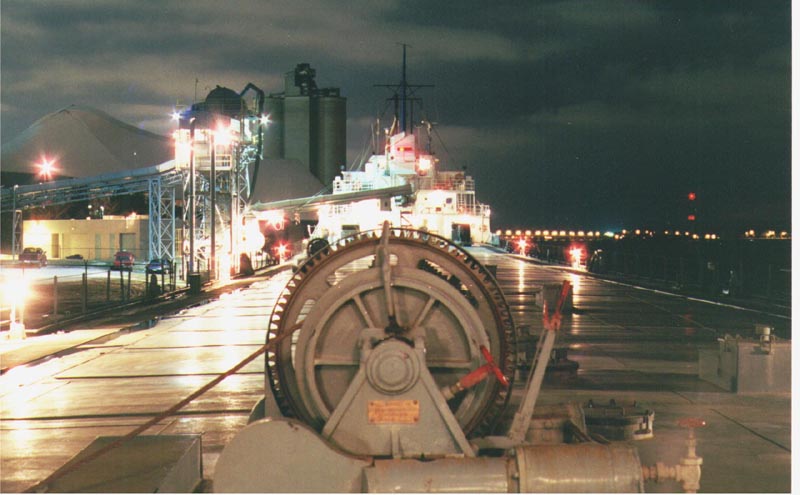
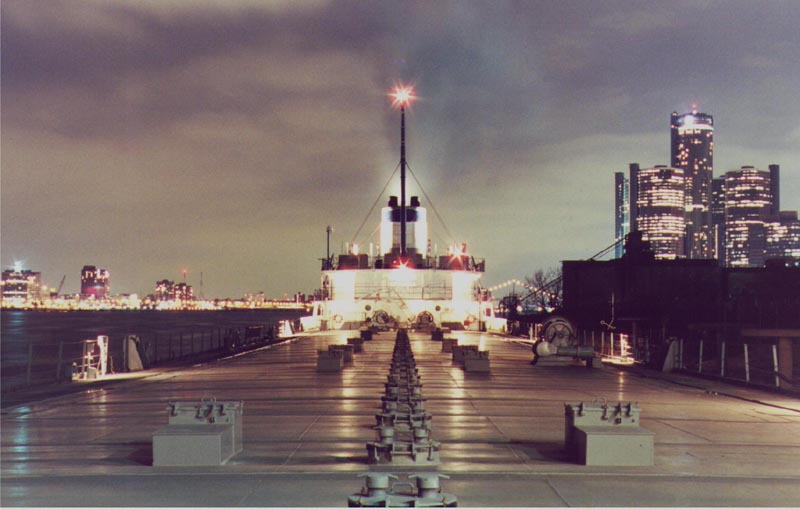
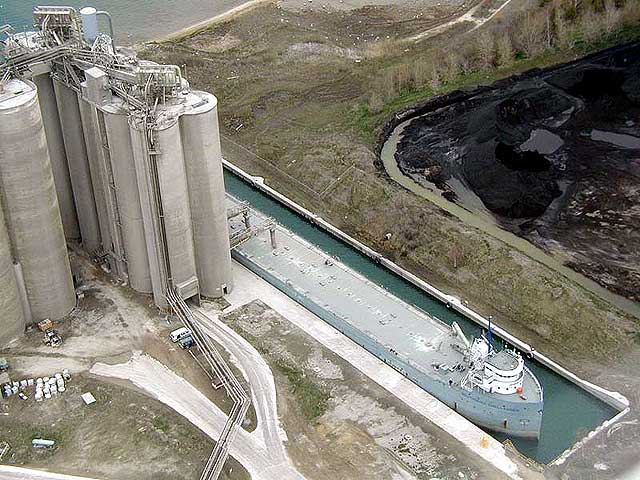
In 1966, the Cement Transit Co. subsidiary of Medusa Portland Cement purchased the Chisholm for conversion to a self-unloading cement carrier. Medusa was preparing to complete their new cement plant at Charlevoix, MI, the next year, and was in need of a vessel to distribute product throughout the Great Lakes region. Alex D. Chisholm was towed to Manitowoc, WI, where she was converted into a self-unloading cement carrier by Manitowoc Shipbuilding. A conveyor and airslide system were installed in her cargo hold, and a bucket elevator was installed in her forward end, leading to a 48’ long airslide boom. Her boilers were converted to oil-firing while in the shipyard. Her cargo capacity was slightly reduced to 10,250 Tons.
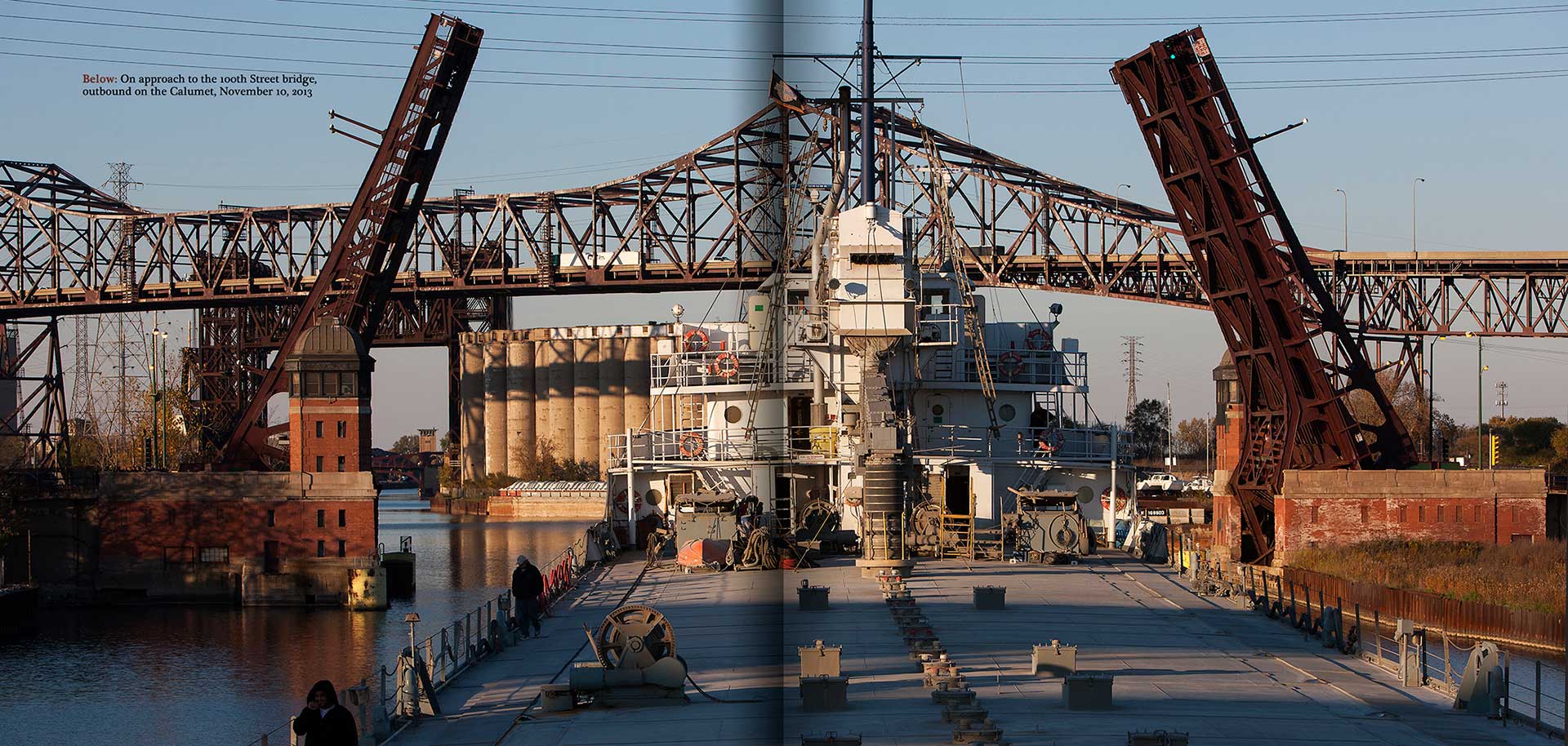
The “new” cement carrier was christened Medusa Challenger in early 1967, and began serving the cement trade, loading at the Medusa Cement plant at Charlevoix, MI, for delivery to terminals at Chicago, IL, Green Bay, Manitowoc and Milwaukee, WI, Detroit and Ferrysburg, MI, and Cleveland and Toledo, OH. During her early years as a cement carrier, she served the Chicago Terminal up the Chicago Sanitary & Ship. Medusa Challenger was nicknamed the “jinx” ship when she traveled up the Chicago Sanitary & Ship Canal, as many of the downtown bridges regularly got stuck in the up position when she passed through. A few years after she entered service, a new terminal was opened on Lake Calumet in South Chicago, and passages up the Chicago Sanitary & Ship Canal were discontinued.
Medusa Challenger was the first vessel to unload at the new Medusa Toledo terminal on May 22, 1987, and at the Miller Paving terminal at Owen Sound, ON, on November 20, 1990. On October 5, 1997, the Challenger was hit by a waterspout on northern Lake Michigan, escaping without any major damage.
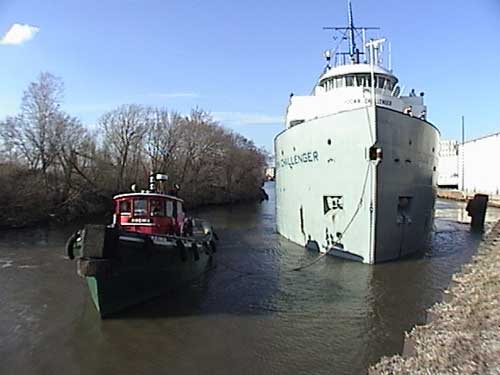
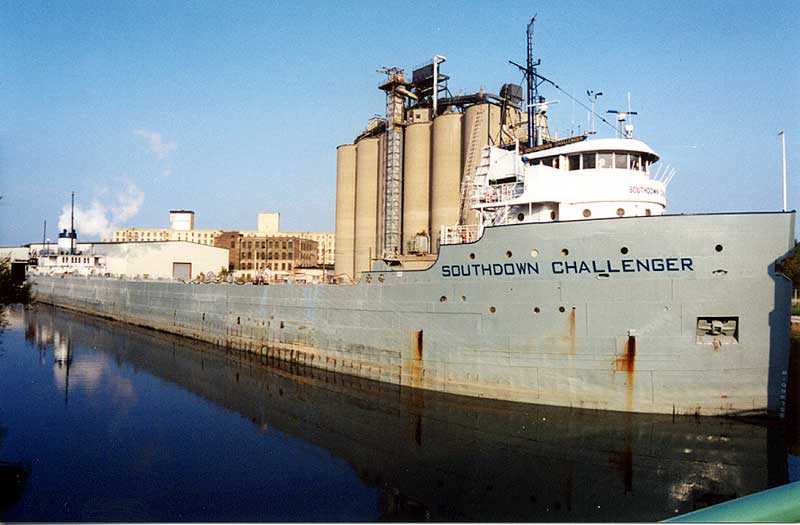
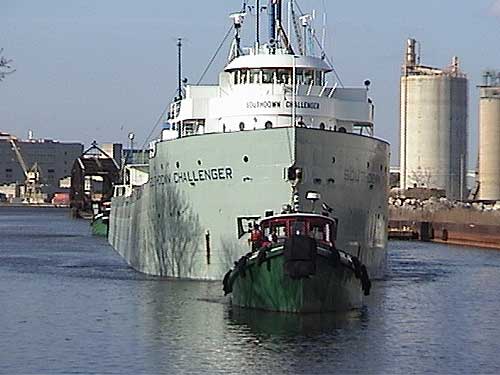
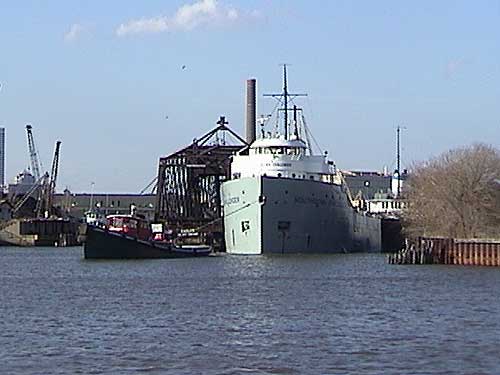
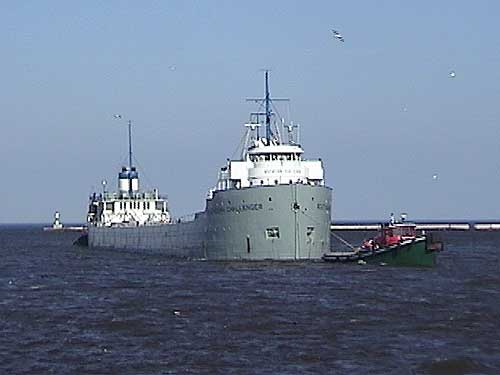
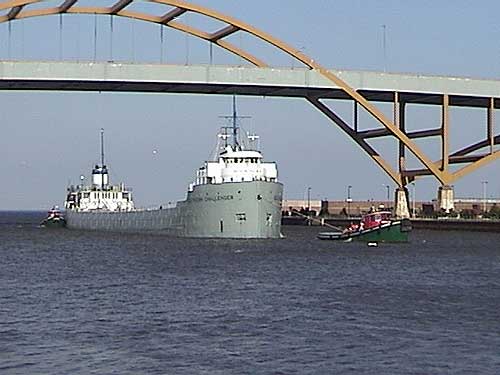
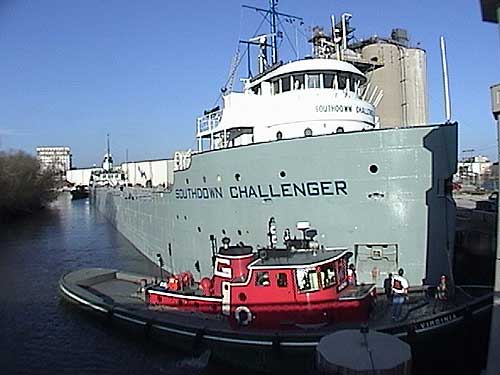
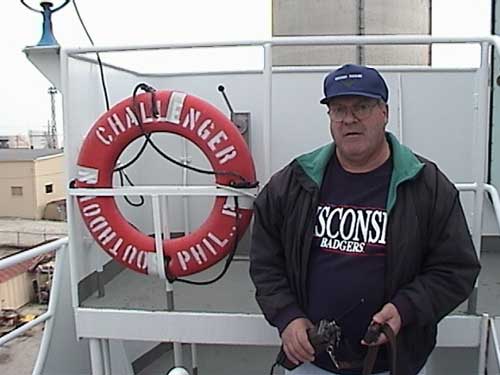
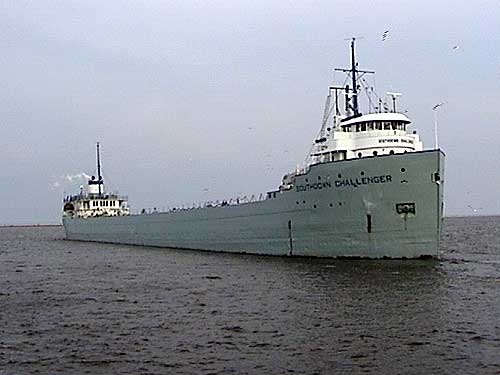
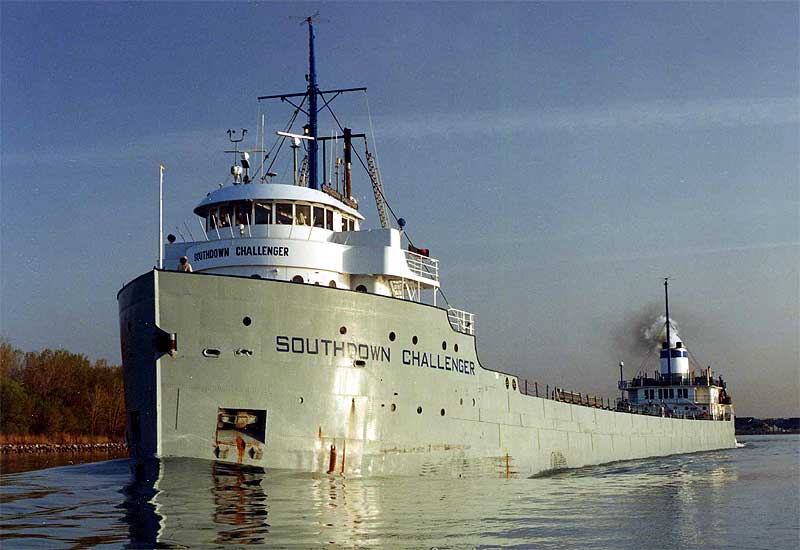
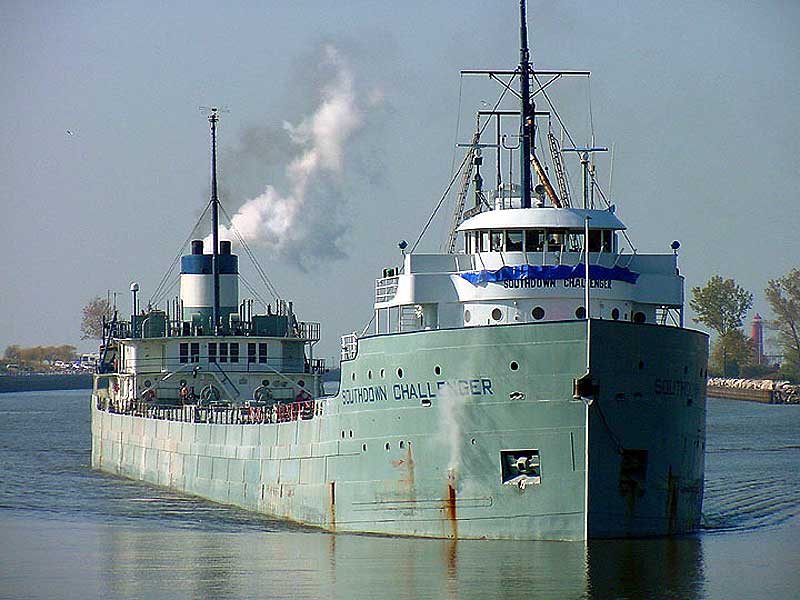
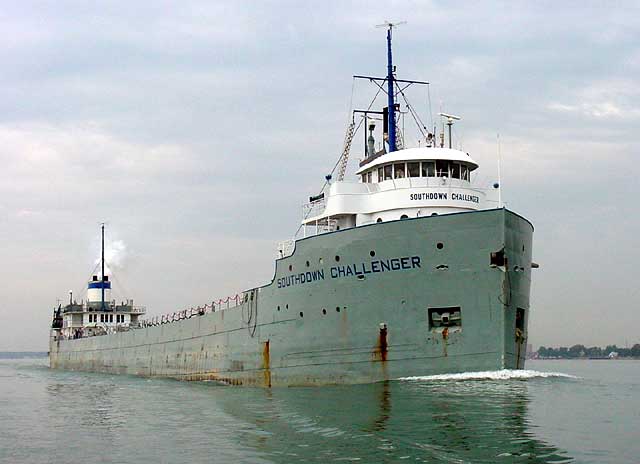
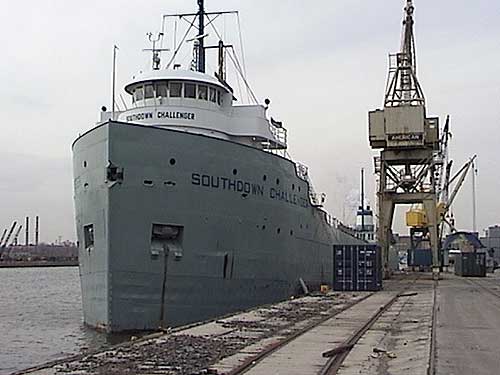
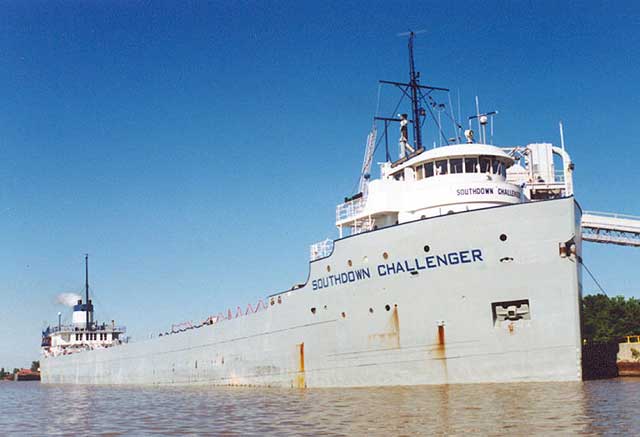
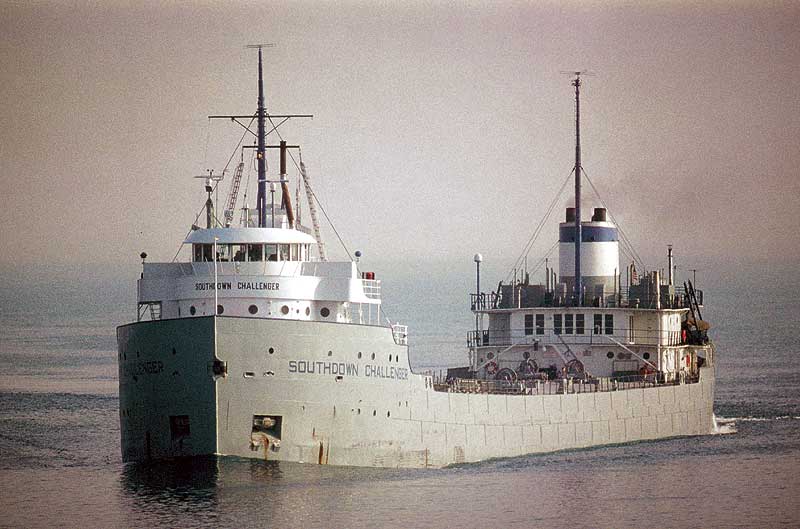
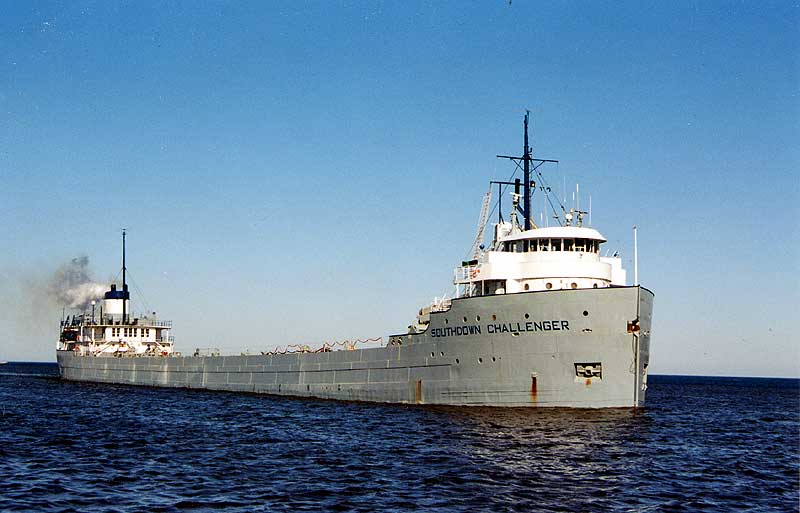
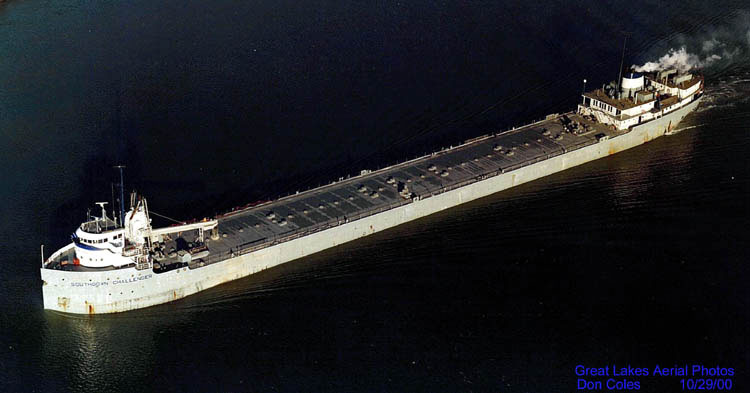
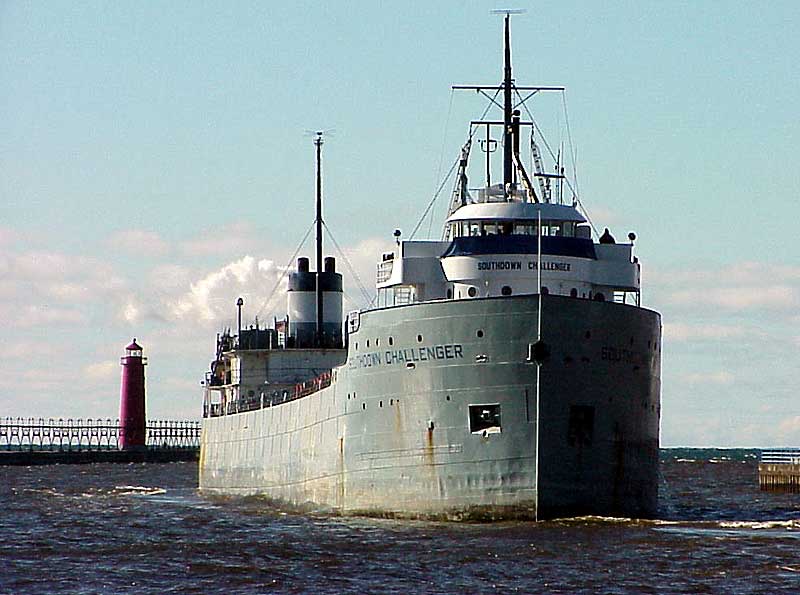
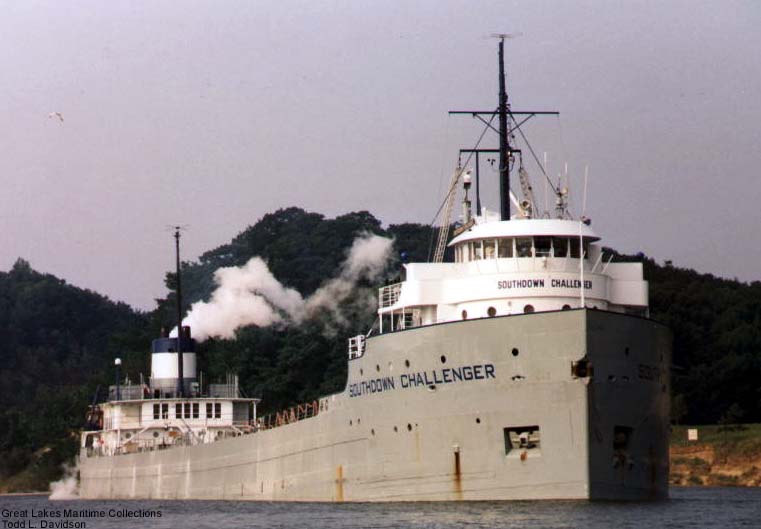
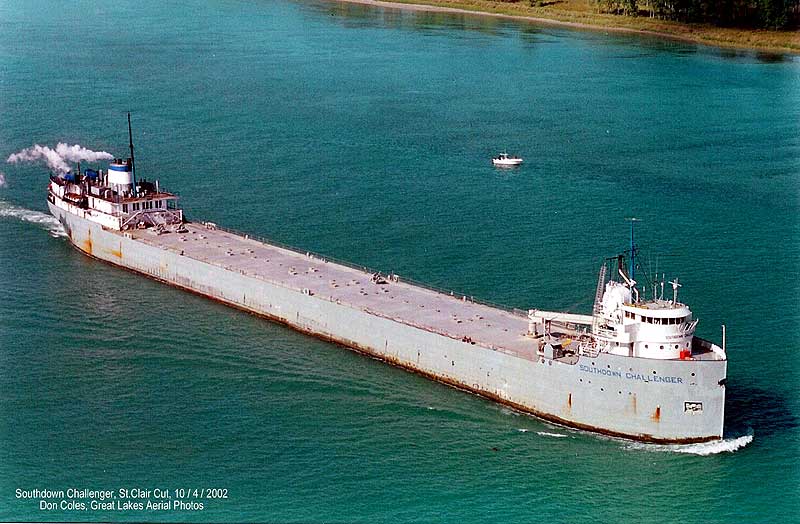
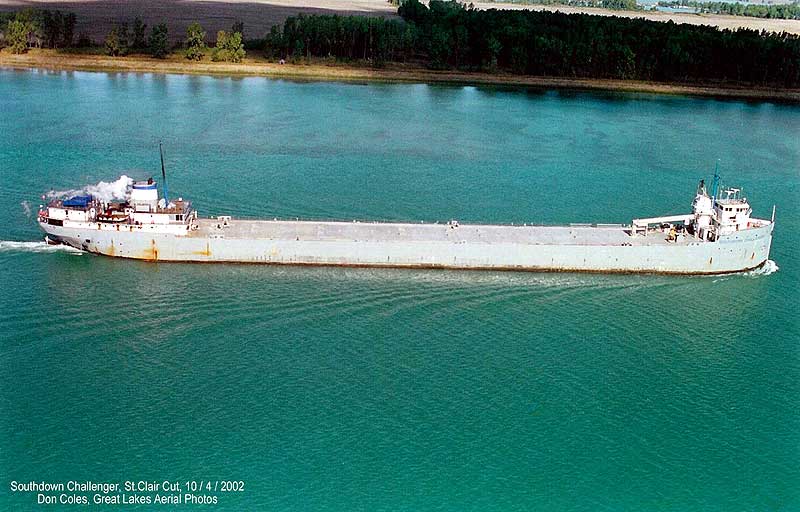
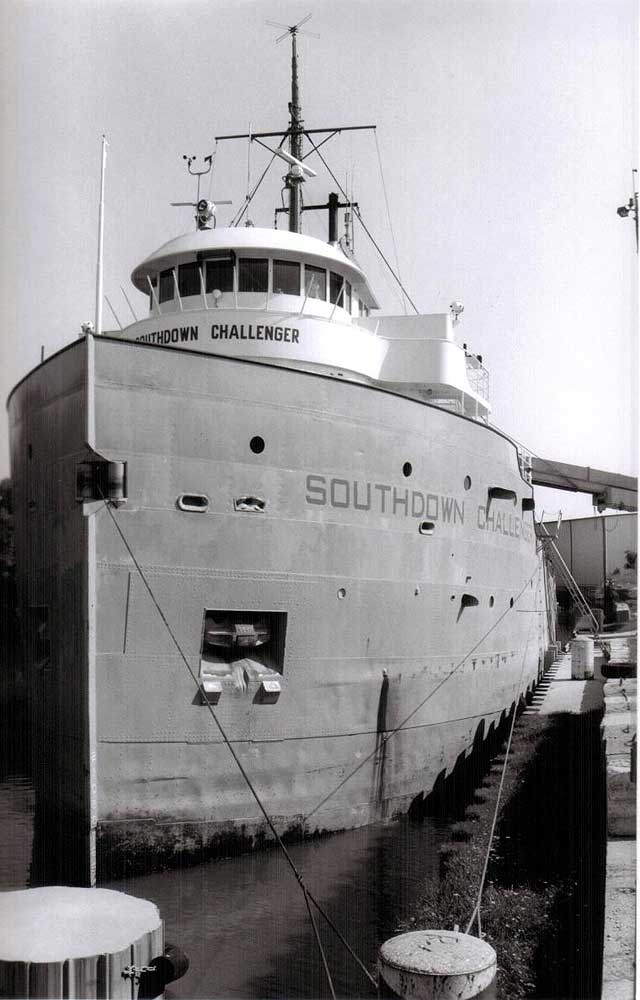
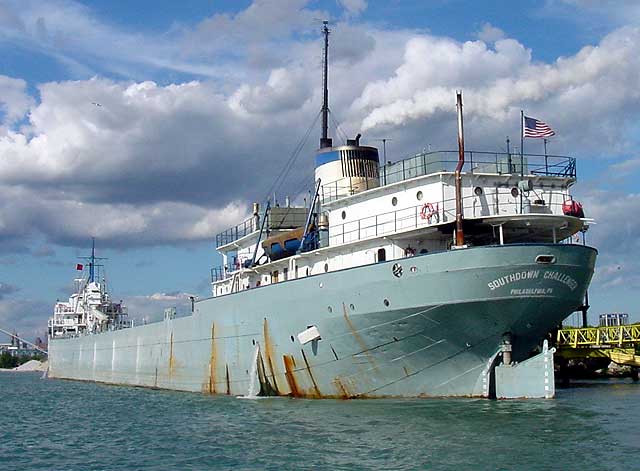
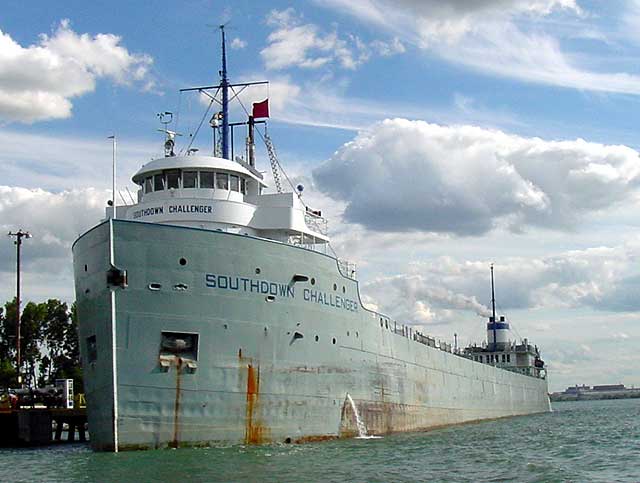
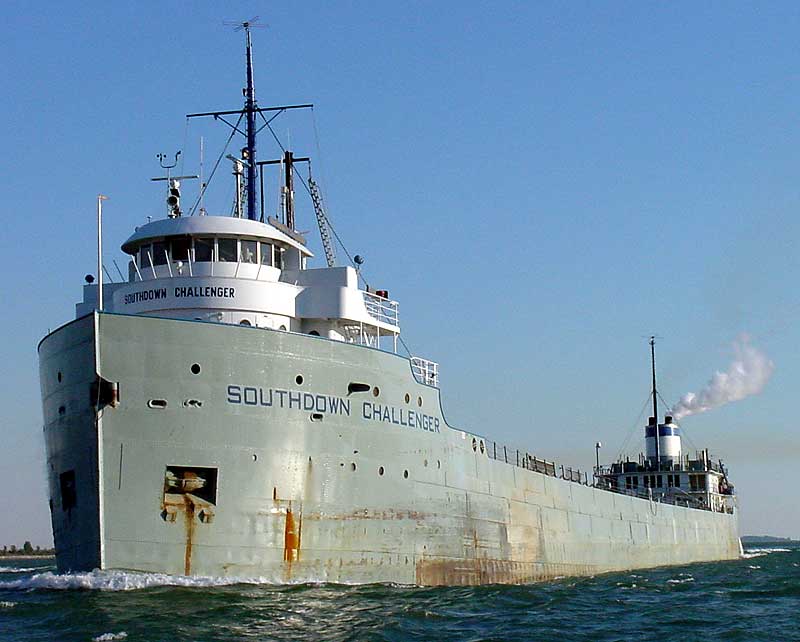
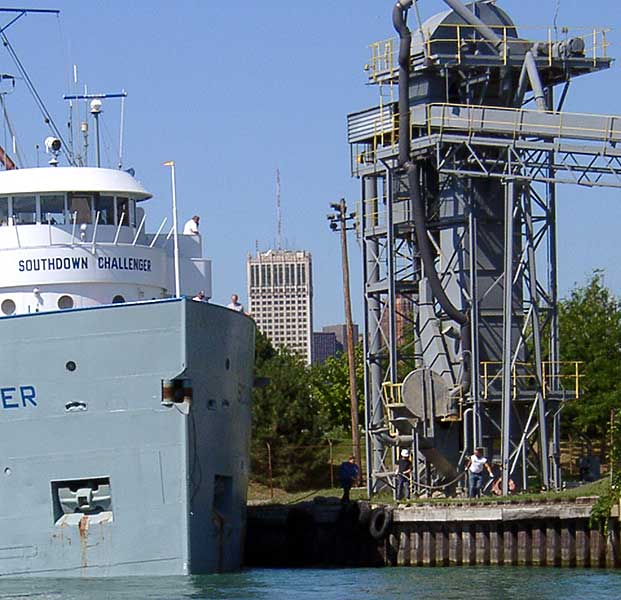
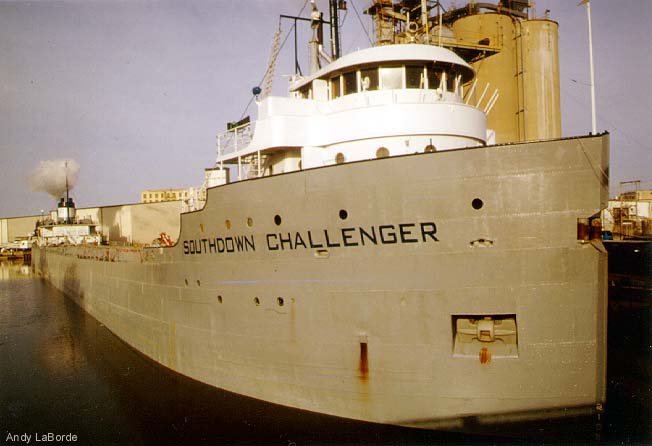
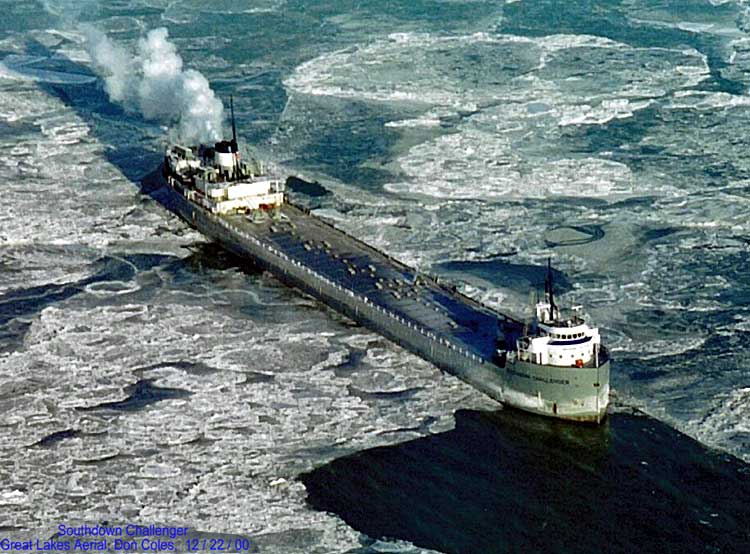
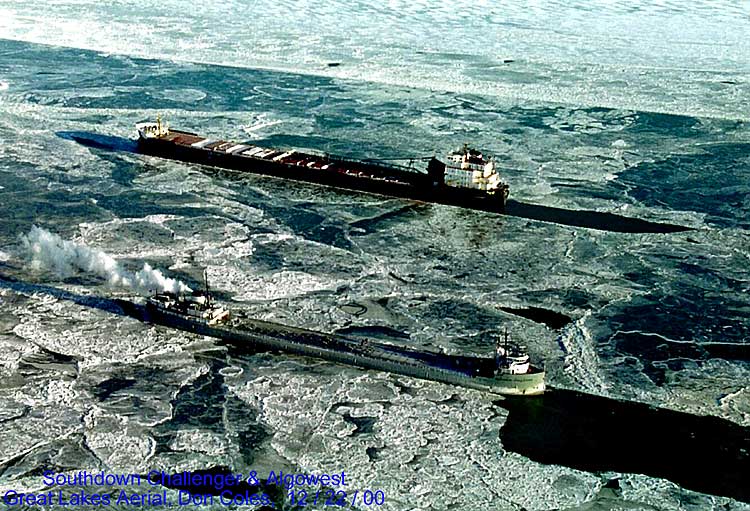
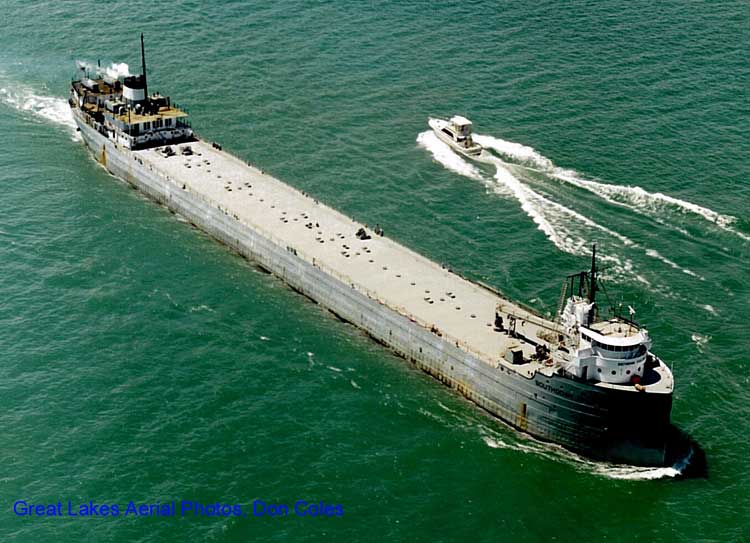
Medusa Cement was bought out by Southdown, Inc., in 1998. The Challenger was renamed Southdown Challenger in April 1999. Southdown was bought out by Mexico-based Cemex in 2000, and the Challenger was sold to Wilmington Trust in order to keep the vessel’s Jones Act status. Management of the vessel was contracted to HMC Ship Management, a subsidiary of Hannah Marine Corp. The vessel was operated under a cargo contract charter to Southdown.
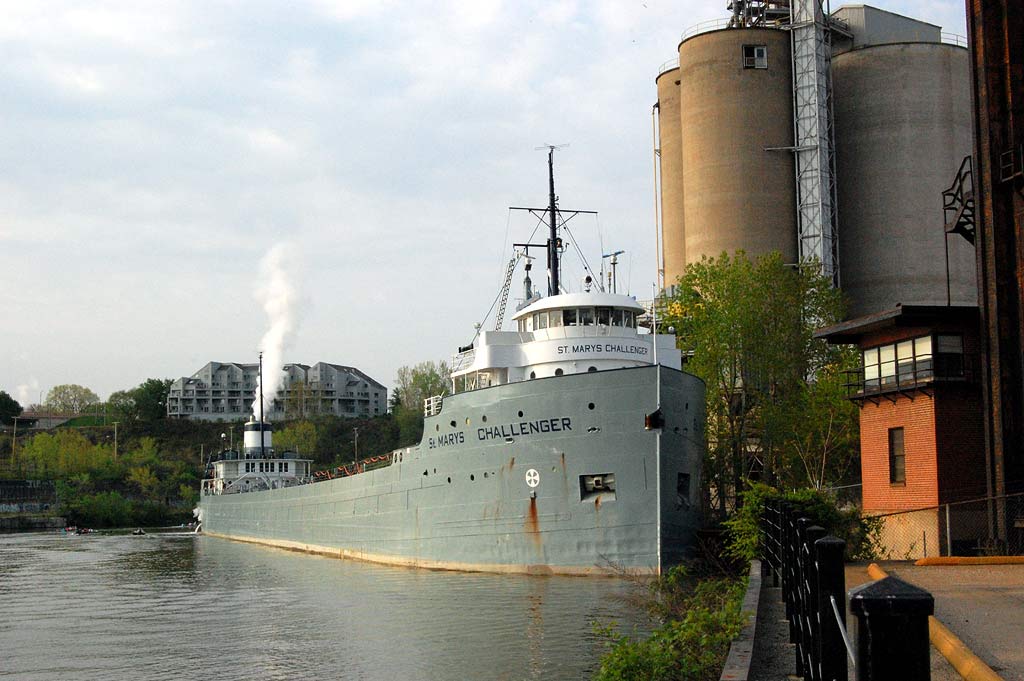
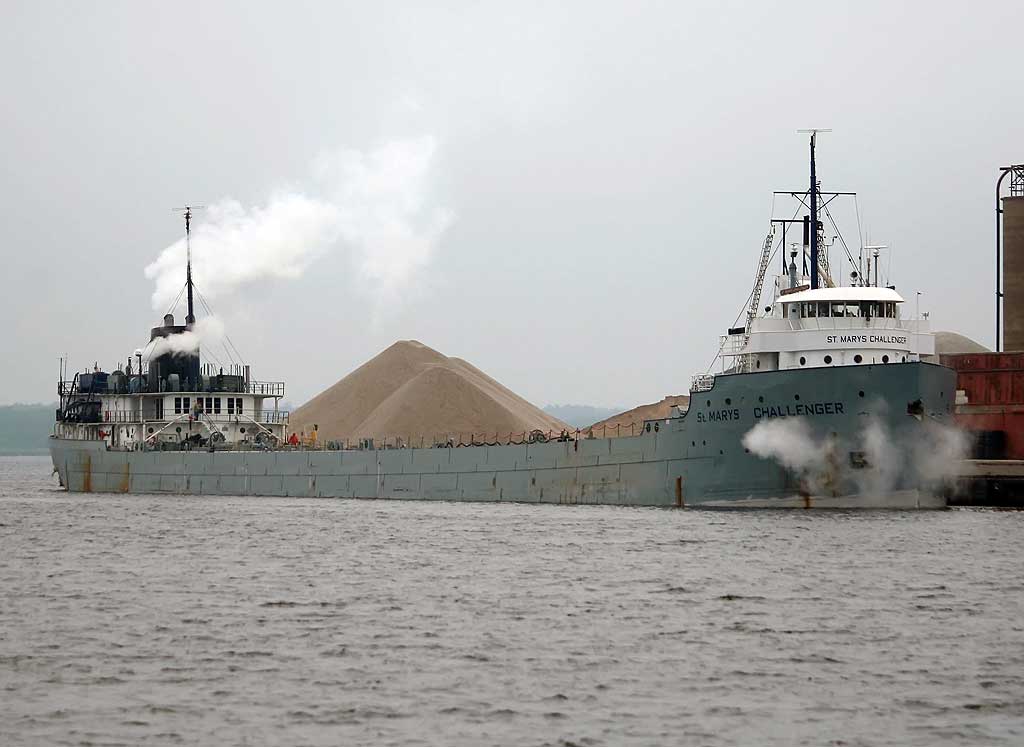
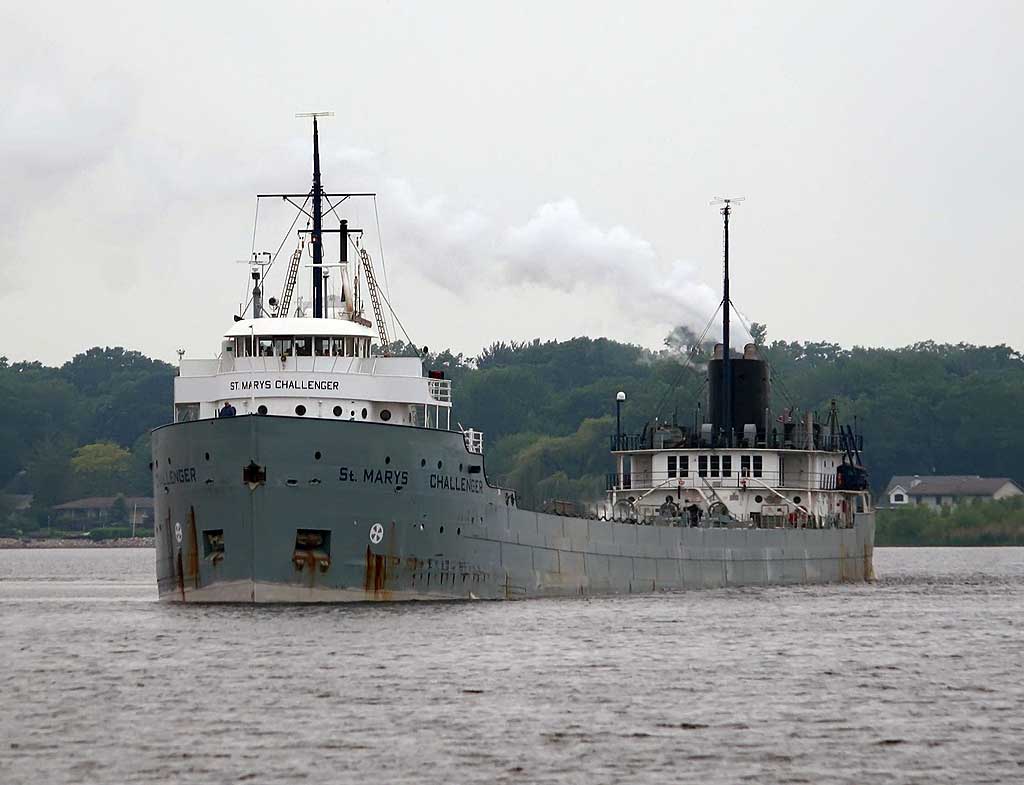
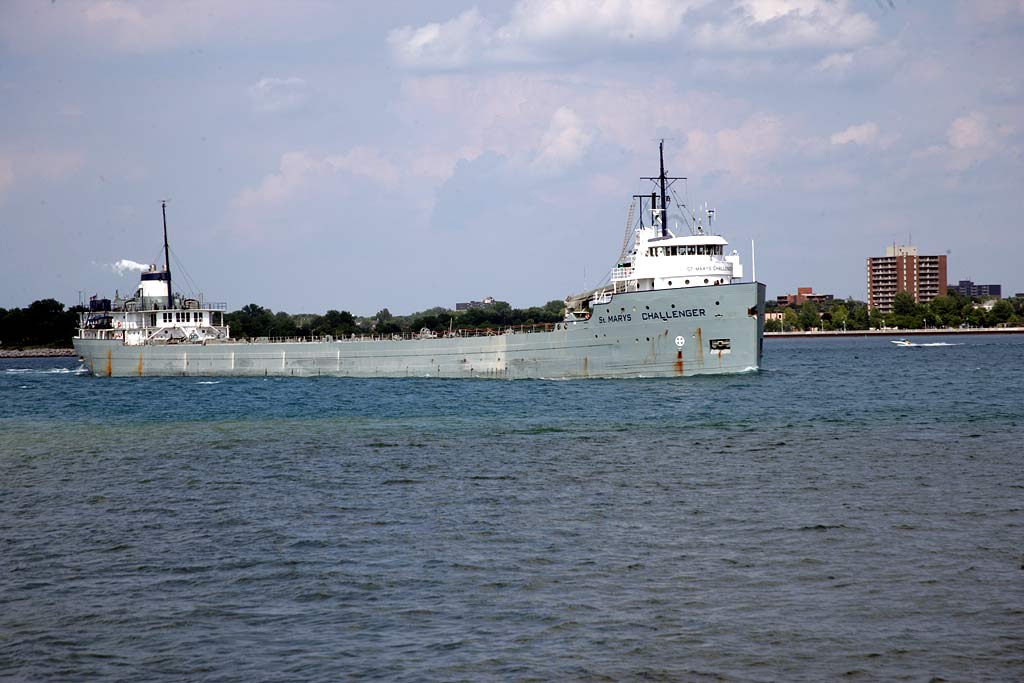
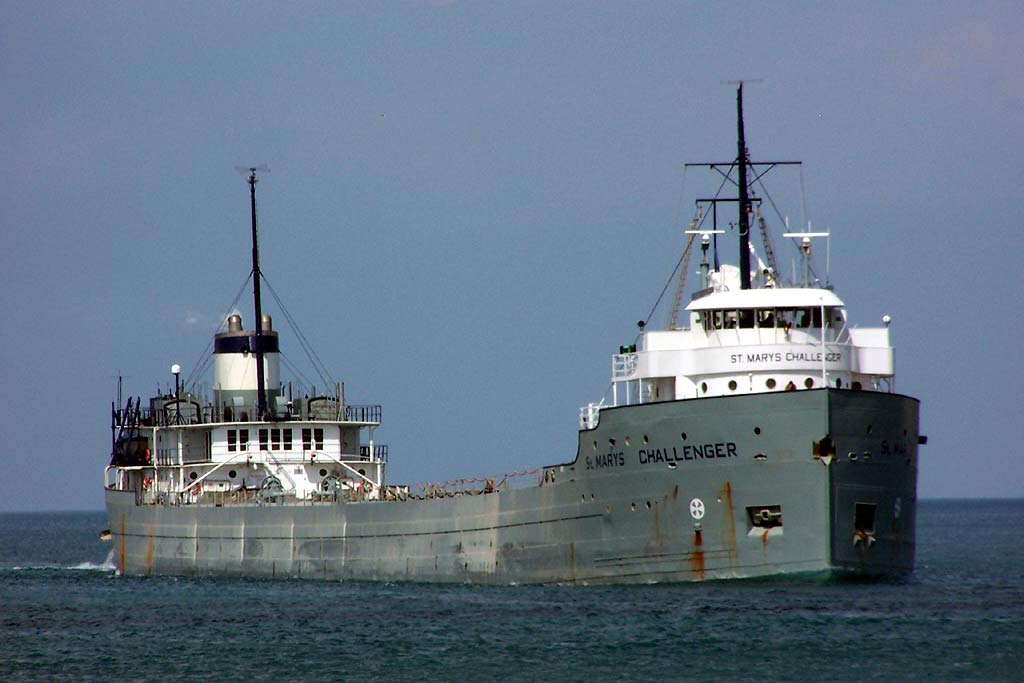
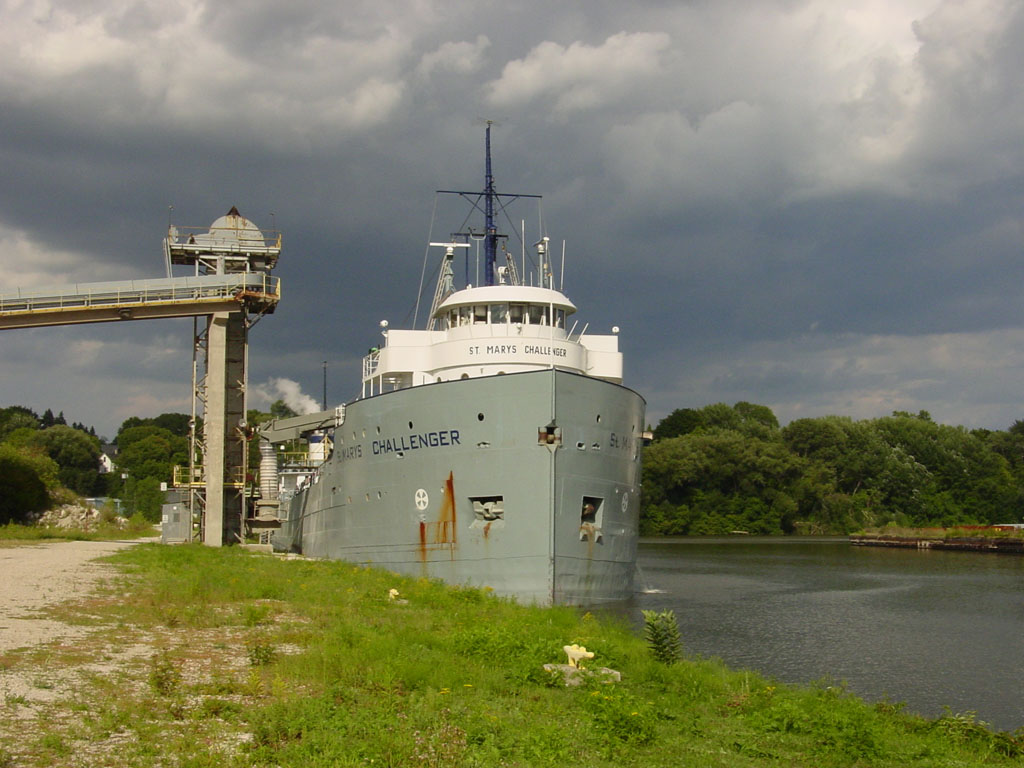
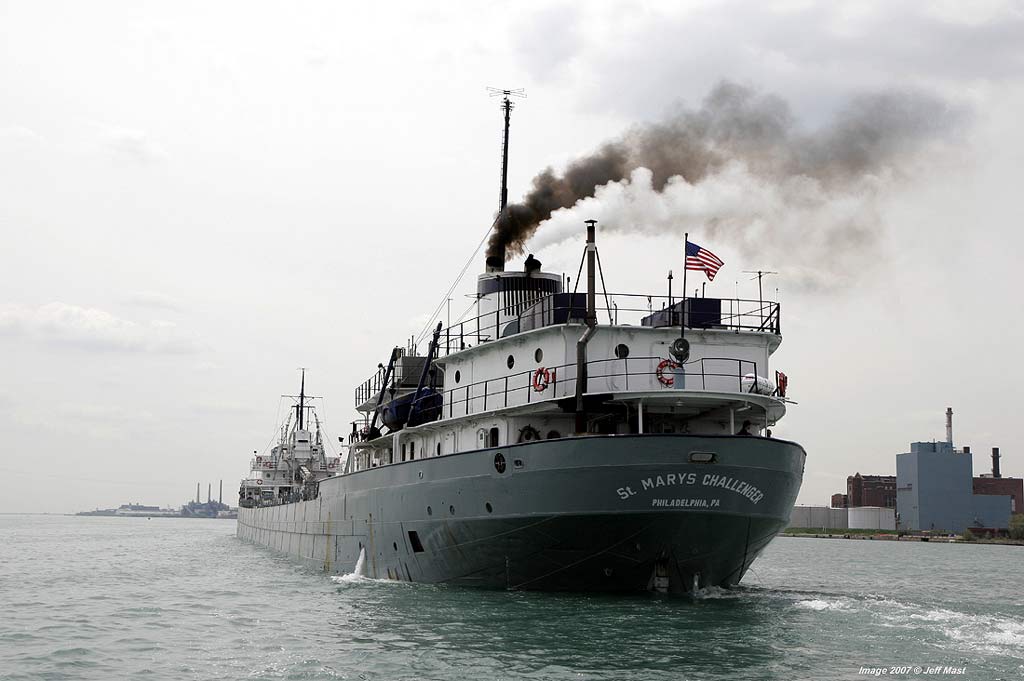
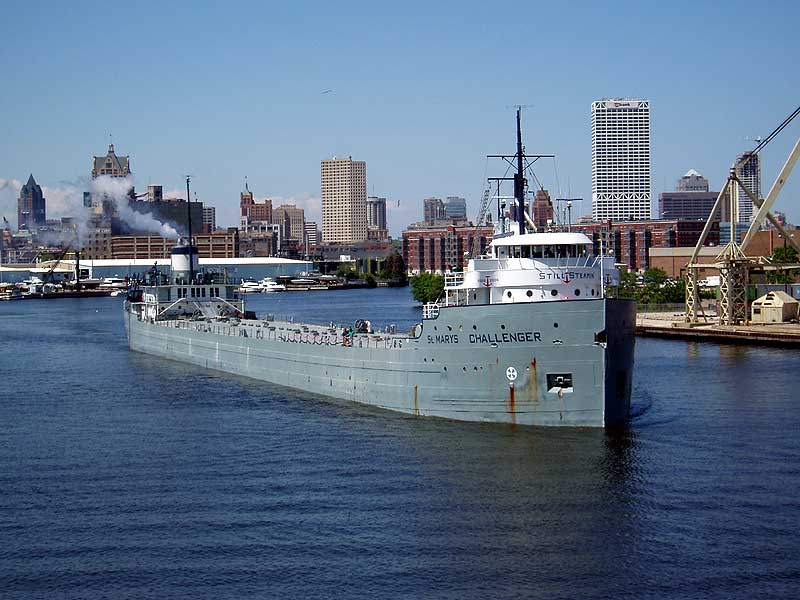
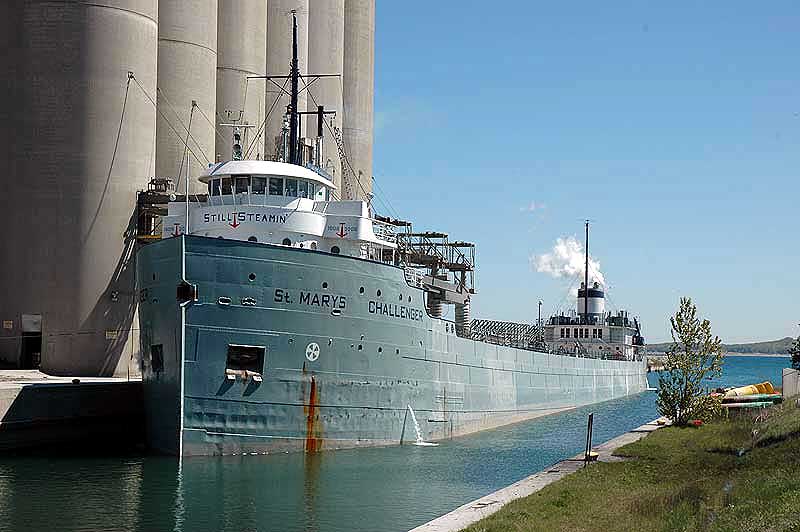
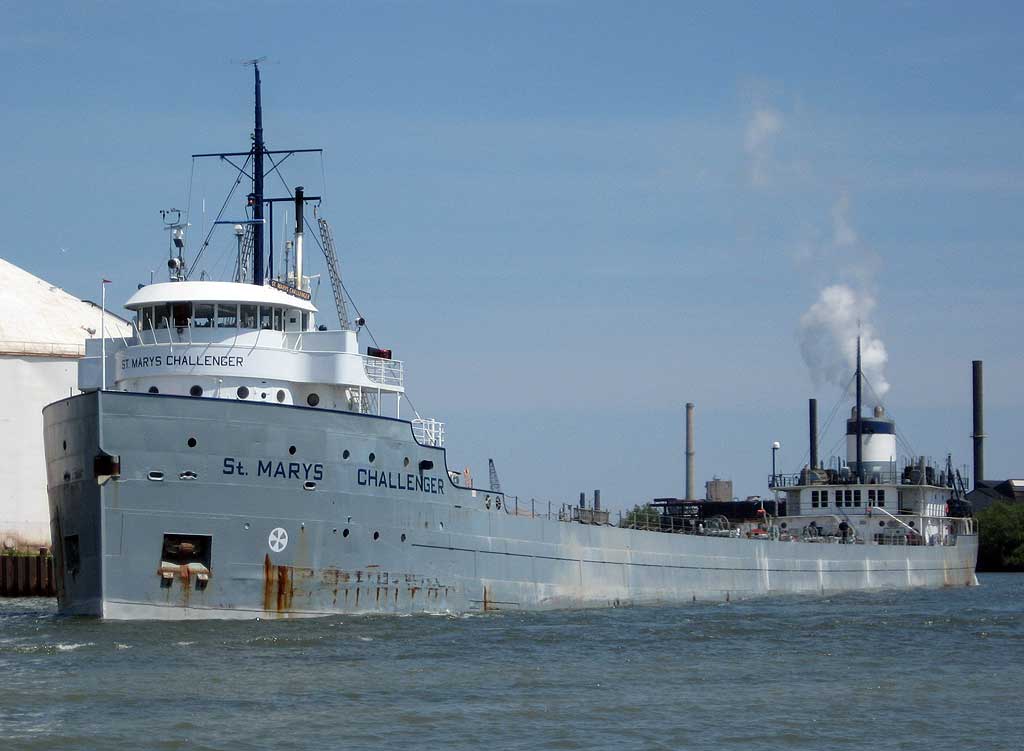
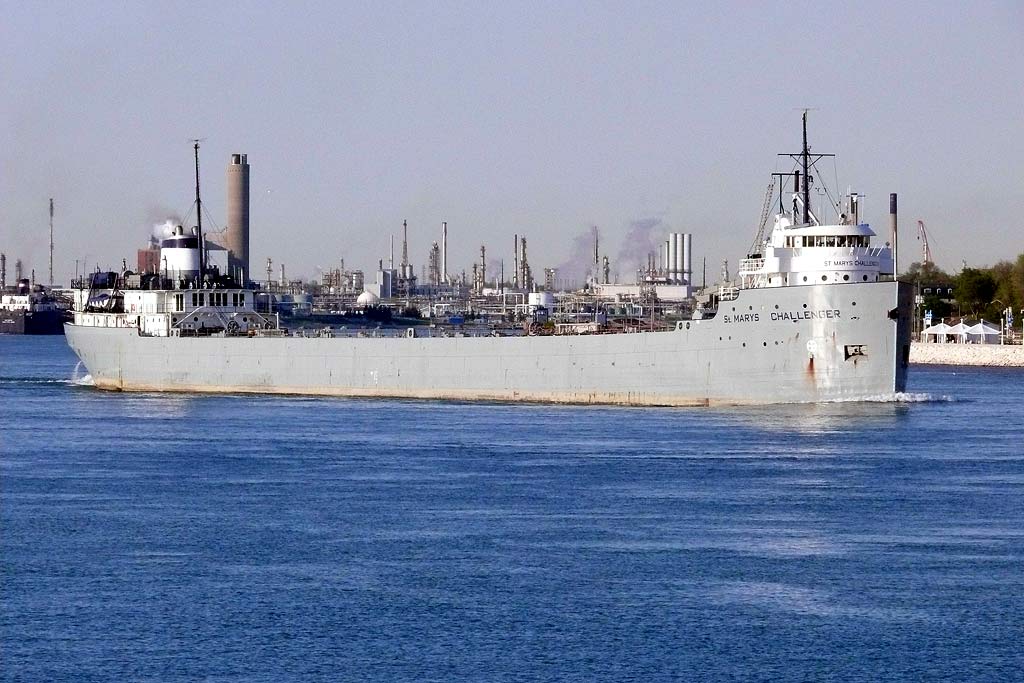
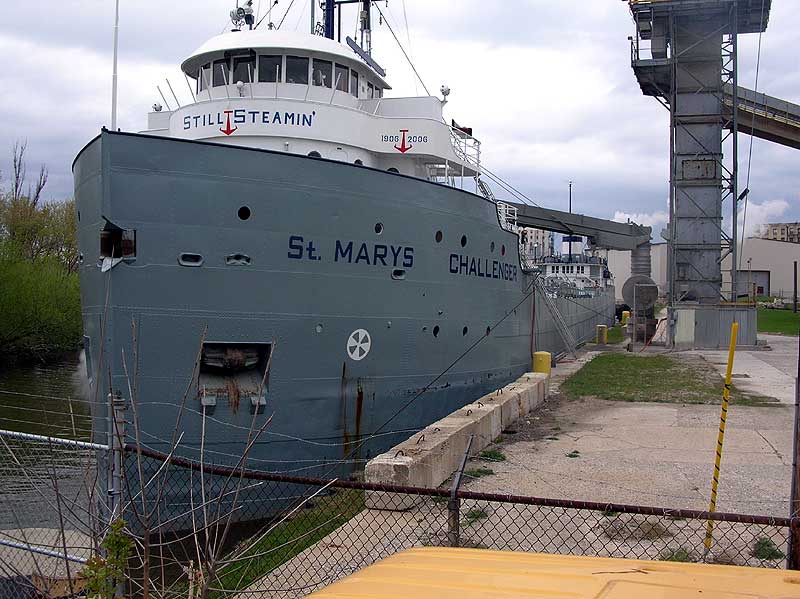
In 2005, the Great Lakes operations of Cemex were purchased by Brazilian-based Votorantum Cimentos, with ownership of the facilities being placed under their subsidiary St. Marys Cement US of Detroit. Southdown Challenger was renamed St. Marys Challenger prior to entering service for the 2005 season.
St. Marys Challenger celebrated her centennial season in 2006, sailing from April 4 to December 11, 2006. Her Texas deck gunwale was adorned with the phrase “Still Steamin’”.
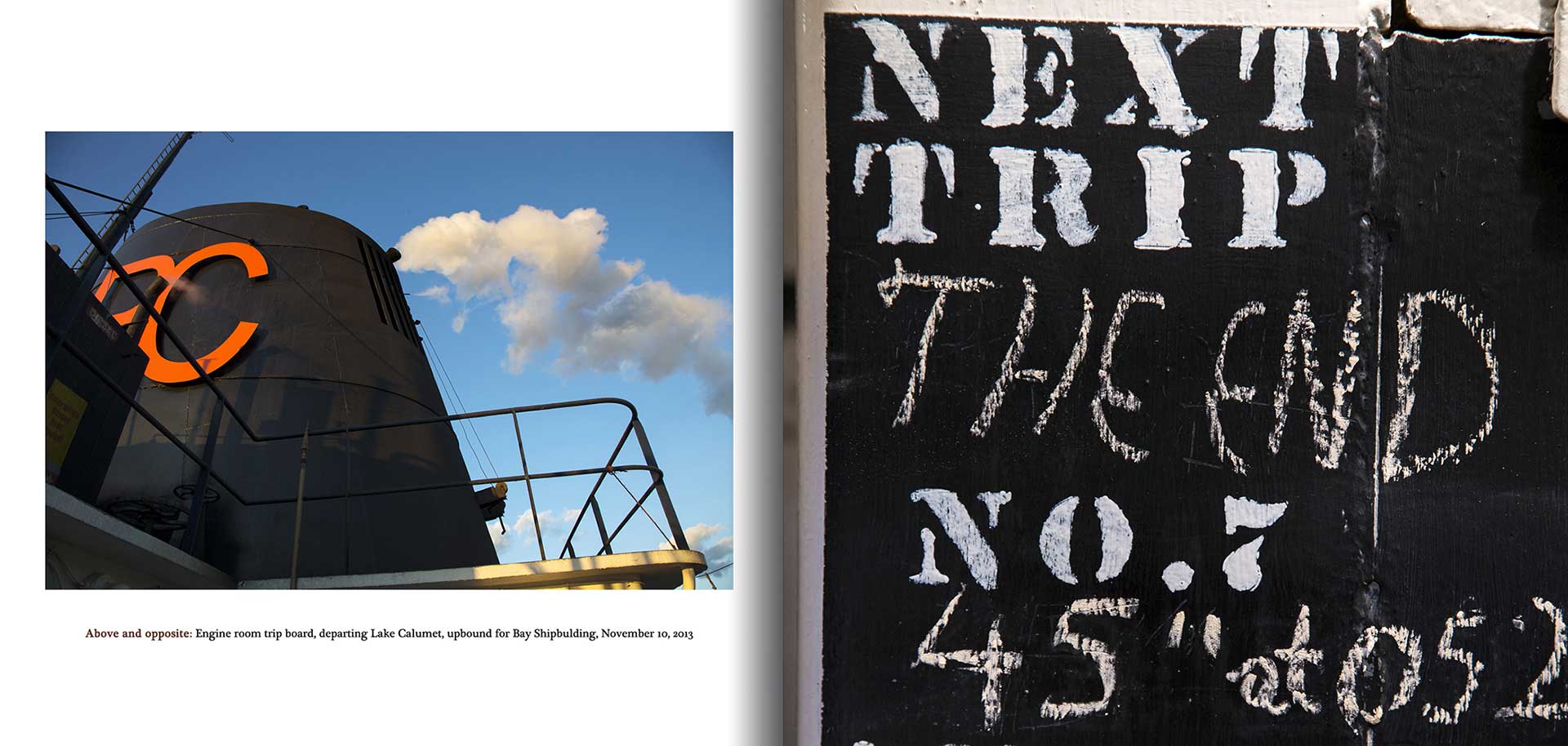
In early 2009, Hannah Marine Corp. went out of business, and the St. Marys Challenger was purchased by Port City Steamship Services, a subsidiary of Sand Products Corp. Her stack colors were changed to black with an orange “PC” lettering. She continued to serve St. Marys Cement under cargo contract charter.
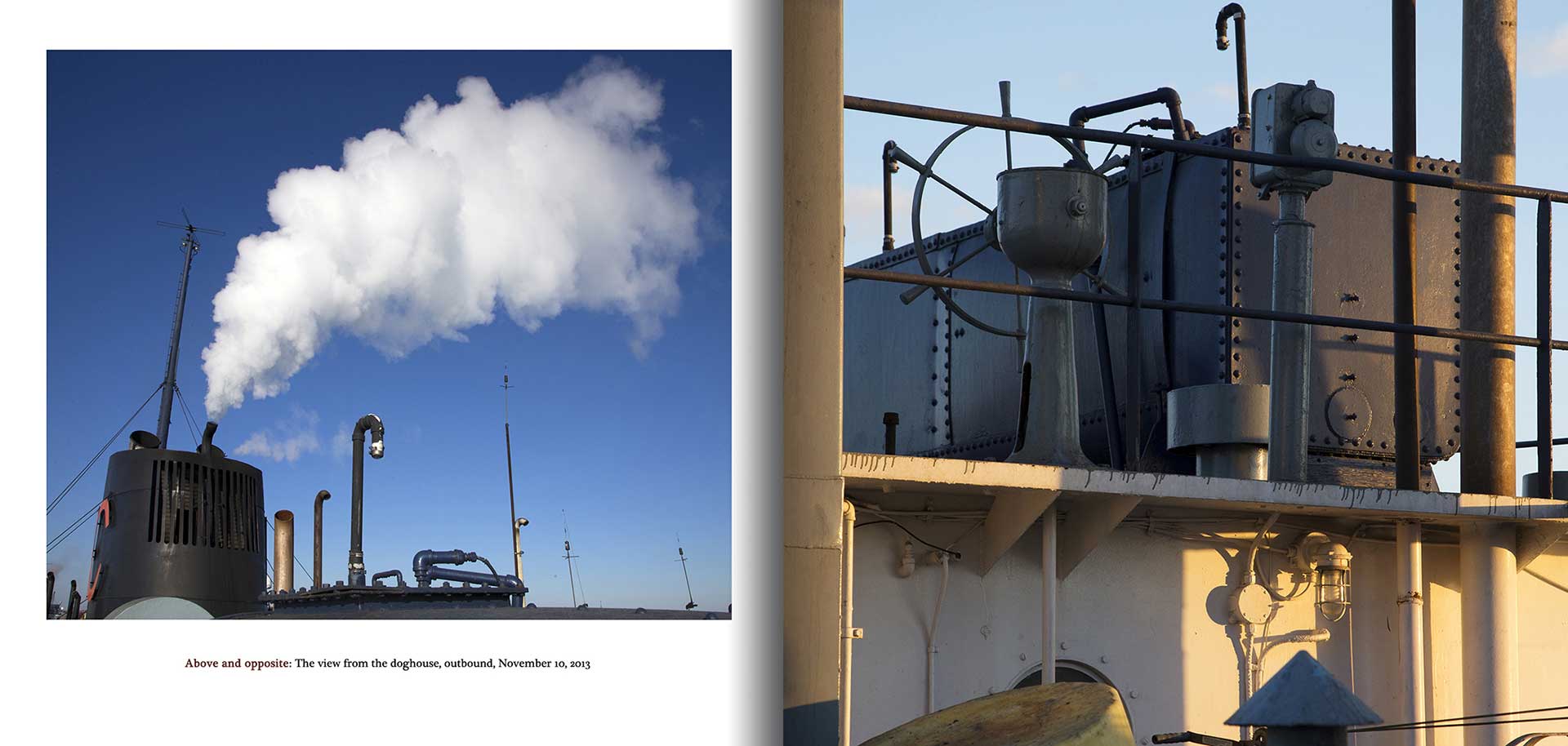
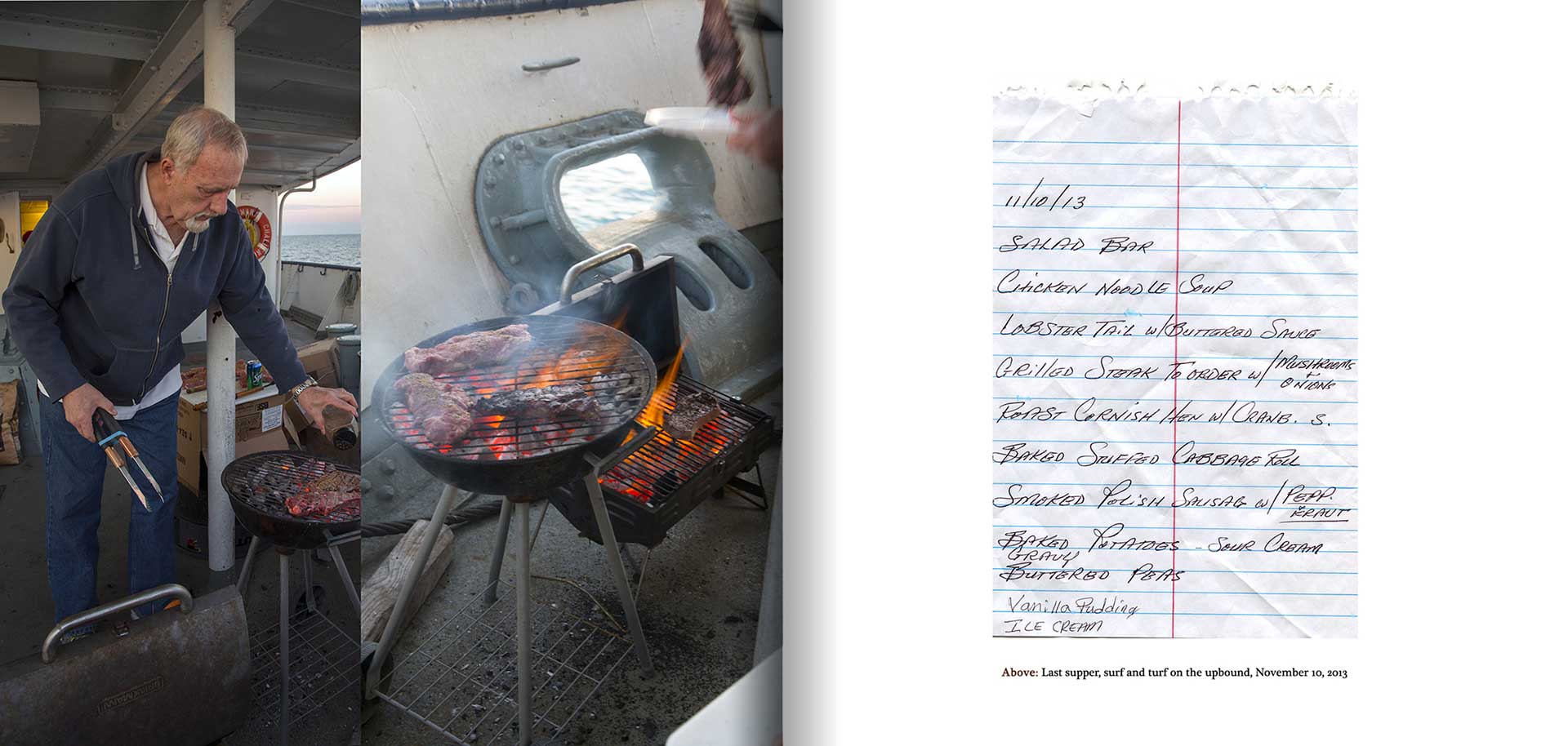
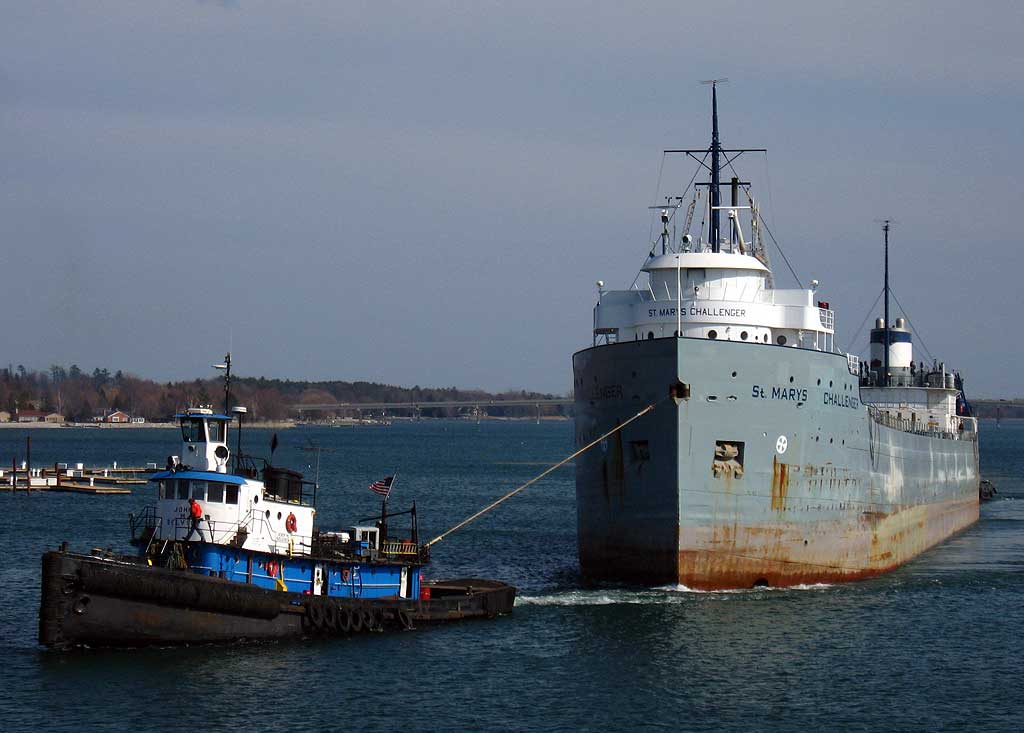
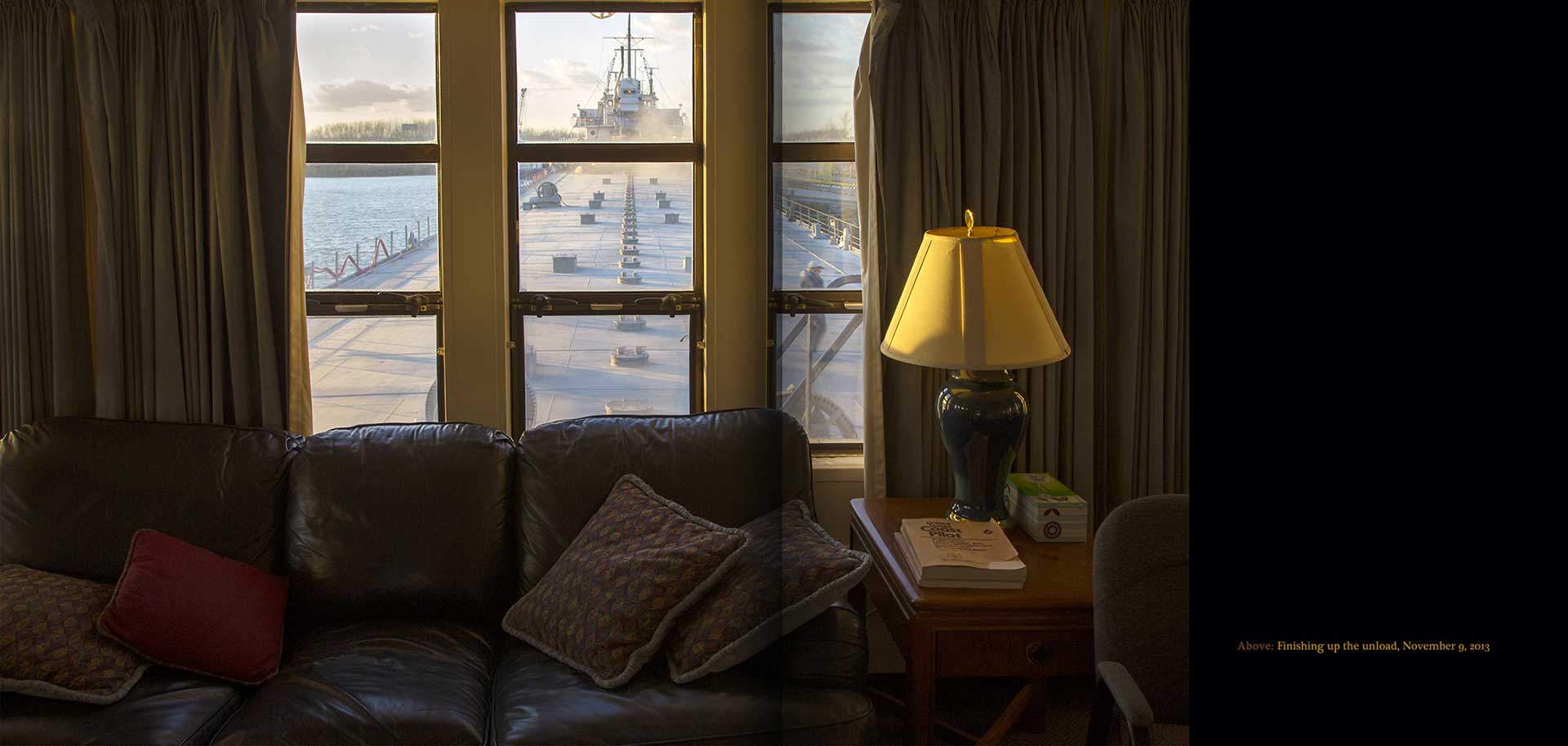
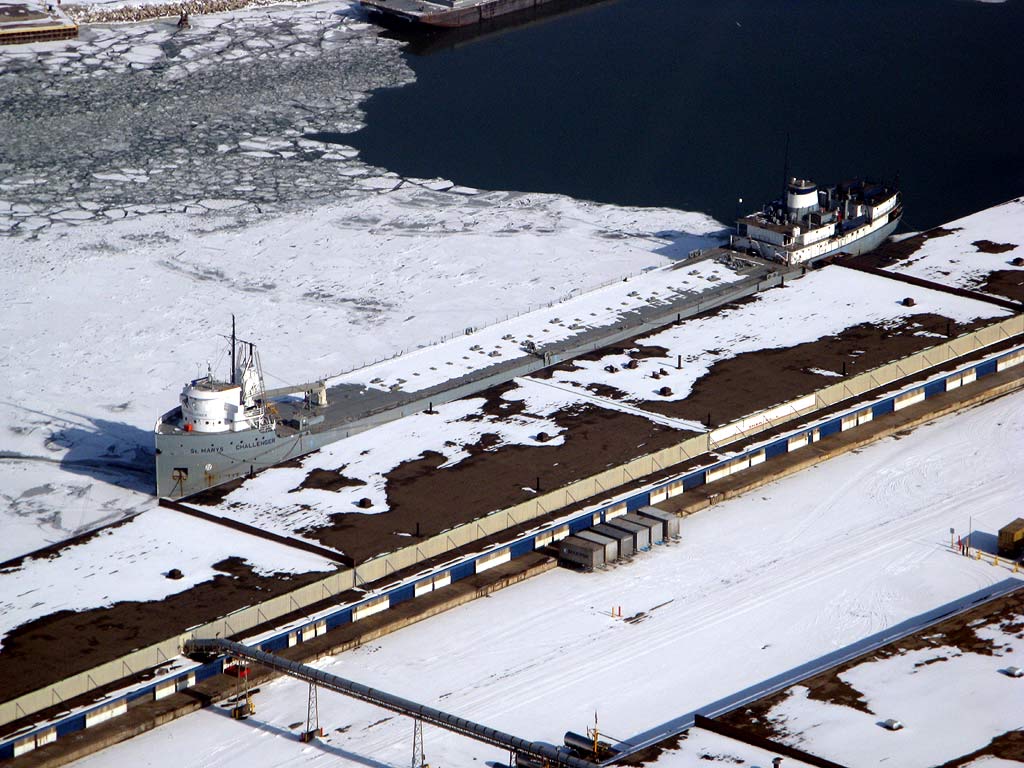
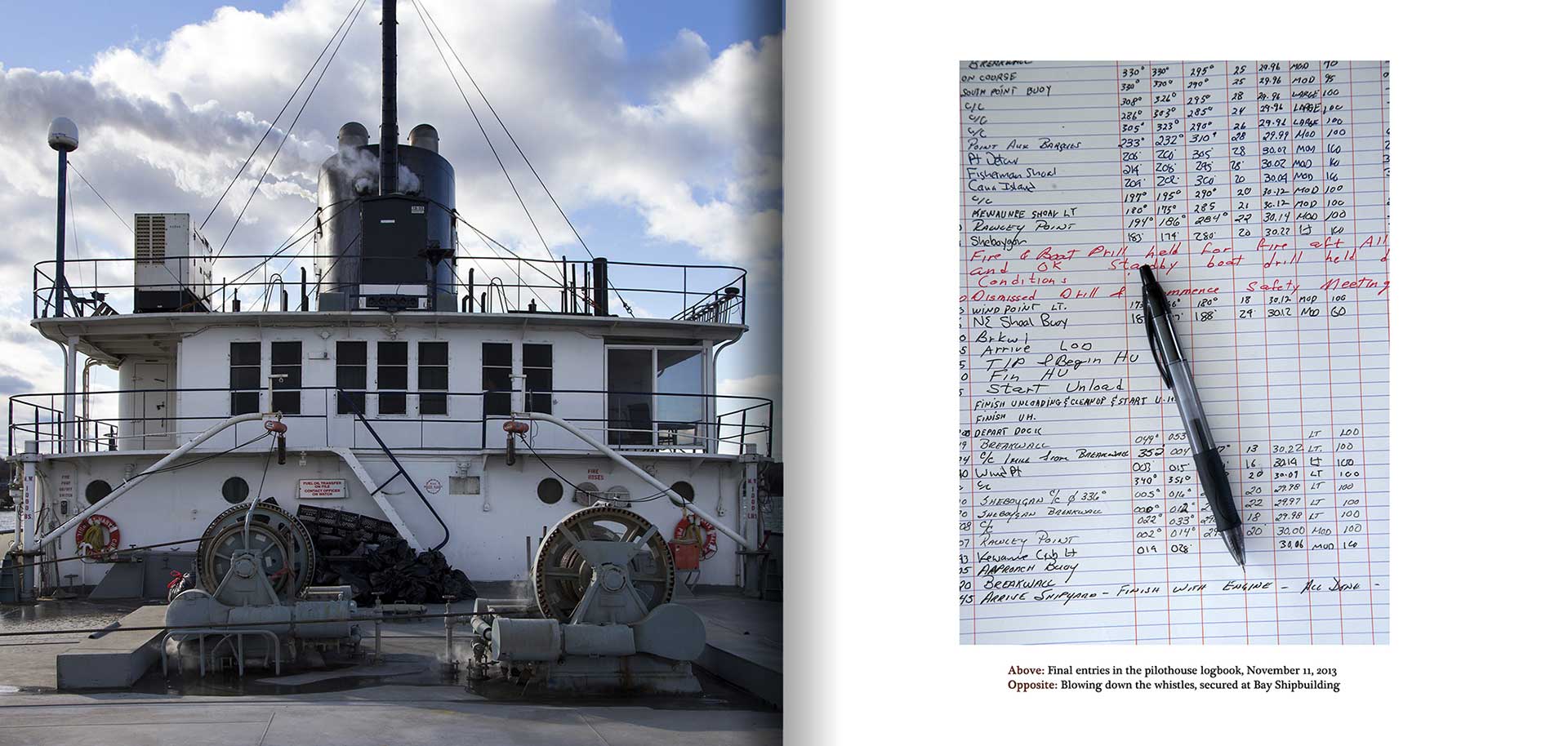
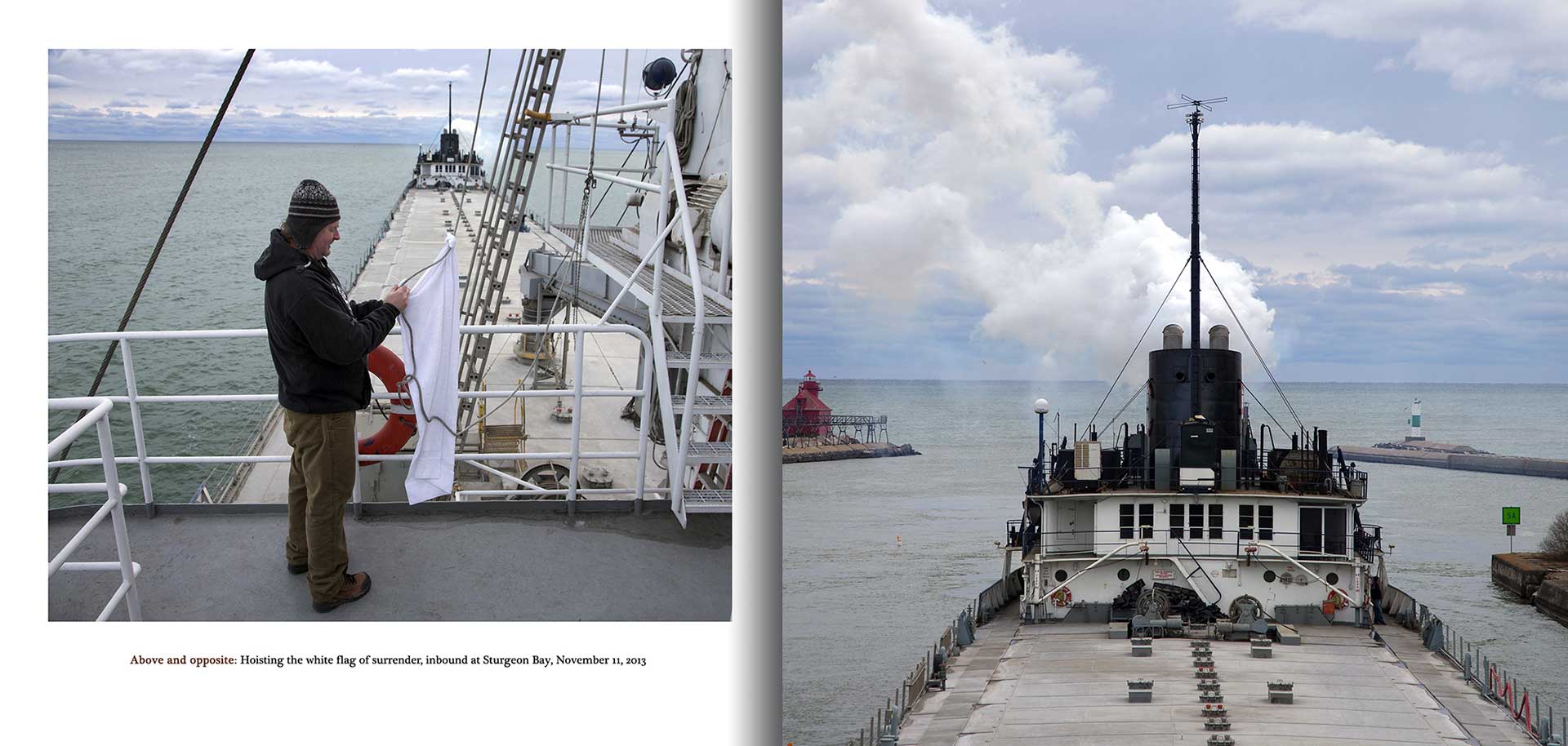
By the end of the 2013 season, the Challenger was up for renewal of her 5-Year Inspection Certificate. The decision was made to convert her into an articulated barge at this time, as it was becoming too costly to maintain her old steam power plant and crew to accompany it. St. Marys Challenger laid up at Fincantieri Bay Shipbuilding on October 11, 2013, on her final trip as a powered steamer. Over the winter, her forward pilothouse was replaced with a small lookout tower, and her aft accommodations and engine room cut down and removed. A notch for the tugboat was fabricated and welded onto her stern while in the drydock. The tug Bradshaw McKee sailed to Sturgeon Bay to pick up the St. Marys Challenger, and the pair entered service on June 3, 2014, continuing normal trading.
In early 2015, the tug Bradshaw McKee switched out with the Prentiss Brown. St. Marys Challenger continues to sail actively in the cement trade, being pushed by the tugboat Prentiss Brown.
Written by Brendan Falkowski
Barge Details
Barge Conversion: 2014
Barge Conversion:
Fincantieri Bay Shipbuilding (Sturgeon Bay, WI, USA)
Elton Hoyt 2nd (1) (1926-52)
Alex D. Chisholm (1952-66)
Medusa Challenger (1967-99)
Southdown Challenger (1999-2005)
Stewart Furnace Co. (1926-29)
Youngstown Steamship (1929-30)
Interlake Steamship (1930-66)
Medusa Portland Cement (1967-99)
Southdown, Inc. (1999-2000)
Hannah Marine/Cemex (2000-05)
Hannah Marine/St. Mary's Cement (2005-09)
ATB St. Mary’s Challenger (2014-Present)
SS St Mary’s Challenger



Southdown Challenger (1999-2005)



Medusa Challenger (1967-99)